



Kostel Nejsvětější Trojice (Dobřichov) Church
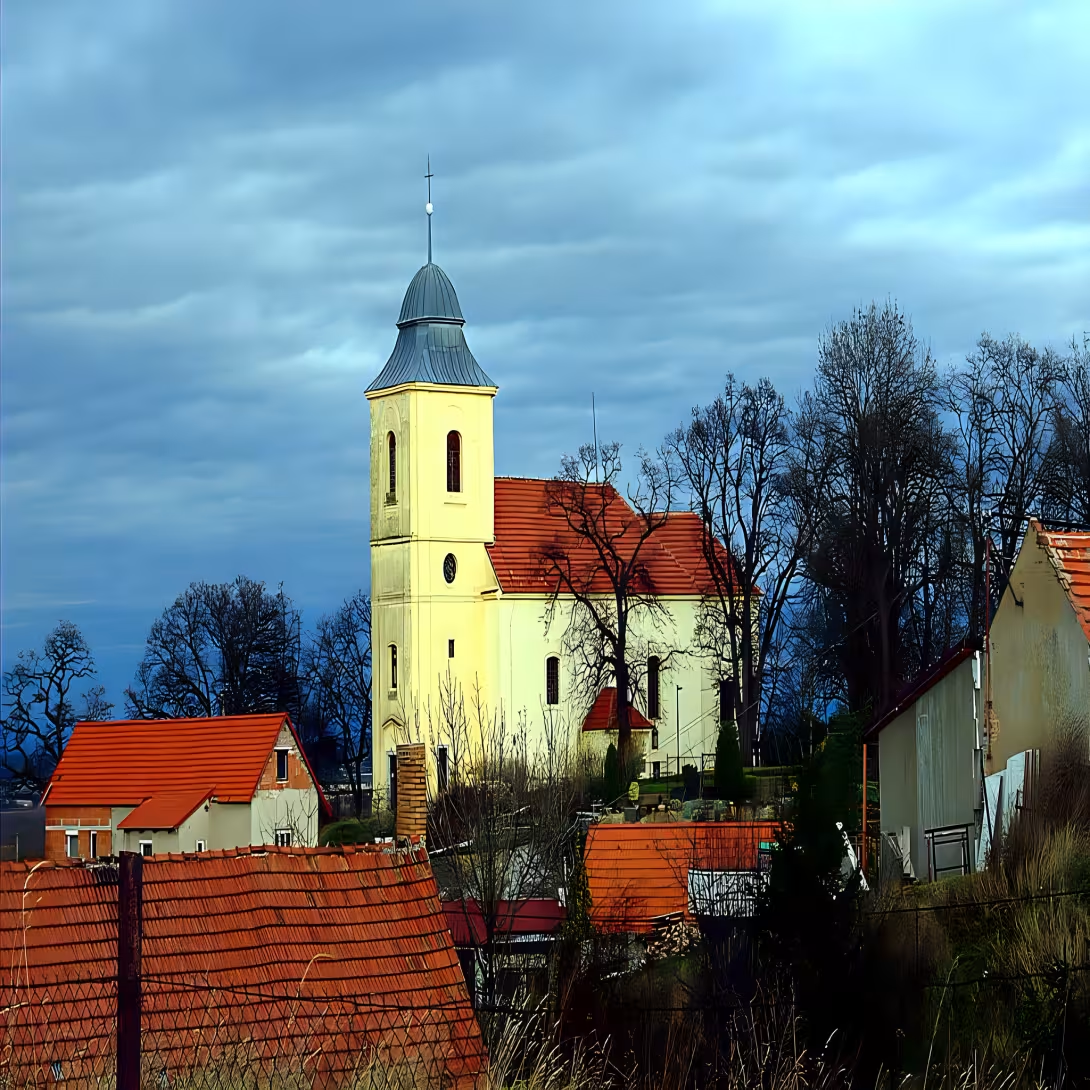
The Church of the Holy Trinity in Dobřichov stands as a testament to architectural evolution and cultural heritage within the Czech Republic. Located in the village of Dobřichov, this 18th-century baroque church is recognized as a significant cultural monument. Its historical significance lies not only in its current form but also in its layered past, having been built on the site of an earlier Romanesque church dating back to the 10th century. Over time, it transformed into Gothic style during the 14th century before reaching its present baroque state.
The origins of this monument trace back to a period when Bohemia was undergoing significant Christianization and cultural development in the 10th century. The initial Romanesque church reflects early medieval European architectural styles, characterized by robust structures with semi-circular arches. This structure later transformed into Gothic style in the 14th century, aligning with broader European trends where pointed arches and elaborate ornamentation became prominent.
Architecturally, the Church of the Holy Trinity showcases significant stylistic changes over centuries. Remnants of the Romanesque church were discovered in the northeast part of the current structure, indicating a foundation built in the Otonian Romanesque Renaissance style. This historical layering is evident as the church was rebuilt in Gothic style during the 14th century and later transformed into its baroque form in the 18th century. The transition to baroque architecture brought more elaborate decorative elements and dramatic expressions, visible in the current structure.
Throughout its history, the Church of the Holy Trinity has witnessed various transformations reflecting broader architectural trends rather than specific ownership or administrative changes documented in historical records. Its journey from a Romanesque foundation through Gothic reconstruction to its present baroque form illustrates the dynamic nature of architectural evolution influenced by cultural and religious developments over time.
Key events associated with this monument include its initial construction in the 10th century, its Gothic transformation in the 14th century, and its final baroque redesign in the 18th century. These transformations highlight the church's ability to adapt and evolve while maintaining its role as a central place of worship and community gathering.
Today, the Church of the Holy Trinity remains an accessible cultural monument, inviting visitors to explore its rich history and architectural beauty. Its recognition as a cultural monument underscores its importance not only as a religious site but also as a historical landmark offering insights into architectural and cultural transformations over several centuries. Visitors are encouraged to appreciate this remarkable blend of styles and histories, making it a worthwhile destination for those interested in exploring Czech heritage.
The Church of the Holy Trinity in Dobřichov stands as a symbol of resilience and transformation, reflecting the rich tapestry of history that has shaped its existence. Its layered architectural styles offer a unique glimpse into the past, inviting visitors to delve into its storied walls and appreciate the cultural significance it holds today.
Then and now
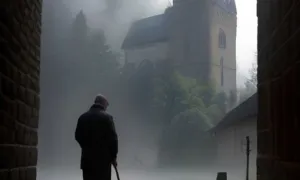
Drag the slider to compare how the landmark may have looked when it was built with the view today.
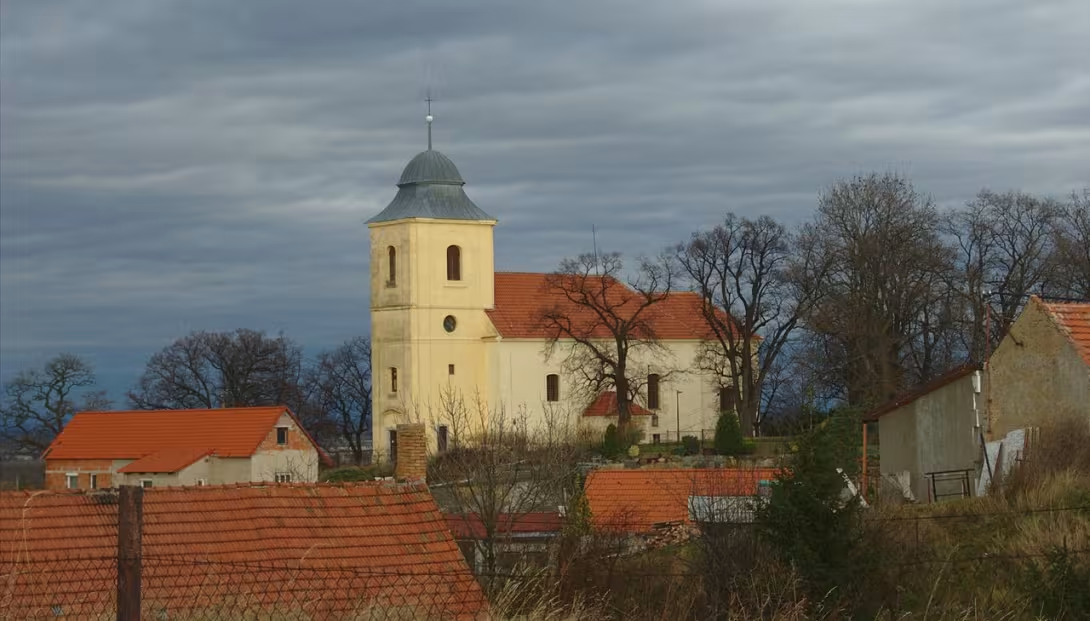
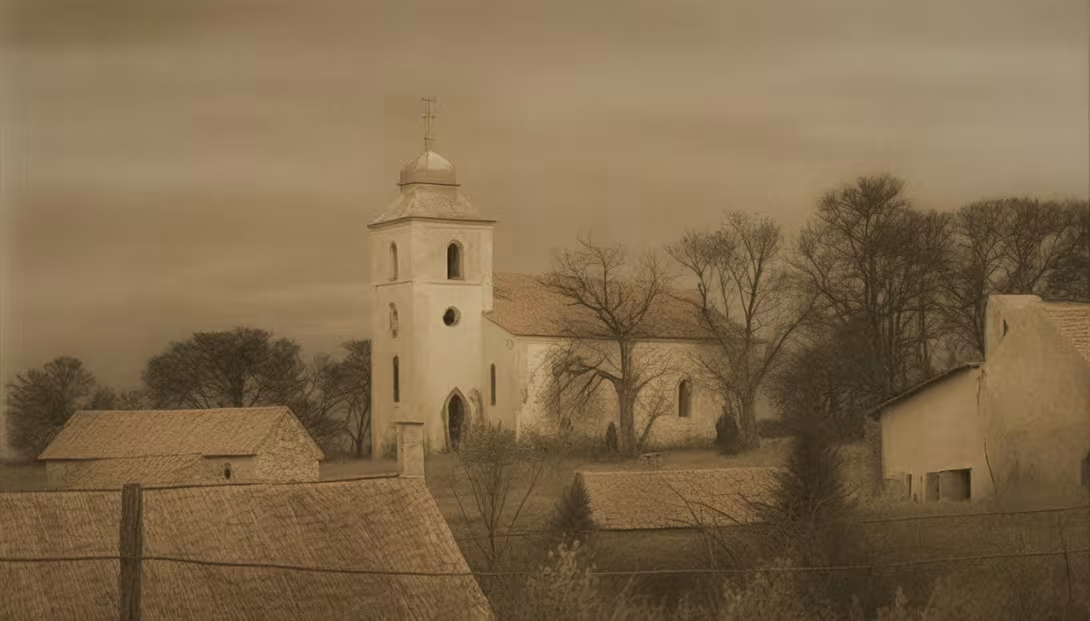
The historical appearance on the left is an AI-generated visualisation and serves as inspiration only.
Historical milestones
- 10
- Initial construction of the Romanesque church.
- 14
- Transformation into Gothic style.
- 18
- Redesign in Baroque architecture.
Architectural development
The Church of the Holy Trinity has undergone several architectural transformations. Initially constructed as a Romanesque church in the 10th century, it was later rebuilt in Gothic style during the 14th century. The current baroque structure dates back to the 18th century, showcasing significant stylistic changes over time.
Historical events
The original Romanesque church was built in the 10th century.
It was rebuilt in Gothic style during the 14th century.
Transformed into its current baroque form in the 18th century.
Points of interest
- The Church of the Holy Trinity was originally built on a site that once hosted an ancient Romanesque church from the 10th century, reflecting early medieval European architectural styles with its robust structures and semi-circular arches.
- During its Gothic transformation in the 14th century, the church aligned with broader European trends by adopting pointed arches and elaborate ornamentation, which were hallmarks of Gothic architecture at that time.
- Remnants of the original Romanesque structure were discovered in the northeast part of the current building, indicating it was built in the Otonian Romanesque Renaissance style, a lesser-known architectural phase characterized by its unique blend of Romanesque elements.
- The church's transformation into baroque architecture in the 18th century introduced more elaborate decorative elements and dramatic expressions, showcasing the dynamic evolution of styles influenced by cultural and religious developments over time.
- Despite undergoing significant architectural changes, the Church of the Holy Trinity has maintained its role as a central place of worship and community gathering throughout its history, illustrating its enduring significance beyond just its physical transformations.
Guide
This guide is narrated by a synthetic voice generated by artificial intelligence.
Show guide text
This text was created by artificial intelligence and has not been editorially reviewed. It may contain inaccuracies.
Welcome to the Church of Nejsvětější Trojice in Dobřichov, a remarkable testament to centuries of architectural evolution and spiritual devotion nestled within Středočeský kraj. As you stand before this majestic structure, let your senses embrace the essence of history that permeates its walls.
The journey of this sacred site begins in the 10th century with the construction of an original Romanesque church. This early medieval edifice was characterized by robust structures and semi-circular arches—hallmarks of a period when architecture sought to convey strength and permanence. As time unfolded, the 14th century witnessed a transformation into Gothic style, introducing pointed arches and intricate details that reflected the era's pursuit of height and light.
Fast forward to the 18th century, and you find yourself in front of its current form—a baroque masterpiece. This redesign embraced the grandeur and dynamism typical of baroque architecture, with an emphasis on movement, contrast, and sensory richness. As you explore, notice how these elements come together to create a harmonious blend that tells the story of time's passage.
While specific architects remain unknown, the church stands as a cultural monument of the Czech Republic, its very existence a narrative woven into the fabric of Dobřichov’s history. Although no particular historical figures are directly tied to this site, it is clear that countless individuals have been touched by its presence and legacy over the centuries.
One intriguing aspect of this church lies in its layered history—a Romanesque foundation giving way to Gothic elegance before blossoming into baroque splendor. This evolution speaks volumes about the cultural shifts and artistic aspirations of each era, inviting you to ponder how such transformations mirror broader societal changes.
As your visit concludes, I encourage you to linger a moment longer, allowing yourself to be enveloped by the atmosphere that has captivated hearts for centuries. Whether it's the play of light through stained glass or the echo of footsteps on ancient stone, there is always more to discover here in Dobřichov. Thank you for joining me on this journey through time and architecture. May your exploration continue with curiosity and wonder.
Tips for visitors
The best time to visit the Church of the Holy Trinity in Dobřichov is during late spring or early autumn, when the weather is pleasant for walking around the area. During these months, you can enjoy the lush greenery surrounding the church and capture its baroque architecture against a clear sky. Additionally, visiting outside peak tourist seasons ensures a quieter experience, allowing you to appreciate the serene atmosphere of this historic site.
This ensures you have the most up-to-date information for your journey.
When planning your visit, consider bringing comfortable walking shoes as there may be some walking involved, especially if exploring nearby areas. A camera is recommended to capture the stunning architecture of the church and its surroundings. Since lighting can vary throughout the day, early morning or late afternoon visits are ideal for photography, providing softer light that enhances the baroque details.
For families with children, there's plenty to see within a 30-minute drive from Dobřichov. The nearby village offers charming streetscapes and local shops where you can explore regional crafts. Additionally, the surrounding countryside is perfect for a family picnic or a leisurely walk, making it an enjoyable outing for all ages.
Frequently asked questions
Can the monument be visited?
Religious buildings are usually open mainly during services; at other times a visit is normally arranged with the parish or the operator. We have not verified specific times.
Where is the monument?
Location: Dobřichov, Středočeský kraj. The map on this page shows the exact spot.
Why is the monument protected?
It is listed in the Central List of Cultural Monuments of the Czech Republic as a cultural monument (register no. 28177/2-719).
Businesses nearby
Do you run a restaurant, accommodation, shop, museum, rental, wellness or other visitor service near this monument? Show yourself directly to the people heading to it — this is how they will see you in the app and on the web:
Accommodation nearby
Trips and activities nearby
Guided tours, tickets and activities nearby from GetYourGuide
Affiliate link: if you buy from the partner, we may receive a commission. The price for you does not change.
Search tours and activities →Themed route
Tematická Výletní Trasa: Kostel Nejsvětější Trojice v Dobřichovu
1. Kostel Nejsvětější Trojice (Dobřichov)
Typ: Religiózní památka
Proč stojí za návštěvu: Tento barokní kostel, postavený v 18. století, je centrem duchovního života ve vesnici Dobřichov. Jeho bohaté historické a architektonické prvky nabízejí návštěvníkům pohled na minulost a příležitost pro klidné zamyšlení.
2. Nádvoří kostela
Typ: Historický areál
Proč stojí za návštěvu: Nádvoří kolem kostela nabízí místo k odpočinku a refleksi, zatímco jeho historické architektonické prvky dodávají kontext celému komplexu. Je to ideální místo pro pochopení kulturního významu kostela ve vesnici.
3. Věž Kostela Nejsvětější Trojice
Typ: Architektonická památka
Proč stojí za návštěvu: Věž nabízí jedinečné výhledy na okolní krajinu Středočeského kraje. Je to nejen technická úspěšnost, ale také symbolické místo pro zamyšlení nad historií a duchovním významem kostela.
4. Místní památky ve vesnici Dobřichov
Typ: Kulturní památky
Proč stojí za návštěvu: Pohyb po vesnici odhaluje další kulturní a historické prvky, jako jsou starobylé domy a menší památky. Tyto místa přidávají hloubku porozumění místnímu dědictví a životu v dobách minulých.
Tato trasa nabízí návštěvníkům komplexní pohled na historii, architekturu a kulturní význam Kostela Nejsvětější Trojice i jeho okolí.
Seasonal recommendations
Spring: Visiting the Church of the Holy Trinity in Dobřichov during spring offers a unique experience as nature awakens around this historic site. The vibrant greenery and blooming flowers create a picturesque backdrop, enhancing the church's architectural beauty with natural light filtering through stained glass windows. Springtime brings moderate temperatures, making it an ideal time for exploration without the summer crowds or winter chill. Visitors are encouraged to wear comfortable walking shoes and layers that can be adjusted as the weather changes throughout the day. Early mornings tend to be quieter, providing a serene atmosphere for appreciating both the church's interior details and the surrounding natural landscape.
Summer: The summer months at the Church of the Holy Trinity in Dobřichov are characterized by long daylight hours and warm temperatures, making it perfect for extended visits. This is when the site experiences its peak visitor numbers, especially during the main tourist season, so arriving early can help avoid larger crowds. The lush greenery surrounding the church is at its most vibrant, offering a stunning contrast to the historic architecture. Visitors should dress in light, breathable clothing and consider bringing sunscreen and water to stay comfortable in the heat. Exploring the church's surroundings on foot or by bicycle can be particularly enjoyable during this season.
Autumn: Autumn brings a magical atmosphere to the Church of the Holy Trinity with its warm hues of orange, red, and gold enveloping the historic site. The cooler temperatures make for pleasant visiting conditions, while the falling leaves create a beautiful, ever-changing landscape around the church. This is an excellent time to witness the tranquility that autumn offers, as visitor numbers tend to decrease compared to summer. Layered clothing is recommended to adapt to the fluctuating weather, and carrying a light jacket can be beneficial for cooler afternoons. The soft lighting of late afternoon provides a unique opportunity to capture stunning photographs of the church against the vibrant autumnal backdrop.
Winter: Winter at the Church of the Holy Trinity in Dobřichov offers a serene and contemplative experience as snow blankets the historic site, transforming it into a picturesque winter wonderland. The shorter days mean that visitors should plan their visit during daylight hours to fully appreciate the church's architecture and interior. The colder temperatures necessitate warm clothing, including coats, hats, gloves, and scarves, to ensure comfort during your exploration. While visitor numbers are generally lower in winter, it is advisable to check opening times as they may be reduced during this season. The quietness of winter provides a unique opportunity for reflection and enjoying the peaceful ambiance that surrounds this historic landmark.
Visualizations and artistic views


The visualisations are generated by artificial intelligence and serve as inspiration.
Photos from the area
Real photos taken near the monument


Zdroj a licence jsou uvedeny u každého snímku.
Tips from visitors
No tips yet. Be the first!
Log in and add your tip.
Sources and literature
Photos: I would appreciate being notified if you use my work outside Wikimedia. More of my work can be found in my personal gall / CC BY 3.0, rozlišení zvýšeno umělou inteligencí — Wikimedia Commons. The author and licence also appear when you hover over the image.
Faktickým podkladem tohoto textu byl článek na Wikipedii, jehož autory jsou přispěvatelé Wikipedie. Článek je dostupný pod licencí CC BY-SA 4.0.
Location on the map





Příběhy a pověsti
Legendy, pověsti a příběhy spjaté s touto památkou
Fotografie návštěvníků
Zatím žádné fotografie. Buďte první, kdo přidá fotografii z návštěvy!
Log in a přidejte svou fotografii nebo hodnoťte.
Za ověřenou návštěvu v aplikaci získáte víc bodů — poznáme podle GPS, že jste na místě.
Reviews and comments