






Kostel Nejsvětější Trojice (Dobříš) Church
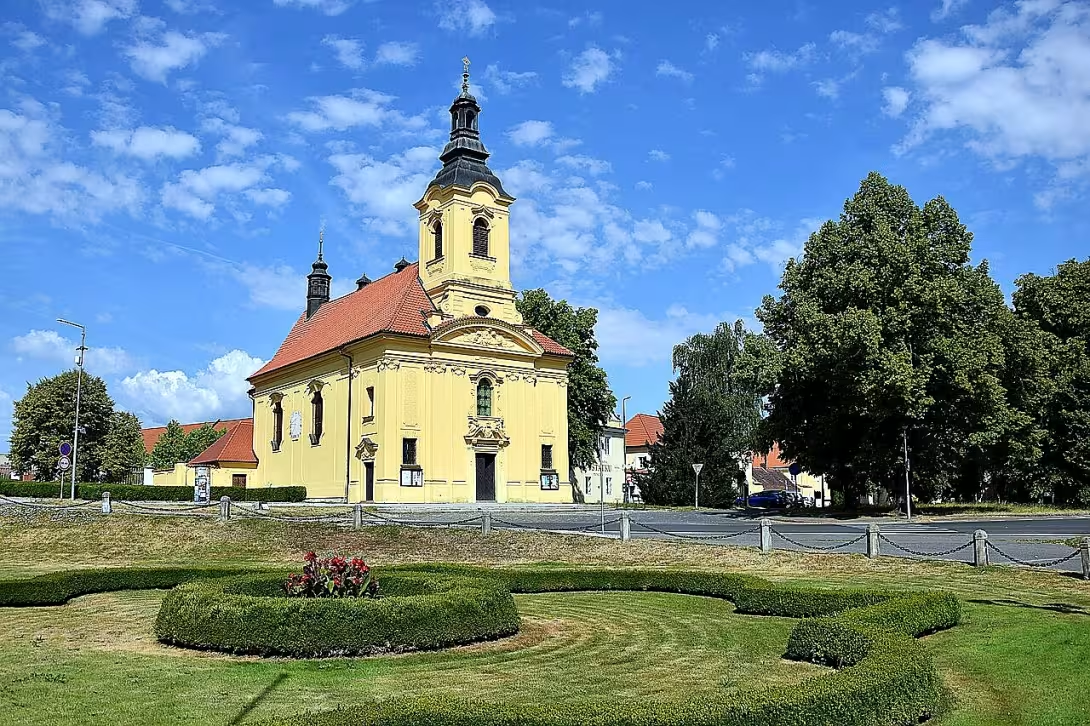
Kostel Nejsvětější Trojice in Dobříš is a renowned Roman Catholic church, celebrated for its Baroque architecture. Constructed between 1794 and 1797 on the site of an earlier Loreto chapel, it stands as a testament to cultural and religious transformations during the late 18th century under the Habsburg Monarchy. Located in Dobříš within Středočeský kraj, this historical monument is significant for both its architectural beauty and rich history, marked by several renovations that have preserved its integrity over time.
The church replaced an older Loreto chapel originally built in the 17th century by František Maxmilián hrabě Mansfeld. It served as a zámecká kaple with Santa Casa at its core. The decision to construct Kostel Nejsvětější Trojice was made by František Gundakar I. kníže z Colloredo-Mannsfeldu, who oversaw the project from 1794 to 1797. Although no documentation of its consecration on October 27, 1797, survives, this event marks a pivotal moment in the church's history.
Architecturally, Kostel Nejsvětější Trojice exemplifies Baroque style, characterized by grandeur and intricate details. The first significant restoration occurred in 1867 under priest František Badůňka, who restored the main altar with a painting by Josef Hellich depicting the Holy Trinity. At the end of the 19th century, modifications included relocating the entrance to the choir from outside the church. A comprehensive renovation in the early 20th century, led by architect Antonín Wiehl, returned the church to its original Baroque style following its elevation to a deanery on December 31, 1901.
Throughout its history, Kostel Nejsvětější Trojice has witnessed several key events and undergone numerous changes. The main altar features an image of the Holy Trinity by Josef Hellich, while academic painter Jaroslav Filip adorned the ceiling with significant religious themes. Originally equipped with three bells from 1797, only one remains after being confiscated during World War II. A new bell, Svatý Tomáš, was added in 2001 and consecrated by then-nuncio Giovanni Coppa.
Today, Kostel Nejsvětější Trojice stands as a well-preserved historical monument, having undergone exterior restoration in 2006 with plans for interior refurbishment underway. Its rich history and architectural beauty make it a worthwhile visit for those interested in exploring the cultural heritage of the Czech Republic. Visitors are invited to appreciate its artistic elements and reflect on its enduring significance within the community of Dobříš.
Then and now
Drag the slider to compare how the landmark may have looked when it was built with the view today.
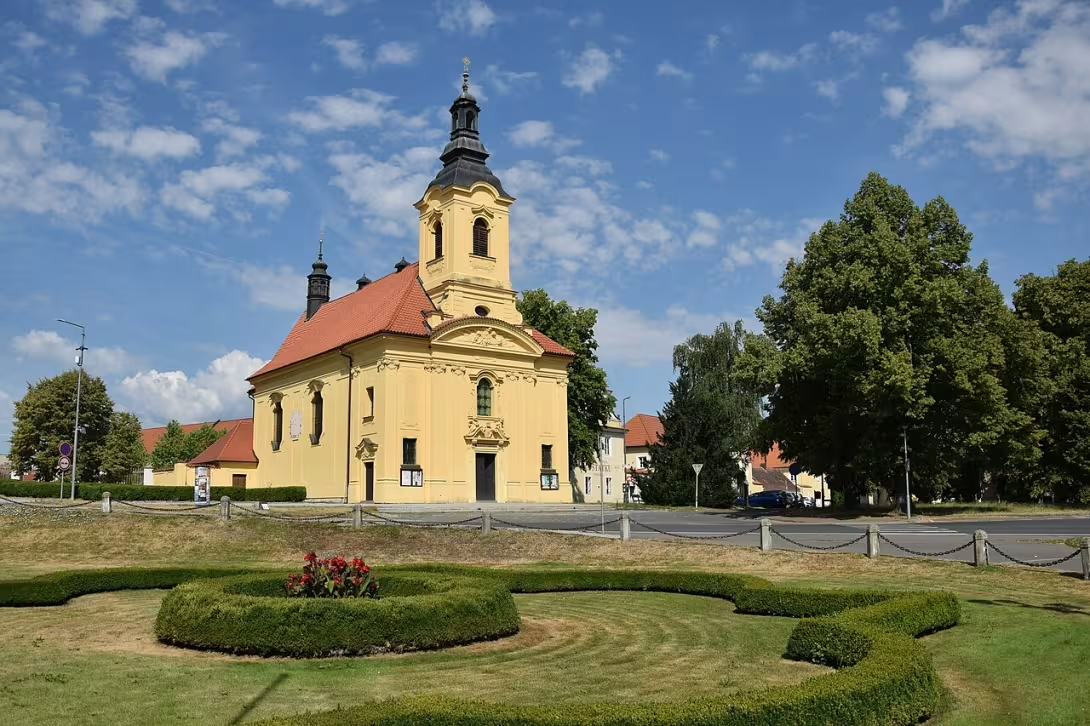
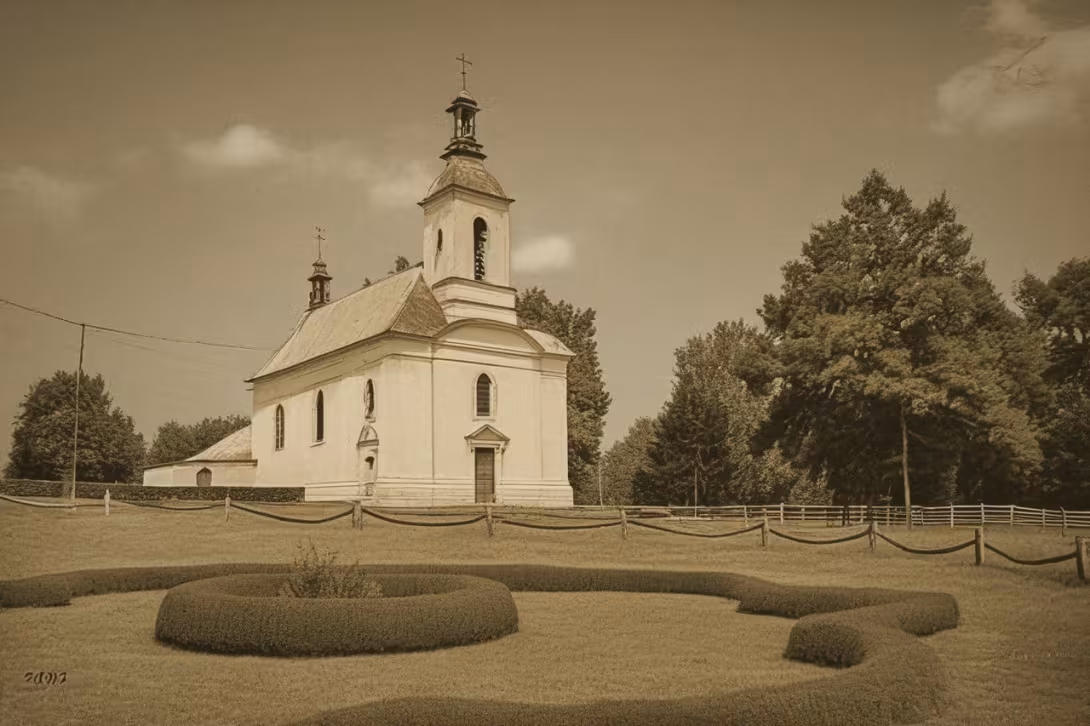
The historical appearance on the left is an AI-generated visualisation and serves as inspiration only.
Historical milestones
- 1797
- The church was consecrated.
- 1867
- First major restoration with altar refurbishment.
- 1901
- Elevation of Dobříš parish to a deanery and subsequent renovation.
- 2006
- Exterior restoration completed.
Architectural development
Originally built in the late 18th century as a Baroque church, it replaced an earlier Loreto chapel. The first significant restoration took place in 1867 under priest František Badůňka, restoring the main altar with a painting by Josef Hellich. At the end of the 19th century, several modifications were made, including relocating the entrance to the choir from outside. A comprehensive renovation in the early 20th century restored its Baroque style under architect Antonín Wiehl.
Historical events
Construction began in 1794 under František Gundakar I. kníže z Colloredo-Mannsfeldu.
The church was consecrated on October 27, 1797.
A major renovation occurred after the elevation of Dobříš parish to a deanery on December 31, 1901.
Points of interest
- The Kostel Nejsvětější Trojice was built on the site of an earlier Loreto chapel constructed in the 17th century by František Maxmilián hrabě Mansfeld, indicating a rich history of religious architecture predating its current form.
- Although no documentation survives regarding the church's consecration on October 27, 1797, this event remains pivotal, symbolizing the transition from an earlier chapel to the Baroque masterpiece it is today.
Guide
This guide is narrated by a synthetic voice generated by artificial intelligence.
Show guide text
This text was created by artificial intelligence and has not been editorially reviewed. It may contain inaccuracies.
Welcome to the Church of the Most Holy Trinity in Dobříš, an excellent example of Baroque architecture that proudly stands on this site. As you stand here and listen, take a look around and enjoy the peaceful atmosphere of this historic place. What you see before you is not just a church; it's part of living history that we invite you to explore.
Let's dive into its origins and historical context. This church was built between 1794 and 1797 on the site of an earlier Loreto chapel, which itself has a rich history. Architect Antonín Wiehl brought this Baroque temple to life, dedicated on October 27, 1797. Although no documentation survives from this ceremonial moment, the church remains in the hearts of the local community.
Now turn your attention to the architecture of this place. Look up at the façade and enjoy the elegant lines that characterize the Baroque style. Of interest is that while specific architectural details are not specified, the space draws you in with its tranquil atmosphere and historical splendor. The church has maintained its integrity through a series of renovations beginning as early as 1867 with the first major reconstruction and altar restoration.
Let's look at some key stories and figures associated with this landmark. František Gundakar I., Prince of Colloredo-Mannsfeld, and František Maxmilián Count Mansfeld were significant figures whose contributions to the history of this place are invaluable. The earlier Loreto chapel, founded in the 17th century by Count Mansfeld, represents a rich tradition of religious architecture that preceded the current church.
Now let's consider an interesting fact or mystery associated with this site. A surprising reality is that even though there is no documentation on the church's consecration, its historical significance and allure remain unquestioned. It's as if every stone block speaks of silent stories from the past.
Ready for further exploration? This church offers more than just its beautiful façades; it provides a glimpse into history and the spiritual life of many generations. Remember that each step on this ground is an opportunity to explore new aspects of its rich past.
Thank you for visiting the Church of the Most Holy Trinity. We hope this guide has inspired you to continue exploring and enjoying this historic work of art. May your journey proceed with the same fascination and curiosity that you have here in Dobříš.
Businesses nearby
Do you run a restaurant, accommodation, shop, museum, rental, wellness or other visitor service near this monument? Show yourself directly to the people heading to it — this is how they will see you in the app and on the web:
Events nearby
Zdroj akcí: otevřená data měst a obcí ČR (Národní katalog otevřených dat) a kalendář akcí Národního památkového ústavu.
Accommodation nearby
Themed route
Tematická výletní trasa: Kostel Nejsvětější Trojice (Dobříš)
1. Kostel Nejsvětější Trojice (Dobříš) - *Typ:* Náboženská památka - *Proč stojí za návštěvu:* Tento barokní kostel je nejen architektonickou perli, ale také důležitým kulturním a historickým centrem v Dobříši. Jeho bohatě zdobená interie a fascinující historie z něj činí nezbytný první cíl na vaší trase.
2. Náměstí Republiky (Dobříš) - *Typ:* Městské náměstí - *Proč stojí za návštěvu:* Toto centrální městské náměstí nabízí klidný prostor k odpočinku a prohlídce po navštívění kostela. Je to ideální místo, kde si užijete pohled na historickou architekturu města a možná se podílíte na místním trhu či akci.
3. Městské muzeum (Dobříš) - *Typ:* Muzeum - *Proč stojí za návštěvu:* Městské muzeum nabízí hlubší vhled do historie a kultury Dobříše. Jeho výstavy o regionální historii, umění a dějinách místního obyvatelstva jsou neocenitelné pro každého cestovatele zvědavého na minulost tohoto místa.
4. Památník padlým v bojích (Dobříš) - *Typ:* Památník - *Proč stojí za návštěvu:* Tento památník je vzpomínkou na oběti válek, které utrpěly zdejší obyvatelé. Jeho klidný a reflektivní prostor nabízí příležitost k pochopení historických událostí, které formovaly současnou identitu města.
5. Park u kostela Nejsvětější Trojice (Dobříš) - *Typ:* Městský park - *Proč stojí za návštěvu:* Park, který obklopuje kostel, je ideálním místem pro klidnou chvilku nebo krátké procházky. Jeho zelená příroda a mírné prostředí nabízejí únik od každodenního života a dokončují vaši tradiční návštěvu kostela Nejsvětější Trojice.
Seasonal recommendations
Spring: The Church of the Holy Trinity in Dobříš is particularly enchanting during spring, when the surrounding landscape bursts into life with colorful wildflowers and lush greenery. This season offers a gentle atmosphere as nature awakens, making it an ideal time for photography enthusiasts to capture the church's architecture against vibrant backdrops. Visitors should be prepared for occasional rain showers typical of this season; therefore, wearing layers and carrying a light waterproof jacket is advisable. Mornings are often less crowded, providing a serene experience.
Summer: Summer brings warm weather that enhances the beauty of the Church of the Holy Trinity in Dobříš, with long daylight hours allowing visitors to explore the church grounds thoroughly. This season sees an influx of tourists and locals alike, especially during the peak months, so arriving early can help avoid larger crowds. It's recommended to wear comfortable walking shoes and light clothing to stay cool under the sun. The warm evenings also offer a pleasant time for strolls around the area.
Autumn: Autumn is a spectacular time to visit the Church of the Holy Trinity in Dobříš, with stunning foliage providing an array of warm colors that beautifully complement the church's historic architecture. The cooler temperatures make it comfortable for walking and exploring without the summer heat. This season may see fewer visitors compared to summer, offering a quieter experience. Visitors should dress warmly, as evenings can be quite chilly, and consider bringing a scarf or light jacket.
Winter: Winter transforms the Church of the Holy Trinity in Dobříš into a serene and picturesque site, often blanketed with snow that adds a magical touch to its surroundings. The shorter daylight hours mean visiting earlier in the day is ideal for making the most of your time. Visitors should dress warmly in layers, including hats and gloves, as temperatures can be quite cold. It's also important to check opening times, which may vary during this season due to weather conditions or reduced staffing.
Visualizations and artistic views


The visualisations are generated by artificial intelligence and serve as inspiration.
Photos from the area
Real photos taken near the monument


Zdroj a licence jsou uvedeny u každého snímku.
Tips from visitors
No tips yet. Be the first!
Log in and add your tip.
Sources and literature
Fotografie: Petr Kinšt / CC BY-SA 4.0 — Wikimedia Commons. The author and licence also appear when you hover over the image.
Faktickým podkladem tohoto textu byl článek na Wikipedii, jehož autory jsou přispěvatelé Wikipedie. Článek je dostupný pod licencí CC BY-SA 4.0.
Location on the map

Příběhy a pověsti
Legendy, pověsti a příběhy spjaté s touto památkou
Fotografie návštěvníků
Zatím žádné fotografie. Buďte první, kdo přidá fotografii z návštěvy!
Přihlaste se a přidejte svou fotografii nebo hodnoťte.
Za ověřenou návštěvu v aplikaci získáte víc bodů — poznáme podle GPS, že jste na místě.
Reviews and comments