






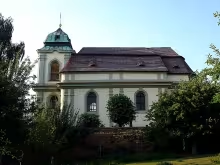
The Church of Nejsvětější Trojice in Drahobudice is a notable Baroque-style monument located in the Středočeský kraj region. First mentioned as a parish church in 1352, it stands today as a testament to architectural and cultural developments from mid-18th century Bohemia under Habsburg rule. This church replaced an older medieval structure that was demolished due to its dilapidated state, marking a significant transformation in both religious practice and community identity.
The origins of this church trace back to 1753 when Jan Jiří Hillebrand, rytíř z Brandau, commissioned the construction of a new Baroque edifice. The decision to replace the old structure was driven by its deteriorating condition, necessitating a complete rebuild. Ignác Jan Nepomuk Palliardi, an Italian architect, designed this church, which was consecrated on October 20, 1754. This period saw Bohemia embracing Baroque art and architecture, reflecting broader cultural trends within the Habsburg Monarchy.
Architecturally, the Church of Nejsvětější Trojice is characterized by its simple design with a tower situated on the western facade and a distinctive mansard roof. Initially covered with tiles directly laid over the vaulting—a method later found problematic—the church underwent significant changes in 1778 when these were replaced with lighter, more durable materials. Inside, visitors can admire a painted baldachin-style main altar and an image of the Holy Trinity, elements that highlight the Baroque influence on its artistic form.
Throughout its history, the church has seen various owners and administrators who have influenced its fortunes. Jan Jiří Hillebrand played a pivotal role in its establishment by financing the construction at his own expense. The church's bells also tell a story of resilience; before World War I, it housed four bells, but three were requisitioned during the war. Only the largest and most historically significant bell, cast by Ondřej Plaček in 1504, remains today.
Key events in the church’s history include its initial consecration in 1754 and subsequent roofing issues resolved in 1778. The early 20th century brought challenges with World War I leading to the requisition of bells and damage from a poorly maintained organ. Post-World War II saw further decline under communist rule, but restoration efforts began after 1989, culminating in significant reconstruction work that was unfortunately interrupted by a fire in 1992.
Today, the Church of Nejsvětější Trojice stands as an accessible monument reflecting both its historical significance and ongoing preservation efforts. It remains open to visitors who can explore its architectural beauty and rich history. The church’s resilience through centuries of change makes it a compelling site for those interested in Baroque architecture and the cultural heritage of Bohemia.
The Church of Nejsvětější Trojice is not only an architectural marvel but also a symbol of historical endurance, inviting visitors to explore its storied past and appreciate its place within the broader tapestry of European history.
Historical milestones
- 1352
- First mentioned as a parish church.
- 1753
- Construction of the new Baroque church commissioned by Jan Jiří Hillebrand.
- 1754
- Church consecrated on October 20, 1754.
- 1778
- Roofing materials replaced due to issues with original tiles.
- 1914
- Three of the church's bells requisitioned during World War I.
- 1992
- Restoration efforts interrupted by a fire.
Architectural development
Originally built in a baroque style by Ignác Jan Nepomuk Palliardi, the church underwent significant changes over time. The initial roofing made of tiles proved problematic and was replaced in 1778 with a lighter version. Post-World War I saw further modifications, including new bells and organ installations.
Historical events
- 1753
- The old church was demolished and replaced with the current baroque structure.
- 1754
- The church was consecrated on October 20, 1754.
- 1778
- A new roof was installed due to issues with the original tile roofing.
Points of interest
- The Church of Nejsvětější Trojice replaced an older medieval structure that was demolished due to its deteriorating condition, highlighting a significant shift in architectural practices and community identity during the mid-18th century.
- Ignác Jan Nepomuk Palliardi, an Italian architect, designed the church, reflecting Bohemia's adoption of Baroque art and architecture under Habsburg influence, which was part of broader cultural trends within the Monarchy.
Guide
Show guide text
Welcome to the Church of Nejsvětější Trojice in Drahobudice, a testament to the enduring spirit and architectural evolution of this charming village. As you stand before its baroque façade, let your gaze sweep across the elegant lines that define its structure. Built in 1753, this church replaced an older medieval edifice, marking a significant shift not only in style but also in the community's identity during the mid-18th century.
The story of this sacred site begins in 1352 when it was first mentioned as a parish church. However, it wasn't until 1753 that Jan Jiří Hillebrand, a knight from Brandau, commissioned the construction of what stands before you today—a baroque masterpiece designed by Ignác Jan Nepomuk Palliardi, an esteemed Italian architect. This new structure was consecrated just a year later, on October 20, 1754, symbolizing a fresh chapter in Drahobudice's spiritual and architectural history.
As we delve into the architecture that surrounds you, take a moment to appreciate the simple yet striking design of this church. Its western façade is crowned by a tower, while the mansard roof adds a touch of elegance to its silhouette against the sky. Inside, your eyes might be drawn to the painted baldachin-style main altar and an image of the Holy Trinity—each element carefully crafted to inspire awe and devotion.
The church's history is peppered with notable events and figures that have shaped its legacy. In 1778, it underwent a significant restoration when roofing materials were replaced due to issues with the original tiles—a testament to the community's dedication to preserving this sacred space. The onset of World War I saw three of the church's bells requisitioned, echoing the far-reaching impact of global events on local sanctuaries. And in 1992, a fire interrupted restoration efforts, reminding us of the fragility and resilience inherent in maintaining our cultural heritage.
Among the many layers of history that envelop this site, one intriguing aspect is its architectural evolution—from a medieval structure to a baroque jewel—highlighting a pivotal moment when Drahobudice embraced change while honoring its past. This transition not only reflects shifts in architectural practices but also mirrors broader societal transformations during the period.
As our journey through the Church of Nejsvětější Trojice comes to an end, I invite you to linger a little longer, to explore every corner and crevice of this remarkable building. Let its stories envelop you, and may they inspire you to delve deeper into the rich tapestry of history that Drahobudice offers. Thank you for joining me on this exploration, and I hope it has been as enlightening for you as it is cherished by those who call this place home.
Tips for visitors
The best time to visit the Church of Nejsvětější Trojice in Drahobudice is during late spring or early autumn when the weather is pleasant and the crowds are fewer, allowing for a more serene experience. The natural light during these seasons enhances the baroque architecture's intricate details, making it an ideal time for photography enthusiasts.
Parking near the church can be limited, so visitors might consider using public transportation as a convenient alternative. While specific bus or tram lines are not listed here, checking a local transport app or website will provide current options. If driving is preferred, nearby towns may offer parking facilities, though it's advisable to plan for a short walk.
When visiting the church, it’s recommended to bring comfortable walking shoes and weather-appropriate clothing, as you might explore the surrounding area of Drahobudice. A camera or smartphone with a good camera is also suggested to capture the stunning baroque details of the church. Additionally, carrying water and snacks can enhance your visit if there are no immediate facilities nearby.
For photography enthusiasts, the interior of the Church of Nejsvětější Trojice offers excellent opportunities for capturing its baroque elements in soft natural light, especially during morning or late afternoon hours when sunlight filters through stained glass windows. The exterior also provides picturesque views, particularly at sunset when the lighting accentuates the church’s architectural features.
Families with children can enjoy a day out exploring Drahobudice and its surroundings. While there are no specific family attractions mentioned within 30 minutes of the church, the area offers scenic landscapes perfect for leisurely walks or picnics in nature. Engaging children with stories about the history of the church and its architectural style can make the visit both educational and enjoyable.
In terms of nearby attractions within a 30-minute drive from Drahobudice, visitors might explore other historical sites or natural landscapes that offer a glimpse into the region's rich cultural heritage. While specific places are not listed here, local tourism offices often provide maps and guides to help plan such excursions.
Businesses nearby
Do you run a restaurant, accommodation, shop, museum, rental, wellness or other visitor service near this monument? Show yourself directly to the people heading to it — this is how they will see you in the app and on the web:
Accommodation nearby
Trips and activities nearby
Guided tours, tickets and activities nearby from GetYourGuide
Search tours and activities →Themed route
Thematic Walking Tour: Drahobudice
1. Kostel Nejsvětější Trojice (Drahobudice) - Church Begin your journey at the Kostel Nejsvětější Trojice, a stunning example of Baroque architecture located in the heart of Drahobudice. This church is renowned for its intricate design and historical significance, making it a must-visit for anyone interested in religious history and architectural beauty.
2. Nádvoří kostela (Church Courtyard) After exploring the interior of the Kostel Nejsvětější Trojice, take a moment to stroll through its serene courtyard. The nádvoří offers a peaceful setting where visitors can appreciate the church's surroundings and reflect on its historical context within the community.
3. Místní památky (Local Monuments) Within walking distance from the church, discover local monuments that tell stories of Drahobudice’s past. These sites provide insights into the cultural heritage of the area, offering a glimpse into the lives and traditions of those who have called this place home over the centuries.
4. Historické domy (Historic Houses) Explore nearby historic houses that showcase traditional architecture and craftsmanship. These buildings are integral to understanding the development of Drahobudice as they reflect the architectural styles and living conditions from different eras in the town's history.
5. Místní tržiště (Local Market Square) Conclude your tour at the local market square, a vibrant hub where you can experience the community life of Drahobudice. The square often hosts markets and events that highlight local produce and crafts, providing an authentic taste of regional culture.
This thematic walking tour offers a comprehensive exploration of Drahobudice’s rich history and cultural heritage, all within easy reach from its central landmark, the Kostel Nejsvětější Trojice.
Seasonal recommendations
Spring: As spring breathes new life into Drahobudice, the Church of the Holy Trinity is enveloped in a delicate tapestry of blooming flowers and fresh greenery, creating an enchanting atmosphere ideal for photography. The gentle sunlight accentuates the intricate details of the church's architecture, casting soft shadows that add depth to its historic façade. Visitors should consider arriving early to enjoy the tranquility before larger crowds gather later in the day. Light layers are advisable due to fluctuating temperatures and occasional spring showers; carrying an umbrella or raincoat is a practical choice.
Summer: Summer offers vibrant days perfect for exploring the Church of the Holy Trinity, with its surroundings lush and verdant, providing a picturesque backdrop. The longer daylight hours allow visitors ample time to appreciate both the church's interior and exterior. This period often sees increased visitor numbers, especially during peak tourist seasons, so planning your visit in the early morning or late afternoon can help avoid crowds. Comfortable walking shoes and light clothing are recommended to navigate the terrain comfortably under the sun.
Autumn: Autumn transforms Drahobudice into a kaleidoscope of warm hues, with golden leaves framing the Church of the Holy Trinity in an ethereal glow. The cooler weather brings a serene atmosphere, ideal for leisurely strolls around the church and its surroundings. As visitors may find themselves sharing this tranquil setting with fewer tourists, it's a perfect time to explore at a relaxed pace. Layered clothing is advisable to accommodate the chillier temperatures, and carrying a light jacket can provide comfort as the day progresses.
Winter: Winter cloaks Drahobudice in a quiet, frosty charm, with snow-dusted landscapes offering a unique perspective of the Church of the Holy Trinity. The church may appear more intimate during this time due to shorter visiting hours and fewer visitors, creating an opportunity for reflection amidst the serene winter setting. However, it's important to dress warmly in layers and wear sturdy boots to navigate potentially icy paths. Checking opening times is advisable as they can vary with the season, ensuring a smooth visit.
Visualizations and artistic views

Vizualizace jsou generovány umělou inteligencí a slouží jako inspirace.
Tips from visitors
No tips yet. Be the first!
Log in and add your tip.


Reviews and comments