






Kostel Všech svatých (Polipsy) Church
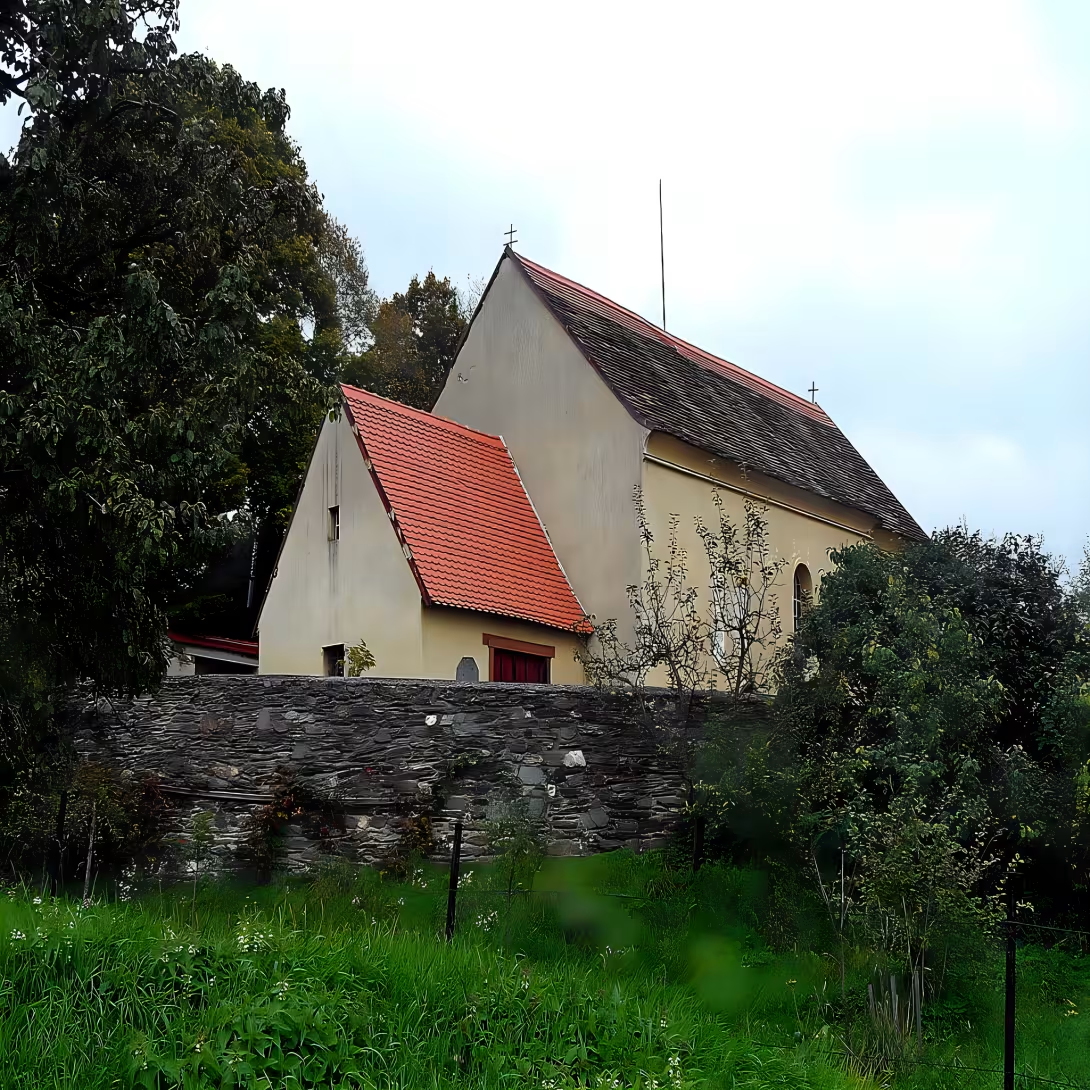
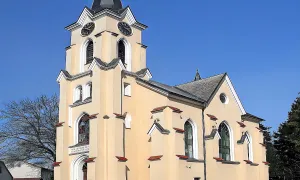
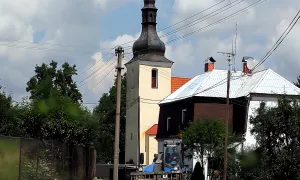
The All Saints Church in Polipsy is a small, historically significant church located in the village of Polipsy, in the Čestín district, Central Bohemian Region. The church has been rebuilt multiple times after fires, with its current form dating back to 1874, when it was restored with the support of Emperor Ferdinand and local residents. Its preservation as a cultural monument since 1958 highlights its importance within the local community.
The church's history dates back to the 14th century, when it was a parish church in the Štěpánov vikariát. After the Hussite Wars, it is likely that the church was abandoned and became a filial church. It was later affiliated with the Čestín parish and, from 1623, with the Kácov parish. The original tower with bells stood on the eastern side, but it was destroyed by fire in 1725, and its three bells were melted down. The church was damaged by fire again in 1763 and 1787.
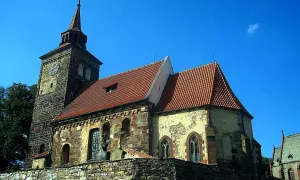
The church's architecture is a testament to its rich history. The original Gothic core dates back to the 13th century, with all three medieval roof gables still intact. The current form of the church is the result of a rebuild after the last fire in 1874, carried out in simple, yet historically rich, forms. The original Gothic core can be seen in the presbytery, which features a Gothic core and an irregular vaulted ceiling with groins. The church also features a baroque-style victorious arch and semicircular windows.
The church's ownership and administration have undergone significant changes throughout its history. Originally a parish church in the Štěpánov vikariát, it was likely abandoned after the Hussite Wars and became a filial church. It was later affiliated with the Čestín parish and, from 1623, with the Kácov parish. The church's current state is a result of a rebuild after the last fire in 1874, with the support of Emperor Ferdinand and local residents.
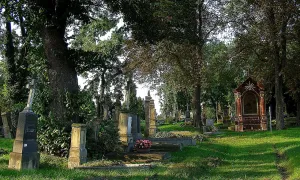
The church has a few notable features, including two bells in the bell tower north of the church. The larger bell, dated to 1755, was recast in 1861 by Karel Bellmann in Prague. The smaller bell bears the inscription "Ego Vox Claman(T)is in Deserto, Parate Viam Domini, Aequate Iter Ei." The church, its surrounding cemetery, and bell tower have been protected as a cultural monument since 1958.
Today, the All Saints Church in Polipsy is a significant cultural monument, worth visiting for its historical significance and architectural interest. Located in the village of Polipsy, in the Čestín district, Central Bohemian Region, visitors can explore the church and its surroundings, including the bell tower and the cemetery. The church's preservation as a cultural monument highlights its importance within the local community, and its current state is a testament to the community's resilience and dedication to preserving its history.
Then and now
Drag the slider to compare how the landmark may have looked when it was built with the view today.
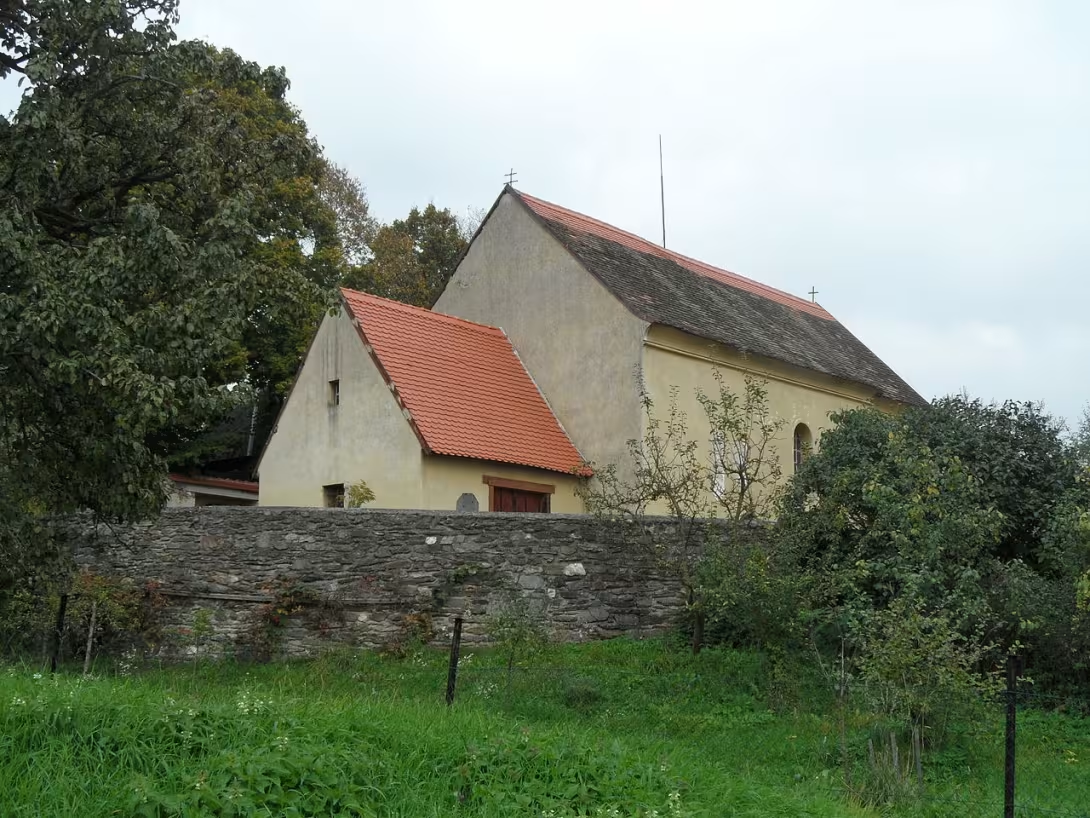
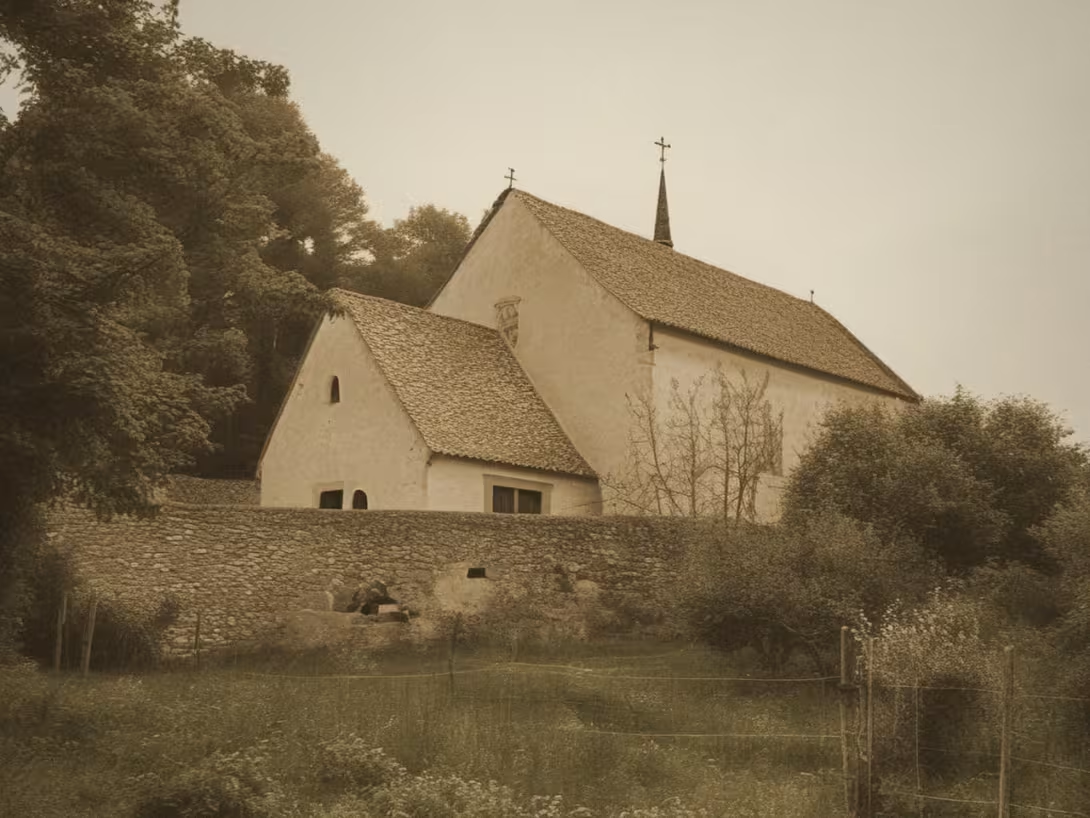
The historical appearance on the left is an AI-generated visualisation and serves as inspiration only.
Historical milestones
- 1355
- Mentioned in connection with the death of the local priest Albert.
- 1395
- The priest Rynart is mentioned.
- 1402
- The priest Jan is mentioned.
- 1725
- The church's original tower was destroyed by fire, and its three bells were melted down.
- 1763
- The church was damaged by fire.
- 1787
- The church was damaged by fire.
- 1874
- The church was rebuilt after a fire, with the support of Emperor Ferdinand and local residents.
Architectural development
The church's original Gothic core dates back to the 13th century. The church's current form is the result of a rebuild after the last fire in 1874. The rebuild was carried out in simple, yet historically rich, forms.
Historical events
1355: The church is mentioned in connection with the death of the local priest Albert.
1395: The priest Rynart is mentioned.
1402: The priest Jan is mentioned.
1725: The church's original tower was destroyed by fire, and its three bells were melted down.
1763: The church was damaged by fire.
1787: The church was damaged by fire.
1874: The church was rebuilt after a fire, with the support of Emperor Ferdinand and local residents.
Owners
The church was originally a parish church in the Štěpánov vikariát, but after the Hussite Wars, it was likely abandoned and became a filial church. It was later affiliated with the Čestín parish and, from 1623, with the Kácov parish.
Points of interest
– The church's original Gothic core dates back to the 13th century, with all three medieval roof gables still intact.
– The church features a baroque-style victorious arch and semicircular windows, which are a testament to its rich history.
– The larger bell, dated to 1755, was recast in 1861 by Karel Bellmann in Prague, and bears an inscription that translates to "I, the voice crying out in the desert, prepare the way of the Lord, make straight his paths."
Guide
This guide is narrated by a synthetic voice generated by artificial intelligence.
Show guide text
This text was created by artificial intelligence and has not been editorially reviewed. It may contain inaccuracies.
Welcome to the All Saints Church in Polipsy, a remarkable testament to both history and resilience. As you stand here, take a moment to absorb the serene yet commanding presence of this single-nave building with its rectangular presbytery and western entrance. The church's simple form belies the rich tapestry of stories it holds within its walls.
The origins of this sacred site trace back to the 13th century, embodying an enduring Gothic core that has stood the test of time. Over the centuries, Polipsy’s community faced numerous challenges, including devastating fires in 1725, 1763, and again in 1787. Each event marked a period of rebuilding and renewal, allowing this church to evolve while preserving its historical essence.
As you look around, notice the baroque-style victorious arch and semicircular windows that punctuate the structure's façade. These architectural elements speak volumes about the church’s journey through time, reflecting both the Gothic origins and later stylistic influences that have left their mark on this cultural monument.
Throughout history, several key figures have been associated with this place of worship. In 1355, it was mentioned in connection with the death of local priest Albert. Later records from 1395 mention Priest Rynart, followed by Priest Jan in 1402. These individuals played vital roles in the spiritual and communal life of Polipsy.
A particularly intriguing aspect of this church is its larger bell, originally cast in 1755 and recast in 1861 by K. This bell has chimed through centuries of change, echoing both joyous celebrations and solemn remembrances within the community.
As you continue to explore, let yourself be drawn into the narrative woven into every stone and timber here. The All Saints Church is more than just a building; it's a living chronicle of resilience and faith that has stood firm through adversity.
We invite you to delve deeper into this historical gem, perhaps wandering around its perimeter or reflecting on its significance within Středočeský kraj. Thank you for joining us today, and may your visit inspire both curiosity and reverence for the stories etched in time here at Polipsy’s All Saints Church.
Tips for visitors
The best time to visit the All Saints Church in Polipsy is during late spring or early autumn, when the weather is mild and pleasant for exploring outdoor sites. These seasons offer beautiful natural lighting that enhances the historical architecture of the church without the crowds typically found during summer holidays. Additionally, visiting on a weekday can provide a more serene experience, allowing you to appreciate the church's tranquil atmosphere.
For those preferring public transportation, local buses serve the area, though it’s advisable to check current schedules online or at nearby transit hubs. The church's location within a small community ensures that you can reach it without extensive travel from major transport points.
When visiting the All Saints Church, consider bringing comfortable walking shoes as there may be some uneven paths around the site. A camera is recommended for capturing the unique architectural details and serene surroundings of the church. If you plan to stay longer or explore nearby areas, a light jacket might be useful due to variable weather conditions in Central Bohemia.
Photography enthusiasts will find several spots around the All Saints Church ideal for capturing its historical essence, especially during golden hour when the sunlight softly illuminates the structure. The front facade and surrounding landscape provide excellent opportunities for both wide-angle shots and detailed close-ups of architectural features. Be mindful of lighting conditions to best capture the church's character.
For families with children, a visit to the All Saints Church can be educational and enjoyable. While exploring the church itself, consider discussing its history and significance with your children. Nearby, within a 30-minute drive or walk, you can find natural landscapes perfect for a family picnic or a leisurely stroll. These areas offer a chance to relax and enjoy the outdoors after visiting the historical site.
Frequently asked questions
Can the monument be visited?
Religious buildings are usually open mainly during services; at other times a visit is normally arranged with the parish or the operator. We have not verified specific times.
Where is the monument?
Location: Polipsy, Středočeský kraj. The map on this page shows the exact spot.
Why is the monument protected?
It is listed in the Central List of Cultural Monuments of the Czech Republic as a cultural monument (register no. 16375/2-979).
Businesses nearby
Do you run a restaurant, accommodation, shop, museum, rental, wellness or other visitor service near this monument? Show yourself directly to the people heading to it — this is how they will see you in the app and on the web:
Nearby
The church is located in the village of Polipsy, in the Čestín district, in the Central Bohemian Region.
Accommodation nearby
Trips and activities nearby
Guided tours, tickets and activities nearby from GetYourGuide
Affiliate link: if you buy from the partner, we may receive a commission. The price for you does not change.
Search tours and activities →Themed route
Thematic Tour Itinerary: Polipsy and the Church of All Saints
1. Church of All Saints (Polipsy) - Type: Historical Religious Site - Why Visit: This charming church is a centerpiece of the village of Polipsy, offering visitors a glimpse into the region's rich religious history. Its architectural beauty and serene atmosphere make it an ideal starting point for exploring local heritage.
2. Village Center of Polipsy - Type: Cultural and Historical Area - Why Visit: After visiting the church, take a leisurely stroll through the village center of Polipsy. This area showcases traditional Czech architecture and provides insight into the daily life and history of this quaint community.
3. Local Farmsteads in Polipsy - Type: Agricultural Heritage Sites - Why Visit: Explore nearby farmsteads to learn about the agricultural traditions that have shaped the local landscape for centuries. These sites offer a unique perspective on rural life in Central Bohemia and highlight the importance of farming in the region's economy.
This itinerary provides a comprehensive exploration of Polipsy, focusing on its historical and cultural significance while offering a peaceful retreat into village life.
Seasonal recommendations
Spring: Visiting the Church of All Saints during spring offers a rejuvenating experience as nature awakens around Polipsy. The landscape is adorned with vibrant wildflowers and fresh greenery, creating a picturesque setting that enhances the charm of this historical site. As daylight extends into the evening, visitors can enjoy natural lighting that beautifully illuminates the church’s architecture. This season tends to attract moderate crowds, making it an ideal time for those seeking a peaceful exploration. It is advisable to wear comfortable layers as temperatures can vary, and early mornings or late afternoons are perfect for enjoying the site with fewer people.
Summer: Summer at the Church of All Saints in Polipsy provides a lively atmosphere with long daylight hours that allow visitors to fully appreciate the historical details of the church. The surrounding nature is lush and vibrant, offering an idyllic backdrop for photographs or leisurely walks. This season often sees increased visitor numbers due to its popularity among tourists exploring Středočeský kraj. To avoid crowds, it's best to visit early in the morning or later in the afternoon. Comfortable walking shoes and light clothing are recommended, along with sun protection such as hats and sunscreen.
Autumn: Autumn brings a stunning display of colors to the Church of All Saints, with warm hues of reds, oranges, and yellows painting the landscape around Polipsy. The cooler temperatures create a cozy atmosphere, perfect for enjoying the serene beauty of the church amidst the changing foliage. This season typically sees fewer visitors compared to summer, providing a more tranquil experience. It's advisable to wear layers that can be adjusted with the fluctuating weather, and carrying an umbrella or raincoat is wise due to occasional autumn showers.
Winter: The Church of All Saints in winter offers a unique charm as snow blankets Polipsy, transforming the landscape into a picturesque scene reminiscent of a postcard. Winter's shorter days mean that natural lighting can be scarce, but artificial illumination inside the church adds to its mystical ambiance. Visitors should dress warmly in layers and wear sturdy footwear for walking on potentially icy paths. This time of year typically attracts fewer tourists, allowing for a more intimate experience with the historic site.
Visualizations and artistic views


The visualisations are generated by artificial intelligence and serve as inspiration.
Photos from the area
Real photos taken near the monument


Zdroj a licence jsou uvedeny u každého snímku.
Tips from visitors
No tips yet. Be the first!
Log in and add your tip.
Sources and literature
Photos: Stribrohorak / CC BY-SA 3.0, rozlišení zvýšeno umělou inteligencí — Wikimedia Commons. The author and licence also appear when you hover over the image.
Faktickým podkladem tohoto textu byl článek na Wikipedii, jehož autory jsou přispěvatelé Wikipedie. Článek je dostupný pod licencí CC BY-SA 4.0.
Location on the map
Příběhy a pověsti
Legendy, pověsti a příběhy spjaté s touto památkou

Příběh: Kostel Všech svatých (Polipsy)
Bylo to v pondělí ráno, kdy Jindřich zjistil, že jeho cesta do Kutné Hory byla nemožná. Vrcholy hor kolem Polipsů pokryly úzkými prouhy mlhou a všechny silni…
Číst příběh
Pověst: Kostel Všech svatých (Polipsy)
Podle místní pověsti zemřel farář Albert v Polipsech roku 1355 za okolností, o nichž se raději mluvilo jen potichu, za zavřenými vraty statků a u dobře uhaše…
Číst příběhFotografie návštěvníků
Zatím žádné fotografie. Buďte první, kdo přidá fotografii z návštěvy!
Log in a přidejte svou fotografii nebo hodnoťte.
Za ověřenou návštěvu v aplikaci získáte víc bodů — poznáme podle GPS, že jste na místě.
Reviews and comments