



kostel Nejsvětější Trojice (Horní Jelení) Church
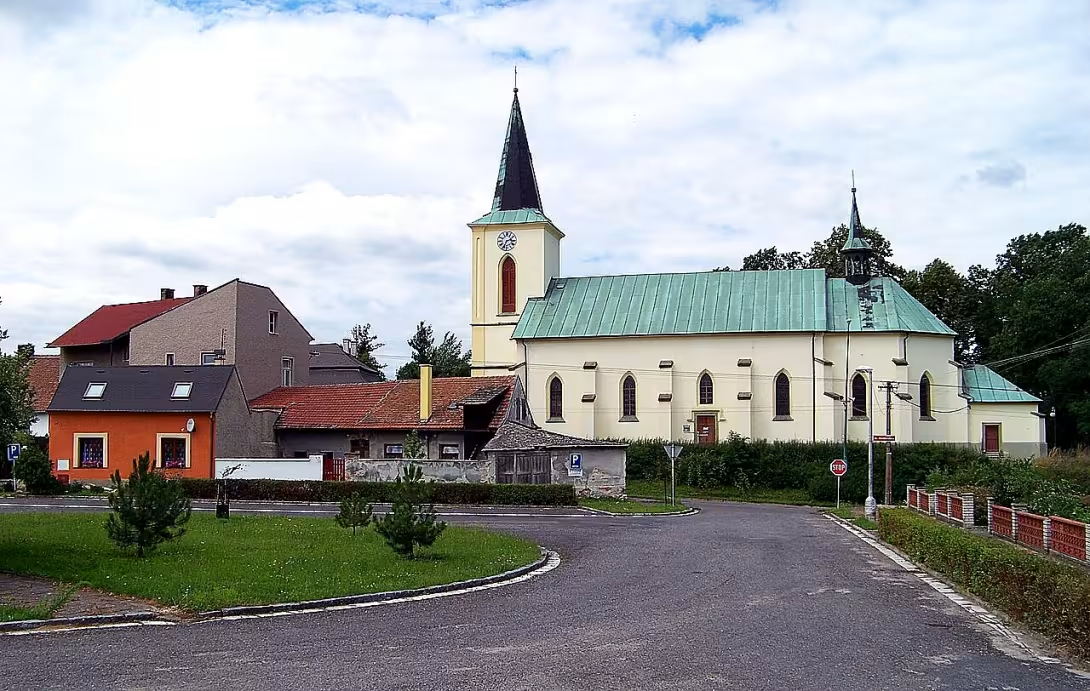
The Church of the Holy Trinity in Horní Jelení is a significant Roman Catholic church on the town center's eastern side. Originally built at the turn of the 17th century, it underwent major renovations between 1850 and 1866, adopting its current neo-Gothic style. This church is notable for both its architectural evolution and historical significance as a family burial site for the Bubnů z Litic, registered as a cultural monument before 1988.
Constructed at the beginning of the 17th century during significant religious and political changes in Bohemia, the Church reflects these broader dynamics, especially the Counter-Reformation's influence on church architecture and community life. Heřman Varlich z Bubna, who owned surrounding estates, commissioned the original structure between 1600 and 1602 as a single-nave church with a wooden bell tower. After his death in 1602, he was buried in the church’s crypt, which later became one of the family's burial sites.
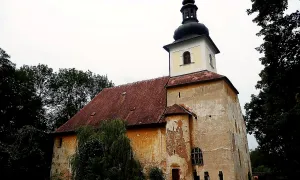
Architecturally, the Church began as a simple single-nave building. Its transformation into neo-Gothic style occurred between 1850 and 1866, resulting in significant structural changes, including the addition of a central tower with a belfry and spire. This renovation enhanced its aesthetic appeal and aligned it with contemporary architectural trends. Inside, visitors can find a baroque wooden altar at the rear part of the interior, adding to the church's historical and artistic value.
Throughout its history, the Church has seen various changes in ownership and administration. Initially commissioned by Heřman Varlich z Bubna, it later became associated with his family as a burial site. The local Roman Catholic parish managed the church, overseeing its maintenance and cultural significance. In 1698, a wooden parish house was added to the complex, replaced by a stone structure in 1823, reflecting ongoing developments and investments in the church's infrastructure.
Several key events have marked the history of this monument. The original construction phase from 1600 to 1602 laid the foundation for what would become an enduring religious site. In 1698, the addition of the wooden parish house signified further development, while its replacement by a stone structure in 1823 indicated continued investment and care. The most transformative period was between 1850 and 1866 when the church underwent extensive renovations to adopt the neo-Gothic style, culminating in its completion in 1866.
Today, the Church of the Holy Trinity remains an accessible site for visitors interested in exploring its rich history and architectural beauty. As a registered cultural monument, it offers insights into the religious and social dynamics of past centuries while showcasing the artistic evolution from its original construction to its neo-Gothic transformation. Its central location within Horní Jelení makes it an inviting destination for those keen on experiencing a blend of historical significance and architectural splendor.
The Church of the Holy Trinity in Horní Jelení is more than just a place of worship; it is a testament to the region's cultural heritage and architectural evolution. Visitors are encouraged to explore this remarkable monument, which stands as a symbol of both historical continuity and artistic transformation.
Historical milestones
- 1602
- Heřman Varlich z Bubna died and was buried in the church's crypt.
- 1866
- Completion of the neo-Gothic reconstruction.
Architectural development
The Church of the Holy Trinity began as a simple single-nave building at the start of the 17th century. It was significantly rebuilt between 1850 and 1866 into its current neo-Gothic style, featuring a central tower with a belfry and spire.
Historical events
1600–1602: Original construction as a single-nave church with a wooden bell tower.
1698: Addition of a wooden parish house, later replaced by a stone structure in 1823.
Points of interest
- The Church of the Holy Trinity was originally constructed during a period of significant religious and political upheaval in Bohemia, reflecting the Counter-Reformation's impact on church architecture. - Heřman Varlich z Bubna commissioned the original structure between 1600 and 1602 as a single-nave church with a wooden bell tower, which later became one of his family’s burial sites.
- The church underwent a major transformation from its simple initial design to a neo-Gothic style during renovations between 1850 and 1866, including the addition of a central tower with a belfry and spire.
- In 1698, a wooden parish house was added to the complex, which was later replaced by a stone structure in 1823, indicating ongoing investments in the church's infrastructure over time.
- The Church of the Holy Trinity is notable not only for its architectural evolution but also as a cultural monument and family burial site for the Bubnů z Litic, highlighting its historical significance before being officially registered in 1988.
Guide
This guide is narrated by a synthetic voice generated by artificial intelligence.
Show guide text
This text was created by artificial intelligence and has not been editorially reviewed. It may contain inaccuracies.
Welcome to the Church of the Holy Trinity in Horní Jelení, a stunning testament to history and faith nestled on the eastern side of this charming town center. As you stand here, take a moment to absorb the sight before you—a majestic structure that has withstood the test of time, its central tower reaching skyward. The church's neo-Gothic style, achieved through significant renovations between 1850 and 1866, gives it an air of grandeur and mystery.
The origins of this sacred site date back to a period marked by religious and political upheaval in Bohemia. Constructed at the turn of the 17th century, its creation was deeply influenced by the Counter-Reformation's impact on church architecture—a movement that sought to reaffirm Catholic doctrine and artistry during times of Protestant challenge.
As you explore further, notice how the neo-Gothic elements have transformed this space into a visual symphony. The central tower with its belfry and spire commands attention, dominating the skyline and inviting you to look up in awe. Inside, the church offers an atmosphere steeped in history; though specific interior details aren't outlined here, imagine the hushed reverence that fills such a storied space.
A key historical figure associated with this site is Heřman Varlich z Bubna, who commissioned the original structure between 1600 and 1602. His final resting place lies beneath your feet in the church's crypt—a poignant reminder of the personal stories interwoven into its stones.
One intriguing aspect of this church is how it mirrors the broader historical narrative of Bohemia during a time when art and architecture were used as expressions of faith and power. The decision to rebuild in neo-Gothic style centuries later speaks volumes about the enduring cultural significance of such buildings.
As you continue your visit, I invite you to explore every corner, reflect on the rich tapestry of history that surrounds you, and perhaps even discover a personal connection to this remarkable place. Thank you for joining me today at the Church of the Holy Trinity in Horní Jelení. May your journey here be both enlightening and inspiring.
Frequently asked questions
Can the monument be visited?
Religious buildings are usually open mainly during services; at other times a visit is normally arranged with the parish or the operator. We have not verified specific times.
Where is the monument?
Location: Horní Jelení, Pardubický kraj. The map on this page shows the exact spot.
Why is the monument protected?
It is listed in the Central List of Cultural Monuments of the Czech Republic as a cultural monument (register no. 37542/6-5199).
Businesses nearby
Do you run a restaurant, accommodation, shop, museum, rental, wellness or other visitor service near this monument? Show yourself directly to the people heading to it — this is how they will see you in the app and on the web:
Accommodation nearby
Themed route
Tematická výletní trasa: Kostel Nejsvětější Trojice a okolí
1. Kostel Nejsvětější Trojice (Horní Jelení)
Typ: Náboženská památka
Proč stojí za návštěvu: Tento barokní kostel je hlavním duchovním centrem obce Horní Jelení. Jeho architektura a historický význam přitahují návštěvníky, kteří se zajímají o bohatou kulturní minulost Pardubického kraje.
2. Nádvoří kostela Nejsvětější Trojice
Typ: Historický areál
Proč stojí za návštěvu: Nádvoří nabízí klidnou atmosféru pro relaxaci a reflektování. Je to ideální místo k procházce po kostelním obvodu, kde si můžete užít panoramatický pohled na okolní krajinu.
3. Kaplička v Horním Jelení
Typ: Malá náboženská stavba
Proč stojí za návštěvu: Kaplička je mírným odstupem od hlavního kostela a nabízí jedinečný pohled na místní architekturu. Je to ideální místo pro klidné okamžiky nebo krátkou modlitbu.
4. Místní pamětní deska
Typ: Historické památkové odkazování
Proč stojí za návštěvu: Pamětní deska slouží jako připomínka významných historických událostí nebo osobností spojených s obcí. Je to skvělý způsob, jak se dozvědět více o místním dějinách a kultuře.
5. Zastavěná část Horního Jelení
Typ: Kulturní procházka
Proč stojí za návštěvu: Procházka po ulicích obce nabídne pohled na tradiční domy a architekturu, které odrážejí historický vývoj regionu. Je to ideální způsob, jak cítit atmosféru místního života.
Tato trasa nabízí komplexní pohled na kulturní a duchovní bohatství Horního Jelení, přičemž všechny body jsou umístěny v blízkosti hlavní památky.
Seasonal recommendations
Spring: Visiting the Church of the Holy Trinity during spring offers a unique experience as nature awakens around Horní Jelení. The surrounding landscape bursts into life with blooming wildflowers and lush greenery, creating an enchanting atmosphere that complements the historic architecture. Soft morning light filters through the church's stained glass windows, casting vibrant hues across its interior. This is an ideal time to explore without large crowds, making it a peaceful respite. Visitors should wear comfortable walking shoes for exploring nearby paths and bring a light jacket in case of cooler temperatures.
Summer: Summer brings vibrant energy to the Church of the Holy Trinity with extended daylight hours enhancing the natural beauty surrounding Horní Jelení. The lush greenery and warm sunlight create an inviting atmosphere, perfect for outdoor photography or simply enjoying the serene environment. This is peak visiting season, so expect larger crowds, particularly on weekends. Arrive early in the morning to avoid the midday rush and ensure a more tranquil experience. Wear light, breathable clothing and don't forget sunscreen, as the sun can be quite strong.
Autumn: Autumn transforms the Church of the Holy Trinity into a picturesque setting with its warm hues of reds, oranges, and yellows. The crisp air and changing leaves create a magical atmosphere that enhances the historical charm of the church. This is an excellent time for photography enthusiasts to capture stunning landscapes. As temperatures begin to drop, it's advisable to wear layers and bring a light jacket or sweater. Weekdays are generally less crowded than weekends, offering a more relaxed visit.
Winter: Winter cloaks the Church of the Holy Trinity in a serene blanket of snow, creating a peaceful and almost mystical atmosphere. The church’s architecture stands out beautifully against the snowy landscape, making it an enchanting destination for those seeking tranquility during the colder months. However, be prepared for shorter visiting hours due to inclement weather conditions. Dress warmly with layers, including a heavy coat, hat, gloves, and waterproof boots to ensure comfort while exploring. The quieter season means fewer visitors, allowing for a more intimate experience of this historic site.
Visualizations and artistic views

The visualisations are generated by artificial intelligence and serve as inspiration.
Photos from the area
Real photos taken near the monument


Zdroj a licence jsou uvedeny u každého snímku.
Tips from visitors
No tips yet. Be the first!
Log in and add your tip.
Sources and literature
Photos: ŠJů (cs:ŠJů) / CC BY-SA 3.0 — Wikimedia Commons. The author and licence also appear when you hover over the image.
Faktickým podkladem tohoto textu byl článek na Wikipedii, jehož autory jsou přispěvatelé Wikipedie. Článek je dostupný pod licencí CC BY-SA 4.0.
Location on the map
More monuments – Horní Jelení
Show all in the municipality
Příběhy a pověsti
Legendy, pověsti a příběhy spjaté s touto památkou
Fotografie návštěvníků
Zatím žádné fotografie. Buďte první, kdo přidá fotografii z návštěvy!
Log in a přidejte svou fotografii nebo hodnoťte.
Za ověřenou návštěvu v aplikaci získáte víc bodů — poznáme podle GPS, že jste na místě.
Reviews and comments