



Kostel Nejsvětější Trojice (Mlázovice) Church
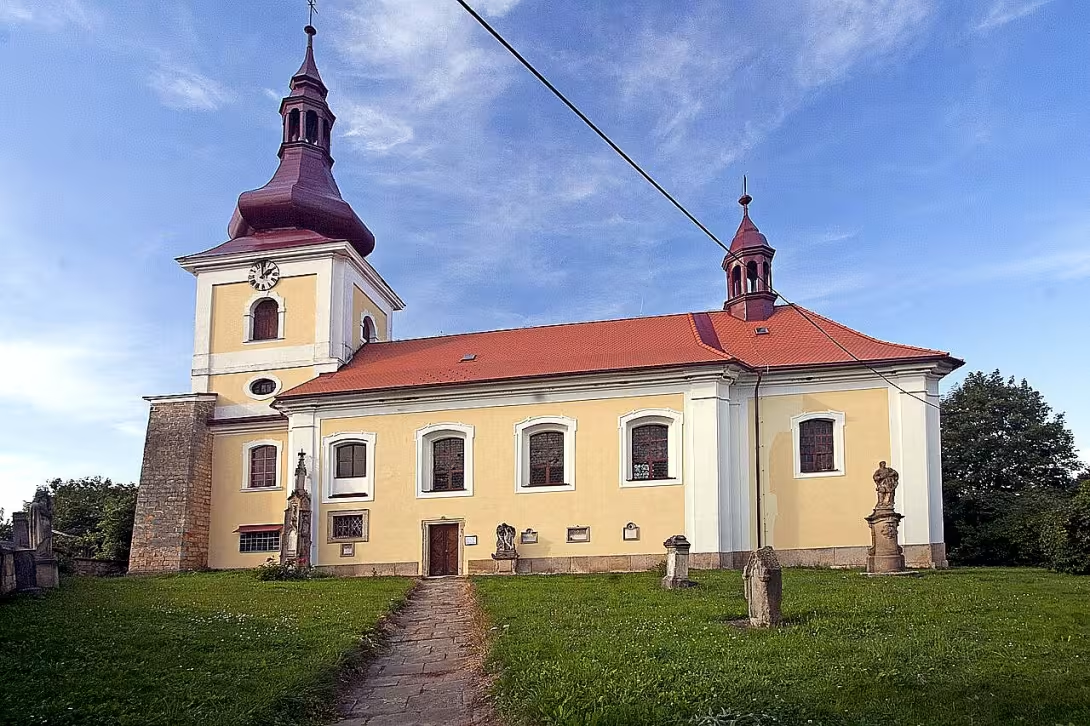
Kostel Nejsvětější Trojice in Mlázovice is a Roman Catholic church with significant historical and architectural importance. Located in the village of Mlázovice within Královéhradecký kraj, this baroque-style church has been protected as a cultural monument since 1958. Originally mentioned in 1360 with a wooden structure, it was replaced by its current form constructed between 1725 and 1731. The church is notable for its architectural evolution, including the addition of a tower in 1760 and an octagonal onion dome in 1876.
The origins of Kostel Nejsvětější Trojice trace back to 1360 when a wooden church was first mentioned, with Jan z Lovčic serving as its pleban. The current baroque structure replaced this earlier building between 1725 and 1731, reflecting the architectural trends of the time within Bohemia, then part of the Habsburg Monarchy. This period saw significant cultural and artistic developments influenced by the Baroque style.
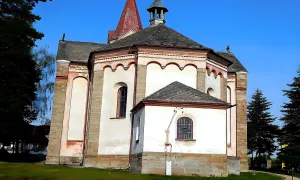
Architecturally, Kostel Nejsvětější Trojice is a single-nave stone building with a right-angled presbytery. A small sacristy adjoins the presbytery on its northern side. The church's design reflects typical baroque elements, characterized by symmetry and grandeur. Over time, it underwent significant enhancements: in 1760, a tower was added, followed by an octagonal onion dome atop this tower in 1876. These additions have contributed to the church’s distinctive profile.
Ownership of Kostel Nejsvětější Trojice has remained with the village of Mlázovice since its establishment as a cultural monument. The church is part of the parish of Lázně Bělohrad, indicating its ongoing religious significance and community role. While there are no dramatic changes in ownership or administration documented, the church's status as a protected cultural site underscores its importance.
Several key events and curiosities highlight the church’s historical narrative. The bell within the tower dates back to 1593, predating even the current structure, while the clock originates from a dissolved Pauline monastery in Nové Pace. These elements add layers of history and intrigue to the church, connecting it with broader regional religious developments.
Today, Kostel Nejsvětější Trojice remains an active place of worship, with regular services held every Sunday at 7:30 AM. Its preservation as a cultural monument ensures that its historical and architectural significance is maintained for future generations to appreciate. Visitors are drawn not only by its religious importance but also by the opportunity to explore a piece of Bohemia's rich baroque heritage.
Kostel Nejsvětější Trojice stands as a testament to the enduring legacy of Baroque architecture in the Czech Republic, offering insights into both historical and contemporary religious practices. Its well-preserved structure invites visitors to delve into its storied past while experiencing the tranquility of its present-day services. For those interested in history, architecture, or spirituality, this church is undoubtedly worth a visit.
Then and now
Drag the slider to compare how the landmark may have looked when it was built with the view today.
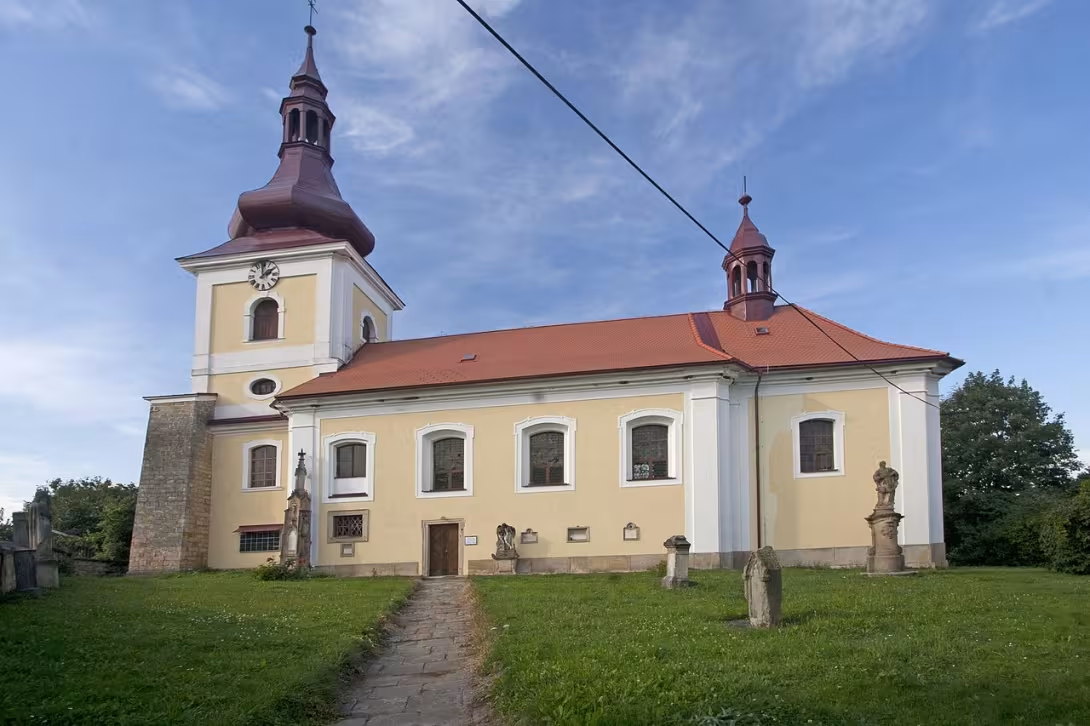

The historical appearance on the left is an AI-generated visualisation and serves as inspiration only.
Historical milestones
- 1360
- The original wooden church was mentioned, with Jan z Lovčic serving as its pleban.
- 1725–1731
- Construction of the current baroque church took place.
- 1760
- A tower was added to the church.
- 1876
- An octagonal onion dome was built on top of the tower.
Architectural development
The church underwent significant architectural development over the centuries. Initially, a wooden structure existed in 1360, but it was replaced by the current baroque building constructed between 1725 and 1731. The addition of a tower in 1760 and an octagonal onion dome in 1876 further enhanced its architectural profile.
Historical events
1360: The original wooden church was mentioned, with Jan z Lovčic serving as its pleban.
1725–1731: Construction of the current baroque church took place.
1760: A tower was added to the church.
1876: An octagonal onion dome was built on top of the tower.
Points of interest
- The bell inside the tower of Kostel Nejsvětější Trojice dates back to 1593, making it older than the current church structure itself. This historical artifact connects the church with a broader timeline of regional religious developments.
- The clock in the tower originated from a dissolved Pauline monastery in Nové Pace. Its presence at Kostel Nejsvětější Trojice adds an intriguing layer to the church's history, linking it to other monastic communities and their legacies.
- Although primarily known for its Baroque architecture, the church underwent significant changes over time, including a tower addition in 1760 and an octagonal onion dome in 1876. These enhancements reflect evolving architectural tastes and technological advancements of those periods.
- The original wooden church mentioned in 1360 was replaced by the current stone structure between 1725 and 1731. This transition from wood to stone highlights shifts in building practices and materials used during that era, influenced by both practicality and aesthetics.
- Despite its status as a cultural monument since 1958, Kostel Nejsvětější Trojice has remained under the ownership of Mlázovice. This continuity underscores the church's enduring significance to the local community and its role in regional heritage preservation efforts.
Guide
This guide is narrated by a synthetic voice generated by artificial intelligence.
Show guide text
This text was created by artificial intelligence and has not been editorially reviewed. It may contain inaccuracies.
The Church of the Holy Trinity in Mlázovice is a Roman Catholic church that formerly served as a parish church. Today it is a subsidiary chapel and belongs to the parish of Lázně Bělohrad. It is oriented, which means that its altar section faces east. The church is owned by the municipality of Mlázovice and has been protected as a cultural monument since 1958.
A wooden church originally stood on this site. The first mention of it comes from the year 1360, when Jan z Lovčic served there as a parish priest. The present building was constructed between 1725 and 1731. The tower was added only in 1760 and received its octagonal bulbous cupola in 1876. A bell from 1593 hangs in it, which is thus older than the church itself. The church clock comes from the dissolved monastery of the Paulines in Nová Paka.
It is a single-nave stone structure with a rectangular presbytery, that is the sanctuary. A small sacristy adjoins the presbytery from the north side.
Tips for visitors
The best time to visit the Church of Nejsvětější Trojice in Mlázovice is during late spring or early autumn when the weather is pleasant, and the surrounding landscape is particularly beautiful. These seasons offer comfortable temperatures for exploring both the church's interior and its grounds. Additionally, visiting outside of peak summer months can provide a more serene experience with fewer crowds, allowing you to appreciate the historical architecture in peace.
For the most current transportation options and schedules, a quick online search will provide up-to-date information.
A camera is also advisable for capturing the church’s architectural details and any picturesque views in the vicinity. Additionally, bringing a small umbrella or raincoat can be wise, especially if visiting during spring or autumn when weather conditions can change rapidly.
Photography enthusiasts will find several appealing spots around the Church of Nejsvětější Trojice. The best light for photography is typically in the early morning or late afternoon when the sun casts a soft glow over the church's façade, enhancing its architectural details. Inside, natural light filtering through stained glass windows can create beautiful effects, ideal for capturing unique images.
For families with children visiting the Church of Nejsvětější Trojice, there are several activities and sights within a 30-minute drive that can make your trip more enjoyable. Exploring nearby historical sites or nature trails can provide educational opportunities as well as fun outdoor activities for kids. Always check ahead for any family-friendly events or exhibitions in the area to enhance your visit.
Frequently asked questions
Can the monument be visited?
Religious buildings are usually open mainly during services; at other times a visit is normally arranged with the parish or the operator. We have not verified specific times.
Where is the monument?
Location: Na Tvrzi, Mlázovice, Královéhradecký kraj. The map on this page shows the exact spot.
Why is the monument protected?
It is listed in the Central List of Cultural Monuments of the Czech Republic as a cultural monument (register no. 33664/6-1274).
Businesses nearby
Do you run a restaurant, accommodation, shop, museum, rental, wellness or other visitor service near this monument? Show yourself directly to the people heading to it — this is how they will see you in the app and on the web:
Accommodation nearby
Themed route
Thematic Tour Itinerary: Mlázovice
1. Kostel Nejsvětější Trojice (Mlázovice)
Type: Church
Why Visit: This stunning Baroque church is the centerpiece of your visit, offering a glimpse into 18th-century architecture and religious artistry. Its intricate design and serene atmosphere make it an ideal starting point for exploring Mlázovice's cultural heritage.
2. Mlázovický náves
Type: Village Square
Why Visit: Located just outside the church, this charming village square is a perfect spot to soak in the local ambiance and history of Mlázovice. It provides an excellent opportunity for visitors to appreciate traditional Czech architecture and perhaps engage with locals.
3. Historické domy v centru obce
Type: Historical Buildings
Why Visit: A short walk from the village square, these historical homes offer a peek into the everyday life of past residents. Their well-preserved facades reflect the architectural evolution of Mlázovice over centuries and are worth exploring for their quaint charm.
4. Mlázovický park
Type: Park
Why Visit: Concluding your tour, this local park is a peaceful retreat where visitors can relax after exploring the village's historical sites. It’s an ideal place to reflect on the beauty of Mlázovice and enjoy nature amidst its lush greenery.
This itinerary provides a comprehensive experience of Mlázovice, focusing on its cultural and architectural highlights without straying beyond the immediate area.
Seasonal recommendations
Spring: Visiting the Church of the Holy Trinity in Mlázovice during springtime offers a unique experience as nature awakens around this historical site. The lush greenery and blooming flowers create a picturesque backdrop, enhancing the church's serene atmosphere. As daylight extends, the soft morning light beautifully illuminates the architectural details of the church, making it an ideal time for photography enthusiasts. Visitors should be aware that spring can bring unpredictable weather, so wearing layers is advisable to stay comfortable in case of sudden showers or cooler temperatures. Additionally, while crowds are generally manageable, arriving early can help you enjoy a more peaceful exploration.
Summer: Summer at the Church of the Holy Trinity is marked by vibrant natural beauty and longer daylight hours, perfect for exploring the church's surroundings. The lush landscape provides a refreshing contrast to the stone architecture, inviting visitors to take leisurely walks around the area. This season typically sees higher visitor numbers due to its popularity as a travel period; hence, planning your visit on weekdays or early in the morning can help avoid larger crowds. Dressing in light and breathable clothing is recommended, along with bringing sunscreen and water to stay hydrated during your exploration.
Autumn: Autumn transforms the Church of the Holy Trinity into a stunning canvas of warm colors as the leaves change hues around Mlázovice. The cooler weather creates a cozy atmosphere, ideal for those who appreciate the beauty of fall landscapes. This season offers a quieter experience compared to summer, with fewer tourists and a more tranquil environment. Visitors should dress warmly in layers to accommodate the fluctuating temperatures typical of autumn days. Taking advantage of the softer light during late afternoon can provide excellent conditions for capturing the church’s historic charm against the backdrop of golden foliage.
Winter: Winter envelops the Church of the Holy Trinity in Mlázovice with a serene and often snow-covered landscape, offering a magical and quiet atmosphere that is quite distinct from other seasons. The shorter days mean that visits should be planned earlier to make the most of daylight hours, while also appreciating the unique way shadows play across the church's features during this time. It’s essential to dress warmly in insulated clothing, as temperatures can drop significantly. Additionally, visitors should check for any seasonal changes in opening times or access restrictions due to weather conditions, ensuring a safe and enjoyable visit.
Visualizations and artistic views


The visualisations are generated by artificial intelligence and serve as inspiration.
Photos from the area
Real photos taken near the monument


Zdroj a licence jsou uvedeny u každého snímku.
Tips from visitors
No tips yet. Be the first!
Log in and add your tip.
Sources and literature
Photos: Petr1888 / CC BY-SA 3.0 — Wikimedia Commons. The author and licence also appear when you hover over the image.
Faktickým podkladem tohoto textu byl článek na Wikipedii, jehož autory jsou přispěvatelé Wikipedie. Článek je dostupný pod licencí CC BY-SA 4.0.
Location on the map

Příběhy a pověsti
Legendy, pověsti a příběhy spjaté s touto památkou

Fotografie návštěvníků
Zatím žádné fotografie. Buďte první, kdo přidá fotografii z návštěvy!
Log in a přidejte svou fotografii nebo hodnoťte.
Za ověřenou návštěvu v aplikaci získáte víc bodů — poznáme podle GPS, že jste na místě.
Reviews and comments