



Kostel Nejsvětější Trojice (Mysločovice) Church
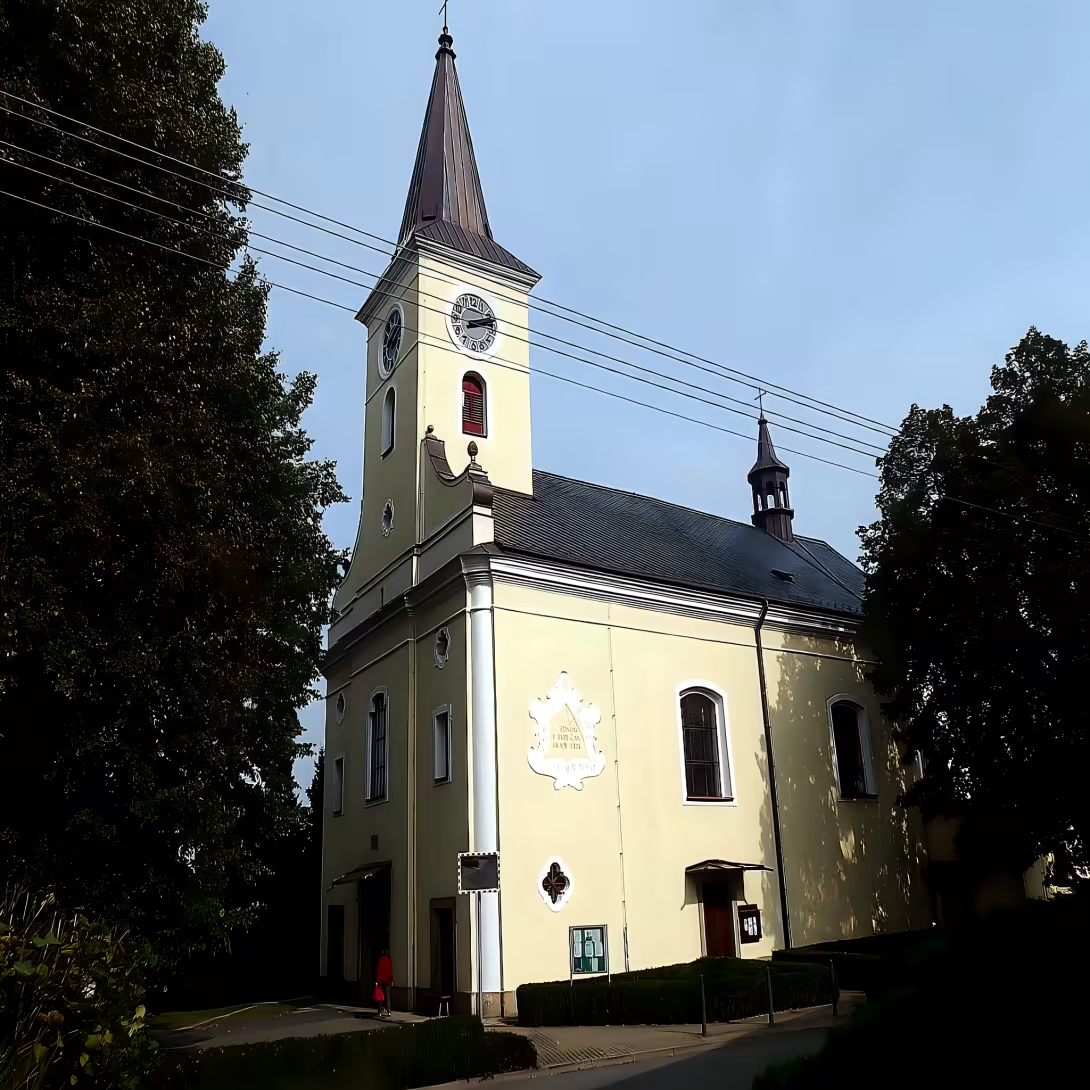
The Church of Nejsvětější Trojice in Mysločovice is an 18th-century classicist structure showcasing architectural elegance. Located in the Zlín District village, it was built between 1752 and 1758, replacing a wooden predecessor mentioned as early as 1397.
The community sought to replace their deteriorating wooden church. Historical records from 1397 note its existence, but by 1696, it required significant repairs. The new construction was initiated by residents with support from František Antonín z Rottalu and designed by architect Tomáš Šturna in a classicist style reflecting Enlightenment trends.
Architecturally, the church features a single-nave layout with rounded corners and a semi-circular apse. It measures 31 meters long and 13.7 meters wide, topped by a pyramidal tower on its western facade, accessible from the northeast. The main entrance is on the northwestern side through a right-angled portal, while a secondary entrance leads to a four-sided sacristy on the southwestern side.
Notable figures like Egkha, who laid the foundation stone in 1752, and Jindřich Krause, who consecrated it in 1758, have administered the church. These milestones highlight its community significance.
Today, the church is surrounded by protected linden trees, creating a serene atmosphere. Nearby are a cemetery and a World War I memorial, adding historical depth. The chapel of St. Jan Nepomucký at the village's edge enriches the cultural landscape.
Visitors can explore this monument daily from approximately 7:30 AM to 6:30 PM, appreciating its architectural beauty and history. The Church of Nejsvětější Trojice symbolizes community resilience and is a worthwhile destination for those interested in Czech heritage.
Then and now
Drag the slider to compare how the landmark may have looked when it was built with the view today.
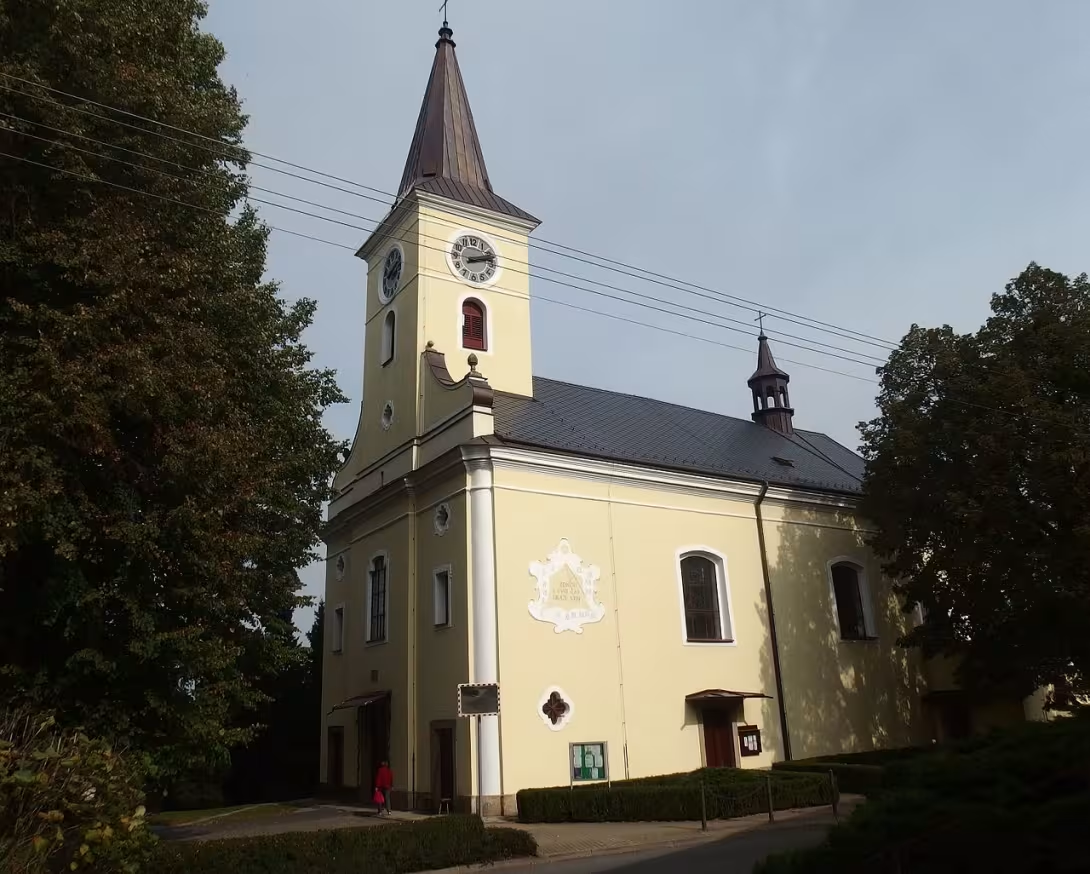
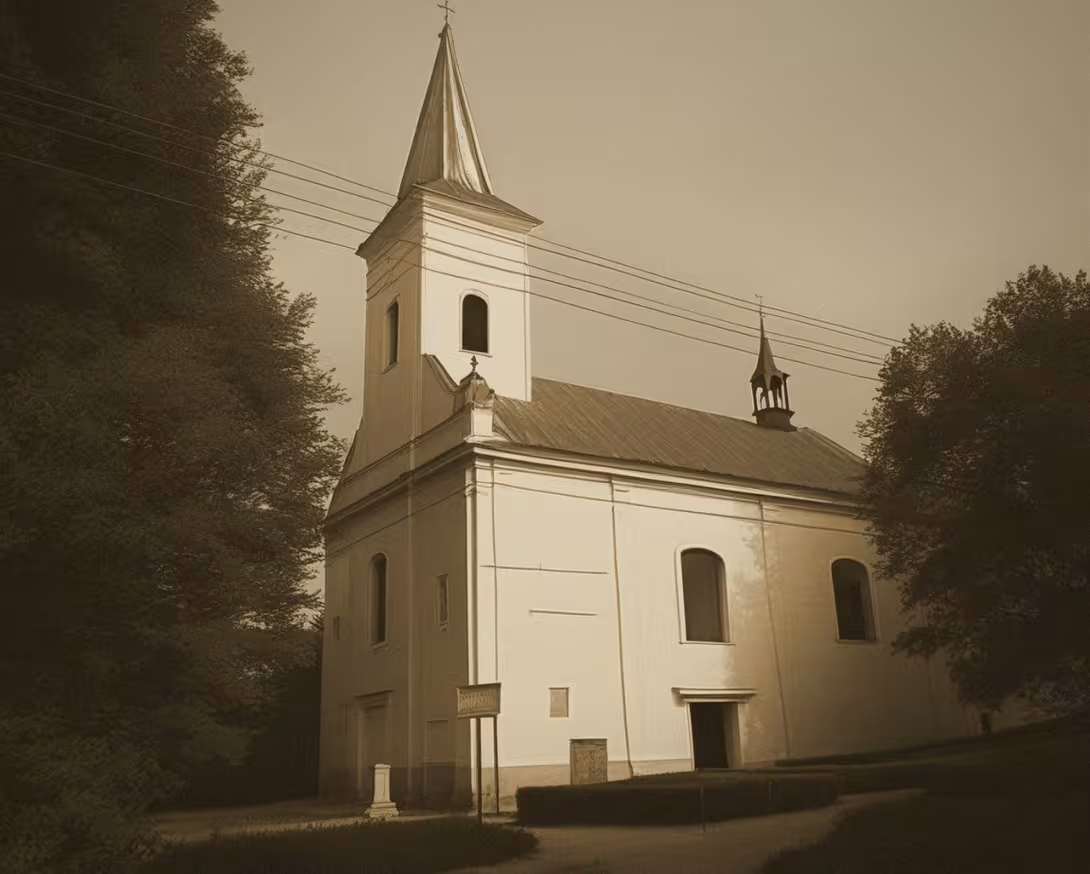
The historical appearance on the left is an AI-generated visualisation and serves as inspiration only.
Historical milestones
- 1397
- Existence of the original wooden church noted.
- 1696
- Original wooden church required significant repairs.
- 1752
- Foundation stone laid by Egkha for new church construction.
- 1758
- New Church of Nejsvětější Trojice consecrated by Jindřich Krause.
Architectural development
The Church of Nejsvětější Trojice was constructed between 1752 and 1758, replacing an earlier wooden church. Designed in the classicist style, it features a single-nave layout with rounded corners and a semi-circular apse. The tower is positioned on the western facade, accessible from the northeast side.
Historical events
- 1752
- Foundation stone laid by Egkha
- 1758
- Church consecrated by Jindřich Krause
Points of interest
- The original wooden church mentioned as early as 1397 was likely a simple structure that served the community's spiritual needs for centuries before requiring replacement due to deterioration by 1696.
- Architect Tomáš Šturna, who designed the Church of Nejsvětější Trojice in a classicist style, may have been influenced by Enlightenment ideals focusing on reason and symmetry, reflecting broader cultural shifts during that era.
- The church's pyramidal tower is not only an architectural feature but also serves as a symbolic representation of reaching towards the heavens, aligning with the spiritual aspirations of its congregants.
- Notable figures like Egkha, who laid the foundation stone in 1752, and Jindřich Krause, consecrating it in 1758, played pivotal roles in the church's history, marking significant community milestones beyond mere construction dates.
- The surrounding protected linden trees create a serene atmosphere that complements the church’s historical significance, offering visitors a peaceful environment to reflect on its cultural heritage.
Guide
This guide is narrated by a synthetic voice generated by artificial intelligence.
Show guide text
This text was created by artificial intelligence and has not been editorially reviewed. It may contain inaccuracies.
Welcome to the Church of Nejsvětější Trojice in Mysločovice, a serene and elegant classicist structure that stands gracefully amidst protected linden trees. As you stand here, take a moment to absorb its simple yet refined design. The oblong nave stretches out before you, leading your eyes towards the semi-circular apse set back from the main body of the church. Notice the pyramidal tower rising above the western facade, adding a touch of grandeur to this peaceful setting.
Let's delve into its history. This sacred site has been serving the spiritual needs of the community for centuries. The original wooden church here dates back to 1397, a humble structure that was eventually replaced due to deterioration by 1696. In 1752, the foundation stone for the new church was laid by Egkha. Just six years later, in 1758, the Church of Nejsvětější Trojice was consecrated by Jindřich Krause, marking a significant moment in Mysločovice's history.
The architecture is a testament to Tomáš Šturna’s vision. As you look around, appreciate the classicist style that defines this church. The design balances simplicity with elegance, creating an atmosphere of tranquility and reverence. Notice how the linden trees frame the building, enhancing its serene ambiance.
Several key figures are intertwined with the history of this place. František Antonín z Rottalu played a significant role in the community, while Egkha laid the groundwork for what you see today. Jindřich Krause's consecration marked a new chapter for the church and its congregation.
Now, let me share an interesting tidbit: the original wooden church mentioned as early as 1397 was likely quite simple compared to this grand structure. It served the community faithfully until it required significant repairs by 1696. This transition from wood to stone symbolizes not just architectural evolution but also the enduring spirit of Mysločovice.
As you continue your visit, I invite you to explore further and immerse yourself in the history and beauty surrounding this remarkable church. Thank you for joining me on this journey through time and architecture. Enjoy your exploration!
Tips for visitors
The best time to visit the Church of Nejsvětější Trojice in Mysločovice is during late spring or early autumn when the weather is pleasant, and the natural surroundings are at their most beautiful. These seasons offer comfortable temperatures for walking around the village and exploring nearby features without the summer crowds or winter chill. Additionally, visiting during these times allows you to enjoy outdoor activities like picnicking in the surrounding countryside.
The church is accessible by both car and public transport. For those preferring public transport, it's advisable to check current routes and schedules using a travel planner or local transit website. This ensures you can plan your visit efficiently without worrying about last-minute transportation issues.
When visiting the Church of Nejsvětější Trojice, it is recommended to bring comfortable walking shoes as you may want to explore the village and nearby attractions on foot. A camera is also suggested for capturing the church's classicist architecture and scenic views around Mysločovice. Additionally, consider bringing a light jacket or umbrella in case of unexpected weather changes, ensuring your visit remains enjoyable regardless of conditions.
For photography enthusiasts, some of the best spots to capture the Church of Nejsvětější Trojice include its front façade during golden hour when the sunlight enhances the building's elegant lines. The semi-circular apse can also be photographed from a slight angle for an interesting perspective. For natural light, early morning or late afternoon is ideal as it provides softer lighting conditions that highlight the church’s architectural details.
Nearby attractions within a 30-minute walk include the chapel of St. Jan Nepomucký and a local cemetery with a monument dedicated to fallen soldiers from World War I. These sites offer additional historical insights and serene spots for reflection, making them worthwhile stops during your visit. For families with children, these areas provide educational opportunities and a chance to explore history in an engaging way.
Frequently asked questions
Can the monument be visited?
Religious buildings are usually open mainly during services; at other times a visit is normally arranged with the parish or the operator. We have not verified specific times.
Where is the monument?
Location: Mysločovice, Zlínský kraj. The map on this page shows the exact spot.
Why is the monument protected?
It is listed in the Central List of Cultural Monuments of the Czech Republic as a cultural monument (register no. 36907/7-1996).
Businesses nearby
Do you run a restaurant, accommodation, shop, museum, rental, wellness or other visitor service near this monument? Show yourself directly to the people heading to it — this is how they will see you in the app and on the web:
Nearby
Nearby features include a chapel of St. Jan Nepomucký at the edge of the village and a cemetery with a monument for fallen soldiers from World War I, all within a short distance.
Accommodation nearby
Trips and activities nearby
Guided tours, tickets and activities nearby from GetYourGuide
Affiliate link: if you buy from the partner, we may receive a commission. The price for you does not change.
Search tours and activities →Themed route
Thematic Walking Tour: Mysločovice
1. Kostel Nejsvětější Trojice (Mysločovice) - Type: Church - Why Visit: Begin your journey at the heart of Mysločovice with this stunning Baroque church, a testament to the region's rich architectural heritage. Its intricate design and historical significance make it an essential stop for anyone interested in religious art and history.
2. Chapel of St. Jan Nepomucký - Type: Chapel - Why Visit: A short walk from the main church, this charming chapel dedicated to St. Jan Nepomucký offers a peaceful retreat with its serene atmosphere and beautiful surroundings. It's an ideal spot for reflection and appreciation of local religious traditions.
3. Cemetery with Monument for Fallen Soldiers - Type: Cemetery - Why Visit: Conclude your tour at the nearby cemetery, where you'll find a poignant monument honoring soldiers who fell during World War I. This site provides a moment to reflect on history and pay respects to those who served, offering a deeper understanding of the community's past.
This concise tour allows visitors to explore Mysločovice's spiritual and historical landmarks within a short distance, providing a meaningful experience in this picturesque village.
Seasonal recommendations
Spring: As the snow melts away, Mysločovice's Church of the Holy Trinity is enveloped in a vibrant tapestry of blooming wildflowers and fresh greenery, creating an idyllic setting for visitors. The soft morning light accentuates the intricate details of the church’s architecture, making it an ideal time to appreciate its beauty without the harsh glare of summer sun. Spring often brings unpredictable weather, so wearing layers is advisable—light jackets or sweaters can be handy as temperatures fluctuate throughout the day. While crowds are generally moderate during this season, arriving early in the morning allows for a serene experience before more visitors arrive.
Summer: The Church of the Holy Trinity basks in the warm glow of summer sunlight, casting long shadows that enhance its historical features and create an inviting atmosphere for exploration. This is the peak tourist season, so expect larger crowds, particularly around midday when the sun is at its brightest. To avoid the hustle and bustle, consider visiting early in the morning or later in the afternoon when the light is softer and more people have dispersed. Comfortable walking shoes and breathable clothing are recommended for those planning to explore the surrounding areas of Mysločovice, as well as a hat and sunscreen to protect against the sun.
Autumn: Autumn transforms the Church of the Holy Trinity into a picturesque scene with its golden hues and falling leaves, offering a tranquil and reflective atmosphere. The cooler temperatures make it an ideal time for leisurely strolls around the church grounds, capturing the rich colors that autumn brings. Visitors should dress in layers to accommodate the changing weather conditions typical of this season—light jackets or sweaters are advisable as evenings can be chilly. Although tourist numbers start to decline towards the end of the season, arriving early remains a good strategy to enjoy the site with fewer people around.
Winter: The Church of the Holy Trinity takes on an ethereal quality during winter, its stonework softened by a blanket of snow and illuminated by the crisp light of shorter days. This season offers a quieter experience for visitors who appreciate the serene beauty of the church in a more intimate setting. Dressing warmly is essential; thermal layers, hats, gloves, and sturdy boots are recommended to stay comfortable while exploring the area. Despite fewer crowds, the shorter days mean planning your visit during daylight hours for the best experience.
Visualizations and artistic views


The visualisations are generated by artificial intelligence and serve as inspiration.
Photos from the area
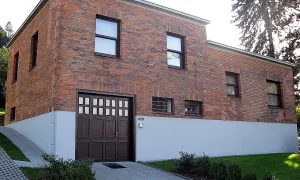
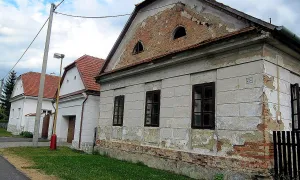
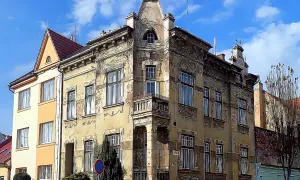
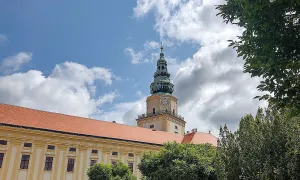
Real photos taken near the monument


Zdroj a licence jsou uvedeny u každého snímku.
Atmosphere of the place
This atmospheric visualisation of the place and period was generated by artificial intelligence. It is not real footage of the location.
Tips from visitors
No tips yet. Be the first!
Log in and add your tip.
Sources and literature
Photos: Palickap / CC BY-SA 4.0, rozlišení zvýšeno umělou inteligencí — Wikimedia Commons. The author and licence also appear when you hover over the image.
Location on the map

Příběhy a pověsti
Legendy, pověsti a příběhy spjaté s touto památkou
Příběh: Kostel Nejsvětější Trojice (Mysločovice)
Bylo to v pondělí ráno, kdy Jan Procházka, zemědělský mistr z Mysločovic, se ocitl na rozcestí života. Ruce mu byly poté plné práce a srdce hřešívalo těžkost…
Číst příběh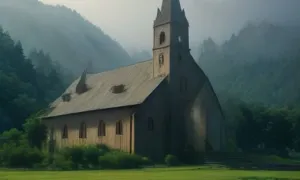
Pověst: Kostel Nejsvětější Trojice (Mysločovice)
Podle místní pověsti, kterou si staří obyvatelé Mysločovic podávali z pokolení na pokolení, nestál původní dřevěný kostelík na tom návrší náhodou. Traduje se…
Číst příběhFotografie návštěvníků
Zatím žádné fotografie. Buďte první, kdo přidá fotografii z návštěvy!
Log in a přidejte svou fotografii nebo hodnoťte.
Za ověřenou návštěvu v aplikaci získáte víc bodů — poznáme podle GPS, že jste na místě.
Reviews and comments