






kostel Nejsvětější Trojice (Štikov) Church
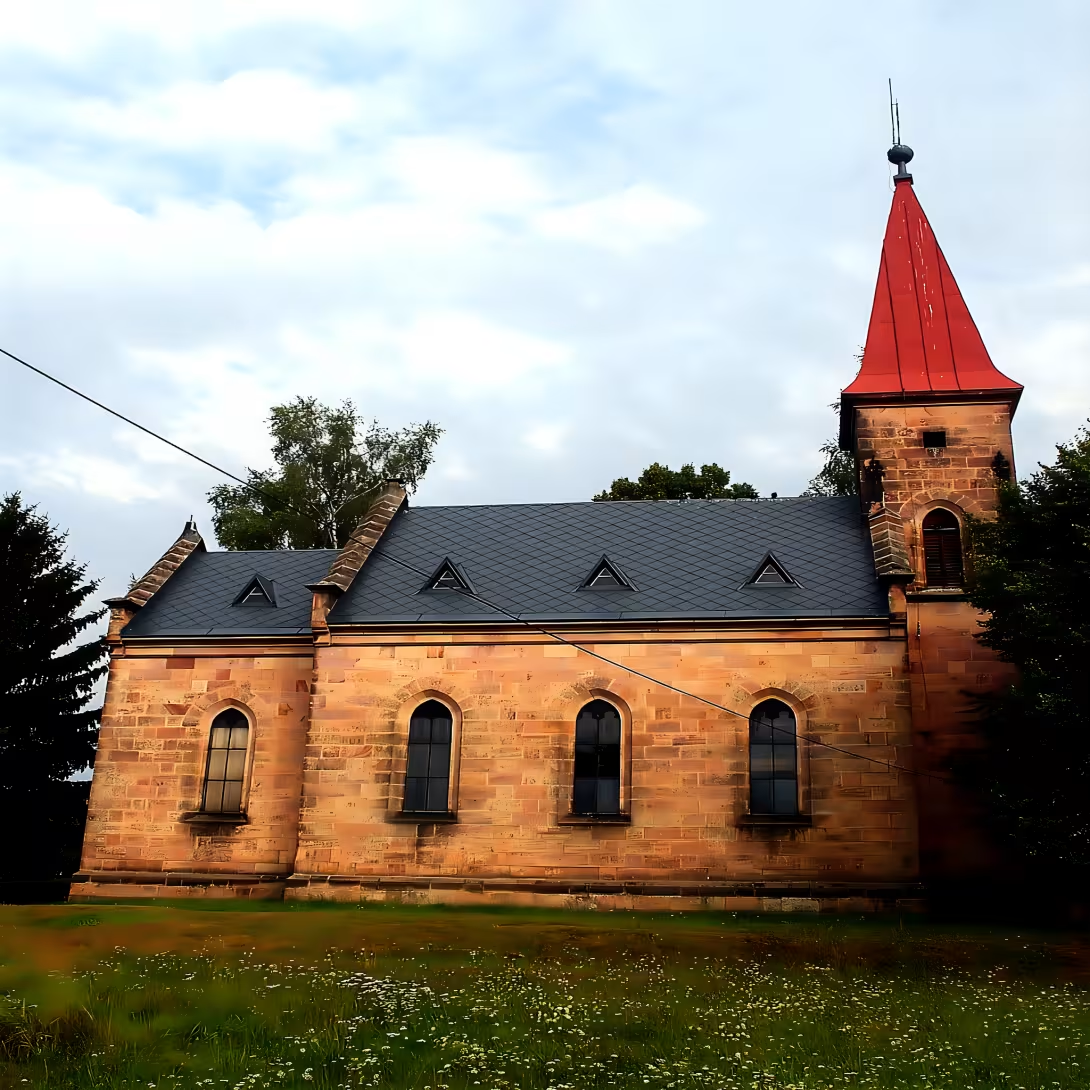
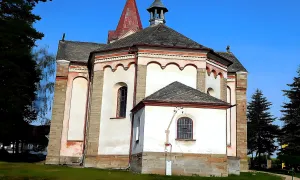
The Church of the Holy Trinity in Štikov is a notable Roman Catholic filial church known for its unique reversed orientation. The main entrance faces northeast while the altar is positioned southwest. Situated in Štikov, part of Nová Paka within Královéhradecký kraj, this architectural gem was constructed in 1883. Its distinctiveness is highlighted by a slender tower that enhances the village's panorama, making it an important historical and cultural landmark.
Built during a period when Bohemia was part of the Austro-Hungarian Empire, the church reflects the era's cultural flourishing and architectural innovation. The neo-Gothic style mirrors the revivalist movement prevalent in Europe at the time. Architect František Wolf designed the structure in 1883 using local Hořice sandstone to create its simple yet striking form. This choice underscores regional craftsmanship and ties the church to its geographical and cultural context.
Architecturally, it is a single-nave building with a square presbytery and a slender spire at its entrance. The use of Hořice sandstone gives it a robust yet elegant appearance typical of neo-Gothic architecture. This style, popular in the late 19th century, features pointed arches, ribbed vaults, and flying buttresses—elements subtly echoed in the church's design.
The origins of this church trace back to local benefactors who played crucial roles in its establishment. The foundation stone was laid on June 10, 1882, with financial support from a foundation established by Antonín Wagner, a local mayor, in 1845. Upon completion in 1883, František Groh, whose land hosted the construction, raised a cross atop the church tower. The consecration took place on July 4, 1884, officiated by Bishop Josef Hais with assistance from P. Josef Fidler, who later managed it as part of the Nová Paka parish.
Inside, the church features neo-Gothic furnishings including an altar painting depicting the Holy Trinity and fourteen stations of the cross, both crafted by Antonín Mühla's workshop in Nová Paka. Additionally, the community invested in its musical heritage by commissioning a set of organ pipes from Josef Kobrle of Lomnice nad Popelkou in 1889.
Today, the Church of the Holy Trinity remains an active place of worship, hosting services four times annually between April and October. Its unique orientation and historical significance make it a compelling destination for visitors interested in architectural history and religious heritage. The church serves as both a spiritual center and a testament to the community's dedication to preserving its cultural legacy.
Visitors are invited to explore this remarkable site where history and architecture converge, telling the story of Štikov and its people. Whether drawn by its architectural uniqueness or historical context, the Church of the Holy Trinity offers an enriching experience that connects past and present.
Then and now
Drag the slider to compare how the landmark may have looked when it was built with the view today.
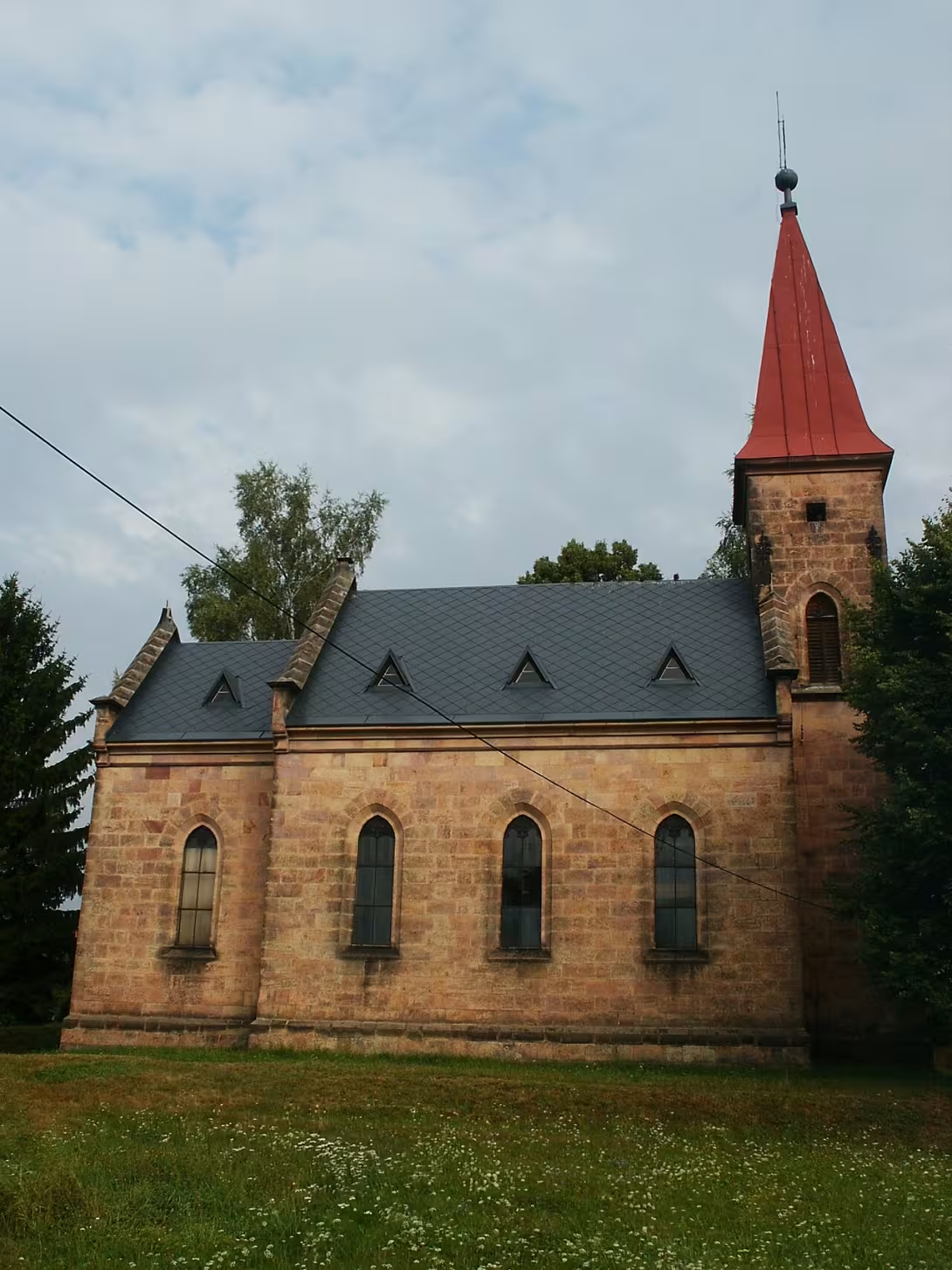
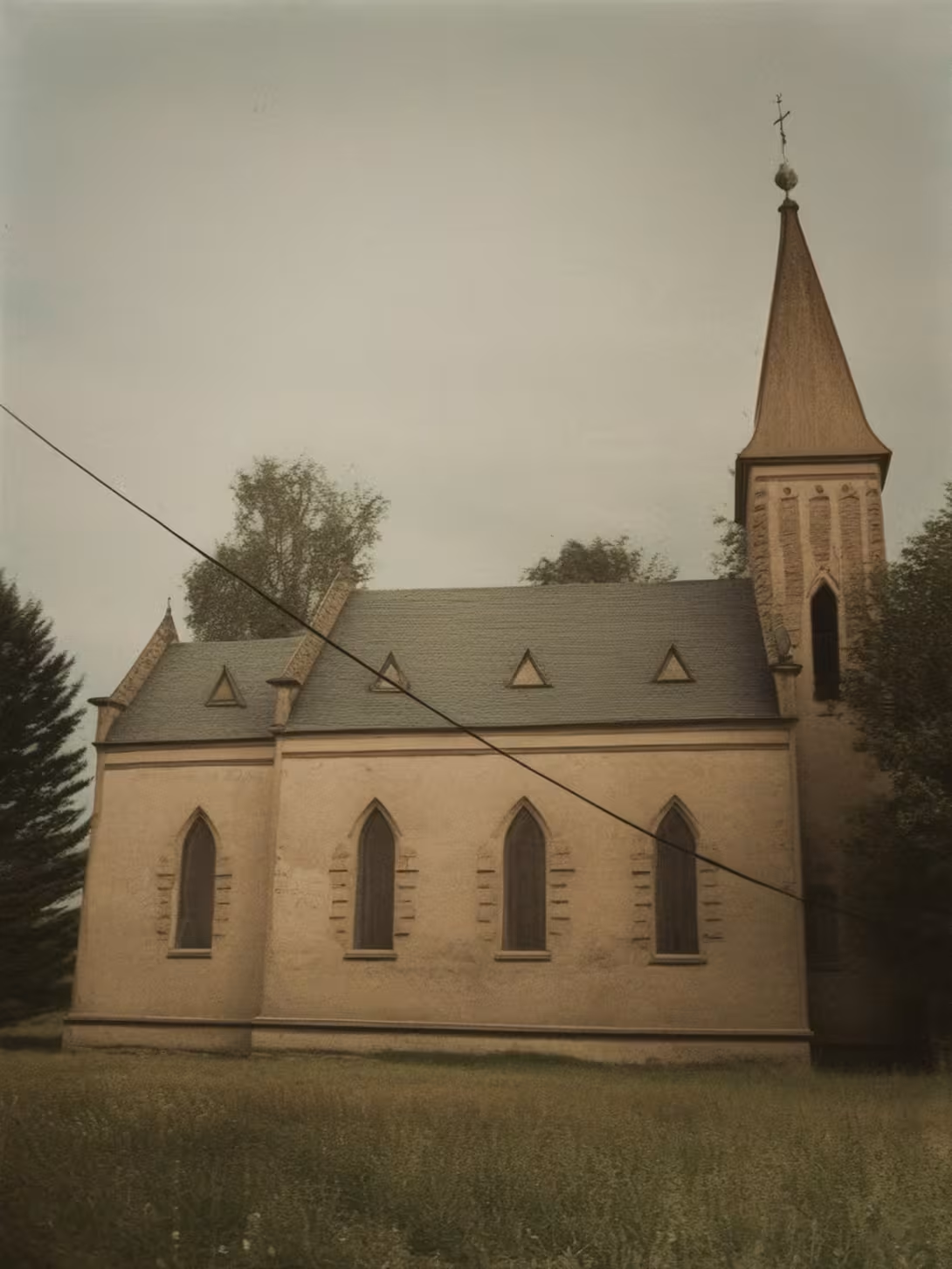
The historical appearance on the left is an AI-generated visualisation and serves as inspiration only.
Historical milestones
- 1882
- The foundation stone for the Church was laid.
- 1883
- František Groh raised a cross on the church tower upon completion.
- 1884
- The church was consecrated by Bishop Josef Hais.
Architectural development
Constructed in a neo-Gothic style, the single-nave church features a square presbytery and a slender spire at its entrance. Built from Hořice sandstone, it showcases simple architectural elements typical of the period.
Historical events
The foundation stone for the Church of the Holy Trinity was laid on June 10, 1882.
The church was consecrated by Bishop Josef Hais on July 4, 1884.
Points of interest
- The Church of the Holy Trinity's reversed orientation is unusual in ecclesiastical architecture; typically, churches have altars facing east to symbolize Christ’s resurrection. This unique design choice may reflect local traditions or specific liturgical needs.
- Antonín Wagner, who helped fund the church through a foundation established in 1845, was not only a mayor but also an influential figure in promoting education and cultural development in Štikov, contributing significantly to the village's growth during his tenure.
Guide
This guide is narrated by a synthetic voice generated by artificial intelligence.
Show guide text
This text was created by artificial intelligence and has not been editorially reviewed. It may contain inaccuracies.
Welcome to the Church of the Holy Trinity in Štikov, a remarkable testament to the region's rich history and architectural ingenuity. As you stand here before this Roman Catholic filial church, take a moment to absorb its unique presence within the village landscape. Notice how it stands out with its slender tower reaching towards the sky—a beacon that enhances the panoramic view of Štikov.
Let’s delve into its origins. The foundation stone for this church was laid in 1882, marking the beginning of an architectural journey that would culminate in a structure unlike any other in ecclesiastical design. By 1883, František Groh had raised a cross on the church tower, symbolizing both completion and spiritual ascent. The following year, in 1884, Bishop Josef Hais consecrated the church, blessing it for its sacred purpose.
The architect behind this unique structure is none other than František Wolf. His vision brought to life a church with an unusual reversed orientation; the main entrance faces northeast while the altar lies to the southwest. This design choice stands in contrast to traditional ecclesiastical architecture where altars typically face east, symbolizing Christ’s resurrection. The use of Hořice sandstone in its construction gives the building a simple yet enduring style that reflects the historic character of the era.
As you explore further, take note of the slender tower that dominates the landscape—it's not just an architectural feature but also a historical marker that guides your gaze and thoughts upwards. This church, with its distinctive design, invites contemplation about local traditions or specific liturgical needs that might have influenced such a unique orientation.
Several key figures are intertwined with the history of this place. Antonín Wagner played a significant role in funding the construction, ensuring the vision of František Wolf could be realized. Josef Hais, as the consecrating bishop, brought spiritual significance to its completion. Other notable personalities like P. Josef Fidler, Antonín Mühla, and Josef Kobrle also contributed to its story, each leaving an indelible mark on this sacred site.
Now, let's ponder a fascinating aspect of this church—the reversed orientation that challenges conventional ecclesiastical norms. This intriguing design choice may reflect local traditions or specific liturgical needs unique to Štikov, inviting us to explore deeper into the cultural and spiritual fabric of the community.
As you conclude your visit here at the Church of the Holy Trinity in Štikov, I invite you to continue exploring this enchanting village. Each corner holds stories waiting to be discovered, each path leading you closer to understanding the rich tapestry of history that surrounds us. Thank you for joining me on this journey through time and architecture, and may your explorations inspire a deeper appreciation for the heritage we share.
Tips for visitors
The best time to visit the Church of the Holy Trinity in Štikov is during late spring or early autumn when the weather is pleasant, allowing you to fully appreciate the church's unique architecture and surrounding landscape without the discomfort of summer heat or winter cold. These seasons also offer softer natural lighting, ideal for photography enthusiasts looking to capture the church’s distinctive reversed orientation and intricate details.
Parking near Štikov can be limited, so it is advisable to arrive early if you're driving. Alternatively, public transportation options are available; however, specific bus or tram lines should be checked in advance using a travel planner for the most current routes. This ensures a smooth journey and allows more time to explore the church and its surroundings.
When visiting the Church of the Holy Trinity, it's recommended to bring comfortable walking shoes as you may wish to explore the area around Štikov. Additionally, carrying a camera or smartphone for photography is advisable, especially if you're interested in capturing the unique architectural features of the church. A light jacket might also be useful, given that weather conditions can change unexpectedly.
For those interested in photography, the best spots to capture the Church of the Holy Trinity are from its northeast entrance and along the southwest side where the altar is located. Early morning or late afternoon provides the most favorable natural lighting for photographs. Families with children should be aware that there are no specific attractions within a 30-minute radius dedicated solely to younger visitors, so planning activities in advance might enhance their experience.
Nearby, within a 30-minute drive from Štikov, families can visit several interesting sites such as the historic town of Hradec Králové or explore natural parks for a leisurely walk. These destinations offer a mix of cultural and outdoor activities suitable for all ages, making them perfect additions to your itinerary when visiting the Church of the Holy Trinity.
Businesses nearby
Do you run a restaurant, accommodation, shop, museum, rental, wellness or other visitor service near this monument? Show yourself directly to the people heading to it — this is how they will see you in the app and on the web:
Accommodation nearby
Themed route
Tematická výletní trasa: Kostel Nejsvětější Trojice (Štikov)
1. Kostel Nejsvětější Trojice, Štikov - *Typ:* Náboženská památka - *Proč stojí za návštěvu:* Tento barokní kostel je centrem kulturního a duchovního života v obci Štikov. Jeho architektura, bohaté interiéry a historický význam nabízejí návštěvníkům hluboký pohled do minulosti této české vesnice.
2. Obecní úřad Štikov - *Typ:* Místní správa - *Proč stojí za návštěvu:* Obecní úřad je nejen administrativním centrem, ale také nabízí informace o historii a aktuálním životě obce. Je to ideální místo pro poznání místních tradic a událostí.
3. Štikovský park - *Typ:* Místní zelená plocha - *Proč stojí za návštěvu:* Park v Štikově je místo klidu a relaxace, kde můžete procházet při slunéčku nebo si užít přírodní krásy obce. Je to ideální místo pro odpočinek po návštěvě kostela.
4. Místní tržnice - *Typ:* Tradiční místní akce - *Proč stojí za návštěvu:* Místní tržnice nabízí příležitost prozkoumat tradiční české produkty, umělecké výrobky a jídla. Je to skvělý způsob, jak se ponořit do místní kultury a podpořit místní obchodníky.
Tato trasa nabízí návštěvníkům komplexní pohled na kulturní, historický i každodenní život v Štikově.
Seasonal recommendations
Spring: Visiting the Church of the Holy Trinity in Štikov during spring offers a unique experience as nature awakens around this historic monument. The surrounding landscape is adorned with blooming flowers and lush greenery, creating an enchanting atmosphere that complements the church's serene beauty. This season often sees milder temperatures, making it comfortable for exploring outdoor areas. However, be prepared for occasional rain showers by wearing a waterproof jacket or carrying an umbrella. Early mornings are ideal for visits to avoid larger crowds as tourists begin their seasonal travels.
Summer: Summer is the peak season for visiting the Church of the Holy Trinity in Štikov, when the warm weather and longer daylight hours enhance the experience. The natural surroundings are at their most vibrant, with lush greenery and clear skies providing a picturesque backdrop to this historic site. This time of year attracts more visitors, so it's advisable to arrive early in the day to enjoy the church in relative tranquility before the crowds gather. Light, breathable clothing is recommended, along with sunscreen and water to stay comfortable during your visit.
Autumn: Autumn brings a stunning transformation to the Church of the Holy Trinity in Štikov, as the surrounding landscape turns into a tapestry of warm colors. The cooler temperatures make for pleasant walking conditions, allowing visitors to appreciate both the church's architecture and the natural beauty without discomfort. This season is generally less crowded than summer, offering a more peaceful visit. Dressing in layers is advisable, with a light jacket or sweater to accommodate fluctuating temperatures throughout the day.
Winter: Winter presents a unique charm at the Church of the Holy Trinity in Štikov, as snow blankets the landscape and adds a magical quality to this historic site. The church often appears more serene against the quiet, snowy backdrop, providing a peaceful atmosphere for reflection. However, winter conditions mean shorter opening hours and potentially challenging access due to snow or ice, so it's important to check in advance and dress warmly with layers, including a hat and gloves. Visiting on a sunny day can enhance the experience with beautiful lighting, but be prepared for brisk weather.
Visualizations and artistic views


The visualisations are generated by artificial intelligence and serve as inspiration.
Photos from the area
Real photos taken near the monument

Zdroj a licence jsou uvedeny u každého snímku.
Tips from visitors
No tips yet. Be the first!
Log in and add your tip.
Sources and literature
Fotografie: JiriMatejicek / CC BY-SA 3.0, rozlišení zvýšeno umělou inteligencí — Wikimedia Commons. The author and licence also appear when you hover over the image.
Faktickým podkladem tohoto textu byl článek na Wikipedii, jehož autory jsou přispěvatelé Wikipedie. Článek je dostupný pod licencí CC BY-SA 4.0.
Location on the map


Příběhy a pověsti
Legendy, pověsti a příběhy spjaté s touto památkou

Fotografie návštěvníků
Zatím žádné fotografie. Buďte první, kdo přidá fotografii z návštěvy!
Přihlaste se a přidejte svou fotografii nebo hodnoťte.
Za ověřenou návštěvu v aplikaci získáte víc bodů — poznáme podle GPS, že jste na místě.
Reviews and comments