






Kostel Nejsvětější Trojice ve Valči Church
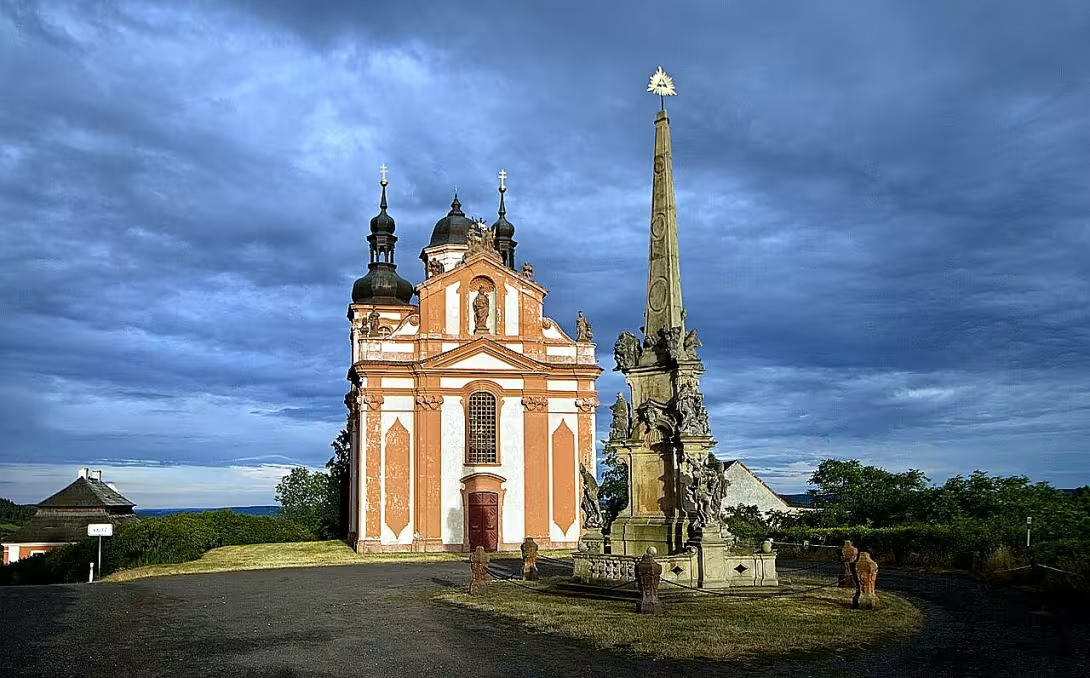
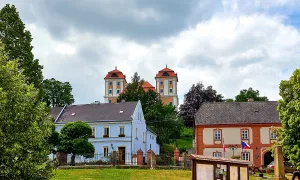
The Church of the Holy Trinity in Valč is a Baroque church located on the western edge of the village Valeč, within the Karlovy Vary District. Built between 1722 and 1726 as part of an estate complex, it was designed by Italian architect Giovanni Antonio Biana Rossa. This church is notable for its architectural style and historical significance, protected alongside a castle and parish as a cultural monument.
The origins of this Baroque masterpiece date back to the early 18th century when Bohemia was under Habsburg rule, experiencing a flourishing period of Baroque culture influenced by the Catholic Church's Counter-Reformation efforts. Commissioned by Count Jan Kryštof Kager ze Štampachu, who envisioned it as part of his estate complex, he passed away in 1718 before its completion. His will expressed a desire to be buried in the church’s crypt and urged his heirs to finish the project. His widow, Kateřina Terezie, laid the foundation stone in 1719, but construction did not begin until after her death in 1721. The new heir, Count Jan Ferdinand Kager z Globenu, took over the project, leading to its completion and consecration on December 16, 1728.
Architecturally, the church exemplifies Baroque style with grandeur and elaborate details. It features a classical portico added in 1840 by František Korb z Weidenheimu, enhancing its presbytery wall. The interior houses a Baroque organ crafted by Leopold Spiegel, a renowned Prague organ maker, adding to the church’s artistic richness. In front of the church stands a column with a sculpture of the Holy Trinity, installed in 1730, designed by František Maxmilián Kaňka and executed by Czech master Matyáš Bernard Braun.
Throughout its history, the church has seen various owners and administrators. After Count Jan Kryštof's death, his widow Kateřina Terezie took charge until her passing in 1721. The project was then continued by her nephew, Count Jan Ferdinand Kager z Globenu. In later years, the estate passed to the Thurn-Valsassinos, who undertook renovations at the end of the 19th century.
The church has witnessed several key events and curiosities over the centuries. Initially a pilgrimage site, its pious gatherings were halted during ecclesiastical reforms under Emperor Joseph II. During World War I, a bell cast in Prague by Anton Schönfeld in 1856 was recast for wartime purposes. The church faced neglect after World War II when it ceased to serve its religious purpose and suffered vandalism and decay during the socialist era.
Today, the Church of the Holy Trinity stands as a testament to Baroque architecture and resilience. After extensive restoration from 2009 to 2011, funded in part by grants from the Norwegian Funds, it was reopened on October 7, 2011. Visitors can appreciate its restored beauty and historical significance, making it a worthwhile destination for those interested in cultural heritage.
The Church of the Holy Trinity in Valč is not just an architectural marvel but also a symbol of perseverance through history. Its restoration has preserved a piece of Baroque artistry for future generations to admire. This monument invites visitors to explore its rich past and enjoy its serene presence amidst the natural landscapes of the Karlovy Vary region.
Then and now
Drag the slider to compare how the landmark may have looked when it was built with the view today.
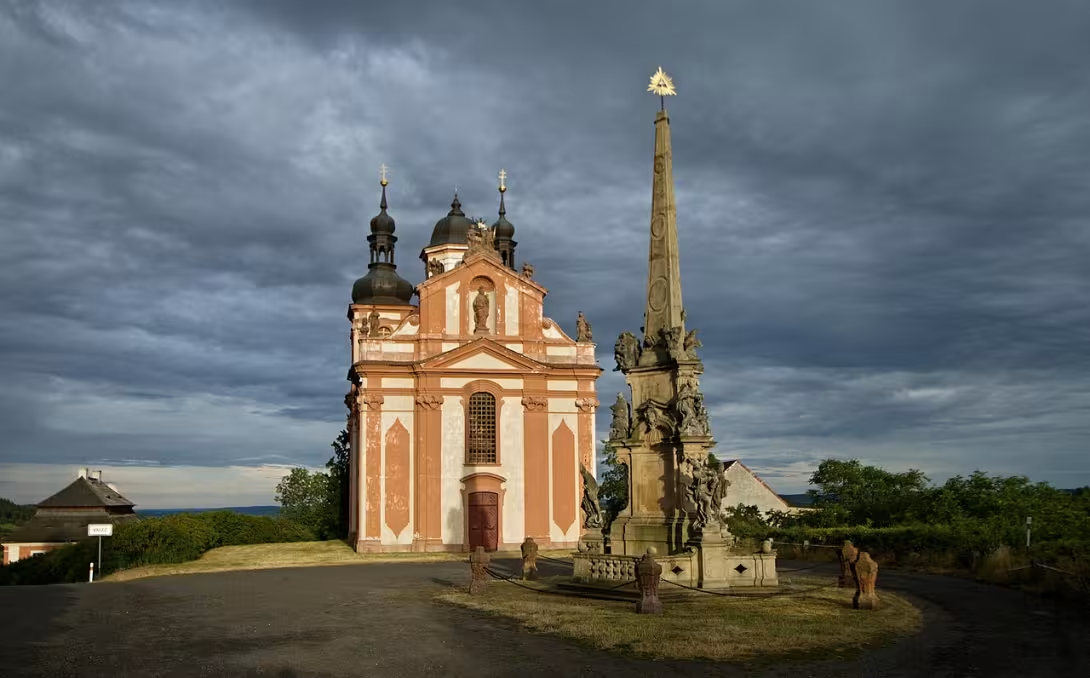
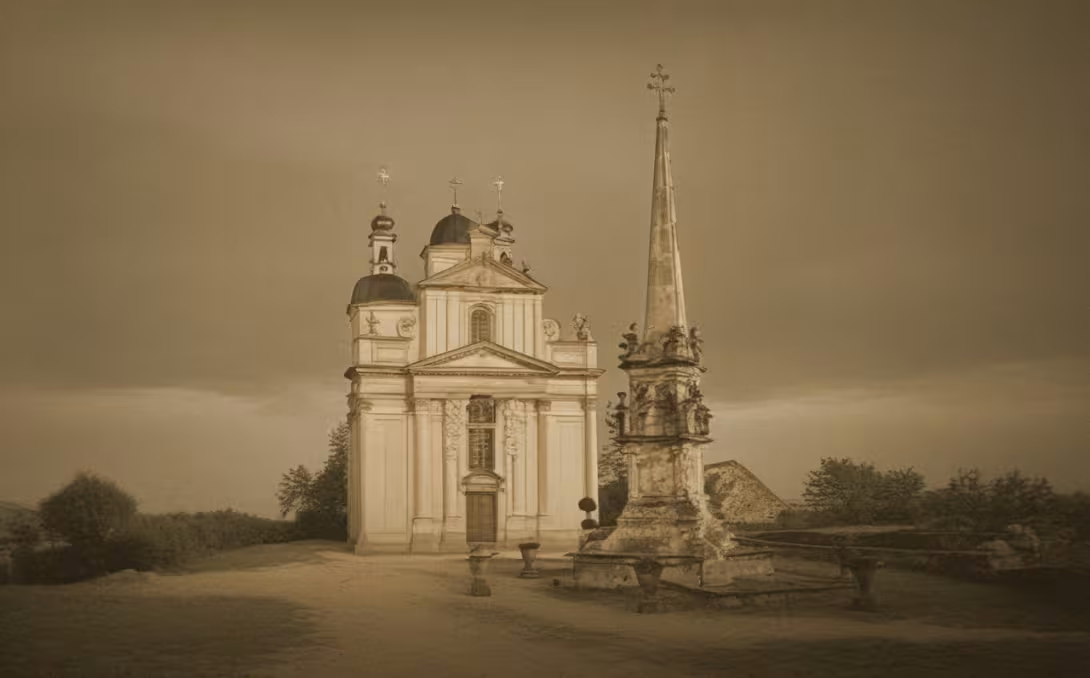
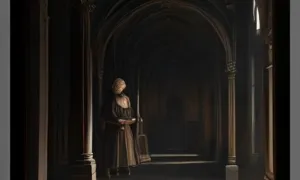
The historical appearance on the left is an AI-generated visualisation and serves as inspiration only.
Historical milestones
- 1718
- Count Jan Kryštof Kager zemřel.
- 1719
- Kateřina Terezie položila základní kámen kostela.
- 1721
- Zahájení stavby po smrti Kateřiny Terezie.
- 1726
- Dokončení stavby kostela.
- 1728
- Kostel byl vysvěcen 16. prosince.
- 1730
- Nastavení sloupu s sochou Nejsvětější Trojice.
Architectural development
The church was constructed between 1722 and 1726 in the baroque style. It features a classical portico added to the presbytery wall in 1840 by František Korb z Weidenheimu. The church underwent significant restoration from 2009 to 2011, funded partly by grants from the Norwegian Funds.
Historical events
Foundation stone laid by Kateřina Terezie in 1719.
Church consecrated on December 16, 1728.
Owners
Jan Kryštof Kager ze Štampachu (until his death in 1718)
Kateřina Terezie, rozená Sommerová z Herstošic (after 1719)
Jan Ferdinand Kager z Globenu (post-1721)
Points of interest
- The Church of the Holy Trinity was commissioned by Count Jan Kryštof Kager ze Štampachu, who envisioned it as part of his estate complex but passed away before its completion. His will expressed a desire to be buried in the church’s crypt.
- A Baroque organ crafted by Leopold Spiegel, a renowned Prague organ maker, adds artistic richness to the church's interior, highlighting the connection between Valč and prominent cultural figures of the time.
- The column with a sculpture of the Holy Trinity, installed in 1730, was designed by František Maxmilián Kaňka and executed by Czech master Matyáš Bernard Braun, showcasing collaboration among influential artists of the Baroque period.
- During World War I, a bell cast in Prague by Anton Schönfeld in 1856 was recast for wartime purposes, reflecting the church's adaptation to historical circumstances and its role beyond religious functions.
- The church experienced neglect after World War II when it ceased to serve its religious purpose and suffered vandalism during the socialist era, highlighting its resilience and eventual restoration as a cultural monument.
Guide
This guide is narrated by a synthetic voice generated by artificial intelligence.
Show guide text
This text was created by artificial intelligence and has not been editorially reviewed. It may contain inaccuracies.
Welcome to the Church of the Holy Trinity in Valč, a remarkable baroque gem nestled on the western edge of this quaint village in the Karlovy Vary District. As you stand here, take a moment to soak in the serene beauty and historical aura that surrounds this architectural masterpiece.
Our journey begins with Count Jan Kryštof Kager ze Štampachu, who envisioned this church as an integral part of his estate complex. Although he passed away in 1718 before seeing its completion, his vision was realized through the dedication of those who followed. In 1719, Countess Kateřina Terezie laid the foundation stone with hopes and aspirations for this sacred space. The construction officially commenced in 1721 after her passing, culminating in the church's completion by 1726. It wasn't until December 16, 1728, that the church was consecrated, marking a new era of spiritual significance for the community.
Designed by the Italian architect Giovanni Antonio Biana Rossa, this church is an exemplar of baroque architecture, characterized by its grandeur and intricate details. As you look upon it now, notice how the structure harmonizes with its surroundings, inviting both awe and introspection. The architectural style speaks volumes about the era's artistic sensibilities while encapsulating a sense of divine presence.
The church holds stories that transcend time. Count Jan Kryštof Kager ze Štampachu is buried in the crypt below, fulfilling his wish to rest eternally within this sacred edifice. His legacy lives on through this church, which stands as a testament to his vision and dedication. Another key figure associated with this site is Kateřina Terezie, whose determination saw the project through its early stages.
One intriguing aspect of this church is its baroque organ crafted by Leopold Spiegel, a renowned artisan of the time. This instrument adds an auditory dimension to the visual splendor, enriching the spiritual experience for all who visit.
As you contemplate these details and stories, I invite you to explore further, perhaps wandering around the grounds or imagining the lives that have intertwined with this sacred site over centuries. The Church of the Holy Trinity in Valč is more than just a building; it's a living narrative waiting to be discovered by each visitor who steps through its doors.
Thank you for joining me on this journey today. May your exploration here inspire reflection and wonder as you continue to uncover the many layers of history that make this place truly special.
Tips for visitors
The best time to visit the Church of the Holy Trinity in Valč is during late spring or early autumn when the weather is pleasant, allowing you to comfortably explore both the church and its surrounding natural landscapes. This period also coincides with fewer tourists, providing a more serene experience. The vibrant colors of the estate park near the church are particularly stunning during these seasons.
Parking is available in the vicinity of the church, but it's advisable to check for any restrictions or fees that might apply. Public transportation can be used to reach Valč; however, specific bus routes and schedules should be checked online prior to your visit. The church’s proximity to the road leading to Vrbice makes it accessible by car as well.
When visiting, consider bringing comfortable walking shoes for exploring the area around the church, especially if you plan on wandering through the nearby estate park. Sunscreen and a hat are recommended due to the open landscapes typical of the Karlovy Vary region. A camera is also suggested to capture the picturesque views and architectural details of the baroque church.
For photography enthusiasts, early morning or late afternoon offers the best natural lighting for capturing the Church of the Holy Trinity in Valč. The western edge of the village provides a beautiful backdrop with soft light accentuating the intricate baroque features of the church. Additionally, the estate park nearby can serve as an excellent spot for landscape shots.
Within a 30-minute drive from the church is Vrbice, offering more natural landscapes and opportunities to explore the region’s beauty. This area complements your visit by providing additional scenic spots ideal for leisurely walks or picnics. Families with children will appreciate the open spaces available in both Valč and its surroundings.
Businesses nearby
Do you run a restaurant, accommodation, shop, museum, rental, wellness or other visitor service near this monument? Show yourself directly to the people heading to it — this is how they will see you in the app and on the web:
Events nearby
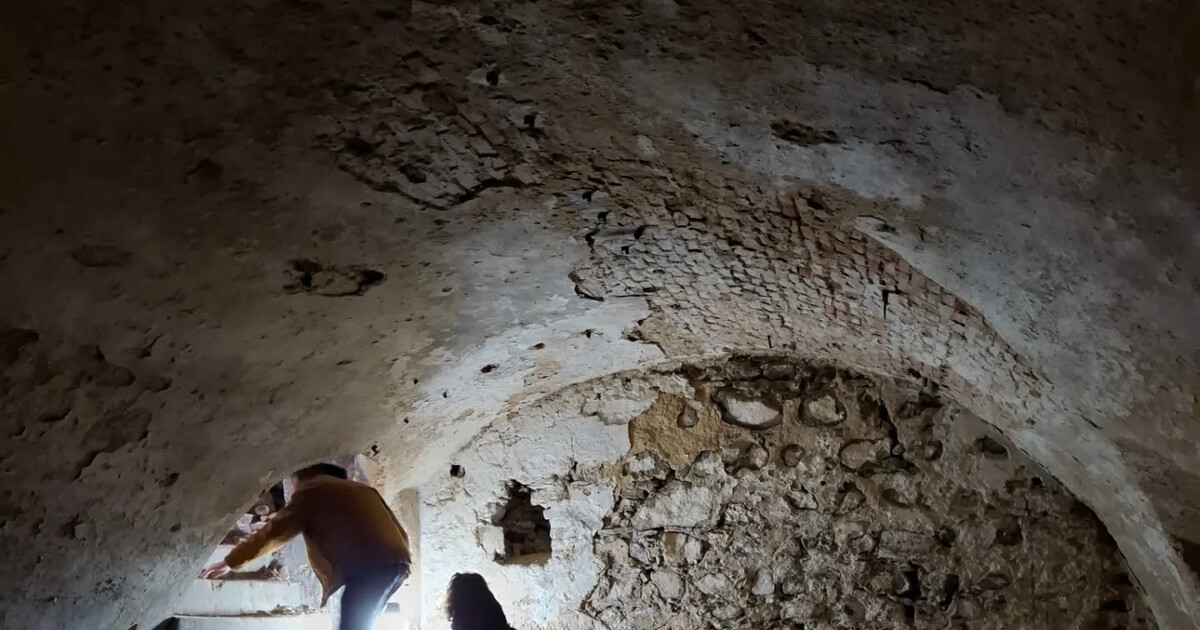
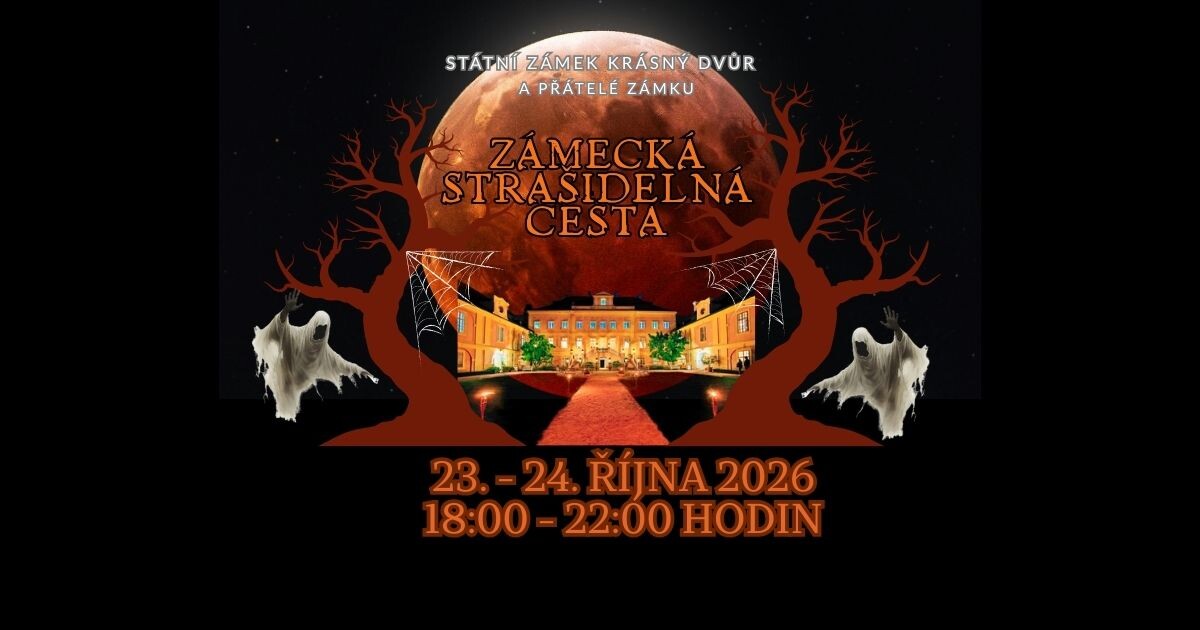
Zdroj akcí: otevřená data měst a obcí ČR (Národní katalog otevřených dat) a kalendář akcí Národního památkového ústavu.
Nearby
The church is situated near an estate park and close to the road leading to Vrbice. The area features natural landscapes typical of the Karlovy Vary region.
Accommodation nearby
Trips and activities nearby
Guided tours, tickets and activities nearby from GetYourGuide
Affiliate link: if you buy from the partner, we may receive a commission. The price for you does not change.
Search tours and activities →Themed route
Thematic Walking Tour: The Church of the Holy Trinity and Surroundings
1. Church of the Holy Trinity in Valeč (Historical Landmark) Begin your journey at this stunning example of Baroque architecture, which stands as a testament to the rich cultural heritage of the Karlovy Vary region. The church is renowned for its intricate design and historical significance, making it an essential visit for anyone interested in religious history or architectural beauty.
2. Estate Park near the Church (Natural Landscape) Just outside the church, explore the serene estate park that offers a peaceful retreat into nature. This area highlights the typical landscapes of the Karlovy Vary region with its lush greenery and tranquil paths. It's perfect for a leisurely stroll or simply enjoying the natural beauty surrounding this historic site.
3. Route to Vrbice (Scenic Walk) Follow the road leading from the church towards Vrbice, which offers picturesque views of the countryside typical of this part of Bohemia. This scenic route is ideal for those who appreciate walking amidst nature while soaking in the tranquil atmosphere and enjoying the regional vistas.
This tour provides a comprehensive experience that combines historical exploration with natural beauty, all within close proximity to each other, ensuring an enriching visit to Valeč's most notable landmarks.
Seasonal recommendations
Spring: The arrival of spring at the Church of the Holy Trinity in Valeč is marked by a vibrant display of blooming flowers and lush greenery, creating an enchanting atmosphere that enhances the church's historic beauty. As daylight extends into the evening, visitors can enjoy the soft natural lighting that beautifully illuminates the church’s architecture. This season typically sees moderate visitor numbers, making it an ideal time to explore at a leisurely pace. It is advisable to wear comfortable layers as temperatures can vary throughout the day and carry an umbrella in case of spring showers.
Summer: Summer offers the perfect backdrop for visiting the Church of the Holy Trinity with its warm, sunny days that highlight the church’s intricate details. The longer daylight hours allow visitors more time to appreciate the site, though it is recommended to arrive early to avoid larger crowds during peak tourist season. Light, breathable clothing is ideal for comfort during warmer temperatures, and sun protection such as hats or sunscreen should not be overlooked. This is also a great time to enjoy any outdoor activities nearby.
Autumn: Autumn transforms the surroundings of the Church of the Holy Trinity into a tapestry of warm hues with its falling leaves and crisp air creating an atmospheric setting that complements the historic site. The lighting becomes softer as the days shorten, offering a unique perspective on the church’s features. While visitor numbers may decrease compared to summer, it remains a popular time for those seeking quieter exploration. Layered clothing is recommended to accommodate fluctuating temperatures, and comfortable shoes are advisable for walking through potentially leaf-strewn paths.
Winter: The winter season envelops the Church of the Holy Trinity in a serene blanket of snow, adding a magical quality to its historic façade. Shorter days mean that natural light diminishes earlier, but this can also create dramatic contrasts and shadows that highlight architectural details. Visitors should be prepared for colder temperatures by dressing warmly and checking opening hours as they may be adjusted during the winter months. Despite potentially lower visitor numbers, it’s wise to plan ahead due to possible seasonal closures or reduced services.
Visualizations and artistic views


The visualisations are generated by artificial intelligence and serve as inspiration.
Photos from the area
Real photos taken near the monument


Zdroj a licence jsou uvedeny u každého snímku.
Tips from visitors
No tips yet. Be the first!
Log in and add your tip.
Sources and literature
Photos: VitVit / CC BY-SA 4.0 — Wikimedia Commons. The author and licence also appear when you hover over the image.
Faktickým podkladem tohoto textu byl článek na Wikipedii, jehož autory jsou přispěvatelé Wikipedie. Článek je dostupný pod licencí CC BY-SA 4.0.
Location on the map
Příběhy a pověsti
Legendy, pověsti a příběhy spjaté s touto památkou
Fotografie návštěvníků
Zatím žádné fotografie. Buďte první, kdo přidá fotografii z návštěvy!
Log in a přidejte svou fotografii nebo hodnoťte.
Za ověřenou návštěvu v aplikaci získáte víc bodů — poznáme podle GPS, že jste na místě.
Reviews and comments