






zámek Valeč Chateau
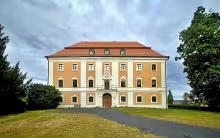
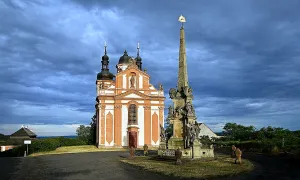
Nestled in the Karlovarský kraj region of the Czech Republic lies the historical monument known as zámek Valeč, located in the village of Valeč. Originally established as a 14th-century fortress, it evolved into a Gothic castle before undergoing significant Baroque transformations in the 17th and 18th centuries. This chateau is notable for its architectural evolution from a defensive structure to a luxurious residence, reflecting shifts in Bohemian power through various historical periods.
The origins of Valeč trace back to a medieval fortress situated on a rocky outcrop within what is now the zámek's park. The first documented mention of a manorial seat dates to 1526 under Jakub Kyšperský z Vřesovic, although it was likely a late Gothic castle at that time. By the mid-16th century, ownership had passed through several hands, including Hugo z Leisnecku and Vilém Hasištejnský z Lobkovic. In 1570, Kryštof Štampach ze Štampachu acquired the manor, and his son Václav initiated a Renaissance reconstruction in 1585. The estate faced political upheaval when it was confiscated by the Imperial Chamber in 1622 due to Václav's refusal to convert from Protestantism.
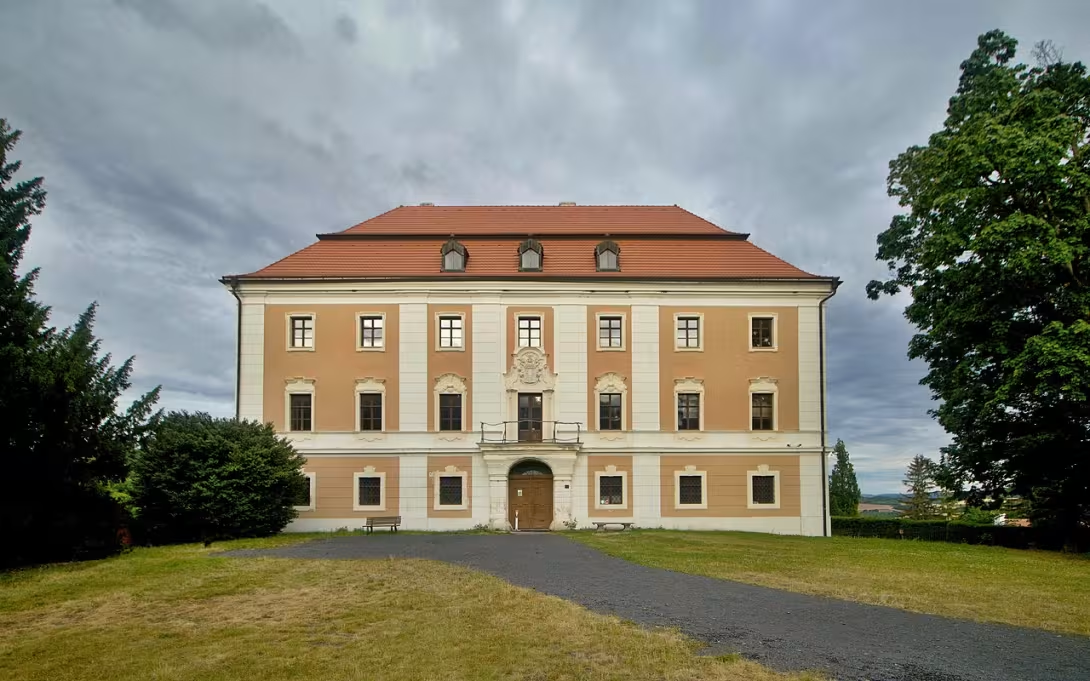
The architectural journey of Valeč continued with its transformation into a Baroque chateau during the late 17th century, under the ownership of the Kager family. This period saw significant contributions from architects Francesco Barelli, Antonio Bianno Rossa, and Jan Kryštof Tyll. The chateau's current form features four two-story wings surrounding an oblong courtyard, with notable elements such as a hall adorned with mirror vaults and stucco decorations dating back to the mid-18th century.
Ownership of Valeč changed hands multiple times over the centuries, reflecting broader political shifts in Central Europe. Notable owners included Jan Gottfried Korb z Weidenheimu in 1798 and Vincenc Thurn-Valsassina in 1890, who commissioned a Neo-Baroque reconstruction. The chateau's history was marked by further turmoil when it was confiscated under the Beneš decrees in 1945. Post-World War II, the site served various purposes, including housing for military veterans and children from Korea.
Today, zámek Valeč stands as a protected cultural monument managed by the National Heritage Institute. The chateau is accessible to the public, offering visitors a glimpse into its rich history through ongoing restoration efforts. Its extensive park, featuring sculptural decorations from M. B. Braun's workshop, adds to its allure. Visitors are invited to explore this remarkable site, where layers of history and architectural beauty converge, making it a worthwhile destination for those interested in the cultural heritage of the Czech Republic.
Then and now
Drag the slider to compare how the landmark may have looked when it was built with the view today.
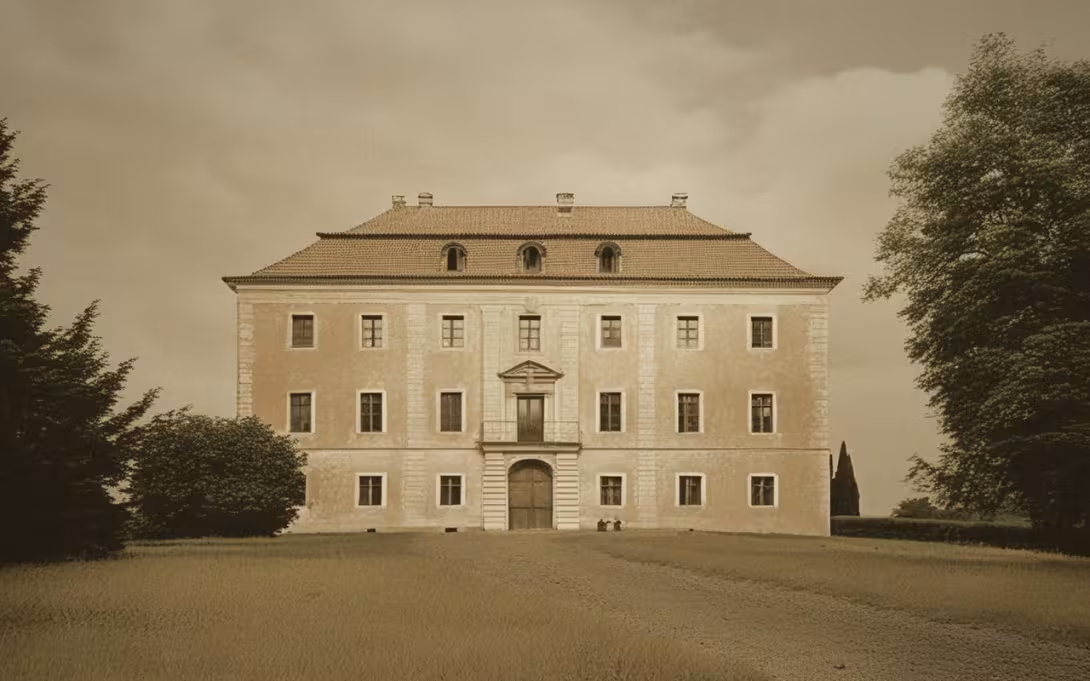
The historical appearance on the left is an AI-generated visualisation and serves as inspiration only.
Historical milestones
- 1526
- First written mention of the manor under Jakub Kyšperský z Vřesovic.
- 1585
- Renaissance reconstruction by Václav Štampach ze Štampachu.
- 1694
- Inheritance by the Kager family, who initiated the Baroque reconstruction.
- 1847
- Neo-Renaissance reconstruction by Karel Korb.
- 1890
- Neo-Baroque reconstruction by Count Vincenc Thurn-Valsassina.
- 1976
- The chateau suffered a fire.
Architectural development
The site evolved from a 14th-century fortress to a Gothic castle, which was rebuilt in Renaissance style in 1585. In the late 17th and early 18th centuries, it was transformed into a two-story Baroque four-wing chateau. Later additions include a Neo-Renaissance rebuild in 1847 and a Neo-Baroque reconstruction in 1890.
Historical events
1526: First written mention of the manor. 1622: Confiscation of the estate by the Imperial Chamber. 1945: Confiscation under the Beneš decrees. 1976: A fire broke out in the chateau.
Owners
Jakub Kyšperský z Vřesovic (1526), Hugo z Leisnecku, Vilém Hasištejnský z Lobkovic (1538), Kryštof Štampach ze Štampachu (1570), Václav Štampach ze Štampachu, Barbora Štampachová z Poutnova (1623), Kager family (1694), Jan Gottfried Korb z Weidenheimu (1798), Vincenc Thurn-Valsassina (1890), Jan Larisch-Mönnich (1937).
Points of interest
– The monument evolved from a 14th-century fortress into a Gothic castle and later underwent Baroque transformations in the 17th and 18th centuries. – In 1622, the estate was confiscated by the Imperial Chamber because Václav refused to convert from Protestantism. – The chateau features four two-story wings around an oblong courtyard and a hall with mid-18th-century stucco decorations and mirror vaults. – Following its confiscation under the Beneš decrees in 1945, the site was used to house military veterans and children from Korea. – The chateau's extensive park includes sculptural decorat
Guide
This guide is narrated by a synthetic voice generated by artificial intelligence.
Show guide text
This text was created by artificial intelligence and has not been editorially reviewed. It may contain inaccuracies.
Welcome to Valeč. As you stand here today, take a moment to truly absorb the presence of the monument before you. You are not merely looking at a building, but at a complex, living chronicle of history that has been written, erased, and rewritten over many centuries. The atmosphere here in the Karlovy Vary region is one of quiet dignity, and this chateau is the centerpiece of that feeling. As you observe the structure, try to look past its current appearance and imagine the layers of time that have shaped its walls. What you see now is the result of a long and often turbulent journey, from a rugged defensive stronghold to a sophisticated palace of elegance and prestige.
To understand what you are looking at, we must journey back to the very beginning. The story of this site begins in the 14th century, long before the refined lines of the palace were established. In those early days, this was not a place of leisure or architectural display, but a fortress. It was built for a much harsher purpose: defense, security, and the control of the surrounding landscape. It was a place of thick walls and strategic importance. As we move through the centuries, we see this fortress evolve into a Gothic castle, a transition that marked the first major shift in its identity. By the year 1526, the manor was already a recognized seat of power, documented under the name of Jakub Kyšperský z Vřesovic. This period laid the foundational importance of the estate, establishing it as a significant landmark in the region.
As you continue to take in the scale of the building, consider how much the concept of a noble residence changed as the centuries progressed. By 1585, the era of the Renaissance was beginning to leave its mark on the landscape. During this time, Václav Štampach ze Štampachu undertook a significant reconstruction. This was a period when the focus began to shift from pure military defense toward a more harmonious blend of strength and aesthetic grace. The Renaissance brought a new sense of order and proportion, and you can sense that evolution in the very bones of the structure.
However, history is rarely a smooth progression of architectural improvement. There are moments of sudden, dramatic change driven by the politics and passions of the time. One such moment occurred in 1622, a year that stands as a pivotal turning point for the estate. During this era of intense religious upheaval, the estate was confiscated by the Imperial Chamber. The reason was deeply personal and profoundly significant: Václav refused to convert from Protestantism. This moment of defiance and the subsequent loss of the estate remind us that the walls of Valeč have witnessed not just the changing fashions of architects, but the high-stakes struggles of faith and political loyalty that shaped the very fabric of society.
Now, let us turn our attention to the most striking aspect of the monument as it stands today. If you look at the overall layout, you will notice the grand, organized structure of a four-wing palace. This is the legacy of the Baroque era, a period of immense transformation that took place during the 17th and 18th centuries. This era of grandeur was ushered in after 1694, when the Kager family inherited the estate. They were the visionaries who initiated the massive Baroque reconstruction that redefined the site. They sought to move away from the medieval and the Renaissance, embracing instead the drama, the scale, and the movement that the Baroque style demands.
The architectural brilliance of this transformation was guided by master hands. As you contemplate the proportions and the design, think of the architects who brought this vision to life, such as Francesco Barelli, Antonio Bianno Rossa, and Jan Kryštof Tyll. Their work helped transform the former castle into a palace centered around a stately rectangular courtyard. This courtyard serves as the heart of the complex, a space that balances the massive wings of the building and provides a sense of organized, classical beauty. Even the influence of great figures like Matyáš Bernard Braun can be felt in the spirit of this era, as the site became a canvas for the highest artistic ambitions of the age.
As we move forward in time, the building continued to adapt to the changing tastes of the nobility. The 19th century brought even more layers to the architectural story. In 1847, the chateau underwent a Neo-Renaissance reconstruction led by Karel Korb, attempting to recapture the elegance of the past through a modern lens. This was followed, a few decades later in 1890, by a Neo-Baroque reconstruction commissioned by Count Vincenc Thurn-Valsassina. These later additions show us that the chateau was never a finished product; it was a continuous work of art, constantly being updated to reflect the status and the aesthetic preferences of its owners. Each era left its fingerprint, creating the multi-layered monument you see before you.
Yet, even a monument as grand as this is not immune to the tragedies of the modern world. In 1976, the chateau suffered a devastating fire. It was a moment that could have signaled the end of this historical journey, but instead, it became a testament to the resilience of the site. Through careful preservation and management by the National Heritage Institute, the chateau has been protected and maintained, ensuring that its story can still be told to visitors like you today.
As you prepare to move closer and perhaps enter the courtyard, I invite you to look for these echoes of the past. Notice how the different styles—the defensive strength of the original fortress, the grace of the Renaissance, the drama of the Baroque, and the revivalist elegance of the 19th century—all coexist within this single, magnificent complex. Every corner of this palace holds a piece of a story, whether it is the story of a family's rise to power, a person's refusal to yield their faith, or an architect's quest for perfection.
Please, take your time. Walk through the spaces, feel the atmosphere of the courtyard, and let your imagination wander through the centuries. The history of Valeč is not just found in books, but in the very stones and the layout of the wings surrounding you. Thank you for joining me on this brief journey through time. I invite you now to continue your exploration and discover the many secrets that this remarkable monument still holds. Enjoy your visit.
Tips for visitors
The best time to visit Zámek Valeč is during the late spring or early autumn months, when the weather is pleasant for exploring both indoors and outdoors. During these times, the extensive park surrounding the chateau is at its most vibrant, with lush greenery and blooming flowers that enhance the experience of the sculptural decorations from M. B. Braun's workshop. Additionally, visiting during this period allows you to avoid the peak summer crowds while still enjoying good lighting conditions for photography.
Parking and transportation options are convenient for visitors to Zámek Valeč. The chateau is accessible by both car and public transport. For those driving, there are parking facilities nearby, although it's advisable to check in advance for any specific details or restrictions. Public transport users can reach the area via regional bus services; however, it's recommended to verify current routes and schedules through a reliable travel search tool before your visit.
When planning your visit to Zámek Valeč, consider bringing comfortable walking shoes as you'll likely spend time exploring both the chateau grounds and the surrounding park. A camera is also essential for capturing the stunning Baroque architecture and the intricate sculptures in the park. Don't forget a light jacket or sweater, even if the weather forecast looks clear, as temperatures can vary throughout the day.
For photography enthusiasts, some of the best spots at Zámek Valeč include the chateau's main entrance and courtyard, where the morning light beautifully illuminates the Baroque architecture. The park offers excellent opportunities for capturing the sculptural decorations in natural light, especially during the golden hours around sunrise or sunset. Be sure to explore different angles and perspectives to make your photos stand out.
Nearby attractions within a 30-minute drive from Zámek Valeč include other historical sites and scenic spots in the Karlovy Vary region. Visitors can enjoy exploring these areas, which offer additional cultural and natural experiences. For families with children, consider planning activities that engage young ones, such as interactive tours or nature walks, to make the visit enjoyable for all ages.
Businesses nearby
Do you run a restaurant, accommodation, shop, museum, rental, wellness or other visitor service near this monument? Show yourself directly to the people heading to it — this is how they will see you in the app and on the web:
Nearby
The chateau is surrounded by an extensive park featuring sculptural decorations from the workshop of M. B. Braun.
Accommodation nearby
Trips and activities nearby
Guided tours, tickets and activities nearby from GetYourGuide
Affiliate link: if you buy from the partner, we may receive a commission. The price for you does not change.
Search tours and activities →Themed route
1. Valeč chateau (Chateau) – Explore the historical architecture and impressive character of this landmark. 2. Valeč courtyard (Courtyard) – Walk through the immediate area of the building to experience the estate's atmosphere. 3. Valeč park (Park) – Stroll through the extensive grounds to discover the sculptural decorations from the workshop of M. B. Braun.
Seasonal recommendations
Spring: Visiting Zámek Valeč during spring offers a unique experience as the castle grounds come to life with blooming flowers and lush greenery, creating a vibrant atmosphere that contrasts beautifully against the historical architecture. The gentle warmth of the season makes it an ideal time for leisurely exploration without the summer crowds. Visitors are advised to wear comfortable layers, as temperatures can vary throughout the day, and early arrival is recommended to fully enjoy the serene beauty before larger groups arrive.
Summer: Summer at Zámek Valeč is characterized by its long daylight hours, providing ample opportunity to explore both the castle's interiors and expansive gardens in full bloom. The warm weather invites visitors to spend time outdoors, enjoying picnics or simply soaking up the sun amidst historical surroundings. However, it's important to prepare for larger crowds during this peak season; dressing lightly and arriving early can help ensure a more enjoyable visit. Don't forget sunscreen and water to stay comfortable throughout your exploration.
Autumn: The autumn months at Zámek Valeč are particularly enchanting as the leaves transform into vibrant hues of red, orange, and gold, creating a picturesque backdrop for castle tours. This season offers a quieter experience compared to summer, with fewer tourists and a more tranquil atmosphere. Visitors should dress warmly in layers to accommodate the cooler temperatures and potential rain showers. The softer light of autumn enhances the castle's historic charm, making it an ideal time for photography enthusiasts.
Winter: Winter brings a magical touch to Zámek Valeč, with snow-covered landscapes adding a fairy-tale quality to its historical setting. While parts of the castle may be closed for re-construction during this season, the surrounding area offers a serene escape from the hustle and bustle of winter festivities elsewhere. Visitors should dress warmly in insulated clothing and wear comfortable shoes suitable for potentially icy paths. Keep in mind that opening hours might be shorter due to the season, so planning your visit with these considerations will help ensure a memorable experience.
Visualizations and artistic views


The visualisations are generated by artificial intelligence and serve as inspiration.
Photos from the area
Real photos taken near the monument


Zdroj a licence jsou uvedeny u každého snímku.
Tips from visitors
No tips yet. Be the first!
Log in and add your tip.
Sources and literature
Fotografie: VitVit / CC BY-SA 4.0 — Wikimedia Commons. The author and licence also appear when you hover over the image.
Faktickým podkladem tohoto textu byl článek na Wikipedii, jehož autory jsou přispěvatelé Wikipedie. Článek je dostupný pod licencí CC BY-SA 4.0.
Location on the map

Fotografie návštěvníků
Zatím žádné fotografie. Buďte první, kdo přidá fotografii z návštěvy!
Přihlaste se a přidejte svou fotografii nebo hodnoťte.
Za ověřenou návštěvu v aplikaci získáte víc bodů — poznáme podle GPS, že jste na místě.
Reviews and comments