






Kostel Neposkvrněného početí Panny Marie (Teplá) Church
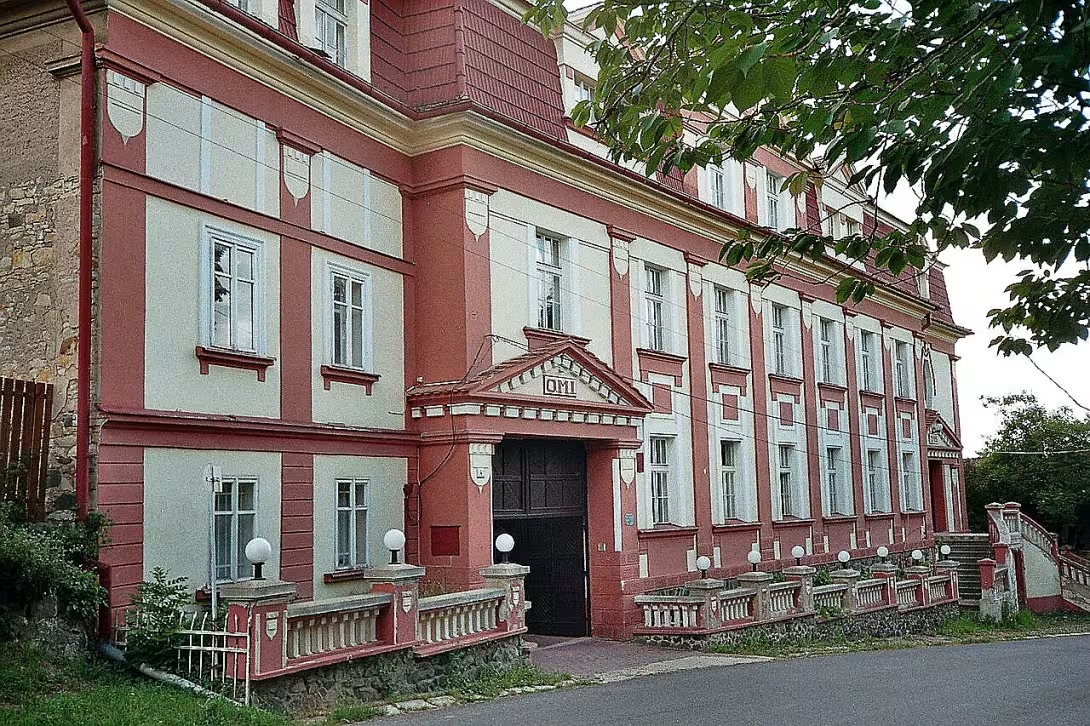
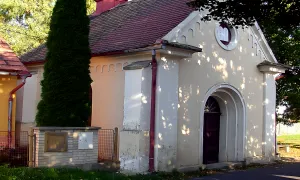
The Church of the Immaculate Conception of the Virgin Mary in Teplá is a Roman Catholic filial church, part of a former convent building. Located in Teplá within the Třebenice district of Ústecký kraj, this monument highlights its historical and cultural importance. Built between 1926 and 1927 by the Missionary Order of Oblates of Mary Immaculate, it showcases baroque architectural influences. The site became prominent due to a healing iron spring discovered nearby in 1710, turning Teplá into a popular pilgrimage destination.
The church's origins are linked to the discovery of this healing iron spring near Teplá in 1710. This significant find led to the construction of a wooden chapel dedicated to the Visitation of Mary, marking Teplá as a site for spiritual and physical healing. As its therapeutic reputation grew, a stone chapel replaced the original wooden structure in 1768, solidifying its status as a pilgrimage destination. The current baroque-style church and convent were constructed between 1926 and 1927 by the Missionary Order of Oblates of Mary Immaculate, reflecting both religious devotion and architectural ambition.
Architecturally, the Church of the Immaculate Conception features typical Baroque elements. The transition from a wooden chapel to a stone structure in 1768 indicates an evolution towards more durable and grandiose forms, culminating in the present church and convent built by the Missionary Order of Oblates of Mary Immaculate between 1926 and 1927. This development highlights architectural progression over centuries, driven by religious significance and practical considerations.
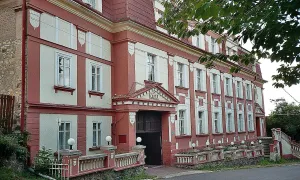
Ownership and administration have changed throughout its history. Initially managed by the Missionary Order of Oblates of Mary Immaculate from 1926 to 1940, it later came under German state administration during World War II as a facility for German refugees from eastern regions. After the war, the building served various roles, including housing a children's home and becoming part of a pioneer organization. Today, the former convent operates as Pension Klášter, offering accommodation and related services.
Key events include the discovery of the healing iron spring in 1710, initiating its development as a pilgrimage destination. The replacement of the wooden chapel with a stone structure in 1768 enhanced its significance. The construction of the current church and convent by the Missionary Order of Oblates of Mary Immaculate between 1926 and 1927 marked another pivotal moment, reflecting religious dedication and architectural advancement.
Today, the Church of the Immaculate Conception stands as a historical monument within Teplá, offering visitors insight into its rich past. The site is managed by Pension Klášter, providing accommodation and services to guests. Its spiritual significance continues under the duchovní správa (spiritual administration) of the Sutomská farnost. Visitors are drawn not only to its architectural beauty but also to its historical narrative as a former pilgrimage site with healing properties.
The Church of the Immaculate Conception in Teplá is more than an architectural marvel; it is a living testament to centuries of religious devotion, cultural evolution, and community resilience. Its history offers insights into the spiritual life of past generations while continuing to serve contemporary needs. This monument invites visitors to explore its storied past and appreciate its enduring legacy as a place of healing and faith.
Then and now
Drag the slider to compare how the landmark may have looked when it was built with the view today.
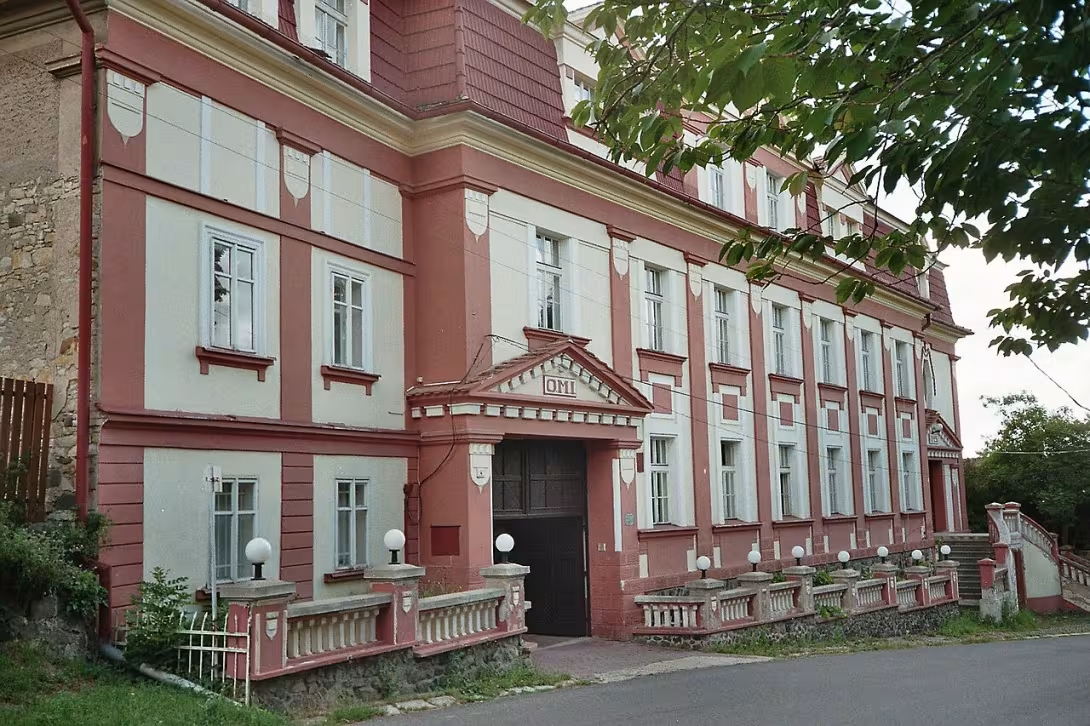
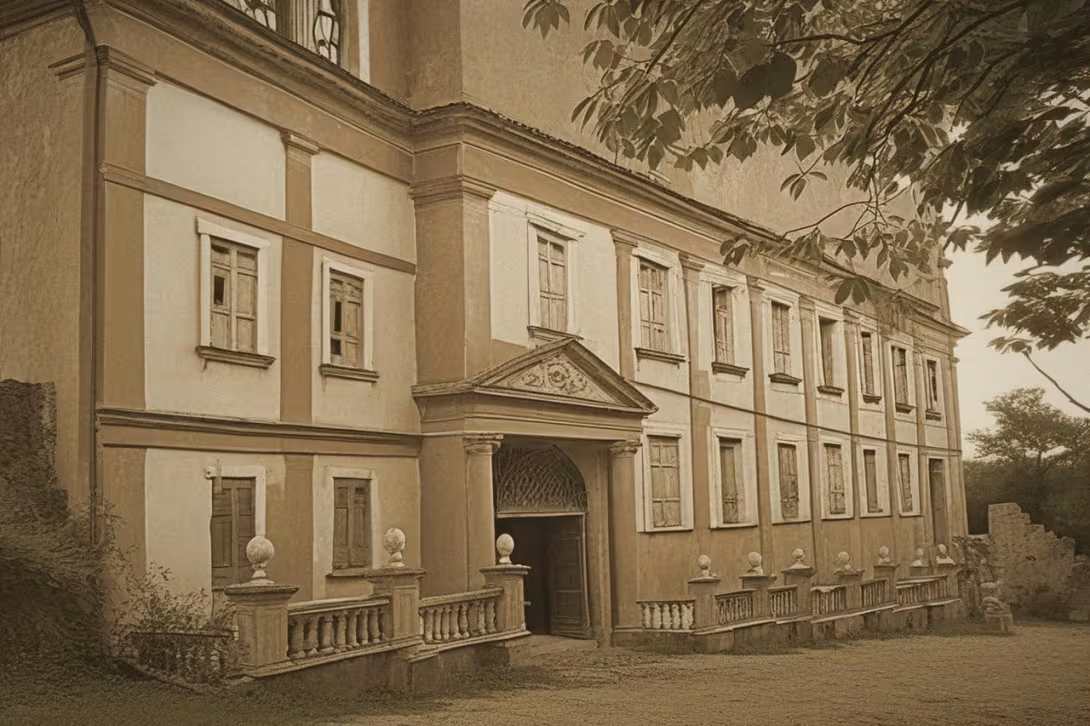
The historical appearance on the left is an AI-generated visualisation and serves as inspiration only.
Historical milestones
- 1710
- Discovery of a healing iron spring near Teplá.
- 1768
- Construction of a stone chapel replacing the original wooden one.
- 1926–1927
- Building of the current church and convent by the Missionary Order of Oblates of Mary Immaculate.
Architectural development
The architectural development began with a wooden chapel in 1710, which was replaced by a stone chapel in 1768. The present baroque-style church and convent were built between 1926 and 1927 by the Missionary Order of Oblates of Mary Immaculate.
Historical events
1710: Discovery of a healing iron spring near Teplá, leading to the construction of a wooden chapel dedicated to the Visitation of Mary.
1768: The original wooden chapel was demolished and replaced with a stone chapel due to its significance as a pilgrimage site.
1926–1927: Construction of the current church and convent by the Missionary Order of Oblates of Mary Immaculate.
Owners
The Missionary Order of Oblates of Mary Immaculate (1926–1940), German state administration during WWII, Children's Home post-WWII, Pioneer Organization, currently operates as Pension Klášter.
Guide
This guide is narrated by a synthetic voice generated by artificial intelligence.
Show guide text
This text was created by artificial intelligence and has not been editorially reviewed. It may contain inaccuracies.
Welcome to the Church of the Immaculate Conception of the Virgin Mary in Teplá, a place where history and spirituality converge amidst the serene backdrop of Ústecký kraj. As you stand here, enveloped by the tranquility of this historic site, imagine stepping into a story that began over three centuries ago.
The journey of this sacred space traces back to 1710 with the discovery of a healing iron spring nearby. This miraculous find marked the beginning of Teplá's spiritual significance. Initially, a simple wooden chapel dedicated to the Visitation of Mary was erected to honor this divine gift, serving as a beacon for those seeking solace and healing.
Fast forward to 1768, when the original wooden structure gave way to a more enduring stone chapel, reflecting the growing importance of this site in the hearts of pilgrims. However, it's between 1926 and 1927 that we witness the birth of the church as you see it today—a Roman Catholic filial church built by the Missionary Order of Oblates of Mary Immaculate. This construction not only preserved but also expanded upon the baroque origins of its predecessors, creating a sanctuary that continues to welcome souls seeking peace and reflection.
As you gaze upon this architectural marvel, notice how it seamlessly blends with the surrounding convent buildings, forming a cohesive whole that speaks volumes of its rich history. The church's design, though specific details are not documented here, invites you to explore its baroque influences, encouraging a deeper appreciation for the artistry and devotion embedded in every stone.
This site is more than just a place of worship; it's a testament to resilience and faith. During World War II, when much was uncertain, the Church and its convent served as a sanctuary, offering refuge and hope amidst turmoil. This period adds a layer of profound significance to your visit, reminding us of the enduring power of faith in challenging times.
Among the many stories woven into the fabric of this place, one stands out—a story of healing that began with an iron spring. It's fascinating to think how such a humble beginning could lead to the establishment of a significant pilgrimage site, attracting visitors from far and wide, each drawn by tales of miracles and hope.
As we conclude our journey through time at this remarkable church, I invite you to linger a moment longer, absorbing the atmosphere that has been shaped by centuries of faith, history, and healing. Whether you're here seeking spiritual solace or simply to marvel at its architectural beauty, remember that every corner of this place holds stories waiting to be discovered.
Thank you for joining me on this exploration of the Church of the Immaculate Conception of the Virgin Mary in Teplá. May your visit inspire reflection and wonder as you continue to uncover the layers of history and spirituality embedded within its walls. Safe travels on your journey, wherever it may lead.
Tips for visitors
The best time to visit the Church of the Immaculate Conception of the Virgin Mary in Teplá is during late spring or early autumn. During these seasons, the weather is typically mild and pleasant, making it ideal for exploring both the church and its natural surroundings. Additionally, visiting outside of peak tourist months can provide a more serene experience, allowing you to appreciate the historical architecture without large crowds.
Parking and transportation options are convenient in Teplá. There is parking available near the church, but it's advisable to check local resources for any restrictions or fees. Public transport is accessible, with buses serving the area; however, specific schedules should be verified using a travel planner or app. The proximity of the church to the source of the healing iron spring makes it easily reachable on foot from nearby accommodations.
When visiting the Church of the Immaculate Conception, consider bringing comfortable walking shoes as you may want to explore the surrounding landscape and pilgrimage routes. A camera is recommended for capturing the stunning architecture and natural beauty of the area. Additionally, carrying a light jacket or sweater can be useful due to variable weather conditions.
Photography enthusiasts will find several spots around the church ideal for capturing its architectural details. The best lighting for photographs is usually during the early morning or late afternoon when the sunlight creates soft shadows that enhance textures and features of the building. Exploring the surrounding landscape can also provide unique backdrops for your shots, especially near the healing spring.
For families with children visiting the church, there are several activities to enjoy nearby within a 30-minute distance. The natural landscape around Teplá offers opportunities for short hikes or walks that are suitable for all ages. Exploring the area where the healing iron spring originates can be both educational and entertaining for kids. Additionally, local parks provide space for relaxation and play.
Businesses nearby
Do you run a restaurant, accommodation, shop, museum, rental, wellness or other visitor service near this monument? Show yourself directly to the people heading to it — this is how they will see you in the app and on the web:
Events nearby



Zdroj akcí: otevřená data měst a obcí ČR (Národní katalog otevřených dat) a kalendář akcí Národního památkového ústavu.
Nearby
Teplá is located near the source of a healing iron spring, which contributed to its historical significance. The surrounding landscape includes natural features that have supported its status as a pilgrimage site.
Accommodation nearby
Trips and activities nearby
Guided tours, tickets and activities nearby from GetYourGuide
Affiliate link: if you buy from the partner, we may receive a commission. The price for you does not change.
Search tours and activities →Themed route
Thematic Tour Itinerary: Teplá and its Pilgrimage Heritage
1. Kostel Neposkvrněného početí Panny Marie (Teplá) - Church Begin your journey at the heart of Teplá with the iconic Kostel Neposkvrněného početí Panny Marie. This church is renowned for its stunning architectural beauty and spiritual significance, drawing pilgrims from across the region. Its history as a pilgrimage site dates back centuries, making it an essential stop to appreciate both its religious importance and artistic details.
2. Healing Iron Spring - Natural Feature A short walk from the church will lead you to the source of Teplá's famous healing iron spring. This natural feature has been central to the town’s historical significance as a health resort. Visitors often stop here to experience the serene environment and learn about the traditional beliefs in its curative properties, which have attracted visitors for generations.
3. Pilgrimage Path - Walking Trail Follow the pilgrimage path that winds through Teplá's picturesque landscape. This trail offers an immersive experience into the town’s spiritual heritage, allowing you to explore the natural beauty surrounding the church and spring. The path provides a peaceful setting for reflection, making it a perfect complement to your visit to the church.
4. Teplá Historical Center - Urban Area Conclude your tour by strolling through Teplá's historical center. This area showcases traditional architecture and offers insights into the town’s development over time. The charming streets and buildings provide context for the pilgrimage tradition, highlighting how the community has thrived around its spiritual and natural resources.
This itinerary captures the essence of Teplá as a site of religious and natural significance, offering visitors a comprehensive experience of its historical and cultural landscape.
Seasonal recommendations
Spring: Visiting the Church of the Immaculate Conception in Teplá during spring offers a unique experience as nature begins to awaken around this historic site. The blooming flora and fresh greenery create a picturesque backdrop, enhancing the serene atmosphere that envelops the church. This season is ideal for capturing beautiful photographs with vibrant colors complementing the architectural beauty of the church. While the weather can be unpredictable, bringing layers is advisable in case of sudden changes. Early mornings are often quieter, providing an opportunity to explore without large crowds.
Summer: The summer months bring a lively atmosphere to the Church of the Immaculate Conception as visitors flock to enjoy the warm weather and longer days. This period is characterized by lush landscapes surrounding the church, with gardens in full bloom adding to its charm. Due to increased visitor numbers during this peak season, it's recommended to arrive early in the day to avoid crowds and fully appreciate the site at a leisurely pace. Comfortable walking shoes and light clothing are essential for exploring comfortably.
Autumn: Autumn transforms the Church of the Immaculate Conception into an enchanting destination with its rich tapestry of fall colors. The changing leaves provide a stunning contrast against the church's historic facade, creating a magical setting perfect for photography enthusiasts. As temperatures begin to cool, wearing layers is advisable to stay comfortable during your visit. This season often sees fewer visitors than summer, offering a more tranquil experience while still enjoying the beauty of the site.
Winter: The winter months offer a unique charm at the Church of the Immaculate Conception, with snow-covered landscapes creating a serene and picturesque setting. The church's architecture is beautifully highlighted against the white backdrop, making it an ideal time for those who appreciate the quietude that comes with fewer visitors. Due to shorter daylight hours, planning your visit during midday can ensure you have ample time to explore. Warm clothing and sturdy footwear are essential to enjoy the site comfortably in colder weather.
Visualizations and artistic views


The visualisations are generated by artificial intelligence and serve as inspiration.
Photos from the area
Real photos taken near the monument


Zdroj a licence jsou uvedeny u každého snímku.
Tips from visitors
No tips yet. Be the first!
Log in and add your tip.
Sources and literature
Fotografie: ahz / CC BY-SA 3.0 — Wikimedia Commons. The author and licence also appear when you hover over the image.
Faktickým podkladem tohoto textu byl článek na Wikipedii, jehož autory jsou přispěvatelé Wikipedie. Článek je dostupný pod licencí CC BY-SA 4.0.
Location on the map
Příběhy a pověsti
Legendy, pověsti a příběhy spjaté s touto památkou

Příběh: Kostel Neposkvrněného početí Panny Marie (Teplá)
Bylo to v pondělí ráno, kdy Jan z Teplého, místní řezník s chladným okem a vážnými myšlenkami na čele, se toulal úzkými uličkami. Vzduch byl napjatý a vztekl…
Číst příběh
Pověst: Kostel Neposkvrněného početí Panny Marie (Teplá)
Podle místní pověsti tomu bylo za časů, kdy kraj pod Krušnými horami dřel v tiché chudobě a lidé znali jedinou medicínu — trpělivost a modlitbu. Byl rok 1710…
Číst příběhFotografie návštěvníků
Zatím žádné fotografie. Buďte první, kdo přidá fotografii z návštěvy!
Přihlaste se a přidejte svou fotografii nebo hodnoťte.
Za ověřenou návštěvu v aplikaci získáte víc bodů — poznáme podle GPS, že jste na místě.
Reviews and comments