






kaple Navštívení Panny Marie (Teplá) Chapel
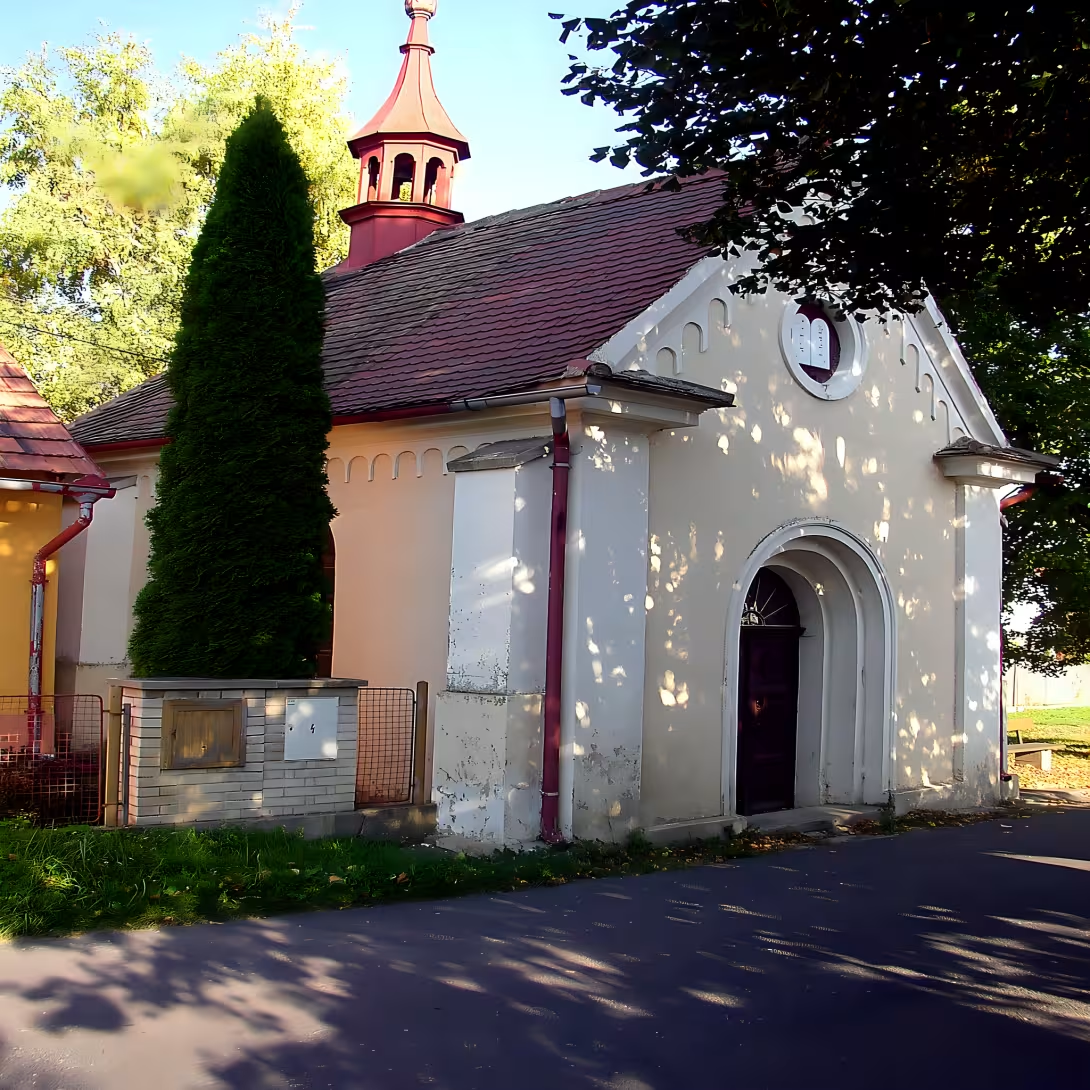
The Chapel of Visits of the Virgin Mary in Teplá is a remarkable sacred building near Třebenice in Ústecký kraj, Czech Republic. Originally built over the healing iron spring discovered in 1710, it became an important pilgrimage place due to its healing properties. The current form of the chapel dates back to 1854 and contains significant baroque architectural elements reflecting religious and cultural developments in the early 18th century.
The origin of this chapel is connected to the discovery of the medical iron spring in 1710, leading to the construction of the original wooden structure. This site quickly gained popularity as a pilgrimage destination due to its healing properties. In 1768, however, the original wooden chapel was destroyed and replaced by a more durable brick building. The final reconstruction between 1853 and 1854 resulted in the performance of the chapel.
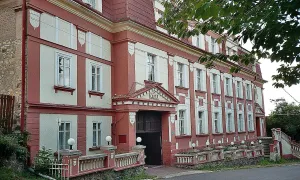
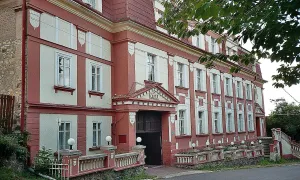
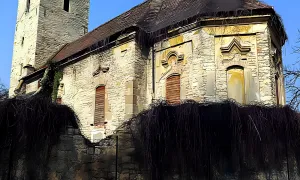
Architecturally, the Chapel of the Visit of the Virgin Mary features its Baroque style, including smooth walls supported by pillars, semi-circular windows and opus sectile frieze. It is equipped with a rectangular layout with a triangular cap, and both the ship and the presbytery are covered with a one-way roof. A significant element of the chapel is the sacristy placed above the cap, while the triumphal arch remains smooth and semi-circular.
During its history, the chapel was under the spiritual administration of the parish in Sutom. A Baroque copy of the Klatov Madonna was once placed in the interior, revered as a protector of rinderpest. This painting was stolen in 1993, but later replaced by precise reproduction, which maintains the historical and cultural importance of the chapel.
Today, the chapel of the visit of the Virgin Mary is proof of the region's rich religious heritage and its connection to healing traditions. Visitors can appreciate its architectural beauty and historical artifacts, which makes it a valuable destination for interested people to discover Czech history and baroque art. The chapel remains accessible to tourists and offers the possibility to immerse itself in the past while experiencing the peaceful atmosphere of this sacred place.
Then and now
Drag the slider to compare how the landmark may have looked when it was built with the view today.
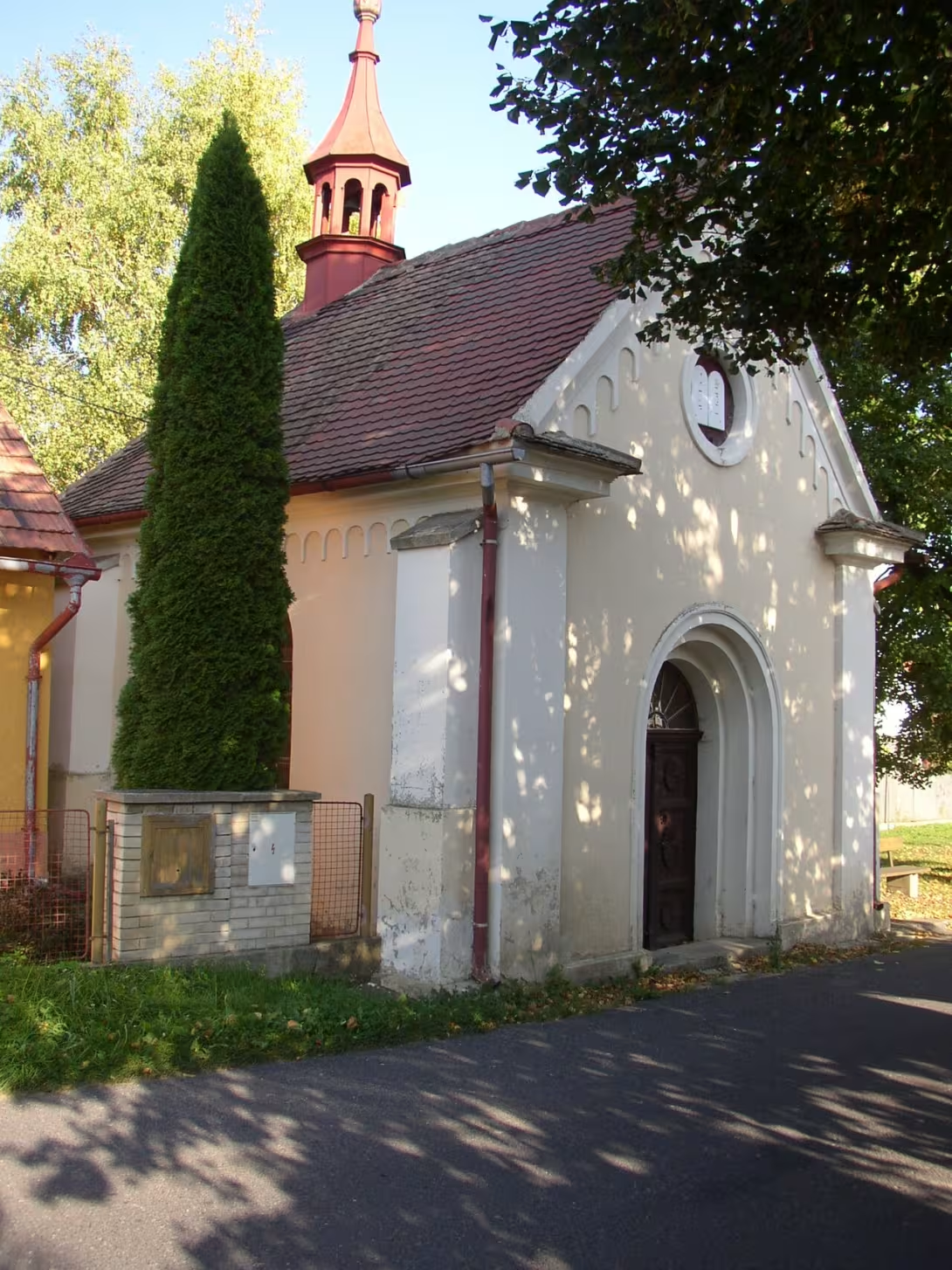
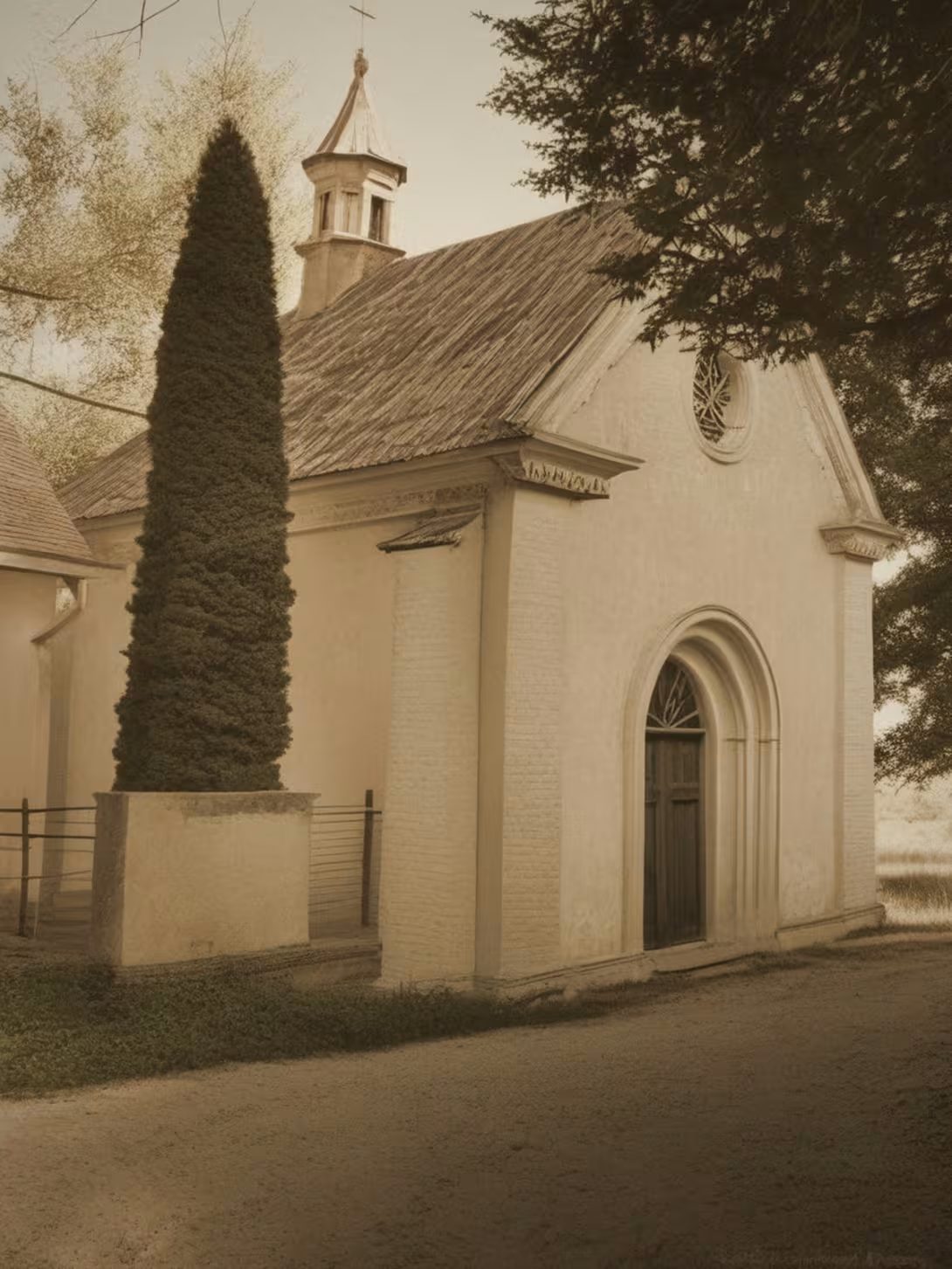
The historical appearance on the left is an AI-generated visualisation and serves as inspiration only.
Historical milestones
- 1710
- The discovery of a healing iron spring.
- 1768
- The original wooden chapel was destroyed and replaced by a brick construction.
- 1854
- Reconstruction leading to the existing form of chapel.
Architectural development
The chapel has undergone significant architectural changes from its original baroque structure to the iron spring to its destruction and replacement by a brick building. The final reconstruction in 1854 gave her her appearance, characterized by smooth walls, beams and semi-circular windows.
Historical events
1710: Discovering a healing iron spring leading to the construction of the original chapel.
1768: Original wooden chapel destroyed, replaced by brick construction.
1853-1854: Reconstruction leading to the existing form of the chapel.
Points of interest
- The chapel was built over a healing iron spring discovered in 1710.
- The original wooden chapel was torn down and replaced by a brick chapel in 1768.
- The current form of the chapel dates back to 1854.
- Inside was a copy of the painting of the so-called Klatov Madonna, revered as a protector of cattle plague.
- The Baroque copy was stolen in 1993 and replaced by a true copy of the original painting.
Guide
This guide is narrated by a synthetic voice generated by artificial intelligence.
Show guide text
This text was created by artificial intelligence and has not been editorially reviewed. It may contain inaccuracies.
Welcome to the Chapel of Visitation of the Virgin Mary in Teplá, a quiet and sacred place nestled near Třebenice in Ústecký kraj. As you stand here, take a moment to appreciate the peaceful environment that hugs this historic chapel. His presence arouses a sense of peace and respect and invites you to his ancient past.
The origin of this chapel dates back to 1710 with the discovery of a medicinal iron spring nearby. This remarkable find quickly drew attention to its alleged healing properties, which set the place as an early pilgrimage site. At first, a simple wooden chapel was built in the spring, which served as a place of comfort and reflection for many.
By 1768, however, the original wooden structure was subject to time and elements, which required replacing it with a more durable brick structure. This transition meant a new chapter in the history of the chapel and ensured that it could continue to serve generations seeking comfort in this sacred place.
The form you see today came from a major reconstruction completed in 1854. While specific architectural details remain elusive thanks to unknown architects and historical figures, the chapel radiates an aura of baroque elegance. As you examine its exterior, notice how the structure harmonises with its natural environment and creates an timeless bond between nature and spirituality.
Even though there are no significant stories or personalities directly linked to this chapel in our records, its very existence speaks of the community being dedicated to preserving the place of healing and worship for centuries. The chapel is a testament to human resilience and belief, which has adapted to various transformations while maintaining its spiritual essence.
One interesting aspect of this site is its connection to the healing iron spring found in 1710. This unique feature contributed not only to the initial popularity of the chapel, but also underlines the historical importance of natural treatments. Imagine the countless individuals who have visited over the years, drawn by hope and faith, seeking comfort from the waters that are believed to have recovery capabilities.
As you continue your visit, I invite you to think for a moment about the layers of history that cover this site. Do not hesitate to explore its surroundings, perhaps even the landscape that witnessed centuries of change. May the peace of this place inspire the contemplation and recognition of the continuing spirit it represents.
Thank you for joining me on this journey through time in the chapel of the Virgin Mary. May your visit here be rewarding and unforgettable. Finally, I suggest you continue to explore the miracles Teplá offers. Safe travels, and may your journey lead you to many other discoveries.
Tips for visitors
Best time to visit the chapel Visiting the Virgin Mary in Teplá is at the end of spring or early autumn. During these seasons the weather is usually mild and pleasant, making it ideal for exploring the chapel and the surrounding area without the discomfort of summer heat or winter. In addition, visiting outside the top tourist season means fewer crowds, allowing you to enjoy a quieter experience.
Parking and transport are suitable for visitors. The area around Teplá can be reached by car, with parking nearby. For those who prefer public transport, it is accessible through regional bus transport; However, to ensure the most efficient route, specific routes should be checked in advance using travel planners or local transit pages.
When planning your visit, consider bringing comfortable walking shoes and clothes suitable for weather, as you may want to explore the area of the chapel. A camera is recommended to capture the picturesque view of the chapel and its natural surroundings. If you visit during colder months, don't forget a light jacket or sweater.
Shooting enthusiasts will find several places around the Chapel Visits ideal for capturing stunning images. The best lighting conditions are usually in early morning or late afternoon hours, when sunlight is softer, creating beautiful shadows and highlighting. Try to capture the chapel from different angles, including its peaceful surroundings near Třebenice.
For families with children, visiting this chapel can be both instructive and pleasant. A quiet setting provides an excellent opportunity for a quiet walk or picnic in a nearby area. Make sure to involve children by explaining the historical importance of the site and encouraging them to watch out for local flora and fauna during your walk.
Businesses nearby
Do you run a restaurant, accommodation, shop, museum, rental, wellness or other visitor service near this monument? Show yourself directly to the people heading to it — this is how they will see you in the app and on the web:
Events nearby



Zdroj akcí: otevřená data měst a obcí ČR (Národní katalog otevřených dat) a kalendář akcí Národního památkového ústavu.
Nearby
PHARMAShow interactive okolí - Restaurant, accommodation, numerous and other city in the district 15 km.
Data: OpenStreetMap contributors, district 15 km.
Historical monuments
- Skalka (1.1 km)
- Doly (2.0 km)
- Oltáre (3,1 km)
- Ouncle (4.9 km)
- Pamplate obu commie zv3ZX (6.4 km)
- Plague stone (1680) (7.2 km)
- Jan Evangelist Purkyně (10.7 km)
- Castle Kamyk (11.1 km)
ANNEX
- Chernodoln (6.9 km)
- Sparta (12.2 km)
- U KataxZ3ZX (12.5 km - U Katovna 58 / 59)
- Vicar (12.5 km)
- Radník (12.6 km)
- Brewery Hall (12.6 km)
- Vinoteka (12.6 km)
- U Golden Phežanta (12.6 km)
ANNEX
- Guesthouse Kocourov (4.4 km)
- Guesthouse ORÁČ (6.2 km)
- Jordan (7.1 km)
- Urnosecké vintáří s.r.o. (8.9 km)
- U Saint Wenceslas (12.4 km)
- Guesthouse Mácha (12.4 km - Bakery 496 / 17)
- Hostel St. Stephen's (12.6 km - Komenské 748 / 4)
- Brewery Hall (12.6 km)
Handlebars and sports
- City pool ASK Lovosice (7.0 km)
- Yacht-club Lovosice (7.0 km)
- K + S (10.7 km)
- Skicenter (12.4 km)
- norskamodaxZ3ZX (12.6 km)
- Rooms Camp (12.9 km - Teplická 2327)
- Sokol (13.0 km)
- Yacht-club Lovosice (13.0 km)
Garantica Tourism and nature
- Koštál (1.3 km)
- Košták (rozc.) (1,5 km)
- White top (1.7 km)
- Boreč (3.2 km)
- Struzenka (4.1 km)
- Vchynice (4.3 km)
- Leipzig Hora (4.6 km)
- Lovos (5.6 km)
Accommodation nearby
Trips and activities nearby
Guided tours, tickets and activities nearby from GetYourGuide
Affiliate link: if you buy from the partner, we may receive a commission. The price for you does not change.
Search tours and activities →Themed route
Thematic cruise route: Chapel of the Virgin Mary (Teplá)
1. Chapel Visit of the Virgin Mary * Type: * Religious monument * Why is it worth visiting: * This chapel is the center of spiritual life in the village Teplá and offers a peaceful atmosphere for prayer and reflection. It is a historical architectural style that represents the essentials that count on compulsory and cultural obligations.
2. Church of St. Vavřice * Type: * Church * Why is it worth a visit: * This church is another important religious bridge in villages that offers a rich history and architecture area. Its interior and art elements are survived for those to be about historical buildings.
3. Local Traditional Market * Type: * Cultural event * Why is it worth a visit: * Traditional procedures in Warm are part of a system that is designed for the main business that applies to various products and technologies. The market wall offers instrumentation for basic gastronomy and interaction with small people.
4. * Type: * Garden * Why is it worth a visit: * The Garden in Warm is an ideal place for those who are also intended to arrive and relax. It offers beautiful green spaces and the possibility of permitted species of plant, which is excellent for the milestones of botany.
5. Civil House * Type: * Historical building * Why is it worth a visit: * The Civil House in Warm compares as a cultural and administrative centre where industrial activities are held. It is a historical look that stretches those that are meant to be about architecture and the whole area.
This route offers combined products, Culturals and natural atocks in Teplá, which allows the use of small life and tradition.
Seasonal recommendations
Spring: The Chapel of the Blessed Virgin Mary in Teplá offers a representation of the city of spring, where the colic event is passed through its winter residence. Leaves on trees counting the quantities and occupancy of chapels in the living colour plan, which will be delivered in quantities and new values. The sunny days are with the numbered walls of the nights, which are adhered to in the pristine siege, which can be cancelled by modifications according to regulations. Visit the chapel early in the morning or late in the evening to avoid a crowd of tourists Wednesday and enjoy a quiet atmosphere.
Summer: Summer in the Warm Recalculating of the slender sunny days that are ideal for your own use of the Chapel of the Invisible Virgin Mary. The significant ceiling of the chapel is dazzling production and consumption in the surrounding area is in the resulting production costs necessary to achieve this historic goal. As a result of the fact that it is State aid, that the chapel will be a tourist, so that a national contribution early in the morning or other aid evening is permitted and it is provided for as State aid. Forget the solar limit and enough water to avoid dehydration during your walk.
Autumn: Autumn of the transfer of the Chapels of the Virgin Mary into earthly beauty with its golden and red leaves, which are flattering in historical condition. The atmosphere is expressed in conjunction with the summer crowd by tourists, which allows an intimate experience of the enchanted simple chapel. Sunshine days are valid, but in fact they can become cold, so it's common to spill over in an overarching siege and perhaps with rain for curly substitutes. The best data for determining the quantity to be determined or may be given in the report to be published if this information is true and if the proposed silent beauty.
Winter: During winter, the maple Navstaví Virgin Mary is surrounded by a snow coat, which takes on a different type of atmosphere not during spring and summer. Ice trees and snow on the ground add a romantic touch to the historical chapel project, which I make an ideal bridge for a peaceful visit. The remaining days are listed in the Annex and cold so that they may exceed the limit established with this outfit, gloves and hat. Inject the chapel early in the morning or may evening to enjoy a quiet experience without many people, which is to be enhanced to appreciate my winter beauty.
Visualizations and artistic views


The visualisations are generated by artificial intelligence and serve as inspiration.
Photos from the area
Real photos taken near the monument


Zdroj a licence jsou uvedeny u každého snímku.
Atmosphere of the place
This atmospheric visualisation of the place and period was generated by artificial intelligence. It is not real footage of the location.
Tips from visitors
No tips yet. Be the first!
Log in and add your tip.
Sources and literature
Fotografie: User:Miaow Miaow / Public domain, rozlišení zvýšeno umělou inteligencí — Wikimedia Commons. The author and licence also appear when you hover over the image.
Faktickým podkladem tohoto textu byl článek na Wikipedii, jehož autory jsou přispěvatelé Wikipedie. Článek je dostupný pod licencí CC BY-SA 4.0.
Location on the map
Příběhy a pověsti
Legendy, pověsti a příběhy spjaté s touto památkou

Fotografie návštěvníků
Zatím žádné fotografie. Buďte první, kdo přidá fotografii z návštěvy!
Přihlaste se a přidejte svou fotografii nebo hodnoťte.
Za ověřenou návštěvu v aplikaci získáte víc bodů — poznáme podle GPS, že jste na místě.
Reviews and comments