






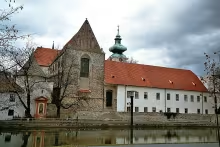
The Church of the Sacrifice of the Virgin Mary in České Budějovice is a remarkable historical monument. It stands as a testament to the city's medieval origins and architectural evolution. Located on Piaristic Square, this church was founded concurrently with the establishment of České Budějovice in 1265, making it one of the oldest structures in the region. Its significance lies not only in its age but also in its preservation of early Gothic architecture alongside Baroque and Rococo elements. This creates a unique blend of styles that reflect centuries of cultural influences.
The church's origins are deeply intertwined with the urban development of České Budějovice during the 13th century. Founded under King Přemysl Otakar II, the city and its accompanying church were part of a broader European trend where monasteries and towns supported socio-economic growth. The initial construction was completed around 1300, with the presbytery consecrated in 1274. Over the centuries, it underwent numerous modifications, particularly during the 14th, 17th, and 19th centuries, introducing Baroque elements while retaining its Gothic core.
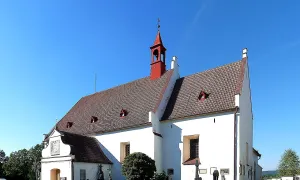
Architecturally, the Church of the Sacrifice of the Virgin Mary is a monumental example of early Gothic design. The exterior features lancet windows with typical Gothic tracery—circled three-leaves divided into two parts ending in rosettes—and massive supporting columns that project outward, terminating in isosceles triangles. These elements are complemented by seven decorative niches on the peak and a stone gargoyle shaped like a frog under the roof. Local legend claims this gargoyle predicts the end of the world when it reaches the top.
Inside, the church preserves its early Gothic style with minor Baroque additions. The three-nave basilica structure includes an embedded transept and a southern entrance connected by two portals to the cloister. The interior is characterized by low aisles divided from the nave by six pairs of columns, cross vaults with profiled ribs in seven bays, and keystones decorated with human heads instead of traditional vegetable motifs. Notably, the church houses some of the most valuable murals in the Czech Republic, including a dual-mural opposite the southern entrance depicting the holy Virgin, Christ, and a knelt donator, as well as an extensive mural of Saint Christopher on the left side.
Throughout its history, the church has seen various owners and administrators. Initially managed by the Dominicans from 1265 to 1548 and again from 1587 to 1784, it was later overseen by the Piarists between 1785 and 1870, followed by the Redemptorists until 1950. These transitions reflect broader historical shifts in religious and political landscapes.
Today, the Church of the Sacrifice of the Virgin Mary remains a significant cultural and historical site. While some chapels have been lost to time, such as the Gothic chapel of Margaret the Virgin and the chorale chapel, others like the chapel of Saint George continue to exist, albeit without public access. The church's enduring architectural beauty and its collection of medieval frescoes make it a must-visit destination for anyone interested in exploring the rich history of České Budějovice.
Visiting this monument offers a unique opportunity to step back into the past and experience the blend of Gothic, Baroque, and Rococo styles that have shaped its structure over centuries. Its historical significance and artistic treasures make it an invaluable part of southern Bohemia's cultural heritage, inviting visitors to appreciate the enduring legacy of medieval architecture and artistry.
Historical milestones
- 1265
- Foundation of České Budějovice and the church.
- 1274
- Consecration of the presbytery.
- 1300
- Completion of the main structure.
Architectural development
The church's construction began with the presbytery, completed by 1274. The main structure was finished around 1300. Over time, it underwent several modifications in the 14th, 17th, and 19th centuries, incorporating elements of Baroque style while retaining its early Gothic character.
Historical events
The church was consecrated in 1274, shortly after its foundation alongside the city of České Budějovice in 1265.
Significant architectural modifications occurred during the 14th, 17th, and 19th centuries.
Owners
The church was initially managed by the Dominicans from 1265 to 1548 and again from 1587 to 1784. It was then overseen by the Piarists between 1785 and 1870, followed by the Redemptorists until 1950.
Points of interest
- The Church of the Sacrifice of the Virgin Mary features a unique stone gargoyle in the shape of a frog under its roof; local legend humorously suggests that when this gargoyle reaches the top, it will signal the end of the world.
- Despite its early Gothic origins, the church's interior includes some Baroque elements, such as keystones adorned with human heads rather than traditional vegetable motifs, reflecting an intriguing blend of stylistic influences over time.
Guide
Show guide text
Welcome to the historic and artistic gem of southern Bohemia: the Klášterní kostel Obětování Panny Marie in České Budějovice. As you stand on Piaristické náměstí, take a moment to absorb the grandeur before you. This church is not just an architectural marvel but also a testament to centuries of history and culture.
Let's begin with its origins. In 1265, České Budějovice was founded, marking the birthplace of this magnificent church. By 1274, the presbytery had been consecrated, and by 1300, the main structure stood complete. Over the years, it has witnessed the ebb and flow of various religious orders, from the Dominikáni who first inhabited it between 1265–1548 and again from 1587–1784, to the Piaristé from 1785–1870, followed by the Redemptoristé until 1950.
As you gaze upon its façade, notice how the church retains much of its original early Gothic style. Despite various modifications over centuries, it preserves an authentic charm that speaks volumes about its storied past. The structure's silhouette against the sky is a testament to the architectural prowess of unnamed architects who crafted this timeless piece.
Now, let your eyes wander around and take in the details. While much of the church’s interior has evolved, the exterior still whispers tales from the Gothic era. Pay attention to the unique stone gargoyle perched under its roof—a frog that adds a touch of whimsy and local folklore to this sacred site. Legend humorously suggests that when this gargoyle reaches the top, it will herald the end of the world.
As you continue your exploration, consider the lives of those who have walked these grounds. The Dominikáni, Piaristé, and Redemptoristé each left their mark on this place, shaping its spiritual and cultural legacy. Their stories are interwoven with the very stones that make up this church.
Before you move on, take a moment to ponder over this charming mystery—the frog gargoyle. It's these small curiosities that add layers of intrigue to your visit, inviting both laughter and reflection.
Thank you for joining me in uncovering the rich tapestry of history at the Church of the Sacrifice of the Virgin Mary. I invite you to continue exploring its many stories and secrets as you wander through České Budějovice. Until next time, may your journey be filled with discovery and wonder.
Tips for visitors
The best time to visit Klášterní kostel Obětování Panny Marie is during the late spring or early autumn months, when the weather is mild and pleasant for exploring the historical surroundings of České Budějovice. During these times, you can enjoy outdoor activities in the city's medieval core without the crowds that typically accompany summer tourism. Additionally, visiting on weekdays may provide a more serene experience as opposed to weekends.
Parking near the church is available but can be limited due to its central location within the historical area of České Budějovice. Public transportation is recommended for ease of access; buses and trams serve the city center, making it convenient to reach the church without a car. For those driving, consider parking in designated areas outside the medieval core and walking or using public transport to reach the site.
When visiting Klášterní kostel Obětování Panny Marie, bring comfortable walking shoes as you'll likely explore more than just the church itself. A hat, sunscreen, and water are advisable if traveling during warmer months. If you're interested in learning more about the history of the site, consider bringing a guidebook or downloading information on your mobile device before arrival.
For photography enthusiasts, the best spots to capture Klášterní kostel Obětování Panny Marie include its exterior façade and the surrounding medieval architecture. Early morning light can provide soft illumination for photographs, while late afternoon offers dramatic shadows that highlight the church's intricate details. Remember to respect any restrictions on flash photography inside the church.
Nearby attractions within a 30-minute walk or short public transport ride include remnants of the original town fortifications and other historical buildings in České Budějovice's medieval core. These sites offer additional context and insight into the city's rich history, complementing your visit to the church.
For families with children, consider planning a day that combines visiting Klášterní kostel Obětování Panny Marie with other child-friendly activities in České Budějovice. The area around the church is pedestrian-friendly and offers plenty of space for kids to explore safely. Look into any guided tours or interactive exhibits available at the church that might engage younger visitors.
Businesses nearby
Do you run a restaurant, accommodation, shop, museum, rental, wellness or other visitor service near this monument? Show yourself directly to the people heading to it — this is how they will see you in the app and on the web:
Nearby
The church is located in České Budějovice, surrounded by historical buildings and forming part of the city's medieval core. The area includes remnants of the original town fortifications.
Accommodation nearby
Trips and activities nearby
Guided tours, tickets and activities nearby from GetYourGuide
Search tours and activities →Themed route
Thematic Walking Tour of České Budějovice
1. Kostel Obětování Panny Marie (Church) *Type:* Historical Religious Site The Church of the Presentation of the Virgin Mary is a stunning example of Gothic architecture, located in the medieval core of České Budějovice. This church stands as a testament to the city's rich history and religious heritage, making it an essential starting point for any visit.
2. Remnants of Town Fortifications *Type:* Historical Landmark Just a short walk from the church, explore the remnants of České Budějovice’s original town fortifications. These historical structures offer insight into the city's medieval past and its strategic importance in regional defense systems.
3. Surrounding Historical Buildings *Type:* Architectural Tour As you continue your tour, take time to appreciate the surrounding historical buildings that form part of České Budějovice’s medieval core. These structures showcase a variety of architectural styles and reflect the city's evolution through centuries. Each building tells its own story, contributing to the rich tapestry of local history.
This thematic walking tour provides an immersive experience into the heart of České Budějovice, focusing on its historical and cultural landmarks without straying beyond the immediate vicinity of the Church of the Presentation of the Virgin Mary.
Seasonal recommendations
Spring: Visiting the Church of the Presentation of the Virgin Mary during spring offers a unique experience as nature awakens around České Budějovice. The surrounding gardens and landscapes are lush with blooming flowers, creating a vibrant tapestry that complements the church's historic architecture. This season is ideal for photography enthusiasts who wish to capture the interplay of natural light filtering through stained glass windows. Visitors should be prepared for occasional rain showers; thus, carrying an umbrella or wearing waterproof clothing is advisable. The weather can be mild but unpredictable, so layered clothing is recommended. Spring mornings tend to have fewer crowds, making it a perfect time for those seeking a more serene visit.
Summer: Summer brings the church into full bloom with longer daylight hours and warm temperatures that enhance its beauty. This season is characterized by bright sunlight that illuminates the intricate details of the building's façade and interior decorations. The atmosphere during this period is lively, with increased foot traffic from both locals and tourists enjoying the region’s cultural offerings. To avoid the peak afternoon heat and larger crowds, it is recommended to visit early in the morning or later in the evening when temperatures are more comfortable. Wearing light, breathable clothing is advisable, along with sun protection such as hats and sunglasses.
Autumn: Autumn transforms České Budějovice into a picturesque setting, with the Church of the Presentation of the Virgin Mary surrounded by a palette of warm colors from falling leaves. The cooler temperatures provide an ideal climate for exploring the church without the discomfort of summer heat. This season offers a quieter atmosphere as the tourist influx begins to wane, allowing visitors to appreciate the tranquility and historical ambiance more fully. As days become shorter, it is wise to plan visits during daylight hours to make the most of natural lighting. Layered clothing that can be adjusted for changing temperatures throughout the day is recommended.
Winter: In winter, the Church of the Presentation of the Virgin Mary exudes a serene charm under a blanket of snow or frosty conditions typical of the region. The shorter days mean that visits should be planned to coincide with daylight hours, as some services may have limited access during early mornings and late afternoons. The church's interior provides warmth and comfort from the cold outside, making it an inviting destination for those seeking a peaceful retreat. Visitors are encouraged to dress warmly in layers, including hats, gloves, and insulated footwear. While crowds are generally smaller compared to summer months, attending on weekdays can offer an even more tranquil experience.
Visualizations and artistic views

Vizualizace jsou generovány umělou inteligencí a slouží jako inspirace.


Tips from visitors
No tips yet. Be the first!
Log in and add your tip.

Reviews and comments