






Kostel svatého Štěpána (Bílá Hůrka) Church
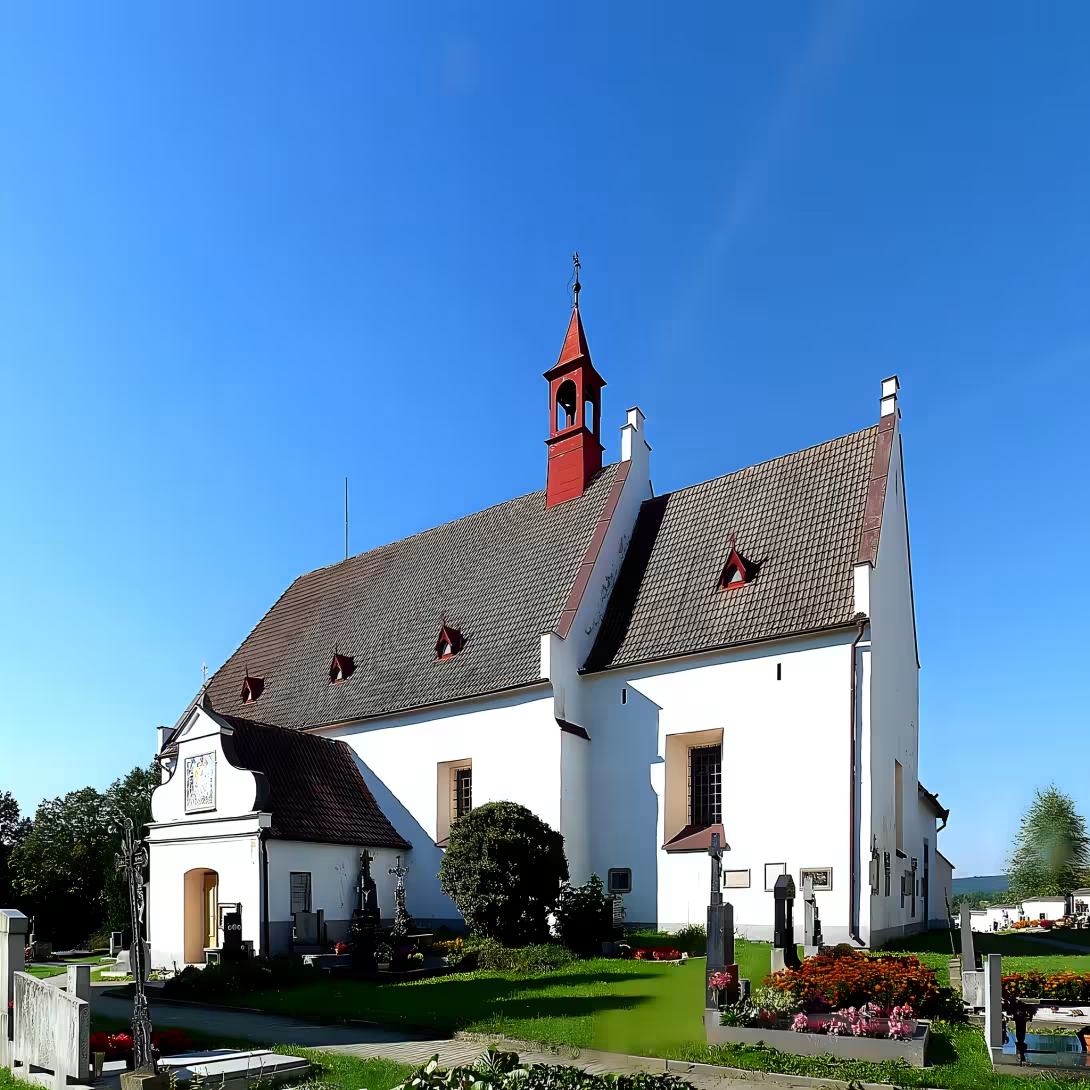
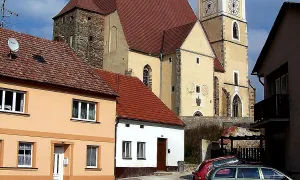
The Church of Saint Stephen in Bílá Hůrka is a historic Gothic church dating back to the 13th century. Situated in the village of Bílá Hůrka within the Dříteň municipality and administratively part of Malešice, it holds cultural significance as an example of architectural evolution over centuries. The church is notable for its historical architecture and its association with legendary aviator Vít Fučík, who rests in the nearby cemetery.
Originally constructed during the 13th century, a period marked by significant cultural and architectural development across Bohemia under Gothic influence, this era saw many churches and castles built throughout Europe. The Church of Saint Stephen is believed to have been erected on what was once a pagan sacrificial site or burial ground, adding historical intrigue to its origins.
Architecturally, the church began as a Gothic structure in the 13th century. Over time, it underwent several transformations reflecting evolving styles and needs. A major renovation occurred in the 18th century, followed by further modifications at the end of the 19th century. These changes preserved the church while adapting its form to contemporary requirements.
The churchyard surrounding Saint Stephen's Church enhances its cultural significance with features like a tomb marked by an early 20th-century iron cross replica where Vít Fučík is buried. It also includes a pseudogothic oratory dedicated to Our Lady of Lourdes and a mortuary chapel, adding religious and historical depth.
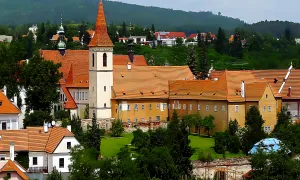
Throughout its history, the Church of Saint Stephen has been under the administration of the římskokatolická farnost Bílá Hůrka. The churchyard features an independent four-story bell tower with two notable bells named Zikmund and Marie, contributing to the site's auditory heritage.
Today, the Church of Saint Stephen remains a significant cultural landmark in Bílá Hůrka. It is accessible to visitors interested in exploring its rich history and architectural beauty. Its historical significance, association with Vít Fučík, and unique features like the bell tower and oratory make it an attractive destination for those interested in Gothic architecture and Bohemian cultural heritage.
Visiting the Church of Saint Stephen offers a chance to connect with the past through its enduring structures and stories. Its historical layers invite exploration and reflection, making it valuable for both history enthusiasts and casual visitors alike.
Then and now
Drag the slider to compare how the landmark may have looked when it was built with the view today.
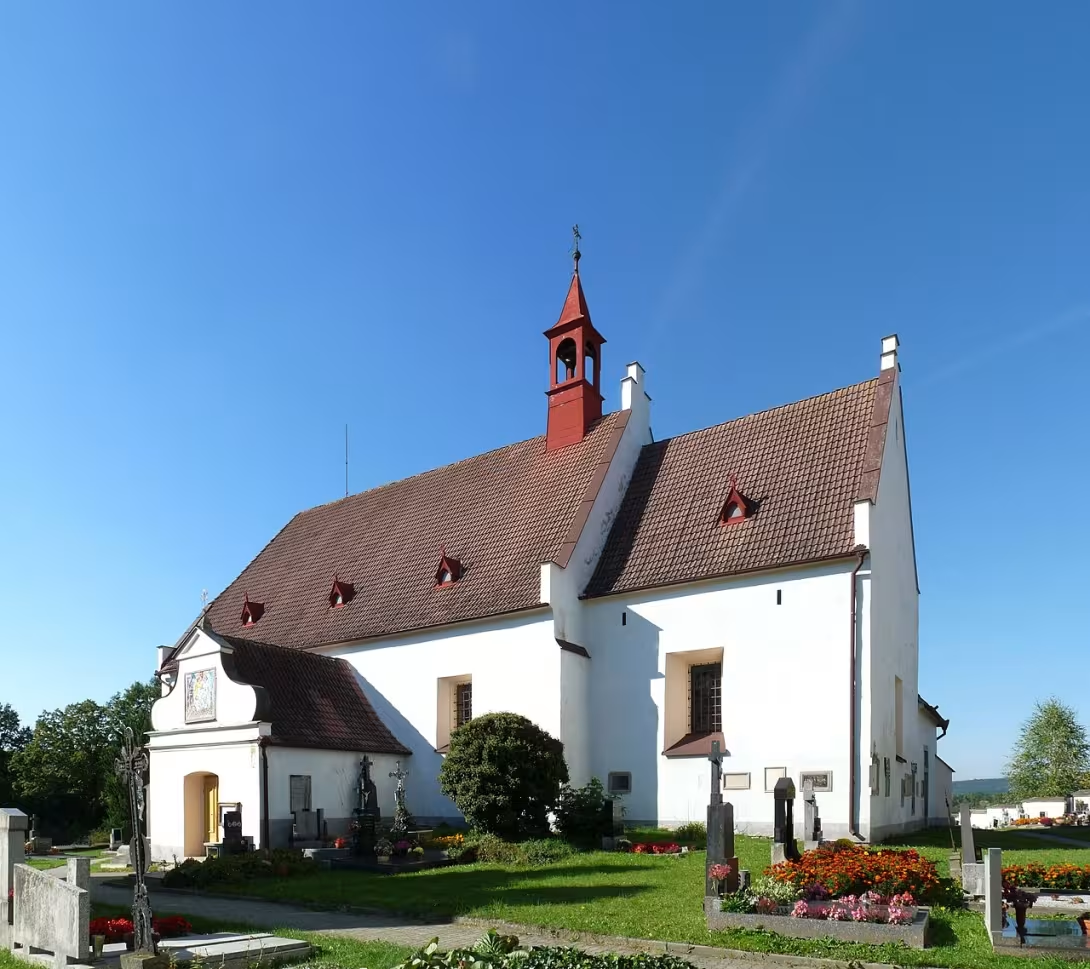
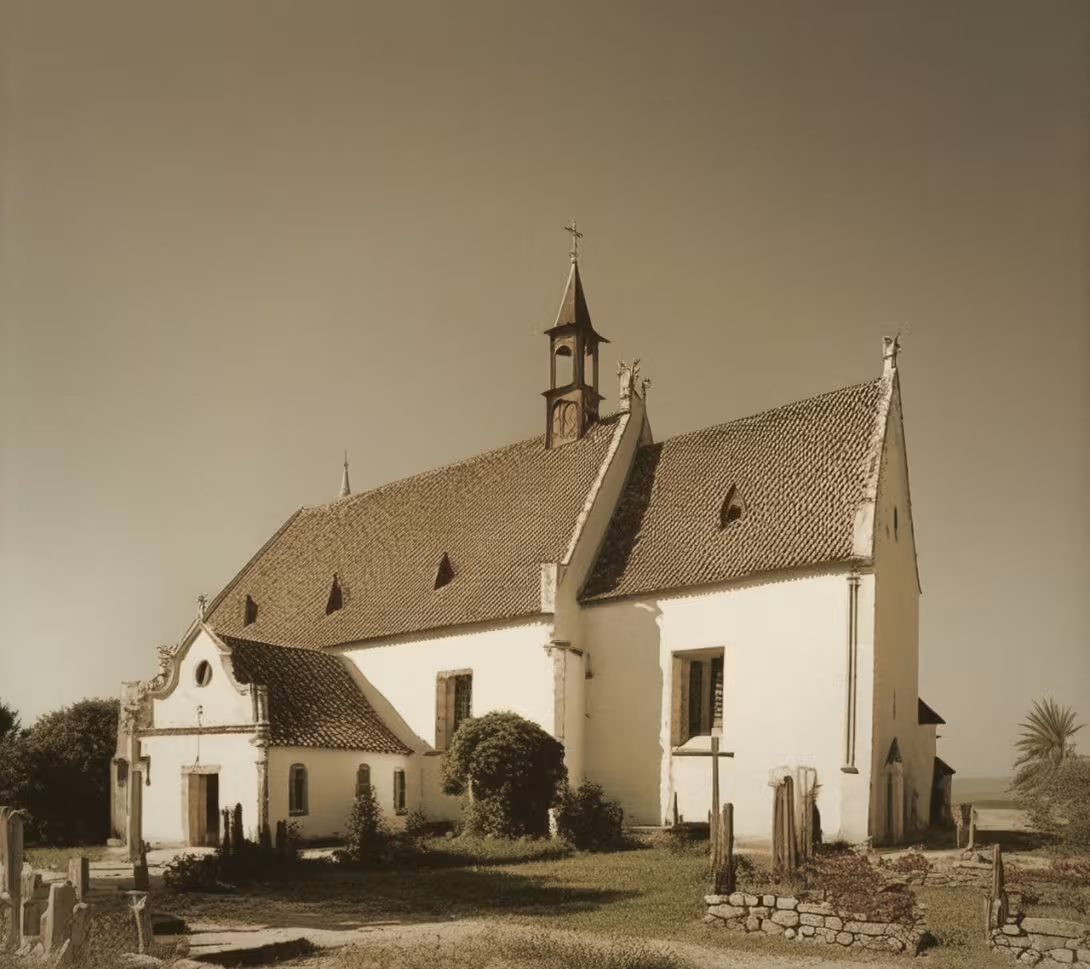
The historical appearance on the left is an AI-generated visualisation and serves as inspiration only.
Historical milestones
- 13th century
- Construction of the Church of Saint Stephen in Bílá Hůrka.
- 18th century
- Major renovation of the church reflecting evolving architectural styles.
- Late 19th century
- Further modifications to adapt the church's form to contemporary needs.
- Early 20th century
- Installation of an iron cross replica in the churchyard for Vít Fučík.
Architectural development
The Church of Saint Stephen began as a Gothic structure in the 13th century. It underwent major renovations in the 18th century and additional modifications towards the end of the 19th century, reflecting evolving architectural styles.
Historical events
The original Gothic structure was built in the 13th century.
A significant renovation occurred in the 18th century.
Further renovations were completed at the end of the 19th century.
Points of interest
- The Church of Saint Stephen is believed to have been built on a former pagan sacrificial site or burial ground, adding an intriguing layer to its historical origins.
- A pseudogothic oratory dedicated to Our Lady of Lourdes stands in the churchyard, reflecting the blend of religious influences and architectural styles over time.
- The bell tower at Saint Stephen's Church houses two notable bells named Zikmund and Marie, contributing to the site’s unique auditory heritage and cultural significance.
- Despite its Gothic origins, the church underwent significant renovations in the 18th century and further modifications at the end of the 19th century, showcasing an architectural evolution that reflects changing styles and needs over centuries.
- Vít Fučík, a legendary aviator known for his resistance efforts during World War II, is buried near the church, adding to its historical allure with connections to significant figures in Czech history.
Guide
This guide is narrated by a synthetic voice generated by artificial intelligence.
Show guide text
This text was created by artificial intelligence and has not been editorially reviewed. It may contain inaccuracies.
Welcome to the historic Church of Saint Stephen in Bílá Hůrka! As you stand here on this serene site, take a moment to absorb the rich tapestry of history that surrounds you. The church's Gothic architecture stretches gracefully towards the sky, its form a testament to centuries of devotion and transformation.
Let's delve into its origins. Constructed in the 13th century, the Church of Saint Stephen was built during an era when Gothic architectural styles were flourishing across Europe. While the original architects remain unknown, their vision has endured through time, creating a space that continues to inspire awe. This church wasn't just constructed for worship; it's believed to have been erected on a former pagan sacrificial site or burial ground. Imagine the layers of history beneath your feet—a place where ancient traditions once held sway.
As you look around, notice how the architecture has evolved over time. The 18th century brought significant renovations that reflected changing architectural tastes and styles. These modifications were further refined in the late 19th century to meet contemporary needs. Today, as you stand here, you can see these layers of history interwoven into the fabric of the church.
Now, let's focus on a particularly poignant aspect of this site—the legendary aviator Vít Fučík. Buried nearby is this remarkable figure whose life and legacy add an intriguing dimension to the church’s story. In the early 20th century, an iron cross replica was installed in the churchyard in his honor—a touching tribute that connects aviation history with spiritual reverence.
In the churchyard itself, there's a pseudogothic oratory dedicated to Our Lady of Lourdes. This charming structure reflects the blend of religious influences that have shaped this sacred space over time. It’s a beautiful reminder of how faith and culture intertwine here in Bílá Hůrka.
Before you move on, take a moment to ponder the mysteries and stories encapsulated within these walls. The Church of Saint Stephen is more than just an architectural marvel; it's a living chronicle of history, spirituality, and human endeavor.
As your audio guide comes to an end, I invite you to explore further, perhaps wandering through the churchyard or simply taking in the tranquil atmosphere. Thank you for joining me on this journey into the past, and may your visit leave you with lasting memories and inspiration.
Tips for visitors
The best time to visit the Church of Saint Stephen in Bílá Hůrka is during late spring or early autumn when the weather is pleasant, and the surrounding nature is at its most vibrant. This period offers a comfortable climate for exploring both the church and its picturesque surroundings without the crowds that may be present during peak tourist seasons like summer holidays.
Parking and transportation to Bílá Hůrka are convenient, with options available for both private vehicles and public transport. Visitors can drive their own cars or use nearby parking facilities if available. For those preferring public transport, it is advisable to check current routes and schedules in advance using a reliable travel app or website, as this will ensure a smooth journey to the site.
When planning your visit, consider bringing comfortable walking shoes, especially if you intend to explore the surrounding area of Bílá Hůrka. Additionally, carrying a light jacket is recommended due to variable weather conditions in the region. Don't forget water and some snacks for a pleasant day out exploring this historic site.
For photography enthusiasts, the best spots around the Church of Saint Stephen are those that capture its Gothic architecture against the backdrop of the natural landscape. Early morning or late afternoon light provides soft illumination that enhances the church's features. Be mindful of lighting conditions and try different angles to get the most captivating shots.
Nearby attractions within a 30-minute drive include other historical sites in Jihočeský kraj, offering a glimpse into the region’s rich cultural heritage. These nearby locations provide additional opportunities for exploration and learning about local history and traditions.
Businesses nearby
Do you run a restaurant, accommodation, shop, museum, rental, wellness or other visitor service near this monument? Show yourself directly to the people heading to it — this is how they will see you in the app and on the web:
Accommodation nearby
Trips and activities nearby
Guided tours, tickets and activities nearby from GetYourGuide
Affiliate link: if you buy from the partner, we may receive a commission. The price for you does not change.
Search tours and activities →Themed route
Tematická výletní trasa: Kostel svatého Štěpána (Bílá Hůrka)
1. Kostel svatého Štěpána (Bílá Hůrka) - Kostel Start your tour at the Church of Saint Stephen, an iconic landmark in the village of Bílá Hůrka. This Baroque church is renowned for its architectural richness and historical significance. It's a perfect spot for those interested in Czech architecture history and religious traditions.
2. Obec Bílá Hůrka - Místní park About 5 minutes' walk from the church, you'll find a charming local park where you can relax and enjoy the natural beauty of the area. The park offers peaceful paths and spots for rest, making it an ideal way to refresh after exploring the church.
3. Obec Bílá Hůrka - Místní tradiční restaurace After visiting the park, head to a local traditional restaurant in the village where you can savor regional dishes. This stop is a great opportunity to experience local cuisine and relax after a full day of sightseeing.
4. Nádvoří kostela svatého Štěpána - Nádvoří After lunch, return to the church courtyard where you can explore additional details and architectural elements. This spot is ideal for photography and reflecting on the historical significance of the church.
This tour offers a comprehensive view of the cultural and natural beauties of Bílá Hůrka, with an emphasis on its main landmark - the Church of Saint Stephen.
Seasonal recommendations
Spring: Visiting the Church of Saint Stephen during spring offers a unique opportunity to experience its serene beauty amidst blooming nature. The fresh greenery surrounding Bílá Hůrka and the gentle warmth of the sun create an inviting atmosphere that enhances the historical charm of the church. As flowers begin to blossom, the area becomes vibrant with color, providing a picturesque backdrop for your visit. During this season, it's advisable to wear comfortable layers as temperatures can vary throughout the day. Early mornings are ideal for exploring, allowing you to enjoy the tranquility before larger crowds arrive.
Summer: Summer is the peak season for visiting the Church of Saint Stephen, attracting visitors with its warm, sunny days and extended daylight hours that illuminate the church's architectural details beautifully. The lush landscape around Bílá Hůrka is in full bloom, creating a vibrant setting perfect for leisurely walks or picnics nearby. However, be prepared for larger crowds during this time, especially on weekends and holidays. Arriving early in the morning can help you avoid the midday heat and the busiest times, ensuring a more peaceful experience.
Autumn: Autumn brings a stunning transformation to Bílá Hůrka with its vibrant foliage painting the landscape in shades of red, orange, and yellow. The cooler temperatures make it an ideal time for outdoor activities around the Church of Saint Stephen, offering a cozy atmosphere that complements the historical ambiance. As the days grow shorter, lighting conditions change, casting warm hues over the church's exterior. This season is perfect for those who appreciate nature’s beauty without the summer crowds, though wearing layers is recommended to stay comfortable as temperatures can fluctuate.
Winter: Winter transforms Bílá Hůrka into a serene and magical setting, with snow often blanketing the landscape around the Church of Saint Stephen. The church's architecture takes on a new character under the soft glow of winter lighting, creating an enchanting atmosphere that is particularly striking during early morning or late afternoon visits when natural light is at its most dramatic. While the visitor numbers tend to be lower, it’s important to dress warmly and check opening hours as they may be reduced due to shorter daylight hours. Visiting in winter offers a peaceful experience, allowing for contemplation amidst the quiet beauty of the season.
Visualizations and artistic views


The visualisations are generated by artificial intelligence and serve as inspiration.
Tips from visitors
No tips yet. Be the first!
Log in and add your tip.
Sources and literature
Fotografie: Czeva / CC BY-SA 3.0, rozlišení zvýšeno umělou inteligencí — Wikimedia Commons. The author and licence also appear when you hover over the image.
Faktickým podkladem tohoto textu byl článek na Wikipedii, jehož autory jsou přispěvatelé Wikipedie. Článek je dostupný pod licencí CC BY-SA 4.0.
Location on the map


Příběhy a pověsti
Legendy, pověsti a příběhy spjaté s touto památkou
Fotografie návštěvníků
Zatím žádné fotografie. Buďte první, kdo přidá fotografii z návštěvy!
Přihlaste se a přidejte svou fotografii nebo hodnoťte.
Za ověřenou návštěvu v aplikaci získáte víc bodů — poznáme podle GPS, že jste na místě.
Reviews and comments