






kostel Nejsvětější Trojice (Klášter) Church
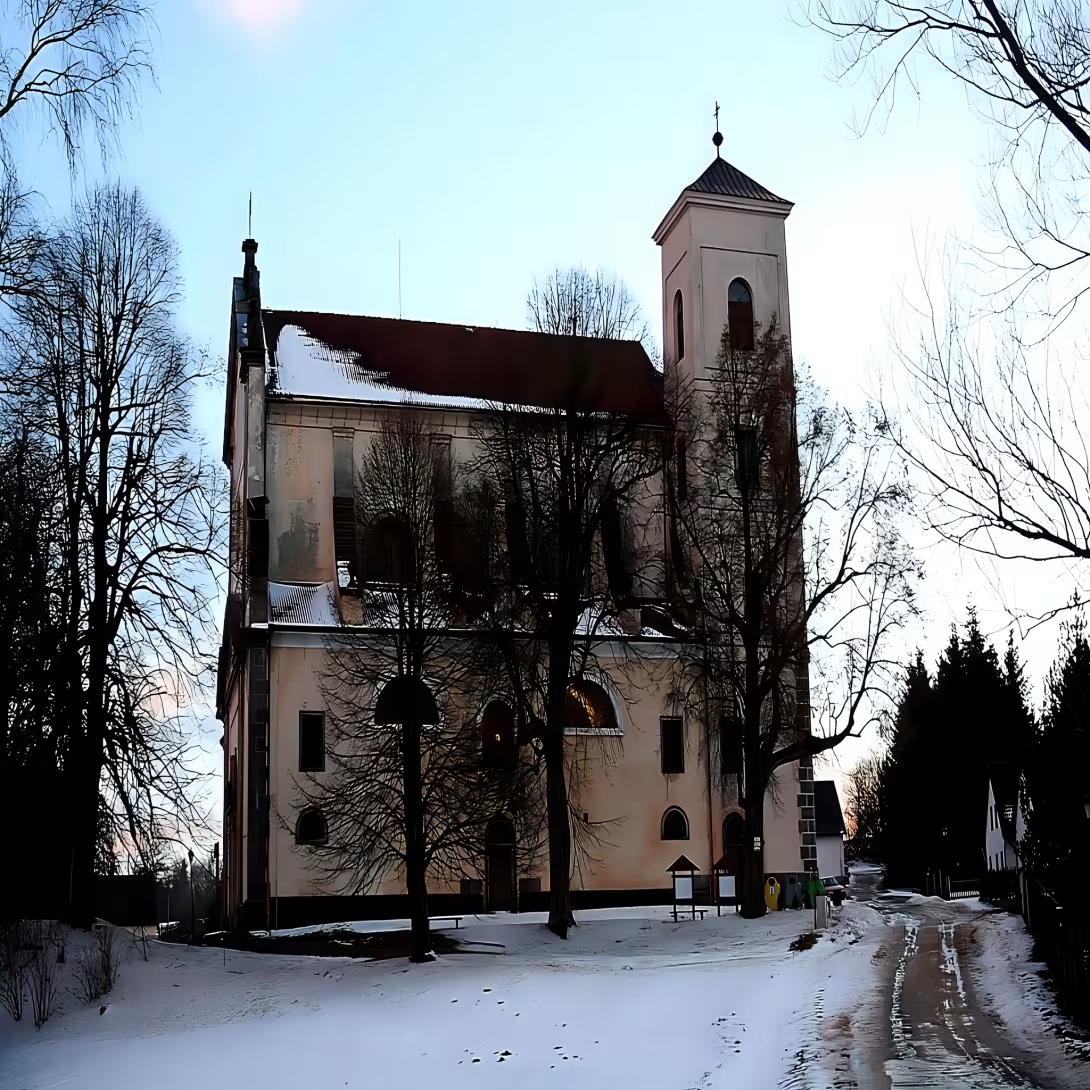
The Church of the Holy Trinity in Klášter is a notable example of early Baroque architecture, built between 1668 and 1682 as part of a Pauline monastery complex. Situated near Nová Bystřice within the Jindřichův Hradec district, this cultural monument features intricate stucco work and a unique altar at the confluence of three springs. Its historical significance is highlighted by its listing as a cultural monument in the Czech Republic.
The original church and monastery were destroyed by fire in 1533. The current structure was designed by Francesco Caratti and constructed under Giovanni Domenico Ossi's supervision between 1668 and 1682. This period saw Bohemia, part of the Habsburg Monarchy, experiencing religious tensions between Catholicism and Protestantism. Baroque architecture, known for its dramatic expressions and elaborate details, flourished across Europe during this era.
Architecturally, the Church of the Holy Trinity exemplifies early Baroque design with intricate stucco decorations by Giovanni Bartolommeo Cometa, enhancing its aesthetic appeal. The church's interior boasts these detailed works, contributing significantly to its artistic value. A unique feature is its altar at the confluence of three springs, adding symbolic and visual significance.
Ownership and administration have changed dramatically over time. Initially linked with a Pauline monastery, it was dissolved in 1785 by Joseph II. The physical structure of the monastery was demolished in 1959, marking an end to this ecclesiastical site's era.
Throughout its history, several key events and curiosities have marked the church's existence. Notably, the original church and monastery were burned down in 1533, leading to the construction of the current structure between 1668 and 1682. Another point of interest is a life-size wooden sculpture known as the "Tree of Life," dating back to the 17th century. This piece was meticulously restored in 2001 and stands approximately two meters tall, depicting events from the end of Christ's life along with symbolism of the Holy Trinity.
Today, the Church of the Holy Trinity remains accessible for visitors, inviting exploration of its rich history and architectural beauty. Its cultural significance is enhanced by its status as a protected monument, ensuring future generations can appreciate its historical and artistic value. Visitors are encouraged to explore this remarkable example of early Baroque architecture, where history and artistry converge in Klášter's serene landscape.
Then and now
Drag the slider to compare how the landmark may have looked when it was built with the view today.
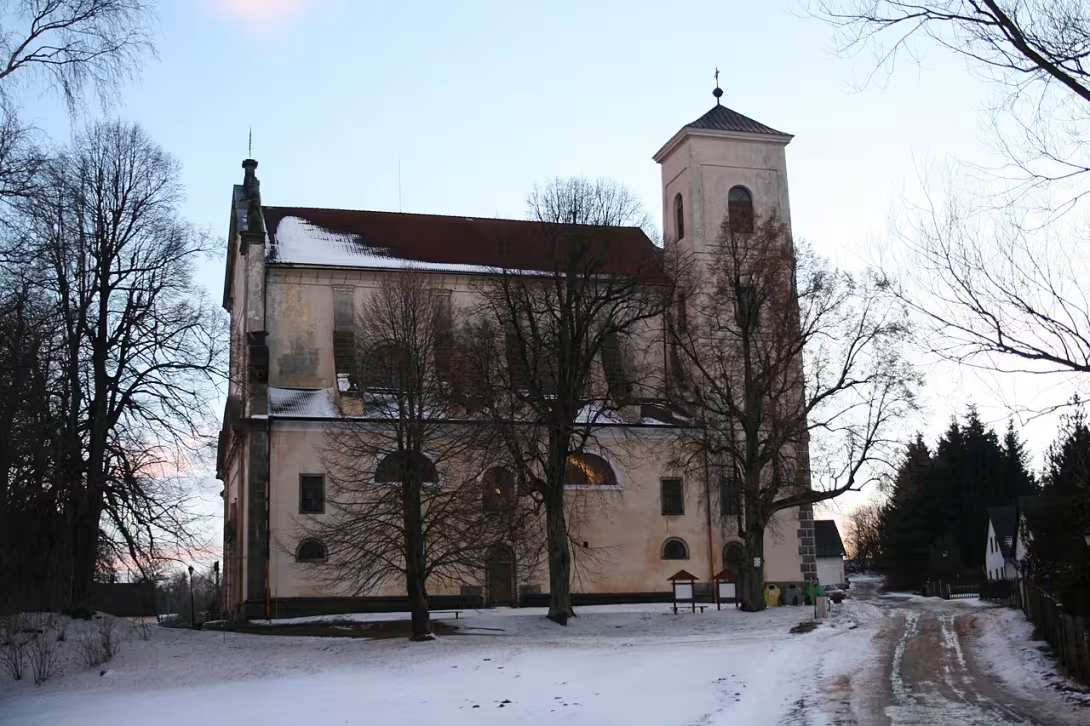
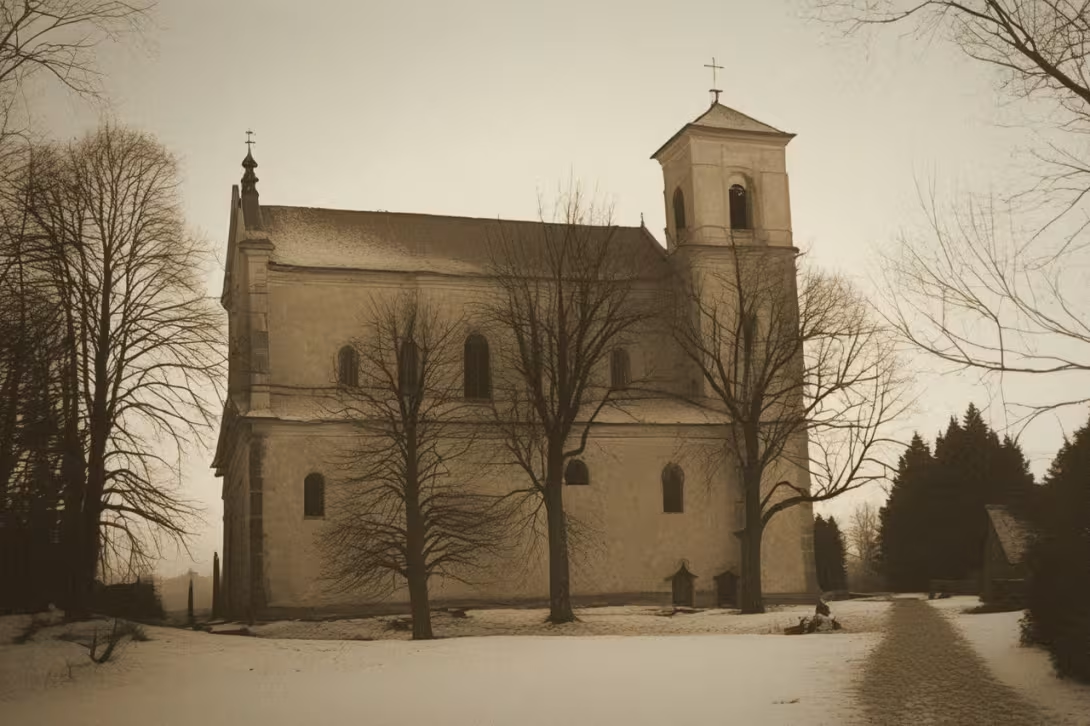
The historical appearance on the left is an AI-generated visualisation and serves as inspiration only.
Historical milestones
- 1533
- Original church and monastery destroyed by fire.
- 1668
- Construction of the current Church of the Holy Trinity began.
- 1682
- Completion of the Church of the Holy Trinity construction.
- 1785
- Dissolution of the Pauline monastery by Joseph II.
- 1959
- Demolition of the physical structure of the monastery.
- 2001
- Restoration of the 'Tree of Life' sculpture completed.
Architectural development
The church was constructed between 1668 and 1682, designed by Francesco Caratti and built under Giovanni Domenico Ossi. It features early Baroque stucco decorations by Giovanni Bartolommeo Cometa. The altar is uniquely positioned at the confluence of three springs.
Historical events
1533: Original church and nearby monastery burned down.
1668–1682: Construction of the current Church of the Holy Trinity completed.
1785: Dissolution of the Pauline monastery by Joseph II.
1959: Demolition of the monastery.
Owners
The church was originally associated with a Pauline monastery, which was dissolved in 1785 by Joseph II. The monastery itself was demolished in 1959.
Guide
This guide is narrated by a synthetic voice generated by artificial intelligence.
Show guide text
This text was created by artificial intelligence and has not been editorially reviewed. It may contain inaccuracies.
Welcome to the historic Church of Nejsvětější Trojice in Klášter, a remarkable testament to early Baroque architecture nestled within the scenic landscapes of Jihočeský kraj. As you stand here, take a moment to absorb the serene beauty surrounding this sacred site. The church's intricate stucco work and graceful lines invite you into its rich history.
The Church of Nejsvětější Trojice was constructed between 1668 and 1682 as part of a Pauline monastery complex, rising from the ashes of an earlier structure that met its demise in flames back in 1533. This new edifice was commissioned to replace what had been lost, serving both spiritual and communal needs in this region.
As you gaze upon the church's facade, notice how it harmoniously blends with its natural surroundings. The architecture is a testament to the vision of Giovanni Domenico Ossi and Francesco Caratti, whose designs have stood the test of time. Although specific architectural details are not visible from your current vantage point, the overall impression of elegance and symmetry speaks volumes about their artistic prowess.
The church's unique altar, positioned at the confluence of three springs, is a focal point that symbolizes the merging of natural and spiritual elements—a feature that has captivated visitors for centuries. This design choice reflects the thoughtful integration of nature into sacred spaces, enhancing both its aesthetic appeal and symbolic significance.
While specific historical figures directly associated with this site remain unknown, the stories of those who lived, worshiped, and labored here continue to echo through time. The dissolution of the Pauline monastery in 1785 by Joseph II marked a significant turning point, leading to the eventual demolition of its physical structure in 1959. Yet, the spirit of resilience is embodied in the restoration of the 'Tree of Life' sculpture in 2001, which stands as a testament to the enduring legacy of this sacred place.
One intriguing aspect that draws visitors is the mystery surrounding the original church and monastery's destruction by fire in 1533—a reminder of the impermanence yet persistence of human endeavors. This narrative invites you to ponder the many lives and stories intertwined with this hallowed ground over the centuries.
As we conclude our journey here, I invite you to explore further, perhaps wandering through the grounds or reflecting on the church's enduring presence in Klášter. Each step offers a new perspective, an opportunity to connect with history and nature alike. Thank you for joining me today; may your visit inspire both curiosity and tranquility.
Tips for visitors
The best time to visit the Church of the Holy Trinity in Klášter is during late spring or early autumn when the weather is pleasant, allowing you to fully enjoy the picturesque landscape surrounding the church. These seasons offer mild temperatures and vibrant natural scenery, enhancing your experience as you explore the area near Nová Bystřice.
The site can be accessed by car or public transport. Public transport users should verify the latest routes and schedules using a travel planner to ensure smooth access to Klášter.
When visiting the Church of the Holy Trinity, consider bringing comfortable walking shoes as you may want to explore the natural surroundings, including the confluence of three streams. Additionally, carrying a camera or smartphone for photography is recommended, along with water and snacks if planning an extended stay in the area.
For photography enthusiasts, the best spots are around the church where the early Baroque architecture can be captured against the backdrop of the natural springs and landscape. The lighting is particularly favorable during the golden hours—shortly after sunrise or before sunset—when the soft light enhances the intricate stucco work and unique altar features.
Nearby, within a 30-minute drive from Klášter, you can explore other attractions such as Nová Bystřice. This charming town offers additional historical sites and scenic views that complement your visit to the church. For families with children, these areas provide opportunities for leisurely walks and exploration of local nature.
Families visiting the Church of the Holy Trinity should consider bringing a picnic lunch to enjoy in the serene outdoor setting. The natural springs and surrounding landscape offer a perfect spot for relaxation and play. Additionally, engaging children with stories about the church's history can make the visit more interactive and educational.
Frequently asked questions
Can the monument be visited?
Religious buildings are usually open mainly during services; at other times a visit is normally arranged with the parish or the operator. We have not verified specific times.
Where is the monument?
Location: Klášter, Jihočeský kraj. The map on this page shows the exact spot.
Why is the monument protected?
It is listed in the Central List of Cultural Monuments of the Czech Republic as a cultural monument (register no. 33038/3-1970).
Businesses nearby
Do you run a restaurant, accommodation, shop, museum, rental, wellness or other visitor service near this monument? Show yourself directly to the people heading to it — this is how they will see you in the app and on the web:
Nearby
Located near Nová Bystřice within a picturesque landscape, the church is surrounded by natural springs and features such as the confluence of three streams.
Accommodation nearby
Trips and activities nearby
Guided tours, tickets and activities nearby from GetYourGuide
Affiliate link: if you buy from the partner, we may receive a commission. The price for you does not change.
Search tours and activities →Themed route
Thematic Walking Tour: The Church of the Holy Trinity and Surrounding Natural Wonders
1. Church of the Holy Trinity (Klášter)
Type: Historical Religious Site
Why Visit: Begin your journey at this stunning Baroque church, a centerpiece of spiritual architecture in Klášter. Its intricate design and serene atmosphere offer a glimpse into the region's rich religious heritage.
2. Natural Springs
Type: Natural Feature
Why Visit: Just a short walk from the Church, these natural springs are perfect for those interested in exploring the area’s unique hydrological features. The clear waters provide a refreshing stop and an opportunity to appreciate the landscape's beauty.
3. Confluence of Three Streams
Type: Natural Landmark
Why Visit: Approximately a 10-minute walk from the Church, this picturesque spot where three streams meet is ideal for nature lovers. It offers tranquil views and a peaceful environment perfect for reflection or photography.
4. Surrounding Woodlands
Type: Natural Landscape
Why Visit: Explore the lush woodlands encircling Klášter. These woods are not only visually stunning but also provide a habitat for local wildlife, making them an excellent spot for birdwatching and enjoying the sounds of nature.
5. Church Nádvoří (Courtyard)
Type: Architectural Feature
Why Visit: Return to the Church of the Holy Trinity to explore its courtyard. This area offers a quiet space to reflect on your visit, surrounded by the church’s architectural grandeur and historical significance.
This tour provides an enriching experience through both cultural heritage and natural beauty, making it perfect for history enthusiasts and nature lovers alike.
Seasonal recommendations
Spring: Visiting the Church of the Holy Trinity (Monastery) during springtime offers a unique experience as nature awakens around this historic landmark. The landscape is adorned with vibrant wildflowers and lush greenery, creating a picturesque setting that enhances the serene atmosphere of the monastery grounds. Soft morning light filters through budding trees, casting gentle shadows on ancient stone walls, adding to the tranquil ambiance. Visitors should wear comfortable walking shoes suitable for exploring both indoor and outdoor areas, as paths may be damp from spring rains. Arriving early in the day is advisable to avoid larger crowds that gather later, allowing you to fully appreciate the peaceful surroundings.
Summer: Summer brings a lively atmosphere to the Church of the Holy Trinity (Monastery), with long days providing ample time for exploration and reflection. The warm weather invites visitors to enjoy outdoor spaces, where the lush gardens are in full bloom, offering a stunning backdrop to this historic site. During this peak season, it's common to encounter larger groups of tourists, so planning an early visit can help avoid the busiest times. Light, breathable clothing is recommended for comfort during your exploration, and carrying water is essential due to the warmer temperatures. The extended daylight hours also allow visitors to experience both morning tranquility and evening serenity.
Autumn: Autumn transforms the Church of the Holy Trinity (Monastery) into a warm and inviting destination with its rich tapestry of fall colors. As leaves turn shades of amber, gold, and crimson, they create a stunning contrast against the historic architecture, providing an ideal setting for photography enthusiasts. The cooler temperatures make it a pleasant time to explore without the summer crowds, though layers are recommended as evenings can be brisk. During this season, the monastery may host various cultural events that celebrate local traditions, offering visitors a chance to immerse themselves in regional heritage.
Winter: Winter at the Church of the Holy Trinity (Monastery) offers a magical experience with its serene and quiet ambiance enhanced by the soft glow of lights reflecting off snow-covered grounds. The stark beauty of bare trees against the backdrop of historic structures creates a unique, almost ethereal atmosphere. Visitors should dress warmly in layers to accommodate fluctuating temperatures and shorter daylight hours, as some areas may be less accessible due to winter conditions. It's advisable to check opening times, which might vary during this season, and plan for an early visit to make the most of your time at this enchanting site.
Visualizations and artistic views


The visualisations are generated by artificial intelligence and serve as inspiration.
Photos from the area
Real photos taken near the monument


Zdroj a licence jsou uvedeny u každého snímku.
Tips from visitors
No tips yet. Be the first!
Log in and add your tip.
Sources and literature
Photos: Chmee2 or Valtameri / CC BY-SA 3.0, rozlišení zvýšeno umělou inteligencí — Wikimedia Commons. The author and licence also appear when you hover over the image.
Faktickým podkladem tohoto textu byl článek na Wikipedii, jehož autory jsou přispěvatelé Wikipedie. Článek je dostupný pod licencí CC BY-SA 4.0.
Location on the map


Příběhy a pověsti
Legendy, pověsti a příběhy spjaté s touto památkou

Fotografie návštěvníků
Zatím žádné fotografie. Buďte první, kdo přidá fotografii z návštěvy!
Log in a přidejte svou fotografii nebo hodnoťte.
Za ověřenou návštěvu v aplikaci získáte víc bodů — poznáme podle GPS, že jste na místě.
Reviews and comments