






kostel Panny Marie Andělské (Náměšť nad Oslavou) Church
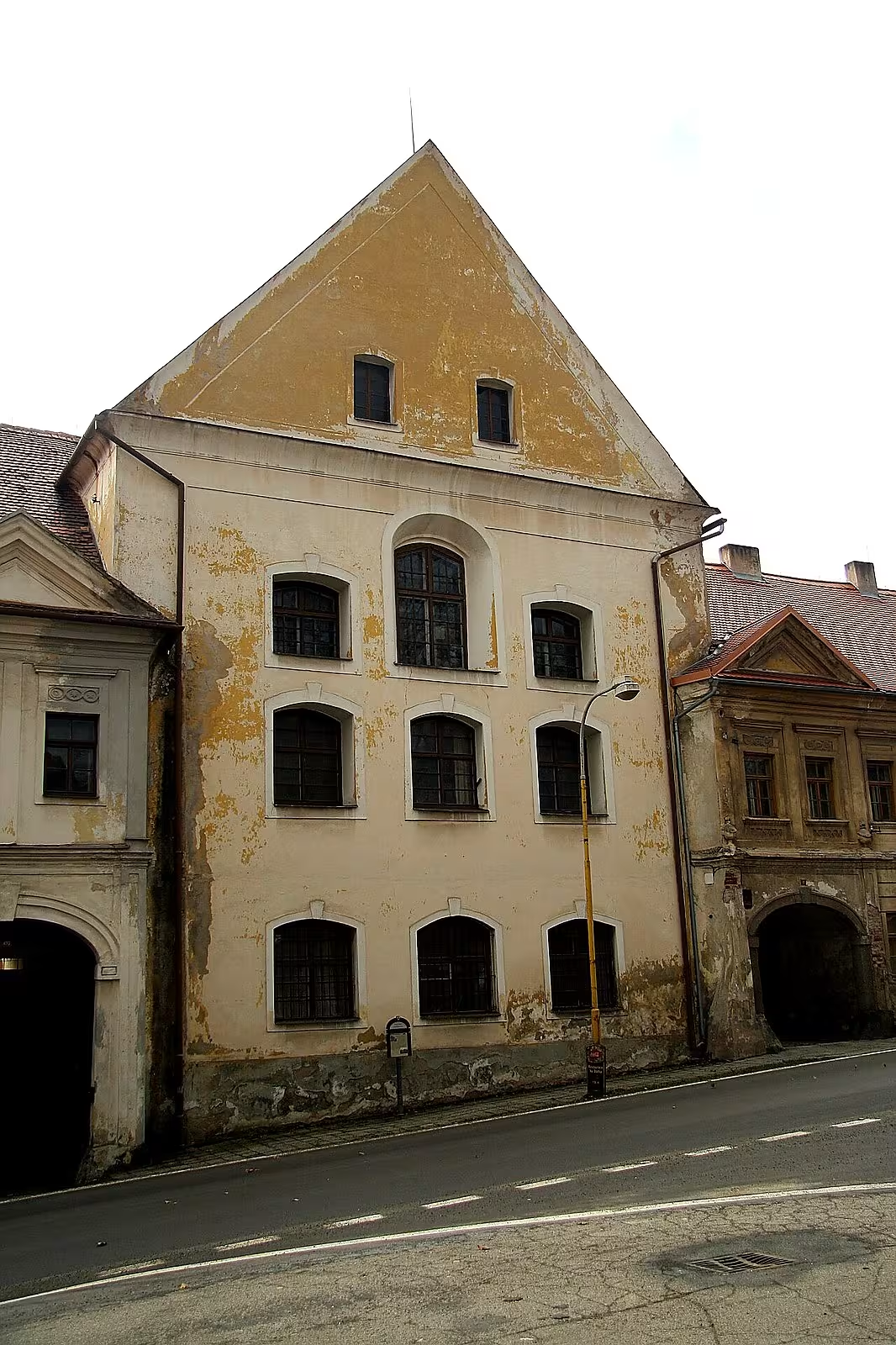
The Church of the Virgin Mary of Angels in Náměště nad Záslavou is a Baroque temple, which was formed as part of a former Capuchin monastery in the area of the local chateau. The monument stands out with an unusual location, as it is built directly into the complex of former textile manufactures. The building is protected as a cultural monument of the Czech Republic and forms part of the town monument zone.
The building was built in the second half of the 18th century. The hospice, a small Capuchin convention, was founded by the owner of the town estate Bedřich Vilém Haugwitz in 1759. The construction took place under the leadership of Bartholomew Zindtner and was completed in 1761. The church itself was then built until 1766, when it was also benedicated. The temple was completely completed, equipped and consecrated in 1772.
The fate of the monastery area affected the enlightened reforms of Josef II, which in 1784 led to the abolition of the monastery and the church. Another fundamental change occurred in 1795, when the area under the patronage of Henry Wilhelm Haugwitz was converted into a textile factory. The convention was demolished and replaced by classicist factory buildings. The only remnant of the original monastery was the preserved church building, which became part of the factory complex.
Part of the history of the building is the church crypt from 1768, in which the remains of Bedřich Wilhelm Haugwitz and his wife were stored. Textile manufactures died in 1867 after the completion of the railway from Brno to Jihlava, which facilitated the transport of cheaper substances. During the reconstruction of the monastery complex in 2021, the remains of the 19th century steam engine were found in its basement, which served as a drive for textile production.
There is a gradual reconstruction in the area. In 2021, the restoration of the middle tract of the former monastery was completed, in which eight flats were created. In this work, the perimeter supporting walls were preserved, while other parts were demolished and replaced by new ones. Other parts of the complex are to be reconstructed in the following stages.
This monument offers a rare view of the conflict of sacral use and industrial development of the region. It is advisable to visit it for the knowledge of the history of the local estate and its transformation.
Then and now
Drag the slider to compare how the landmark may have looked when it was built with the view today.
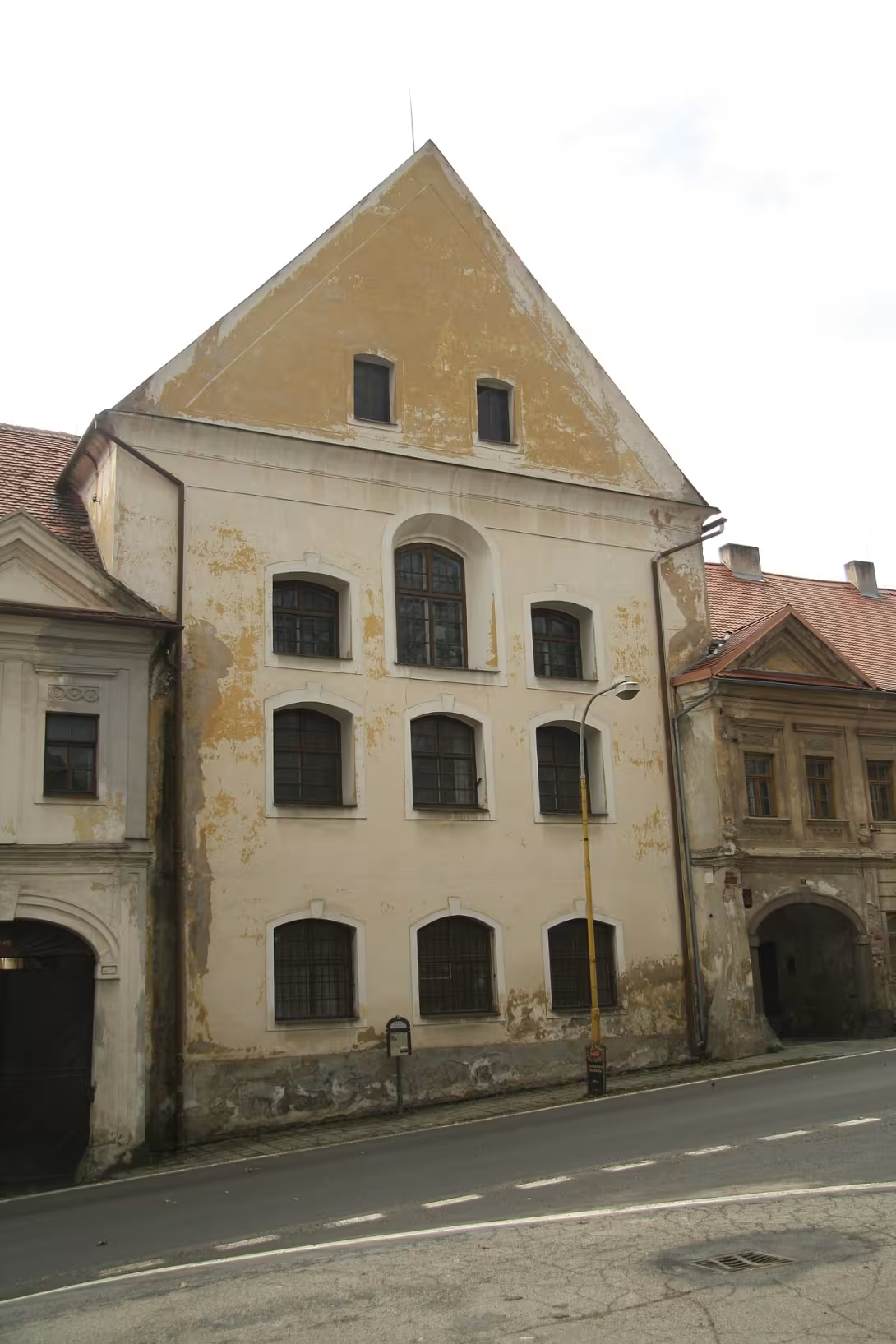
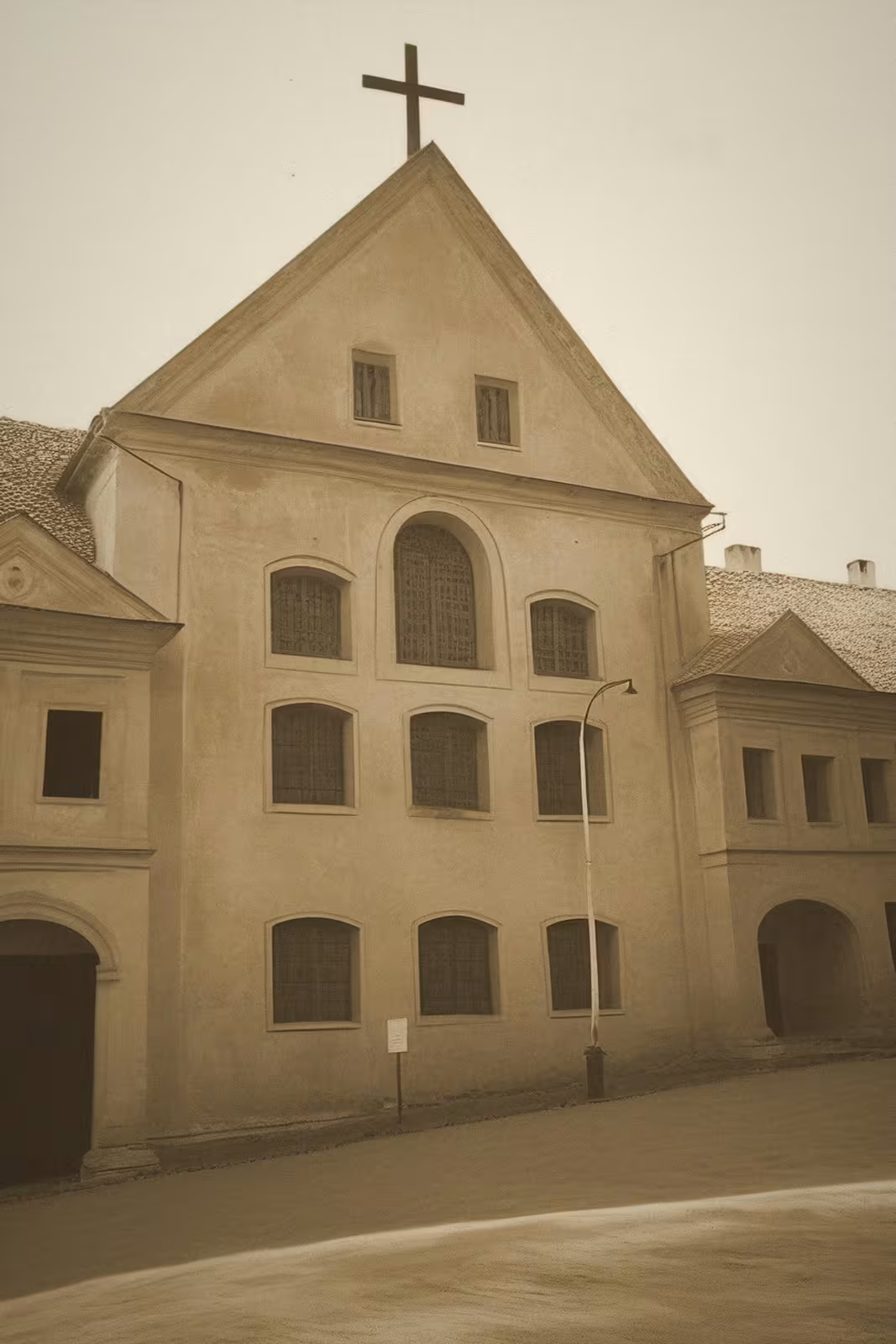
The historical appearance on the left is an AI-generated visualisation and serves as inspiration only.
Historical milestones
- 1766
- Church Benefits
- 1768
- Establishment of church crypt for the remains of Bedřich Vilém Haugwitz and his wife
- 1772
- Complete completion, equipment and consecration of the temple
- 1784
- Cancellation of monastery along with church
- 1795
- Rebuilding the monastery area into a textile factory
Architectural development
The church was built between 1761 and 1766 and was completely completed and consecrated in 1772. While the convention was demolished in 1795 and replaced by classicist factory buildings, the church building was preserved. Part of the monastery complex was renovated in 2021.
Historical events
1784: Cancellation of the monastery and church as a result of the enlightened reforms of Josef II. 1795: Reconstruction of the monastery area into a textile factory.
Owners
They founded Bedřich Vilém Haugwitz (1759), later under the patronage of Henry Wilhelm Haugwitz (1795).
Points of interest
- The Church of the Virgin Mary of the Angels was created as part of a former Capuchin monastery in the area of the local chateau. - The building is protected as a cultural monument of the Czech Republic and forms part of the town monument zone. - The hospital of capuchins was founded in 1759 by the owner of the town estate Bedřich Wilhelm Haugwitz and the church was completed in 1772. - The church crypt from 1768 contains the remains of Bedrich Wilhelm Haugwitz and his wife. - During the reconstruction of the monastery complex in 2021, the remains of the 19th century steam engine were found, which served as a drive for textile production.
Guide
Show guide text
This text was created by artificial intelligence and has not been editorially reviewed. It may contain inaccuracies.
Welcome! You are standing in front of one of the most famous historical monuments of our region - the church of Our Lady of Angels in Náměště nad Záslavou. This temple, which now boasts its unique location in the middle of a former textile factory factory factory, is a real pearl among urban landmarks. Look up and notice the elegant facade of the church, which with its charm attracts anyone who gets here.
The Church of Our Lady of Angels was built in the second half of the 18th century as part of the former Capuchin monastery. The architect Bartoloměj Zindtner, whose work is visible here until today, was tasked with creating a temple that would serve as a centre of religious life even for members of the monastery. In 1766 the church was dedicated and two years later it became a place of funeral for Bedřich Wilhelm Haugwitz, an important owner of the town estate. His wife was also buried here, which underlines the importance of this place for the House of Haugwitz.
Now pay attention to the architecture of the church. Note the elegant facade and fine construction that reflects the time of its creation. The church is built in Baroque style, which is reflected in complex lines and harmonious arrangement of elements. Although you cannot see the interior of the church today, its external structure still tells the story of the rich past.
The key personalities associated with this monument are Bedřich Vilém Haugwitz and Jindřich Vilém Haugwitz. The House of Haugwits had a significant influence on the development of Náměště nad Záslavou, not only through the establishment of the monastery, but also through the conversion of the premises into a textile factory after the cancellation of the monastery in 1784. This transformation reflects the dynamic history of the city and its ability to adapt to new conditions.
The interesting thing about this place is the fact that the Church of Our Lady of Angels was once part of the Capuchin monastery and served as a place of burial for prominent persons. In addition, its extraordinary location in the middle of former factory halls gives the place a unique character that differs from traditional church sites.
Let's move on and explore other parts of this fascinating monument zone. Notice how history and modernity live together in this place, which allows us to approach the past today. I hope your tour is full of discoveries and inspiration. Thank you for your visit to the Church of Our Lady of Angels!
Tips for visitors
The best time to visit is in the morning or late afternoon, when light enters the inner spaces at an angle that best highlights architecture. For photography we recommend looking for places overlooking the building from nearby streets, which allows to capture its appearance within the historical environment.
The location is available by car and by public transport; check the current connection in the internet search engine. Parking is possible in the nearby area, and we recommend to find out the exact possibilities directly on site or before the journey.
After the tour we recommend to visit the Castle Náměšť nad Oslavou or to walk through the city monument zone Náměšť nad Oslavou. For families with children a walk around the historic part of the city is a pleasant way to explore the surroundings.
When visiting, it is recommended to take drinking water and choose comfortable shoes to move on uneven surfaces in the historical zone.
Businesses nearby
Do you run a restaurant, accommodation, shop, museum, rental, wellness or other visitor service near this monument? Show yourself directly to the people heading to it — this is how they will see you in the app and on the web:
Nearby
Castle Náměšť nad Oslavou, city monument zone Náměšť nad Oslavou.
Accommodation nearby
Themed route
Thematic cruise route Náměšť nad Oslavou
1. Church of the Virgin Mary of the Angels * Type: Church * This Baroque church is the most prominent architectural monument of the village Náměšť nad Oslavou. Its richly decorated interior and history make it an ideal beginning to explore local culture and spiritual life.
2. Castle Náměšť nad Oslavou * Type: Chateau * Around 500 metres from the church is this historic chateau, which is part of the town monument zone. His beautiful Baroque facades and inner hall are an attraction for lovers of architecture and history.
3. City Monument Zone Náměšť nad Oslavou * Type: Monument zone * A walk on the streets of the urban monument zone offers visitors a view of a number of historical houses and architectural pearls. This part of the Square is an ideal place for relaxation and sightseeing in a quiet atmosphere.
This route offers visitors a comprehensive view of the historical and cultural wealth Náměšť nad Oslavou, with an emphasis on the main monuments of the village.
Seasonal recommendations
Spring: In the spring period, the Church of the Virgin Mary of the Angels offers a unique experience thanks to the lighting that changes with the clock. Sun rays through the roof vault create live patterns on the floor and decorated walls. Nature is awakening, with a green meadow around the church gaining beautiful shades. It is advisable to visit the memory in the early morning or evening when there are fewer people and the atmosphere becomes quieter. It is recommended to wear comfortable shoes to walk on the lawn and bring a camera tab to capture beautiful spring light.
Summer: In summer, the Church of the Virgin Mary of the Angels is usually visited by many tourists, which creates a lively atmosphere. The sun day provides ideal conditions for walking around the monument and exploring the surrounding gardens with their flowering orchard. Due to high temperatures, it is advisable to visit the church earlier in the afternoon to avoid the hottest time and crowd. It is recommended to wear light clothes, sunglasses and a protective tie against UV radiation.
Autumn: Autumn offers the Church of the Virgin Mary of the Angel the wonderful colors of the leaves that change in living shades of orange and red. This season is ideal for nature lovers looking for a peaceful experience without large crowds. The sunny days combined with cooler evenings create a unique atmosphere to visit the church. It is recommended to wear warmer clothes and bring a picture in memory that captures beautiful autumn colors.
Winter: Winter brings a peaceful atmosphere to the Church of Our Lady of Angels. Snow sheets can cause restrictions on access, but when the trip to the monument is safe, it offers a view of the church under snow, which is truly impressive. Days are shorter and light changes faster, so it is recommended to visit the memory early at noon. It is important to wear warm clothes, shoes with helmets and perhaps a shopping bag to buy local winter specialties during the visit.
Visualizations and artistic views


The visualisations are generated by artificial intelligence and serve as inspiration.
Photos from the area
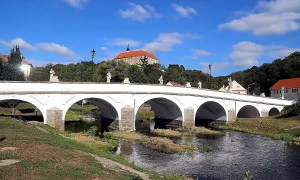
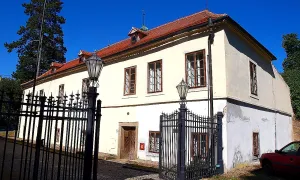
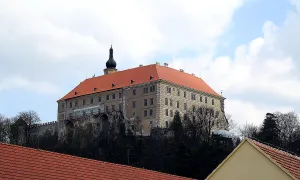
Real photos taken near the monument


Zdroj a licence jsou uvedeny u každého snímku.
Tips from visitors
No tips yet. Be the first!
Log in and add your tip.
Sources and literature
Fotografie: Jiří Sedláček / CC BY-SA 4.0 — Wikimedia Commons. The author and licence also appear when you hover over the image.
Faktickým podkladem tohoto textu byl článek na Wikipedii, jehož autory jsou přispěvatelé Wikipedie. Článek je dostupný pod licencí CC BY-SA 4.0.
Location on the map

Příběhy a pověsti
Legendy, pověsti a příběhy spjaté s touto památkou
Fotografie návštěvníků
Zatím žádné fotografie. Buďte první, kdo přidá fotografii z návštěvy!
Přihlaste se a přidejte svou fotografii nebo hodnoťte.
Za ověřenou návštěvu v aplikaci získáte víc bodů — poznáme podle GPS, že jste na místě.
Reviews and comments