






Kostel Panny Marie u alžbětinek v Praze Church
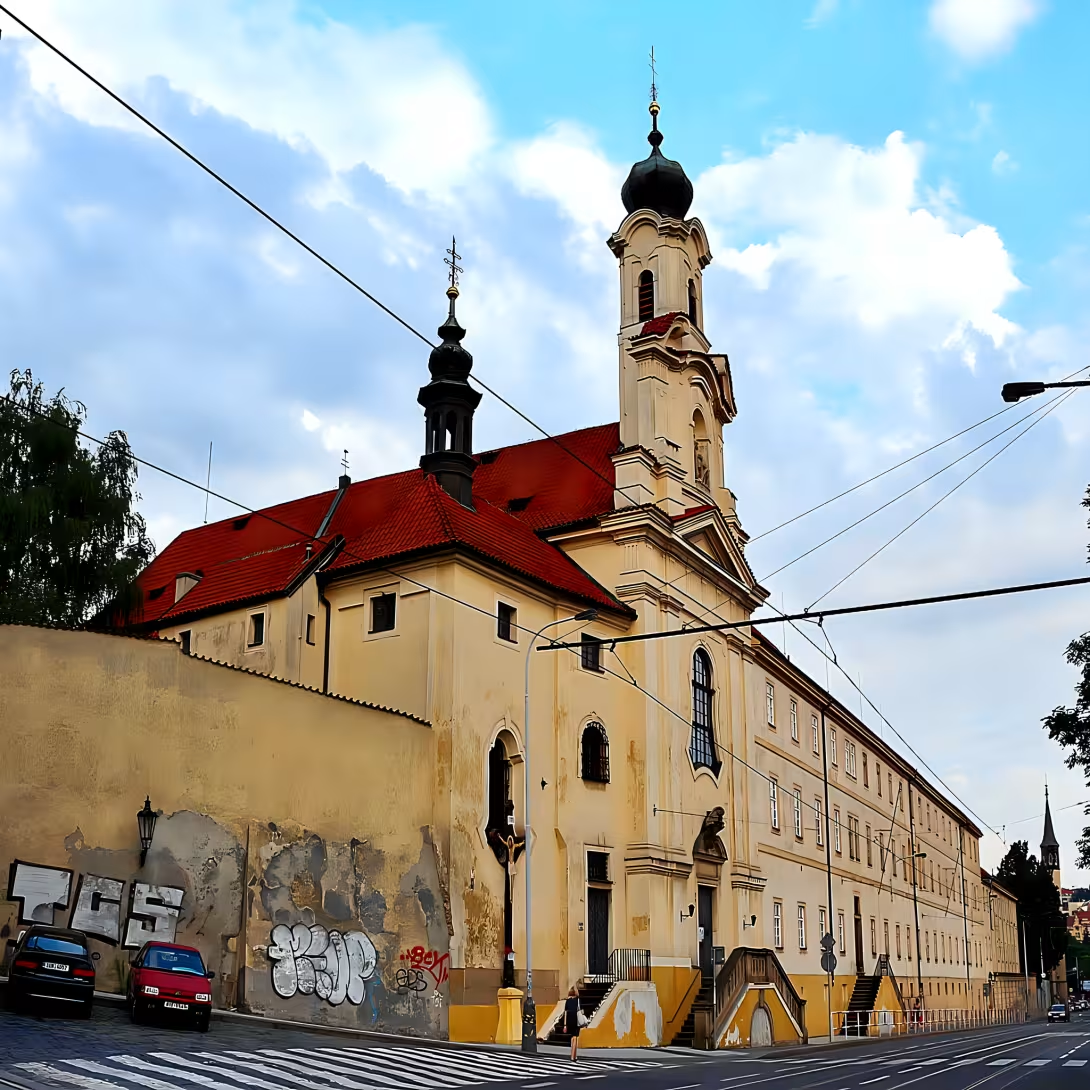
The Church of the Virgin Regret of the Elisabeth monastery in Prague is a remarkable example of the late Baroque architecture designed by Kilián Ignác Dientzenhofer between 1724 and 1725. Located on the Street Na Slupi near the Botanical Garden of Charles University, it is part of the monastery and hospital complex for the Order of Saint Elizabeth. Its importance lies in its architectural beauty and historical context at the beginning of the 18th century Bohemia.
The place dates back to 1681 when it served as a home for a retired priest with attached chapel. By 1705 these facilities were moved, which introduced hraběnka L. Schönkirchová to Prague in 1719. She played a key role in raising funds for construction which led to the rapid development and sanctification of the church in 1725.
Architecturally, the Church of the Virgin Mary of Grief is an example of baroque style with its single-boat structure and a small tower on the facade. The western facade offers a portal decorated with the coat of arms of Countess Marie Margaret of Valdštejn, an important donor. Inside the church shows the uniform composition of the interior, which probably designed himself Dientzenhofer. Remarkable works of art include paintings by Siard Nosecki and sculptures from 1710, alongside late Gothic carving of the Virgin Mary with a baby from cca1490.
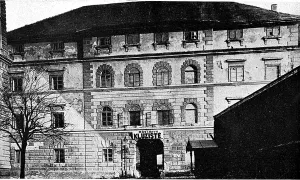
During its history, the church has undergone several improvements: in 1762 the chapel dedicated to Saint Agata was added, followed by a new pulpit in 1771 and an altar in 1779. At the beginning of the 20th century, architect K. Hübschmann introduced the entrance staircase due to changes in street level.
The location of the church is historically significant because it stands on what was once the garden of the apothecary Augustine, which grew medicinal plants around 1382. This connection adds another layer to its rich historical tapestry.
Today, the Church of the Virgin Mary of Grief remains a protected cultural monument within the Prague area of the New Town. Its architectural beauty and historical importance make it a crucial visit for interested in Baroque art and Czech history. Visitors can explore this site to appreciate its artistic details and understand its role in the religious and social structure of the 18th century Praha.
Then and now
Drag the slider to compare how the landmark may have looked when it was built with the view today.
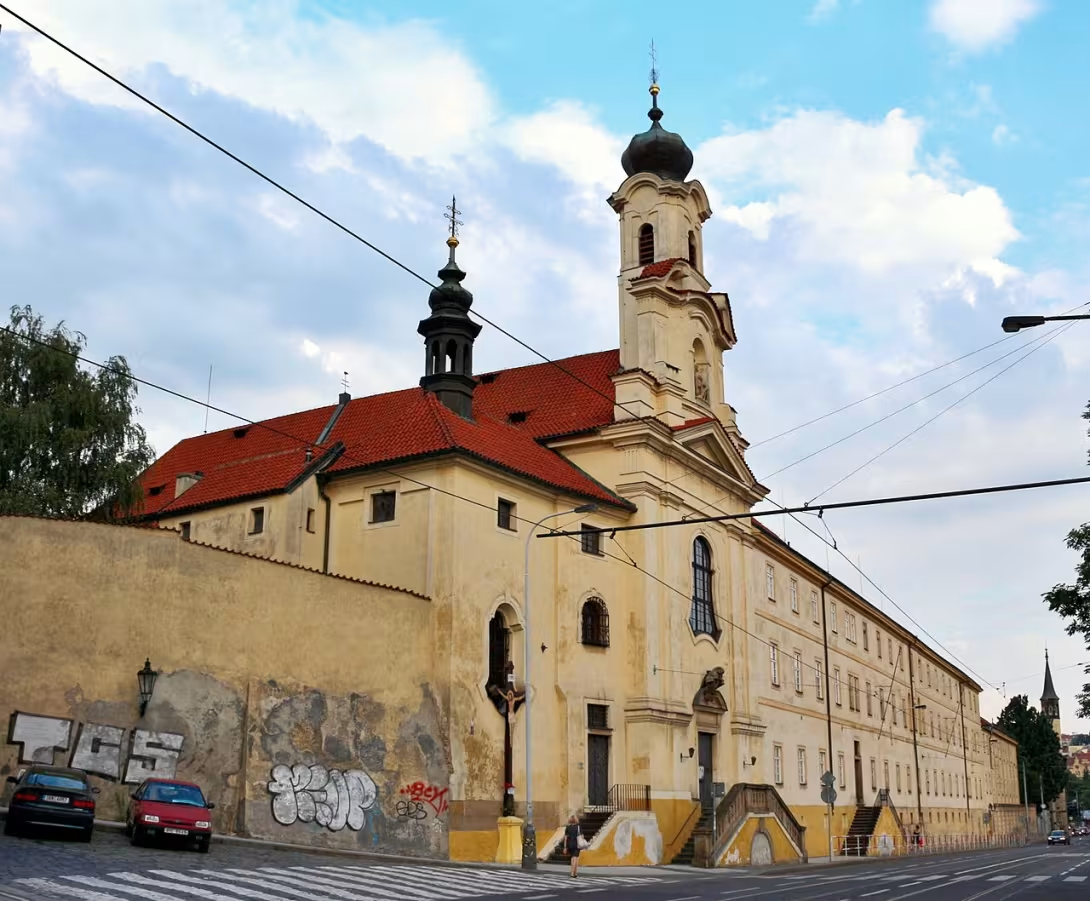
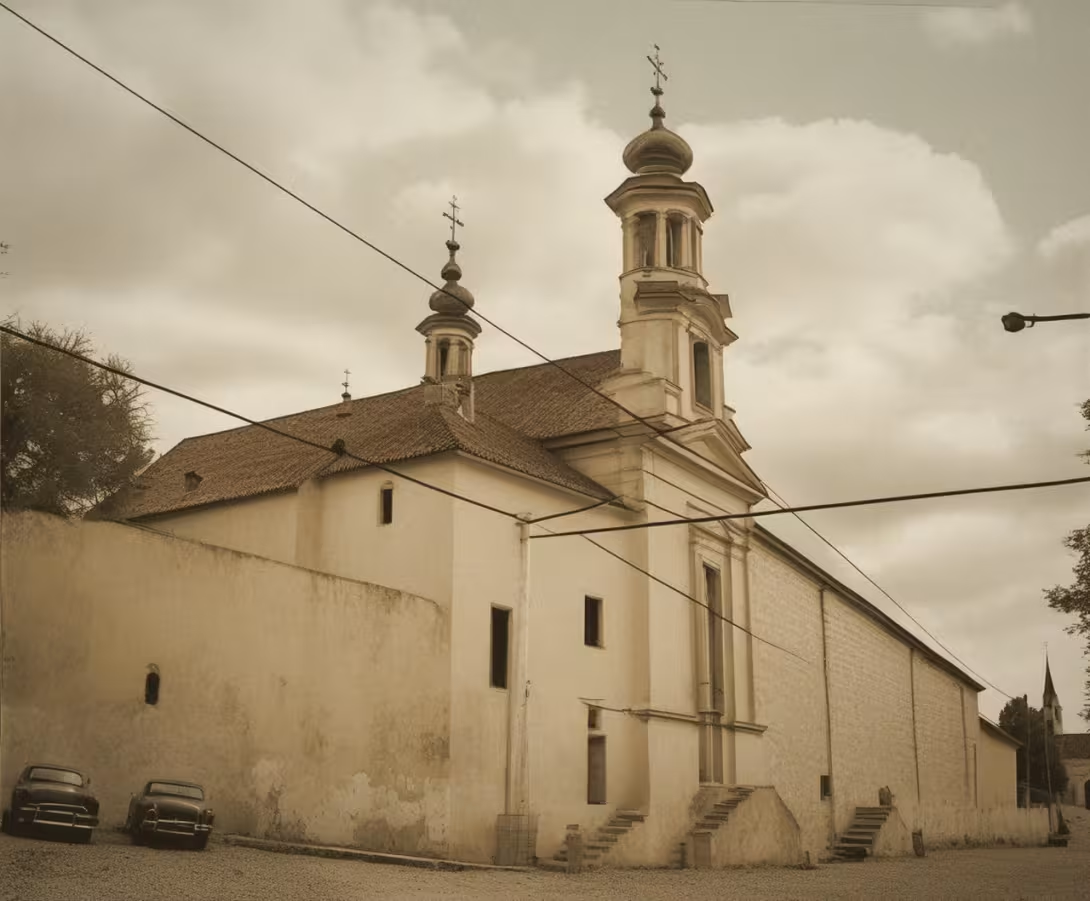
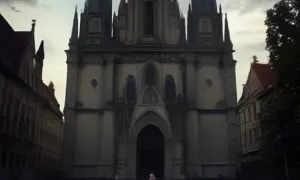
The historical appearance on the left is an AI-generated visualisation and serves as inspiration only.
Historical milestones
- 1681
- A mansion for old books with chapels.
- 1705
- A transfer procedure for St. Elizabeth's work.
- 1719
- Introduction of St. Elizabeth's to Prague.
- 1724
- The beginning of the construction of the church by Kilian Ignác Dientzenhofer.
- 1725
- Consection of the Church of the Virgin Mary by Elizabeth.
- 1762
- The handover of the chapel to the church.
Architectural development
The construction began quickly in 1724-1725, with the following accessories including the chapel dedicated to St. Agata in 1762, the new pulpit in 1771 and the altar in 1779. At the beginning of the 20th century architect K. Hübschmann added an entrance staircase due to changes in street level.
Historical events
In 1719 hraběnka L. Schönkirchová presented in Prague The Order of St. Elizabeth and raised funds for construction.
the church was sanctified in 1725 after a quick construction.
Points of interest
- The Church of Our Lady of Grief was originally built on the site of a garden belonging to the apothecary Augustine around 1382, where healing plants were grown, which added an interesting historical layer to its location.
- Countess L. Schönkirch not only introduced in Prague The Order of St. Elizabeth also played a key role in raising funds for the construction of the church, which shows its significant influence and commitment to religious causes in the early 18th century of Bohemia.
- The western facade church has a portal decorated with the coat of arms of Countess Marie Margaret of Valdštejna, which highlights it as an important donor whose contributions were recognized through this prominent display.
- Inside the church visitors can find a late Gothic carving of the Virgin Mary with a child dating back to around 1490 and offers a fascinating view of the former artistic traditions preserved in the Baroque structure.
- The addition of the entrance staircase of architect K. Hübschmann in the early 20th century was necessary by changes at street level, illustrating how urban development can affect historical sites and lead to architectural modifications over time.
Guide
This guide is narrated by a synthetic voice generated by artificial intelligence.
Show guide text
This text was created by artificial intelligence and has not been editorially reviewed. It may contain inaccuracies.
Welcome to the Church of the Virgin Mary of Grief at the Elisabeth monastery in Prague's historical district of Nové Město. As you stand here, imagine returning to a time when generosity and devotion were shaped by this iconic landmark.
The story of this church begins in 1681 as a hospice for older priests with attached chapel on what was once Augustine Apothecary garden around 1382 - the place where medicinal plants were grown. This place, rich in history, sets a stage for the remarkable transformation that followed.
In 1705 this site became home to the Order of St. Elizabeth, which was organized by hraběnka L. Schönkirchová, which in 1719 presented this compassionate order of Prague. She was under her influence and vision that the construction began in 1724, under the guidance of the renowned architect Kilián Ignác Dientzenhofer.
As you look at the facade of the church, take a moment to appreciate its late Baroque architecture - the will to the Dientzenhofer Championship. A single-boat structure with a modest tower captures an era of elegance and religious zeal. Notice how the structure harmonises with its surroundings, invites contemplation and respect.
The ordination in 1725 meant the completion of this spiritual paradise, further enriched by the addition of the chapel of St. Adalbert in 1762. These elements highlight the evolving role of the church as a centre for faith and community care.
Countess L. Schönkirch remains a key figure here, her legacy intertwined with the history of the church through her devotion to the Order of Saint Elizabeth. Her influence is felt in this sacred space where compassion and spirituality merge.
An interesting layer of the past of this site lies beneath your feet - once flourishing garden of medicinal plants from 1382. Imagine herbal agents that could have been grown there, and add a unique historical dimension to this place of worship.
At the end of my visit I invite you to explore further, perhaps wander the quiet streets of New Town and discover other stories carved into Prague's rich tapestry. Thank you for joining me on this journey through time at the Church of Our Lady of Grief. Safe roads as you continue to uncover the wonders of our city.
Tips for visitors
The best time to visit the Church of the Virgin Mary of Grief at the Elisabeth Monastery is late in the spring or early autumn when the weather is pleasant, allowing a comfortable examination of its architectural details and quiet surroundings. Moreover, a visit on weekdays can help avoid larger crowds that are more frequent on weekends, providing a more intimate experience with this stunning example of late Baroque architecture.
Visitors are advised to use public transport for comfort and comfort. See the application or local transport website for the latest routes and plans for effective planning of your visit.
When visiting this historic place, it is recommended to bring comfortable walking shoes as you will probably explore more than just the church land. The camera is also suitable to capture complex baroque details of construction Kilián Ignác Dientzenhofer. For photographic enthusiasts, the best light for capturing the facade and interior is the church during the golden hour - shortly after sunrise or before sunset - when sunlight highlights architectural beauty.
For families with children visiting the Church of Our Lady of Grief, it is a good idea to plan a visit around other nearby attractions within 30 minutes walk. The historical area of Nové Město offers several familial places such as Charles Bridge and Old Town Square, where children can enjoy exploring Prague's rich history in an attractive way. Always check in advance all family events or tours that might be available.
Frequently asked questions
Can the monument be visited?
Religious buildings are usually open mainly during services; at other times a visit is normally arranged with the parish or the operator. We have not verified specific times.
Where is the monument?
Location: Praha, Hlavní město Praha. The map on this page shows the exact spot.
Why is the monument protected?
It is listed in the Central List of Cultural Monuments of the Czech Republic as a cultural monument. It is protected as part of a larger listed ensemble.
Businesses nearby
Do you run a restaurant, accommodation, shop, museum, rental, wellness or other visitor service near this monument? Show yourself directly to the people heading to it — this is how they will see you in the app and on the web:
Events nearby

Zdroj akcí: otevřená data měst a obcí ČR (Národní katalog otevřených dat) a kalendář akcí Národního památkového ústavu.
Nearby
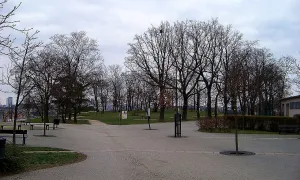
the church is located near the southern edge of Prague's New Town, near the Botanical Garden of Charles University. The complex has a mix of historical and modern architecture.
Accommodation nearby
Trips and activities nearby
Guided tours, tickets and activities nearby from GetYourGuide
Affiliate link: if you buy from the partner, we may receive a commission. The price for you does not change.
Search tours and activities →Themed route
Thematic Travel Route: Church of the Virgin Mary near Elizabeth
1. Church of the Virgin Mary at Elizabeth (Church) The beginning of a world trip to the capital, the Church of the Virgin Mary near Elizabeth, which is intended for Baroque architecture and historical excerpts. This church was set in the 17th century as a monastery chapel for a Greek woman from the Elizabeth building. Their rich history and architectural details, veto beautiful interiors and sculptures works, making this church an impenetrable bridge for invasions.
2. Elizabeth Monastery (Monastery Complex) More precisely, a 5-minute drive from the church is located the Elizabeth Monastery, which is part of the historical area. This monastery complex offers a biocides and heirloom Elizabeth in Prague. What is intended for the use of the architectural context in which the church exists, and a recognizable history of the monastery union, is an invention.
3. Republic Square (Veřská náměstí) A 10-minute drive to Republic Square, one of the most famous and historic rich places in Prague. This centralised decision is intended for architecture with a diverse and new role in Czech history, especially on 17 November 1989. It is an ideal place to relax and have lunch in the surrounding sights.
4. Church of St. Nicholas (Church) From here you need about 10 minutes to the church of St. Nicholas, which is another production goods and historic place. This Gothic church from the middle of the 14th century is known as its own exceptional architecture, especially the well-known, which was a kyla rats not selected in Prague. It should be noted that the Gothic framework and the acquisition of rights to the history of the city.
5. Republic Square (Grand Square) - Repeated Return to Republic Square, the abyss enjoyed its central location and historical significance. This Decision is intended as an ideal reference point for the vashi route, where you can explore the surrounding architecture or use it in the living centre of Prague.
This route offers combined products and historical experiences that are intended for use with dividing New Town in Prague.
"'Seasonal recommendations
Spring: Spring in the Church of the Virgin Mary before Tyn is the time when nature begins to bloom, throws soft light through windows of coloured glass and creates an ethereal atmosphere inside the church. The surrounding gardens of New Town are beginning to show pulsating colors because flowers are beginning to bloom and add to the charm of this historic place. In the spring, it is advisable to visit in the early morning or late afternoon to avoid larger crowds gathering at noon. Light layers are recommended due to fluctuating temperatures and umbrella wearing may be wise for occasional rain showers.
Summer: Summer offers a lively atmosphere around the Church of the Virgin Mary in front of Tyn with longer daily hours increasing the complicated details of its architecture. The warm weather invites visitors to explore the interior and outside, enjoying fresh green, which surrounds the church in New Town. This is also the tip of the tourist season, so coming soon can help avoid crowds, especially on weekends or holidays. Due to warmer temperatures, we recommend comfortable walking shoes and light clothes.
Autumn: Autumn brings a warm golden glow to the Church of Our Lady before Týn because the leaves change colors in New Town. Colder weather creates a calm atmosphere ideal for contemplation visits, with fewer tourists compared to summer months. This is the perfect time to photograph and award historical architecture against the background of autumn leaves. The layered clothing is suitable to adapt to colder temperatures, especially as the day progresses.
Winter: Winter transforms the Church of the Virgin Mary before Tyn into a magical environment, with its Gothic towers standing high against a sharp, bright sky. Short days mean that a visit in the morning provides enough time for a survey before closing time. While the church remains open during the winter months, it is important to dress warm and wear comfortable shoes due to the potentially icy conditions outside. Despite fewer visitors, the interior offers the church a warm rest from winter, making it a charming time to visit.
Visualizations and artistic views


The visualisations are generated by artificial intelligence and serve as inspiration.
Photos from the area
Real photos taken near the monument

Zdroj a licence jsou uvedeny u každého snímku.
Atmosphere of the place
This atmospheric visualisation of the place and period was generated by artificial intelligence. It is not real footage of the location.
Tips from visitors
No tips yet. Be the first!
Log in and add your tip.
Sources and literature
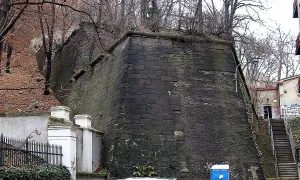
Photos: A.H.C. Horn / CC BY 2.5, rozlišení zvýšeno umělou inteligencí — Wikimedia Commons. The author and licence also appear when you hover over the image.
Faktickým podkladem tohoto textu byl článek na Wikipedii, jehož autory jsou přispěvatelé Wikipedie. Článek je dostupný pod licencí CC BY-SA 4.0.
Location on the map
Příběhy a pověsti
Legendy, pověsti a příběhy spjaté s touto památkou
Příběh: Kostel Panny Marie u alžbětinek v Praze
Bylo to v pondělí ráno, kdy Martin von Waldstein, jehož rodina po nesčetných generacích tvořila část pražské šlechtické společnosti, se nacházel u nově posta…
Číst příběh
Pověst: Kostel Panny Marie u alžbětinek v Praze
Traduje se, že za starých časů, kdy Praha ještě neznala dnešní ruch a ulice Na Slupi bývaly pouhými polními stezkama vedoucími k řece, stávala na tomto místě…
Číst příběhFotografie návštěvníků
Zatím žádné fotografie. Buďte první, kdo přidá fotografii z návštěvy!
Log in a přidejte svou fotografii nebo hodnoťte.
Za ověřenou návštěvu v aplikaci získáte víc bodů — poznáme podle GPS, že jste na místě.
Reviews and comments