






Kostel Panny Marie Vítězné (Řepín) Church
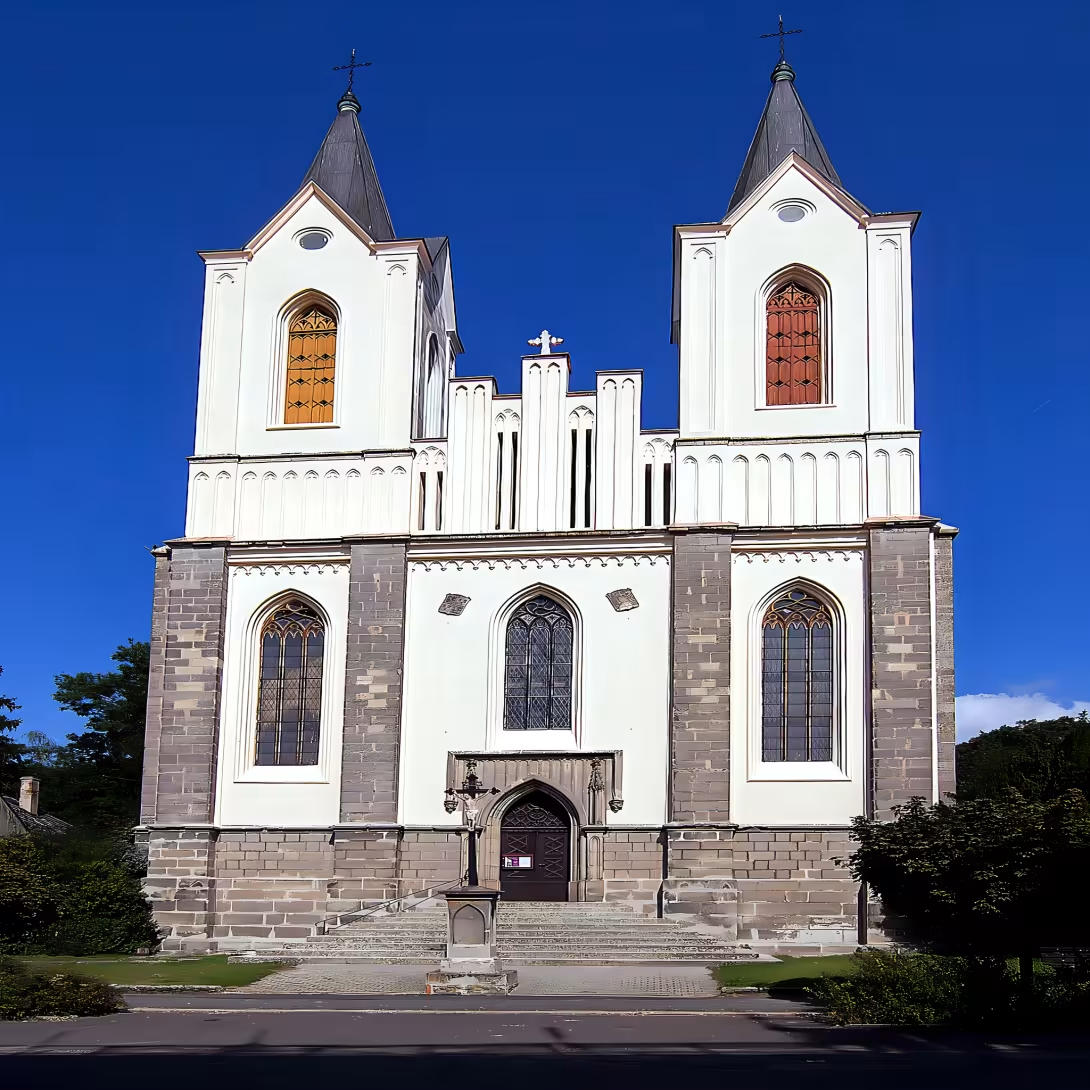
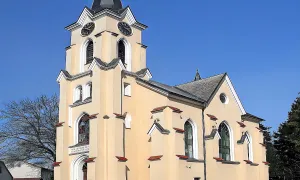
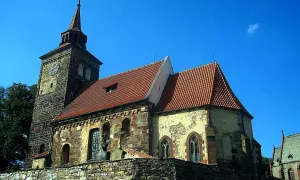
Kostel Panny Marie Vítězné in Řepín, Středočeský kraj, is an outstanding example of Neo-Gothic architecture. It features two towers and a richly decorated interior. Constructed between 1846 and 1850 by kněžna Rohanová, this church sits at the heart of Řepín. It marks a significant architectural evolution from an earlier structure dedicated to Saint Stephen in 1303.
Originally, the site hosted a church belonging to the Teutonic Knights since 1203. This original church was replaced over time, with Přibík z Litic as the last commander mentioned in 1410. By 1417, ownership transitioned when it was sold to Vilém ze Schönburgu. The construction of Kostel Panny Marie Vítězné began under kněžna Rohanová's commission during a period marked by Europe’s cultural and architectural shifts in the mid-19th century. This era saw the emergence of the Neo-Gothic style as part of a broader historicist movement, which sought to revive medieval forms amidst industrialization.
Architecturally, Kostel Panny Marie Vítězné features two towers and three naves that culminate in a polygonal presbytery. The interior is adorned with pseudo-Gothic elements, including an altar and paintings by Josef Vojtěch Hellich from 1850. Additionally, the church houses a pewter baptismal font dating back to the 16th century. Noteworthy are the organ crafted by Joseph Prediger and its casing, which boasts carvings by Bušků's workshop.
Throughout its history, Kostel Panny Marie Vítězné has seen significant changes in ownership and administration. Initially under the Teutonic Knights' control, it later came into the possession of Vilém ze Schönburgu before kněžna Rohanová initiated the construction of the current Neo-Gothic structure.
Today, Kostel Panny Marie Vítězné remains a site of historical and architectural interest. Its preservation allows visitors to appreciate its intricate design and rich history. The church's unique blend of styles and elements makes it a worthwhile destination for those interested in exploring the cultural heritage of the Czech Republic. Visitors are invited to experience this remarkable monument, which stands as a testament to the enduring legacy of Neo-Gothic architecture in Central Europe.
Then and now
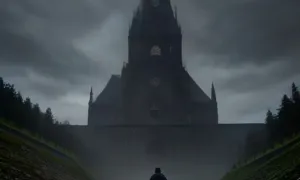
Drag the slider to compare how the landmark may have looked when it was built with the view today.
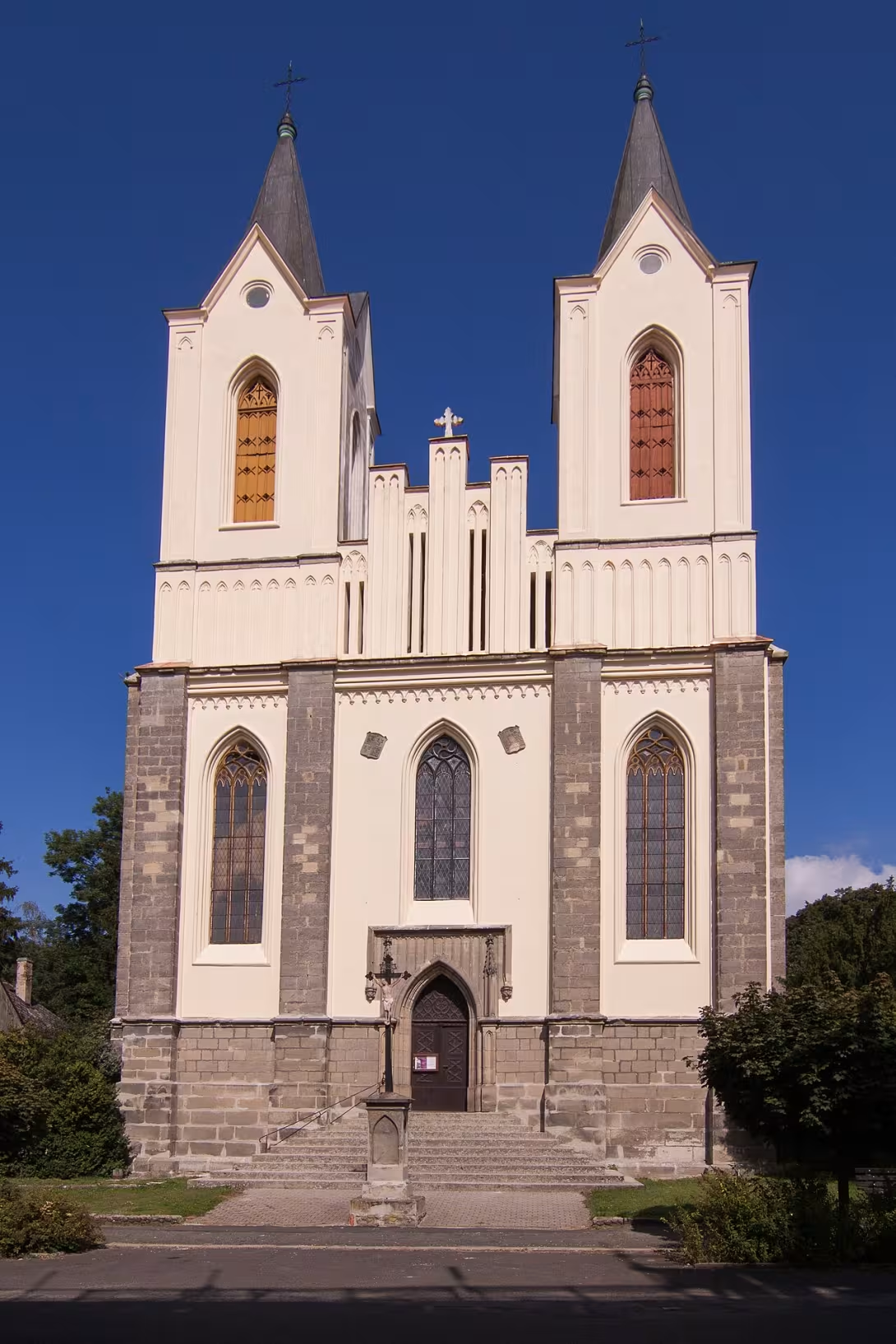
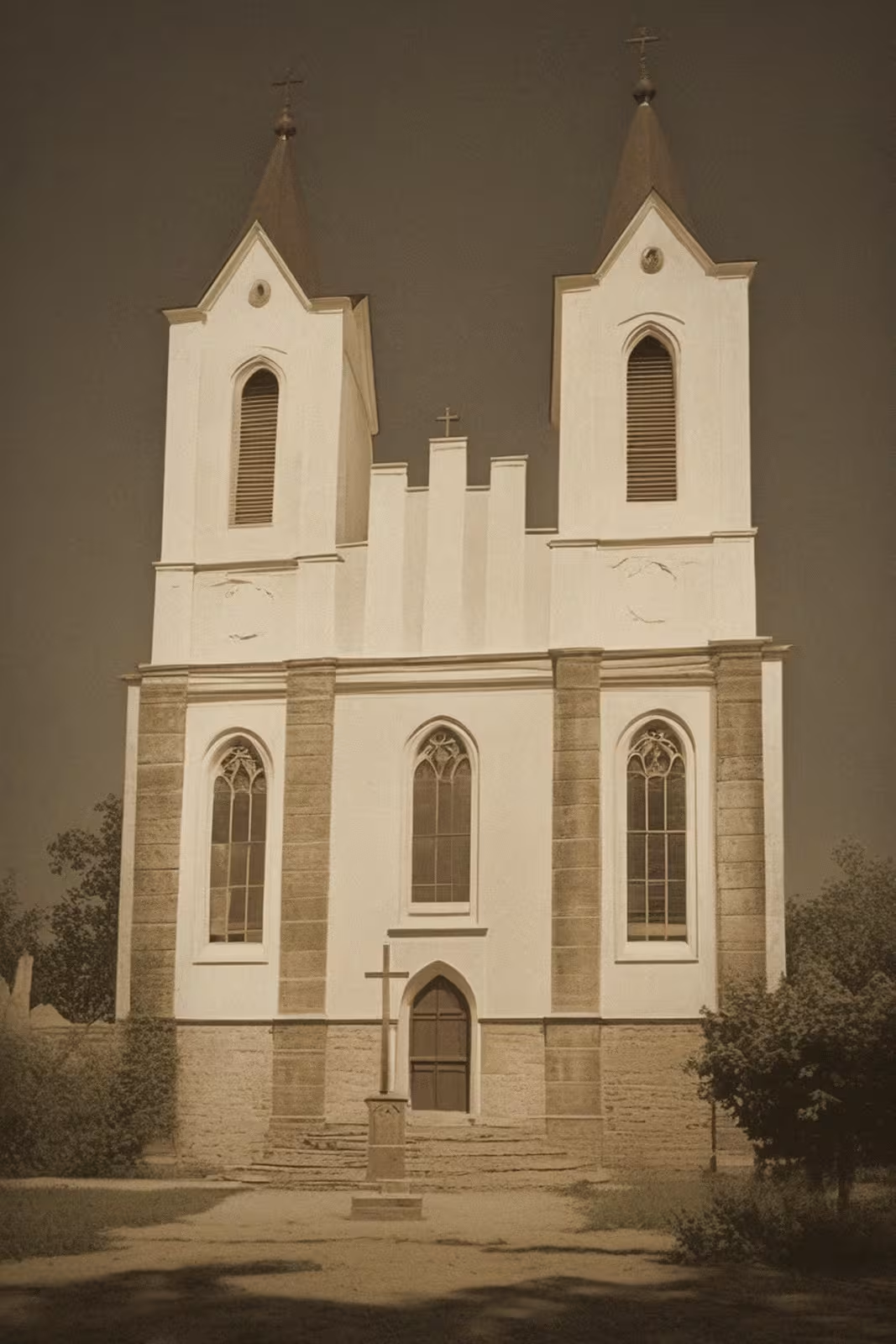
The historical appearance on the left is an AI-generated visualisation and serves as inspiration only.
Historical milestones
- 1303
- Construction of the original church dedicated to Saint Stephen.
- 1417
- The site was sold to Vilém ze Schönburgu.
- 1846
- Kněžna Rohanová began construction of the new Neo-Gothic church.
- 1850
- Completion of the new church with contributions from Josef Vojtěch Hellich.
Architectural development
The original church from 1303 was replaced by a new structure built between 1846 and 1850. The new church features two towers and three naves, culminating in a polygonal presbytery. Its interior is adorned with pseudo-Gothic elements including an altar and paintings by Josef Vojtěch Hellich from 1850.
Historical events
A church dedicated to Saint Stephen existed on this site since 1303, under the ownership of the Teutonic Knights.
The last commander mentioned is Přibík z Litic in 1410.
In 1846-1850, kněžna Rohanová commissioned the construction of the current Neo-Gothic church.
Owners
The site originally housed a church belonging to the Teutonic Knights from 1203 until it was sold to Vilém ze Schönburgu in 1417.
Guide
This guide is narrated by a synthetic voice generated by artificial intelligence.
Show guide text
This text was created by artificial intelligence and has not been editorially reviewed. It may contain inaccuracies.
The Church of Our Lady Victorious is a Neo-Gothic structure with two towers. It stands in the center of the village of Řepín in the Mělník district.
An older church of Saint Stephen from the year 1303 previously stood on this site. The entire village then belonged to the Order of Teutonic Knights, which had maintained a commandery there since 1203 with the seat of the order's commander. The last known commander was Přibík z Litic in the year 1410. In 1417, Řepín was sold to William of Schönburg.
The present-day church was built on the site of the old one by Princess Rohanová in the years 1846 to 1850. A structure with two towers was created, with aisles terminated by a presbytery.
The interior is pseudo-Gothic as well. The space is dominated by a rectangular, polygonal presbytery. The church is decorated with a pseudo-Gothic altar and paintings by Josef Vojtěch Hellich from the year 1850. The oldest piece of furnishing is a pewter baptismal font from the sixteenth century.
The organ also deserves attention, a work by organ builder Josef Prediger. The carved decoration of the organ case was created by the workshop of the Bušků family.
Tips for visitors
The best time to visit the Church of Our Lady Victorious in Řepín is during late spring or early autumn. During these months, the weather is typically pleasant, allowing for a comfortable exploration of both the church and its surrounding landscapes. Additionally, visiting outside of peak tourist seasons means fewer crowds, providing a more serene experience as you admire the Neo-Gothic architecture. The lighting at this time of year also enhances the visual appeal of the church’s intricate details.
It's advisable to check current routes and schedules through a travel planner or local transit website before your visit to ensure smooth travel arrangements.
When planning your visit, consider bringing comfortable walking shoes as you may want to explore the area around the church. A camera is also recommended to capture the stunning architecture of the Church of Our Lady Victorious. The best photography spots are typically at the entrance and along the sides where natural light beautifully illuminates the façade in the morning or late afternoon. Don’t forget a hat and sunscreen if you plan on spending time outdoors.
For families with children, Řepín offers a pleasant environment to explore together. While there may not be specific attractions for young visitors within the church itself, the surrounding area provides opportunities for leisurely walks and enjoying nature. Nearby, within 30 minutes' drive or bike ride, you can visit other historical sites in Středočeský kraj that offer interactive experiences suitable for children. Always check ahead for any family-friendly activities or events happening during your visit.
Frequently asked questions
Can the monument be visited?
Religious buildings are usually open mainly during services; at other times a visit is normally arranged with the parish or the operator. We have not verified specific times.
Where is the monument?
Location: Hlavní, Řepín, Středočeský kraj. The map on this page shows the exact spot.
Why is the monument protected?
It is listed in the Central List of Cultural Monuments of the Czech Republic as a cultural monument (register no. 11421/2-4343).
Businesses nearby
Do you run a restaurant, accommodation, shop, museum, rental, wellness or other visitor service near this monument? Show yourself directly to the people heading to it — this is how they will see you in the app and on the web:
Nearby
Řepín is situated in Central Bohemia, surrounded by picturesque landscapes typical of the region. The area features other historical sites and natural attractions within a 5 km radius.
Accommodation nearby
Themed route
Thematic Walking Tour: Řepín
1. Kostel Panny Marie Vítězné (Řepín)
Type: Church
Why Visit: This Baroque church, completed in 1748, is a stunning example of ecclesiastical architecture and features an impressive interior with beautiful frescoes and altarpieces. It stands as the centerpiece of Řepín, offering visitors a glimpse into the region's rich religious history.
2. Řepínský zámek
Type: Castle
Why Visit: Located just a short walk from the church, this castle offers panoramic views of the surrounding countryside and provides insight into the historical lifestyle of nobility in Středočeský kraj. Its architecture is an excellent representation of regional styles over various periods.
3. Zámecký park
Type: Park
Why Visit: Adjacent to Řepínský zámek, the castle park is a serene retreat filled with lush greenery and well-maintained pathways. It's perfect for a leisurely stroll or picnic while enjoying the tranquility of nature and the beauty of landscaped gardens.
4. Kaple svatého Jana Nepomuckého
Type: Chapel
Why Visit: Situated within walking distance from the castle, this chapel is dedicated to Saint John of Nepomuk, a revered figure in Czech history known for his martyrdom and sainthood. The small yet charming structure offers insights into local religious traditions and folklore.
5. Náves Řepína
Type: Village Square
Why Visit: Concluding the tour at the village square provides an opportunity to experience the heart of Řepín's community life. Surrounded by traditional houses, it’s a perfect spot for visitors to reflect on their journey and perhaps enjoy local refreshments or interact with residents.
This thematic walking tour offers a comprehensive exploration of Řepín's cultural and historical landmarks, providing a deep dive into its architectural beauty and rich heritage.
Seasonal recommendations
Spring: Visiting the Church of Our Lady Victorious in Řepín during spring offers a unique experience as nature awakens around this historic site. The soft, dappled light filtering through budding trees creates an ethereal atmosphere, enhancing the church's architectural beauty. Spring is generally less crowded than summer, making it ideal for those seeking a more tranquil visit. However, be prepared for unpredictable weather; layers are recommended to accommodate sudden temperature changes. Early mornings or late afternoons often provide the best light and fewer visitors.
Summer: Summer at the Church of Our Lady Victorious in Řepín is characterized by its vibrant greenery and longer daylight hours, which illuminate the church's intricate details beautifully. This season marks the peak tourist period, so expect larger crowds, especially during weekends and holidays. To avoid the midday heat and throngs of visitors, it’s advisable to arrive early in the morning or later in the afternoon. Comfortable walking shoes and light clothing are recommended for exploring both the church and its surrounding natural beauty.
Autumn: Autumn brings a magical transformation to Řepín with its warm hues painting the landscape around the Church of Our Lady Victorious. The crisp air and golden foliage create a serene backdrop, perfect for photography enthusiasts and those who enjoy peaceful walks. This season is less crowded than summer but more popular than winter, offering a balance between accessibility and tranquility. Visitors should dress in layers to adapt to the cooler temperatures and consider bringing an umbrella or raincoat as autumn rains can be frequent.
Winter: Winter transforms the Church of Our Lady Victorious into a picturesque scene with snow-covered surroundings that enhance its historic charm. The shorter days mean fewer visitors, allowing for a more intimate experience. However, winter also brings challenges such as potential closures due to inclement weather and limited daylight hours affecting opening times. Warm clothing is essential, along with sturdy footwear for navigating snowy paths. Morning visits are recommended to make the most of the available light and ensure access before any early closures.
Visualizations and artistic views


The visualisations are generated by artificial intelligence and serve as inspiration.
Photos from the area
Real photos taken near the monument


Zdroj a licence jsou uvedeny u každého snímku.
Atmosphere of the place
This atmospheric visualisation of the place and period was generated by artificial intelligence. It is not real footage of the location.
Tips from visitors
No tips yet. Be the first!
Log in and add your tip.
Sources and literature
Photos: Oskera Miroslav / CC BY-SA 3.0, rozlišení zvýšeno umělou inteligencí — Wikimedia Commons. The author and licence also appear when you hover over the image.
Faktickým podkladem tohoto textu byl článek na Wikipedii, jehož autory jsou přispěvatelé Wikipedie. Článek je dostupný pod licencí CC BY-SA 4.0.
Location on the map
Příběhy a pověsti
Legendy, pověsti a příběhy spjaté s touto památkou
Fotografie návštěvníků
Zatím žádné fotografie. Buďte první, kdo přidá fotografii z návštěvy!
Log in a přidejte svou fotografii nebo hodnoťte.
Za ověřenou návštěvu v aplikaci získáte víc bodů — poznáme podle GPS, že jste na místě.
Reviews and comments