






Kostel svaté Alžběty (Bílina) Church
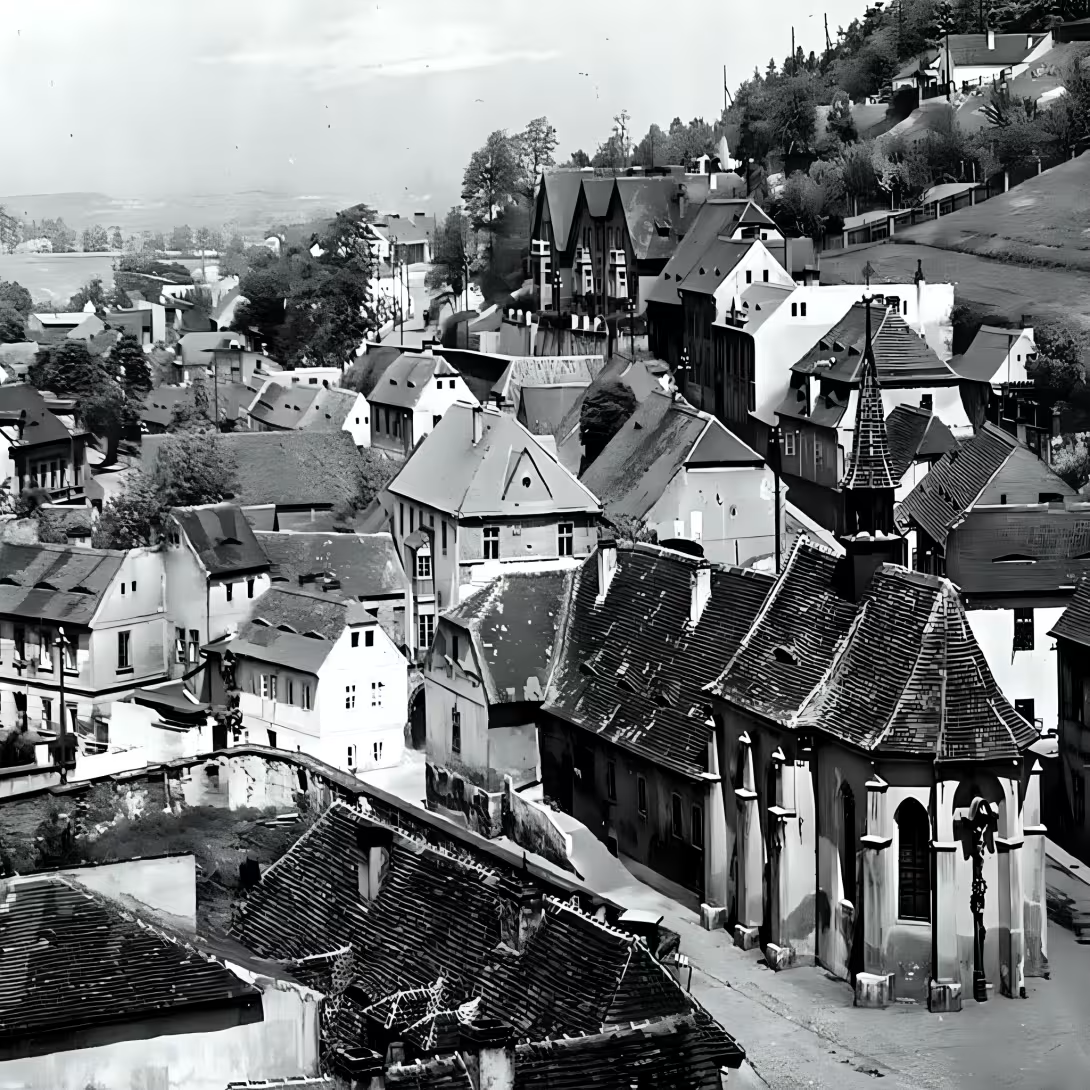
Objekt se nedochoval — na místě dnes nestojí. Následující text popisuje jeho historii, ne současnou návštěvu.
The Church of Saint Elizabeth in Bílina stands as a remarkable testament to architectural evolution from Gothic to Renaissance styles in the Czech lands. Originally constructed in the first half of the 14th century, it was later transformed into an oblong Renaissance structure before its demolition between 1942 and 1943. Located outside the city walls on what is now Pivovarské náměstí, it served as a hospital chapel for the Teutonic Order until around 1640, reflecting its historical significance beyond religious functions.
The church's origins trace back to the early Gothic period in the first half of the 14th century. During this time, Bohemia was part of the Holy Roman Empire and experienced significant Gothic architectural development. Initially built as a Gothic chapel outside the city walls, it embodied the prevalent style of that era.
Architecturally, the church underwent a significant transformation around 1600 when it was reconstructed into an oblong Renaissance building with a polygonal presbytery closure. This period marked a shift in artistic styles across Europe, influencing local architecture as seen in Bílina's church transformation. The exterior featured pilasters and gabled windows, while the interior boasted barrel vaulting with stucco ribs. A notable feature was a two-columned Renaissance gallery on the west side of the nave, adding to its architectural grandeur.
The Church of Saint Elizabeth also served as a hospital chapel for the Teutonic Order until about 1640. During this period, it functioned beyond its religious role, reflecting the broader historical context in which such institutions operated. Following this period, the church was repurposed as a chudobinec (poorhouse), and its associated building served various community functions.
Despite its eventual demolition between 1942 and 1943, remnants of the church's original fittings have been preserved. An altarpiece of Saint Elizabeth from around 1600 is housed in an Okresní museum, while a Renaissance image of Saint Elizabeth from the same period can be found in the Teplické muzeum. Additionally, the church's portal, dating to around 1600, was embedded into its structure, offering a glimpse into its historical architecture.
Today, while the physical structure no longer stands, the legacy of the Church of Saint Elizabeth endures through these preserved artifacts and the rich history they represent. The site remains significant for those interested in exploring the architectural and cultural evolution of the region. Visitors are invited to delve into this fascinating chapter of Bílina's past, appreciating its historical value and the stories encapsulated within its remnants.
Then and now
Drag the slider to compare how the landmark may have looked when it was built with the view today.
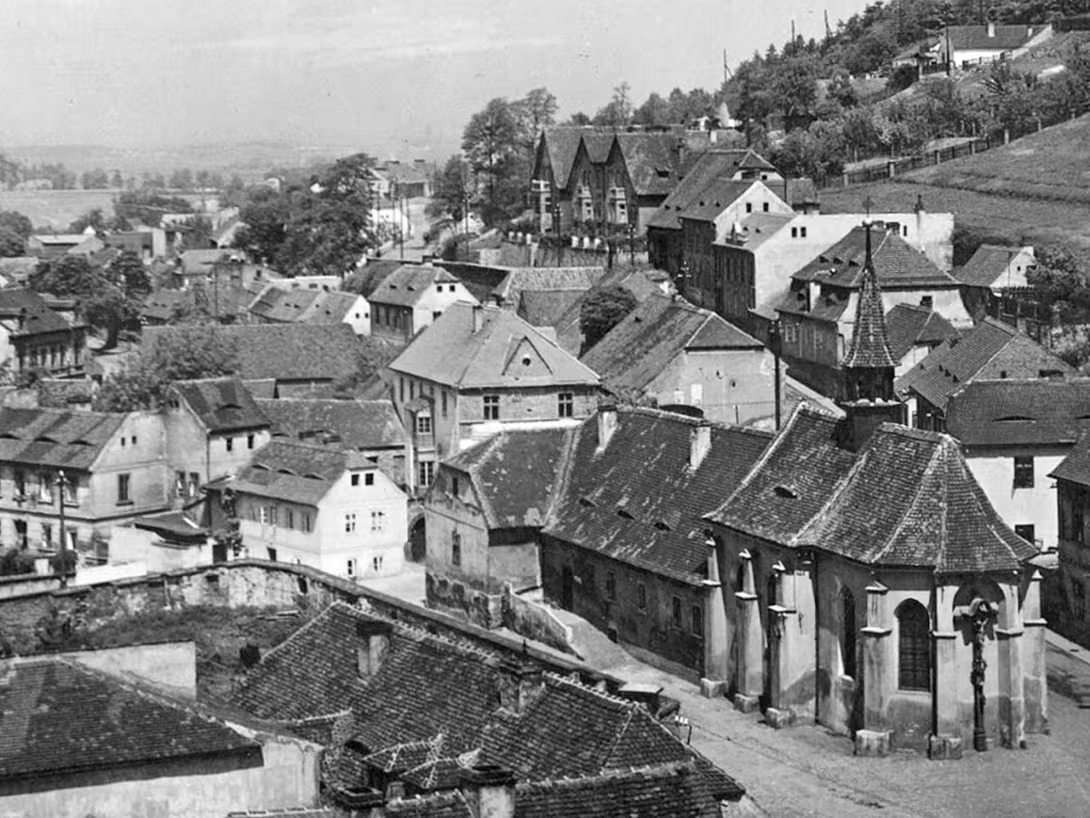
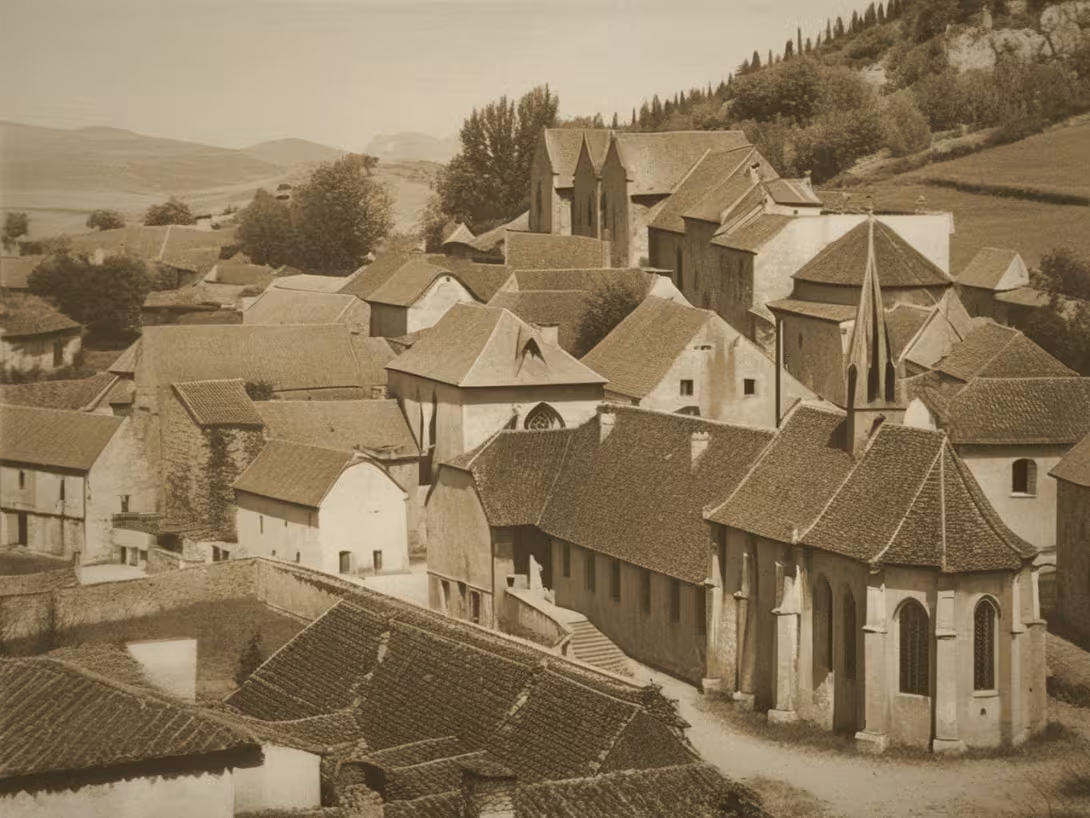
The historical appearance on the left is an AI-generated visualisation and serves as inspiration only.
Historical milestones
- první polovina 14. století
- Původní výstavba gotické kaple
- kolem 1600
- Transformace do obdélníkové renesanční stavby
- asi 1640
- Konec funkce jako nemocniční kaple řádu německých rytířů
- 1942-1943
- Demolice kostela
Architectural development
The church began as a Gothic structure in the early 14th century, located outside the city walls. It underwent significant transformation around 1600 into an oblong Renaissance building with polygonal presbytery closure. The exterior featured pilasters and gabled windows, while the interior boasted barrel vaulting with stucco ribs. A notable feature was a two-columned Renaissance gallery on the west side of the nave.
Historical events
Originally built in the first half of the 14th century as a Gothic chapel.
Reconstructed into a Renaissance style around 1600.
Served as a hospital chapel for the Teutonic Order until about 1640.
Demolished between 1942 and 1943.
Points of interest
- The Church of Saint Elizabeth was originally a Gothic chapel before being transformed into an oblong Renaissance structure around 1600, reflecting the broader European shift in architectural styles during that period.
- Serving as a hospital chapel for the Teutonic Order until about 1640, the church's role extended beyond religious functions, illustrating its integration into the social and healthcare fabric of Bílina at the time.
- Despite its demolition between 1942 and 1943, remnants like an altarpiece from around 1600 are preserved in local museums such as the Okresní museum, allowing a glimpse into its Renaissance-era artistry.
- The church's portal, dating to around 1600, was embedded into its structure before demolition, preserving a piece of its historical architecture for future generations to study and appreciate.
- After serving as a hospital chapel and later repurposed as a chudobinec (poorhouse), the site reflects the evolving community roles that religious structures often played in historical Bílina.
Guide
This guide is narrated by a synthetic voice generated by artificial intelligence.
Show guide text
This text was created by artificial intelligence and has not been editorially reviewed. It may contain inaccuracies.
Welcome to the site of the Church of Saint Elizabeth in Bílina, a location steeped in history and architectural transformation. As you stand here, imagine the landscape that once framed this remarkable structure—a testament to the evolution from Gothic to Renaissance styles within the Czech lands.
The origins of this church trace back to the first half of the 14th century when it was initially constructed as a modest Gothic chapel. Over time, around the year 1600, it underwent a significant transformation into an oblong Renaissance building, reflecting broader European shifts in architectural preferences during that period.
As you look at the site today, picture the church's past grandeur and its role within the community. Although much of the structure was demolished between 1942 and 1943, its historical significance remains palpable. The Church of Saint Elizabeth once served as a hospital chapel for the Teutonic Order until about 1640, highlighting its importance in providing spiritual support to those in need.
While you cannot see the original architecture now, imagine the harmonious blend of Gothic and Renaissance elements that must have characterized this site. Consider how it would have stood proudly with its oblong form, a silent witness to centuries of change.
One intriguing aspect of this location is its connection to the Teutonic Order—a group known for their military prowess and charitable work. The church's role as a hospital chapel underscores the intersection of faith and healing in medieval society.
As you continue your exploration, take a moment to reflect on the layers of history that converge at this site. Each step here echoes stories from centuries past, inviting you to ponder the lives touched by this sacred space.
We invite you to delve deeper into Bílina's rich history as you wander through its streets and discover more about the cultural tapestry woven over time. Thank you for joining us on this journey, and we hope your visit inspires a lasting appreciation for the stories embedded in these historic grounds.
Businesses nearby
Do you run a restaurant, accommodation, shop, museum, rental, wellness or other visitor service near this monument? Show yourself directly to the people heading to it — this is how they will see you in the app and on the web:
Events nearby
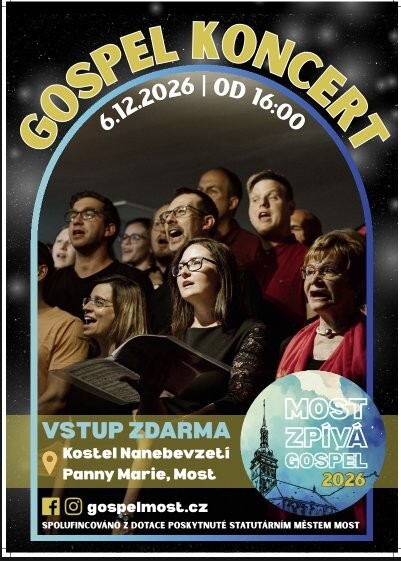
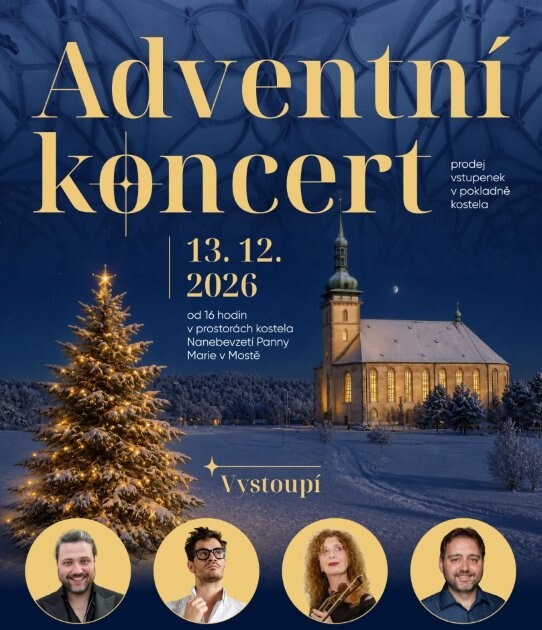
Zdroj akcí: otevřená data měst a obcí ČR (Národní katalog otevřených dat) a kalendář akcí Národního památkového ústavu.
Visualizations and artistic views


The visualisations are generated by artificial intelligence and serve as inspiration.
Photos from the area
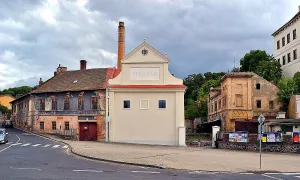
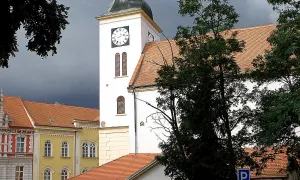
Real photos taken near the monument


Zdroj a licence jsou uvedeny u každého snímku.
Tips from visitors
No tips yet. Be the first!
Log in and add your tip.
Sources and literature
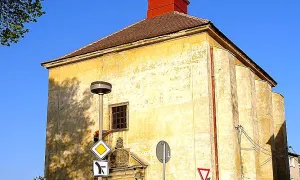
Photos: autor neuveden / Public domain, rozlišení zvýšeno umělou inteligencí — Wikimedia Commons. The author and licence also appear when you hover over the image.
Faktickým podkladem tohoto textu byl článek na Wikipedii, jehož autory jsou přispěvatelé Wikipedie. Článek je dostupný pod licencí CC BY-SA 4.0.
Location on the map

Příběhy a pověsti
Legendy, pověsti a příběhy spjaté s touto památkou
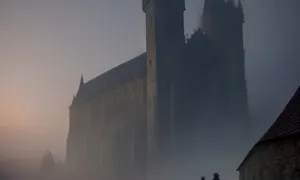
Příběh: Kostel svaté Alžběty (Bílina)
Bylo to v pondělí ráno, kdy Janek z Hradce našel sílu postavit se proti násilným bouřím, které si plýtvaly jeho duší. Kostel svaté Alžběty stál před ním jako…
Číst příběh
Pověst: Kostel svaté Alžběty (Bílina)
Podle místní pověsti stál kostel svaté Alžběty na okraji Bíliny odedávna jako tichý strážce trpících. Traduje se, že na místě, kde ho v první polovině čtrnác…
Číst příběhFotografie návštěvníků
Zatím žádné fotografie. Buďte první, kdo přidá fotografii z návštěvy!
Log in a přidejte svou fotografii nebo hodnoťte.
Za ověřenou návštěvu v aplikaci získáte víc bodů — poznáme podle GPS, že jste na místě.
Reviews and comments