






kostel svaté Anny (Staré Brno) Church
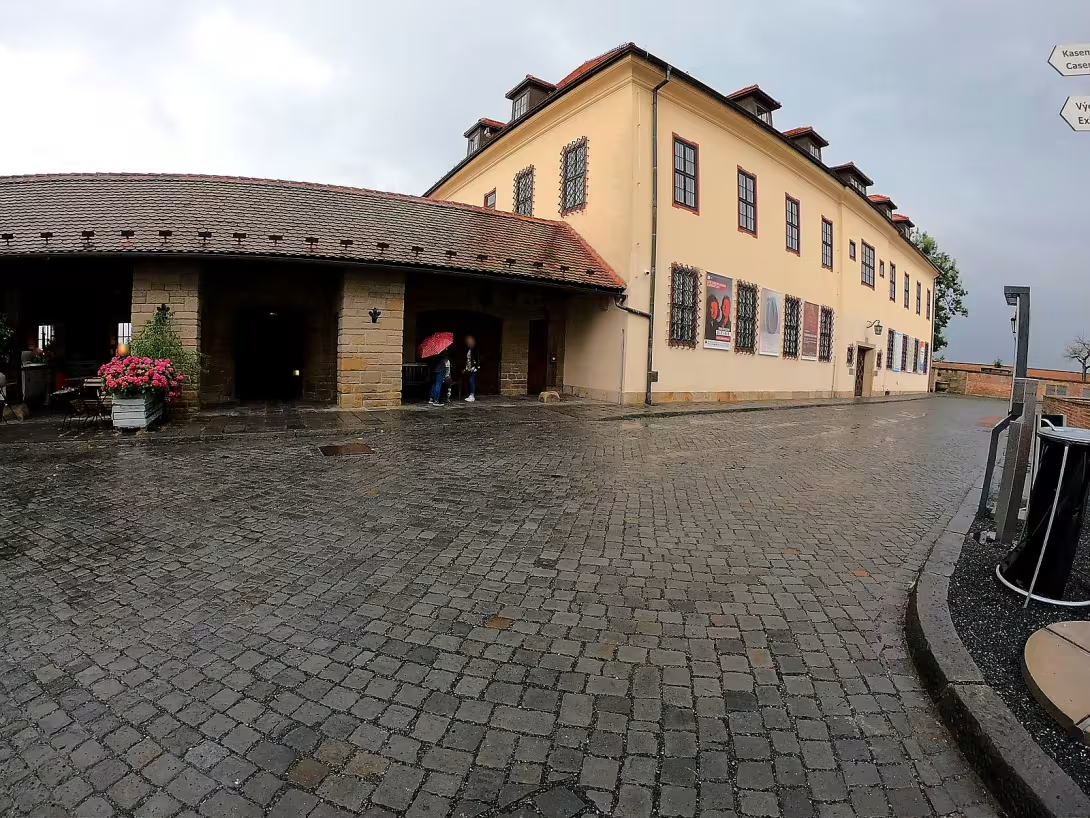
Objekt se nedochoval — na místě dnes nestojí. Následující text popisuje jeho historii, ne současnou návštěvu.
The Church of Saint Anne in Staré Brno stands as a testament to the region's rich ecclesiastical history. It evolved through several architectural phases from the early 11th century until its demolition at the end of the 18th century. Located within what is now known as the area of the former Starobrněnský klášter, this site began with a rotunda around the turn of the 10th and 11th centuries. This makes it one of Moravia's earliest documented sacred structures. Its significance was further underscored by its continuous use for burials from the 11th century onwards. Over time, the original rotunda gave way to a Romanesque church dedicated to the Virgin Mary in the late 12th century and eventually transitioned into a Gothic church at the end of the 13th century.
The origins of this site are deeply rooted in the early medieval period when Brno was part of the Kingdom of Bohemia under the Přemyslid dynasty. The initial structure, a rotunda, is believed to have been established around the turn of the 10th and 11th centuries, serving as a significant burial site from its inception. This early church is linked to historical figures such as Henry Zdík, who mentioned it in a document dated approximately 1141, highlighting its importance among the churches in the Czech lands at that time. By the late 12th century, this rotunda was replaced by a Romanesque church dedicated to the Virgin Mary, marking an important architectural transition. This structure was later succeeded by a Gothic church towards the end of the 13th century.
Architecturally, the Church of Saint Anne underwent significant transformations throughout its existence. The initial rotunda featured a single apse on its eastern side and had robust foundations made from local materials like sandstone and brick. When replaced by the Romanesque church in the late 12th century, it boasted a rectangular nave and presbytery, with the structure being both plastered and adorned with painted stonework. The final phase saw the construction of a Gothic church that stood until its demolition at the end of the 18th century.
Throughout its history, the site was associated with notable figures such as Lev z Klobouk, who is linked to a forged document from around 1210 claiming he donated the newly founded Church of the Virgin Mary to the Zábrdovice Monastery. This church served as a parish for Staré Brno and surrounding villages until it was replaced by the Gothic structure in the late 13th century.
The site's historical significance is further highlighted by archaeological findings from excavations conducted between 1976 and 1983, which uncovered remnants of all three phases of construction beneath a courtyard of the Starobrněnský klášter. These discoveries provide valuable insights into the architectural evolution and religious importance of this location over several centuries.
Today, while the Church of Saint Anne no longer stands, its historical footprint remains an intriguing site for those interested in medieval architecture and ecclesiastical history. Visitors can explore the area where these significant structures once stood, gaining a deeper appreciation for the region's rich past. The remnants uncovered through archaeological research offer a tangible connection to the early sacred sites of Moravia, making it a worthwhile destination for anyone keen on exploring historical transformations within Brno.
Then and now
Drag the slider to compare how the landmark may have looked when it was built with the view today.
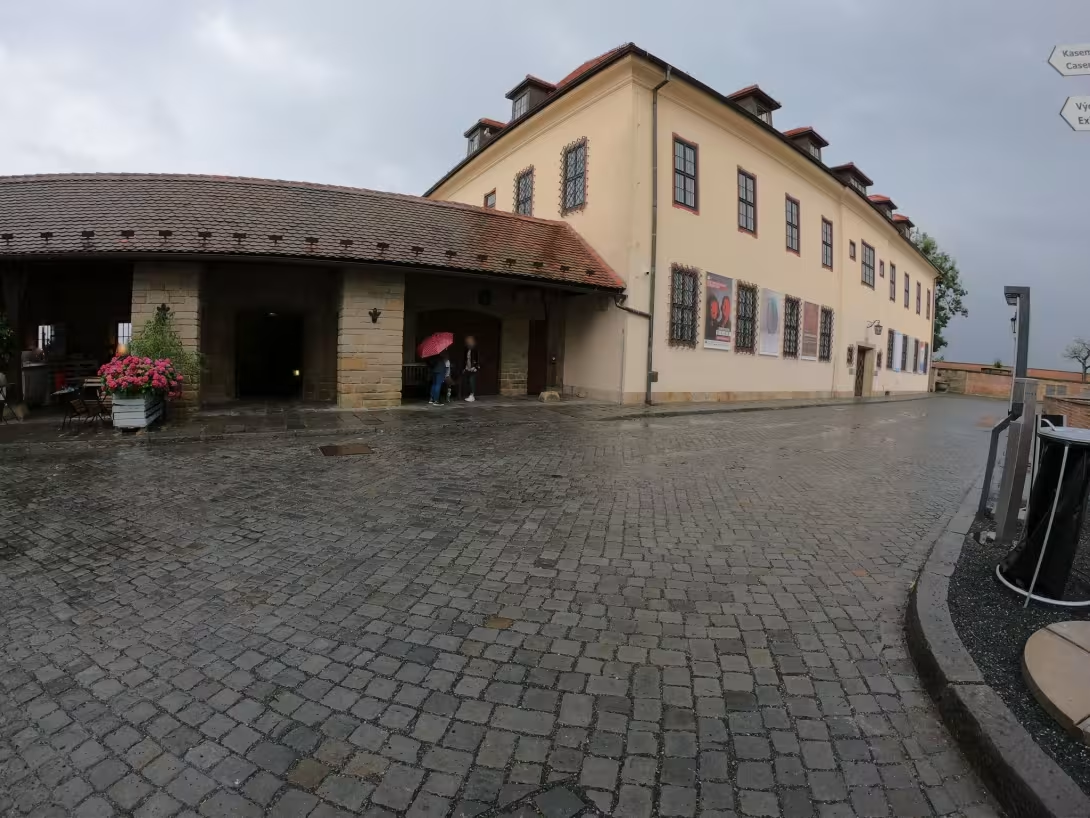
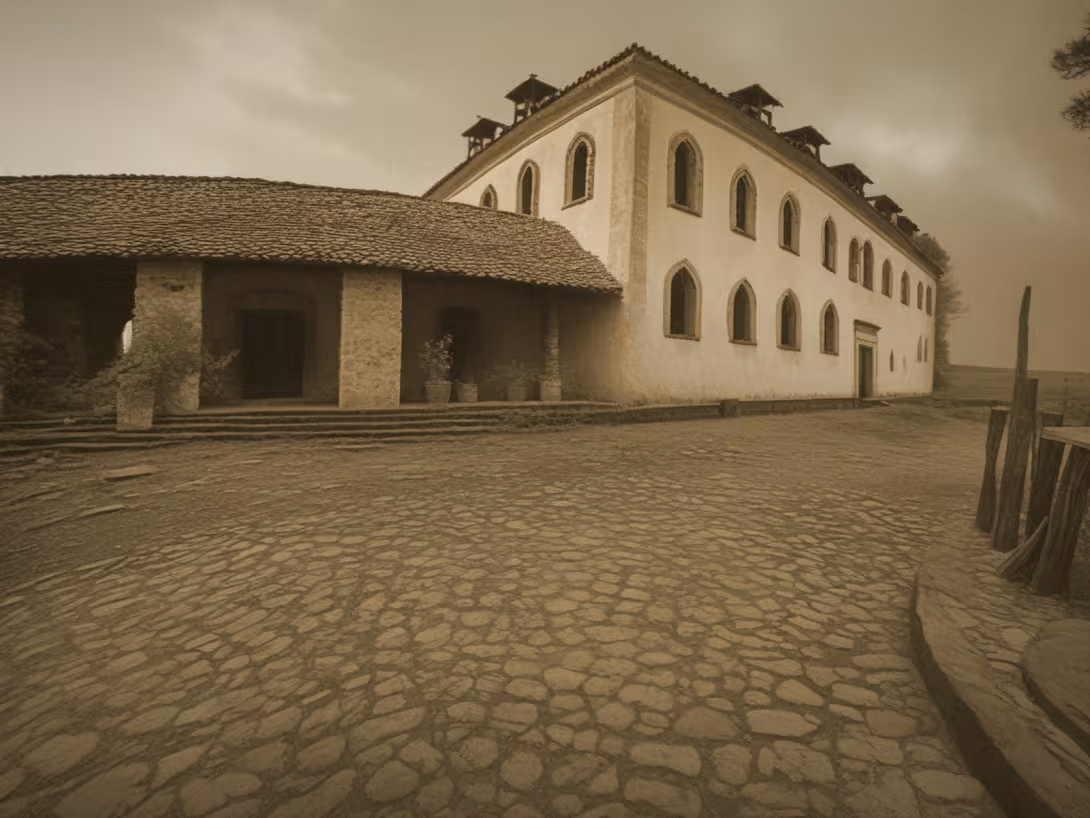
The historical appearance on the left is an AI-generated visualisation and serves as inspiration only.
Historical milestones
- 1141
- The church is mentioned in a document by Henry Zdík, indicating its significance as one of the most important churches in the Czech lands at that time.
- 1210
- A forged document claims that Lev z Klobouk donated the newly founded Church of the Virgin Mary to the Zábrdovice Monastery.
Architectural development
The Church of Saint Anne underwent several architectural transformations. Initially a rotunda from the early 11th century, it was succeeded by a Romanesque church in the late 12th century, which featured a rectangular nave and presbytery. This structure was later replaced by a Gothic church at the end of the 13th century. The site's archaeological findings revealed that these structures were built with robust foundations using local materials like sandstone and brick.
Historical events
The rotunda, dating back to the early 11th century, was one of the earliest documented sacred structures in Moravia and served as a significant burial site from the 11th century onwards.
In the late 12th century, the Romanesque church dedicated to the Virgin Mary replaced the original rotunda, marking an important architectural transition.
Points of interest
- The Church of Saint Anne's site is linked to Henry Zdík, who mentioned it in a document around 1141, indicating its early significance among churches in the Czech lands.
- A forged document from approximately 1210 falsely claims that Lev z Klobouk donated the newly founded Church of the Virgin Mary to the Zábrdovice Monastery, adding an intriguing layer of historical mystery to the site's narrative.
- Excavations between 1976 and 1983 uncovered remnants of all three architectural phases beneath a courtyard of the Starobrněnský klášter, offering unique insights into the church’s evolution over centuries.
- The original rotunda was established around the turn of the 10th and 11th centuries, making it one of Moravia's earliest documented sacred structures with significant burial use from its inception.
- Despite its demolition at the end of the 18th century, the site's historical footprint remains a fascinating topic for those interested in architectural evolution and religious history in Staré Brno.
Guide
This guide is narrated by a synthetic voice generated by artificial intelligence.
Show guide text
This text was created by artificial intelligence and has not been editorially reviewed. It may contain inaccuracies.
Welcome to the site of the Church of Saint Anne in Staré Brno, a place where history whispers from every corner and tells tales of spiritual devotion spanning centuries. As you stand here at Mendlova náměstí, imagine yourself stepping back into a time when this sacred ground was first consecrated.
The origins of this site trace back to the turn of the 10th and 11th centuries, beginning as a humble rotunda. It was one of the earliest documented sacred structures in Moravia, marking an important chapter in the region's religious history. By the late 12th century, it evolved into a Romanesque church dedicated to the Virgin Mary.
As you look around, take a moment to appreciate the historical layers that have shaped this place. Though its original architecture has transformed over time, the spirit of devotion remains palpable. The site carries echoes of its past significance as one of the most important churches in the Czech lands during the 12th century.
A pivotal moment in its history occurred around 1141 when Henry Zdík mentioned the church in a document, highlighting its prominence. This reference underscores the church's early importance and its role within the spiritual life of Moravia.
Another intriguing chapter involves Lev z Klobouk, whose name is tied to a forged document from approximately 1210. This document falsely claims that he donated the newly founded Church of the Virgin Mary to the Zábrdovice Monastery, adding an element of mystery and intrigue to its history.
As you continue your exploration, let these stories inspire you to delve deeper into the rich tapestry of this site's past. Each stone and every whisper of wind seems to carry a piece of its storied legacy.
We invite you to wander further and discover more about this remarkable place, where history, architecture, and spirituality intertwine. Thank you for joining us on this journey through time, and we hope your visit here has been both enlightening and inspiring.
Businesses nearby
Do you run a restaurant, accommodation, shop, museum, rental, wellness or other visitor service near this monument? Show yourself directly to the people heading to it — this is how they will see you in the app and on the web:
Events nearby


Zdroj akcí: otevřená data měst a obcí ČR (Národní katalog otevřených dat) a kalendář akcí Národního památkového ústavu.
Visualizations and artistic views


The visualisations are generated by artificial intelligence and serve as inspiration.
Photos from the area
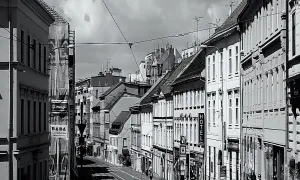
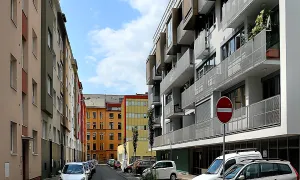
Real photos taken near the monument

Zdroj a licence jsou uvedeny u každého snímku.
Tips from visitors
No tips yet. Be the first!
Log in and add your tip.
Sources and literature
Faktickým podkladem tohoto textu byl článek na Wikipedii, jehož autory jsou přispěvatelé Wikipedie. Článek je dostupný pod licencí CC BY-SA 4.0.
Location on the map



Příběhy a pověsti
Legendy, pověsti a příběhy spjaté s touto památkou
Fotografie návštěvníků
Zatím žádné fotografie. Buďte první, kdo přidá fotografii z návštěvy!
Přihlaste se a přidejte svou fotografii nebo hodnoťte.
Za ověřenou návštěvu v aplikaci získáte víc bodů — poznáme podle GPS, že jste na místě.
Reviews and comments