



Kostel svaté Anny ve Verneřicích Church
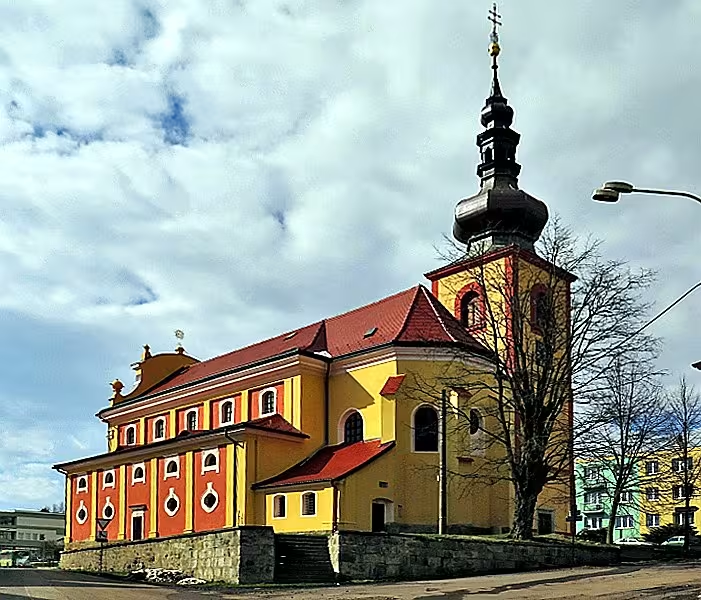
The Church of Saint Anne in Verneřice is a Roman Catholic parish church located at the heart of this town in Ústecký kraj. Originally constructed in the 14th century, it has evolved through significant architectural transformations to its current Baroque and Rococo style. Recognized as a cultural monument, the church stands out for its historical significance and rich architectural heritage.
The origins of the Church of Saint Anne trace back to the 14th century when Verneřice was already noted as a parish village. The earliest documented mention of the church dates to 1384. Over time, it underwent various expansions and renovations, reflecting broader cultural and political developments in Bohemia during its era within the Holy Roman Empire. A significant architectural expansion occurred around 1565 after Verneřice's elevation to city status, adopting a Renaissance style.
Architecturally, the church is an amalgamation of styles from different periods. Initially built with late Gothic elements, it later incorporated Renaissance features in the mid-16th century. The fires of 1709 and 1774 prompted Baroque and Rococo renovations, which significantly shaped its current appearance. The structure includes a three-aisled nave, a high triumphal arch, and an octagonal belfry topped with an onion dome—a distinctive feature that adds to its uniqueness.
Throughout its history, the church has seen various changes in ownership and administration. After World War II, parts of its interior were relocated from demolished churches in nearby Merboltice and Valkeřice, reflecting a period of adaptation and preservation efforts. The church's fortunes have fluctuated over time, with periods of neglect followed by restoration initiatives.
Key events in the church’s history include its significant expansion during the Renaissance and subsequent Baroque and Rococo renovations following fires in 1709 and 1774. These transformations highlight the church's resilience and adaptability through centuries of change. Additionally, the relocation of interior elements from other demolished churches post-World War II underscores a commitment to preserving its cultural heritage.
Today, the Church of Saint Anne stands as a testament to Verneřice’s historical and architectural journey. It remains accessible to visitors who are interested in exploring its rich past and unique design features. The church's blend of Gothic, Renaissance, Baroque, and Rococo elements offers a fascinating glimpse into the artistic and cultural shifts over centuries.
Visiting the Church of Saint Anne is an opportunity to connect with Verneřice’s storied past and appreciate the intricate craftsmanship that has been preserved through time. Its status as a cultural monument ensures its continued relevance and allure for both history enthusiasts and casual visitors alike.
Then and now
Drag the slider to compare how the landmark may have looked when it was built with the view today.
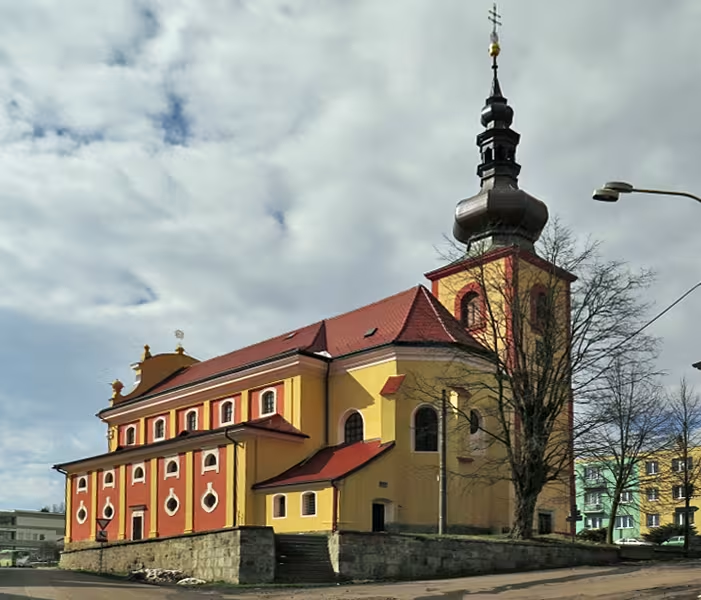
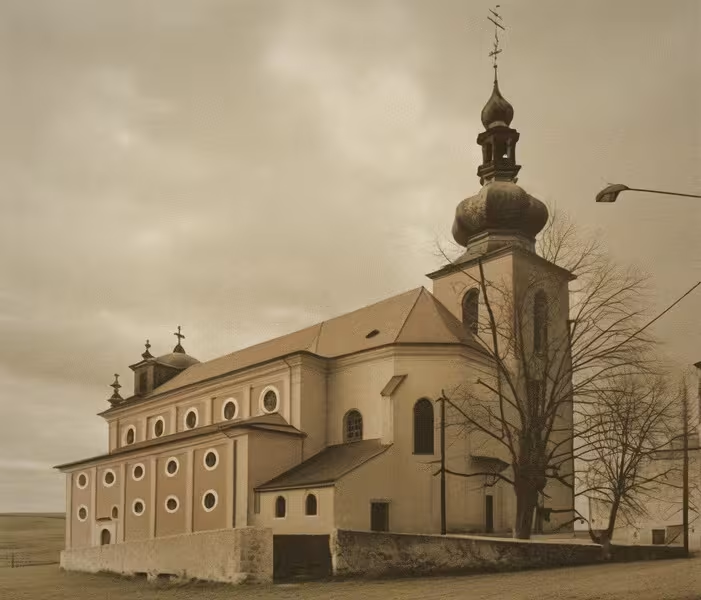
The historical appearance on the left is an AI-generated visualisation and serves as inspiration only.
Historical milestones
- 1484
- The insertion of the vaulting rib into the presbytery was documented.
- 1656
- An east wall window with a late Gothic gable and cross was noted.
- 1711
- A segmental parapet on the facade was dated.
Architectural development
The Church of Saint Anne has experienced several architectural phases. Initially built in the late Gothic style during the 14th century, it was expanded in a Renaissance manner around 1565. Subsequent fires led to Baroque and Rococo modifications in the early 18th century. The church's architecture includes a three-aisled nave with a high triumphal arch and decorative elements typical of its era.
Historical events
The original church from the 14th century was significantly expanded in the Renaissance style around 1565 after Verneřice was elevated to city status.
Following fires in 1709 and 1774, the church underwent Baroque and Rococo renovations.
Points of interest
- The Church of Saint Anne's octagonal belfry topped with an onion dome is a distinctive architectural feature that sets it apart from other churches in the region.
- Following World War II, interior elements were relocated to the church from demolished structures in Merboltice and Valkeřice, showcasing a unique effort in historical preservation during post-war reconstruction.
- The 1709 and 1774 fires led to significant Baroque and Rococo renovations, transforming the church's appearance and demonstrating its resilience through adversity over the centuries.
- Originally constructed with late Gothic elements, the church underwent a Renaissance transformation around 1565 when Verneřice was elevated to city status, reflecting broader cultural shifts in Bohemia.
- The church has experienced fluctuations in ownership and administration throughout history, illustrating the complex socio-political dynamics of its time within the Holy Roman Empire.
Guide
This guide is narrated by a synthetic voice generated by artificial intelligence.
Show guide text
This text was created by artificial intelligence and has not been editorially reviewed. It may contain inaccuracies.
Church of Saint Anna is a Roman Catholic parish church in the center of Verneřice in the Děčín district. It is a Baroque building, later adapted in the Rococo style, and is protected as a cultural monument.
Its origins date back to the 14th century, when Verneřice was a parish village. In 1384, the Church of Saint Anna is mentioned by name. From that time, perhaps the perimeter walls of the presbytery and the lower part of the tower have been preserved. The keystone in the vault of the presbytery bears the year 1484, when the vault was inserted. When Verneřice became a town, the church was fundamentally expanded in the Gothic-Renaissance style, apparently in 1565. After fires in 1709 and 1774, it acquired its Baroque and Rococo appearance.
After 1945, the church fell into disrepair. In 1973, it was renovated, being the only one in the wide surrounding area. Parts of furnishings from demolished churches in Merboltice and Valkeřice and from the pilgrimage Church of the Most Holy Trinity were moved into it. That church had stood west above the village on Boží vrch. Later the church deteriorated again, and so in the second decade of the 21st century, its extensive renovation began.
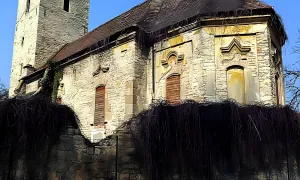
The church is a rectangular building with a presbytery closed off by three sides in the late Gothic style. A sacristy adjoins it on the south side, and on the north side there is a prismatic tower with an octagonal onion-shaped dome. The gable of the western façade bears a statue of Saint Joseph in a niche and the date 1711. On the eastern wall is a small window with the date 1656.
The presbytery is vaulted with a star and radial vault with interlacing ribs. Above a narrow chapel in the undercroft is an oratory with a net vault and with an Austrian coat of arms on the breast. The three naves are covered with new wooden ceilings. Above the side naves are galleries and above the high nave is Rococo stucco decoration.
According to a description from 1978, the main altar is pseudo-Baroque. It bears a painting of Saint Anna from the 19th century and statues of Saint George and Saint Andrew. The side altars are dedicated to the Virgin Mary and Saint John of Nepomuk. The pulpit, Rococo benches, and the organ date from the second half of the 18th century. In the church are also Baroque statues of Saint Peter and Paul, Saint Barbara, and Saint Apollonia.
Next to the church stands the rectory. The original building burned down in 1774 and was rebuilt as a rectangular two-story structure with vaulted rooms on the ground floor.
Tips for visitors
The best time to visit the Church of Saint Anne in Verneřice is during late spring or early autumn when the weather is pleasant, allowing for a comfortable stroll around the town and its historic sites. These seasons offer optimal lighting conditions for photography, with softer light enhancing the architectural details of the church. Additionally, visiting outside peak tourist season means fewer crowds, providing a more serene experience.
When visiting the Church of Saint Anne, it's recommended to bring comfortable walking shoes, especially if you plan to explore the surrounding area or visit other sites within a 30-minute radius. A camera is also advisable for capturing the church’s architectural beauty and the picturesque landscapes around Verneřice. Don’t forget water and sunscreen during warmer months.
For photography enthusiasts, the best spots to capture the Church of Saint Anne are from the front where its facade can be fully appreciated, or from a slight angle that includes the surrounding town for context. Early morning light offers soft shadows and highlights on the church’s structure, while late afternoon provides warm lighting conditions. Always check if photography is permitted inside the church.
Nearby attractions within a 30-minute drive include other historical sites in the Ústecký kraj region that offer insights into local history and architecture. These can provide a broader context to your visit to Verneřice, enriching your understanding of the area’s cultural heritage.
Frequently asked questions
Can the monument be visited?
Religious buildings are usually open mainly during services; at other times a visit is normally arranged with the parish or the operator. We have not verified specific times. According to the heritage register restoration is under way, so access may be restricted.
Where is the monument?
Location: Verneřice, Ústecký kraj. The map on this page shows the exact spot.
Why is the monument protected?
It is listed in the Central List of Cultural Monuments of the Czech Republic as a cultural monument (register no. 22036/5-4050).
Businesses nearby
Do you run a restaurant, accommodation, shop, museum, rental, wellness or other visitor service near this monument? Show yourself directly to the people heading to it — this is how they will see you in the app and on the web:
Events nearby

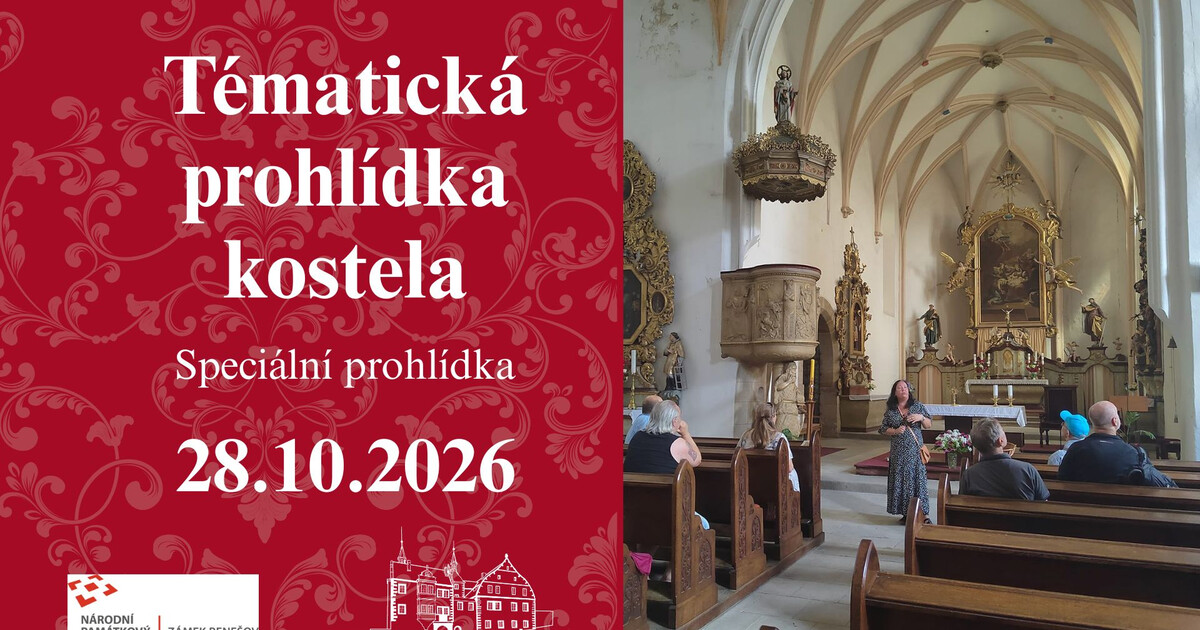


Zdroj akcí: otevřená data měst a obcí ČR (Národní katalog otevřených dat) a kalendář akcí Národního památkového ústavu.
Accommodation nearby
Trips and activities nearby
Guided tours, tickets and activities nearby from GetYourGuide
Affiliate link: if you buy from the partner, we may receive a commission. The price for you does not change.
Search tours and activities →Themed route
Tematická výletní trasa: Kostel svaté Anny ve Verneřicích
1. Kostel svaté Anny ve Verneřicích (Kostel) Start your tour at the Church of Saint Anne itself. This Baroque church is not only a religious site but also an architectural masterpiece with rich history and artistic elements. It's the perfect place for those interested in Czech Baroque history and who want to enjoy a tranquil atmosphere.
2. Nádvoří kostela After visiting the interior, take a look at the church courtyard where you can explore outdoor features and enjoy some peaceful moments in a pleasant environment. The courtyard offers views of the surrounding landscape and is an ideal spot for resting after touring the church.
3. Věž kostela If you love panoramic views, be sure to visit the church tower. Here you can enjoy a breathtaking view of Verneřice and the surrounding areas. Climbing the tower is an excellent way to see the landscape from a different perspective and remember the historical significance of this site.
4. Park u kostela The final part of your tour could be a stroll through the park by the church, where you can unwind and enjoy the natural surroundings. The park offers peaceful paths that are ideal for a quick look around or a relaxing walk.
This route allows you to explore the main attraction of the Verneřice area and its immediate surroundings, offering a combination of history, culture, and nature.
Seasonal recommendations
Spring: The arrival of spring at the Church of Saint Anne in Verneřice brings a rejuvenating atmosphere as nature awakens around this historic site. The surrounding landscape is adorned with blooming flowers and fresh greenery, creating a picturesque setting that enhances the church's architectural beauty. Visitors can enjoy the soft, natural light filtering through the stained glass windows, casting vibrant colors across the interior. During this season, it’s advisable to dress in layers as temperatures can vary throughout the day. Early mornings or late afternoons are ideal for visits when the crowds are smaller and the lighting is most flattering.
Summer: Summer at the Church of Saint Anne offers a lively atmosphere with longer daylight hours allowing visitors to fully appreciate both the church's interior and its serene surroundings. The lush greenery provides a perfect backdrop, making it an excellent time for photography enthusiasts. However, this season also attracts more tourists, so arriving early in the day can help avoid larger crowds. Comfortable walking shoes and light clothing are recommended due to warmer temperatures, and carrying water is advisable during your visit.
Autumn: Autumn brings a unique charm to the Church of Saint Anne with its vibrant foliage painting the landscape in warm hues of red, orange, and yellow. The cooler weather creates a tranquil atmosphere that complements the historical ambiance of the church. This season offers excellent lighting conditions for photography, especially during golden hour. Visitors should dress warmly in layers to accommodate the brisk temperatures and enjoy the quieter visiting hours as fewer tourists venture out compared to summer.
Winter: Visiting the Church of Saint Anne in winter transforms the experience into a serene and magical one, with snow-covered surroundings adding a touch of enchantment. The church's architecture stands out against the stark landscape, creating stunning visual contrasts. Due to shorter daylight hours, it’s best to plan visits during midday when there is ample natural light inside. Visitors should dress warmly in thermal layers and wear sturdy boots for walking on potentially icy paths. Keep in mind that opening times may be reduced, so checking ahead is recommended.
Visualizations and artistic views


The visualisations are generated by artificial intelligence and serve as inspiration.
Photos from the area
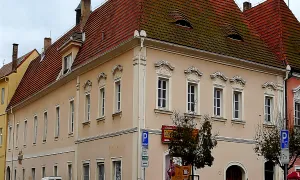
Real photos taken near the monument


Zdroj a licence jsou uvedeny u každého snímku.
Atmosphere of the place
This atmospheric visualisation of the place and period was generated by artificial intelligence. It is not real footage of the location.
Tips from visitors
No tips yet. Be the first!
Log in and add your tip.
Sources and literature
Photos: Sovicka169 / CC BY-SA 4.0 — Wikimedia Commons. The author and licence also appear when you hover over the image.
Faktickým podkladem tohoto textu byl článek na Wikipedii, jehož autory jsou přispěvatelé Wikipedie. Článek je dostupný pod licencí CC BY-SA 4.0.
Location on the map
Příběhy a pověsti
Legendy, pověsti a příběhy spjaté s touto památkou
Fotografie návštěvníků
Zatím žádné fotografie. Buďte první, kdo přidá fotografii z návštěvy!
Log in a přidejte svou fotografii nebo hodnoťte.
Za ověřenou návštěvu v aplikaci získáte víc bodů — poznáme podle GPS, že jste na místě.
Reviews and comments