






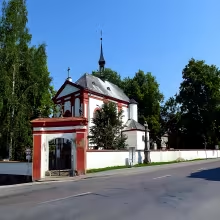
The Church of St. Anne in Žichlínské Předměstí, Lanškroun, is an important example of Baroque sacred architecture within the Královéhradecký diocese. Built at the start of the 18th century outside the town center, it was financed by lanškrounský dean Václav František Zimprich and supported by Prince Lichtenštejn. Notable for its single-nave design without a tower, the church features statues of St. Anne, St. Joseph, and St. Jáchym.
Constructed between 1700 and 1705 under architect G. P. Tencally, with Antonio Sala overseeing the work, it served as a cemetery church reflecting Baroque style, known for its dramatic expressions and grandeur. The entrance portal is adorned with statues, and the historic cemetery wall includes honorary gateways. This project was part of a broader cultural movement supported by nobility like Prince Lichtenštejn.
Václav František Zimprich initiated construction with financial backing from Prince Lichtenštejn. Despite being Protestant, the Erxleben family established their burial site here due to their influence in Lanškroun over several decades.
Key events include its completion in 1705 and the closure of the old cemetery in 1893 after a new one was established on Dobrovského ulice. The church underwent comprehensive reconstruction from 1998 to 2000, enhancing its preservation as a cultural monument. However, it no longer hosts regular services.
Today, while not used for religious purposes, the Church of St. Anne remains an important cultural site. It occasionally opens for concerts and exhibitions, offering insights into its historical and architectural significance. The entrance features statues that enhance its artistic appeal, including a depiction of St. Anne with two children. Access is limited, but it has been listed as a cultural monument since 1964, ensuring protection along with the surrounding cemetery wall.
The Church of St. Anne in Žichlínské Předměstí provides a unique view into Baroque architecture and history. Its preservation allows visitors to appreciate its artistic and cultural heritage, making it a worthwhile destination for those exploring Lanškroun's historical landscape.
Historical milestones
- 1700
- Začátek stavby kostela svaté Anny.
- 1705
- Dokončení stavby kostela svaté Anny.
- 1893
- Zavření starého hřbitova.
- 1964
- Přidání kostela do seznamu kulturních památek.
- 1998
- Počátek komplexní rekonstrukce kostela.
- 2000
- Dokončení rekonstrukce kostela.
Architectural development
The Church of St. Anne, designed by G. P. Tencally and constructed by Antonio Sala, is a high-value Baroque structure built between 1700-1705. It features an entrance portal adorned with statues and a surrounding wall with honorary gateways. The church underwent comprehensive reconstruction from 1998 to 2000, but currently does not host regular services.
Historical events
1700-1705: Construction completed under the guidance of architect G. P. Tencally.
1893: The old cemetery was closed following the establishment of a new one in Dobrovského ulice.
Points of interest
- The Church of St. Anne was constructed without a tower due to its single-nave design, which is atypical for Baroque churches that often feature grand towers.
- Despite being Protestant, the Erxleben family chose this church as their burial site, highlighting their significant influence in Lanškroun over several decades.
- The entrance portal of the Church of St. Anne features statues that contribute to its artistic appeal, including a depiction of St. Anne with two children, which is uncommon for Baroque architecture focused more on dramatic expressions and grandeur.
Guide
Show guide text
Welcome to the Church of St. Anne in Žichlínské Předměstí, a remarkable testament to Baroque sacred architecture nestled within the Královéhradecký diocese. As you stand before this historic edifice, take a moment to absorb its serene presence, standing proudly without a tower—a unique feature for a church of its kind.
The story of St. Anne's Church begins in the early 18th century, specifically around 1700. It was conceived as a cemetery church outside the town center, a project initiated by lanškrounský dean Václav František Zimprich and generously supported by Prince Lichtenštejn. By 1705, this vision had been realized, marking an era of spiritual and architectural significance for the region.
As you gaze upon its structure, notice how it defies typical Baroque grandeur with its single-nave design. This absence of a tower is not just an architectural choice but a narrative in itself—reflecting perhaps on the simplicity and humility that underpinned its original purpose as a cemetery church. The architects G. P. Tencally and Antonio Sala crafted this space with a clear vision, creating an atmosphere that invites reflection.
The history of St. Anne's Church is enriched by the stories of key figures like Václav František Zimprich and Prince Lichtenštejn, whose contributions were pivotal in bringing this architectural marvel to life. Their legacy is etched into the very fabric of the church, a testament to their vision and dedication.
An intriguing aspect of St. Anne's Church lies in its choice as a burial site by the Erxleben family, despite their Protestant faith. This decision underscores the significant influence they wielded in Lanškroun, highlighting how this church transcended religious boundaries to become a symbol of unity and respect across different communities.
The journey through time for St. Anne's Church saw it closing its old cemetery in 1893, gaining recognition as a cultural monument by 1964, and undergoing comprehensive reconstruction from 1998 until the dawn of the new millennium in 2000. Each phase of its history adds layers to its story, inviting us to explore not just its architectural beauty but also its enduring legacy.
As you stand here today, let yourself be drawn into the narrative woven through centuries, a tale of faith, artistry, and community. The Church of St. Anne invites you to delve deeper, to discover more about its past, present, and future. Thank you for joining us on this journey; may your exploration inspire reflection and wonder as you continue to uncover the stories that lie within these walls. Farewell, until next time.
Tips for visitors
The best time to visit the Church of St. Anne is during late spring or early autumn when the weather is mild, making it comfortable for walking around the historic cemetery and exploring nearby areas. These seasons also offer beautiful natural lighting that enhances the Baroque architecture's intricate details. Additionally, visiting outside peak tourist season can provide a more serene experience, allowing you to appreciate the church and its surroundings without large crowds.
Parking is available near Dobrovského ulice, which provides convenient access to the church located northeast of Lanškroun’s center. For those preferring public transportation, both bus and train services are accessible options; however, it's recommended to check current routes and schedules through a travel app or website for precise information. Walking from the town center is also feasible if you enjoy exploring on foot.
When visiting the Church of St. Anne, consider bringing comfortable walking shoes as there may be uneven paths around the historic cemetery wall. A camera or smartphone with a good camera can capture the stunning architecture and gravestones. Don't forget to bring water and perhaps a hat or sunscreen if you're visiting during warmer months. Additionally, carrying a small map or using a GPS app on your phone will help in navigating the area.
For photography enthusiasts, early morning is ideal for capturing soft light that highlights the church's Baroque features. The entrance and facade are particularly photogenic at this time of day. Inside, natural light filtering through stained glass windows creates beautiful patterns, making it a great spot for interior shots. Be mindful to respect any restrictions on flash photography inside the church.
Nearby Lanškroun offers several cultural landmarks within a 30-minute walk or short drive from the Church of St. Anne. Visitors can explore other historical sites and enjoy local cuisine at nearby restaurants. The area is also suitable for families with children, offering opportunities to learn about history in an engaging way. Consider planning a picnic near the cemetery wall, where kids can enjoy the open space while you take in the historic atmosphere.
Businesses nearby
Do you run a restaurant, accommodation, shop, museum, rental, wellness or other visitor service near this monument? Show yourself directly to the people heading to it — this is how they will see you in the app and on the web:
Nearby
Located northeast of Lanškroun's center near Dobrovského ulice, the church is surrounded by a historic cemetery wall and notable gravestones. The area includes other cultural landmarks within a 5 km radius.
Accommodation nearby
Themed route
Thematic Walking Tour: Žichlínské Předměstí
1. Kostel svaté Anny (Žichlínské Předměstí) - Type: Church - Why Visit: Begin your journey at this historic church, a centerpiece of Žichlínské Předměstí. The architecture and serene atmosphere offer insight into the region's religious heritage. Explore the church's interior for its beautiful frescoes and intricate woodwork.
2. Historic Cemetery Wall - Type: Landmark - Why Visit: Located near the church, this historic cemetery wall is a testament to local history and craftsmanship. The area around it features notable gravestones that tell stories of past generations. It's an excellent spot for reflection and understanding the community's historical context.
3. Dobrovského ulice - Type: Street - Why Visit: Walk along Dobrovského ulice, a street close to the church, which offers charming views of Žichlínské Předměstí's traditional architecture and local life. This area provides a gentle stroll through the heart of the village, allowing you to soak in its quaint atmosphere.
4. Nearby Cultural Landmarks (within 5 km) - Type: Cultural Sites - Why Visit: Conclude your tour by exploring cultural landmarks within a short distance from Žichlínské Předměstí. These sites offer additional insights into the region's rich cultural tapestry and are perfect for those interested in deepening their understanding of local history and traditions.
This thematic walking tour provides an enriching experience through Žichlínské Předměstí, highlighting its historical and cultural significance with a focus on accessible landmarks.
Seasonal recommendations
Spring: Visiting the Church of Saint Anne during spring offers a unique experience as nature begins to awaken around Žichlínské Předměstí. The surrounding landscape is adorned with blooming flowers and fresh greenery, creating a picturesque setting that enhances the historical charm of the church. This season's gentle light beautifully illuminates the architecture, casting soft shadows that highlight its features. Visitors are advised to wear comfortable walking shoes as paths may be muddy due to spring rains. Arriving early in the day is recommended to fully enjoy the serene atmosphere before any potential increase in visitors.
Summer: Summer at the Church of Saint Anne provides a vibrant backdrop with lush greenery and warm sunlight, perfect for exploring the church grounds. The long daylight hours offer ample time to appreciate both the natural beauty and historical significance of the site. However, this is also the peak tourist season, so expect larger crowds. It's wise to visit in the early morning or late afternoon to avoid the midday heat and ensure a more peaceful experience. Light, breathable clothing and sun protection are essential for comfort during your visit.
Autumn: Autumn brings a stunning display of colors as the leaves around Žichlínské Předměstí turn into shades of orange, red, and gold, creating an enchanting atmosphere at the Church of Saint Anne. The cooler temperatures make it ideal for leisurely exploration without the discomfort of summer heat. This season's softer light enhances the church’s architectural details, offering a different perspective from other times of year. Visitors should dress in layers to accommodate fluctuating temperatures and consider bringing a camera to capture the picturesque scenery.
Winter: Winter at the Church of Saint Anne offers a serene and quiet atmosphere as snow blankets the landscape around Žichlínské Předměstí, transforming it into a winter wonderland. The church’s architecture is beautifully accentuated by the snowy surroundings, providing a unique and peaceful setting for reflection. However, shorter days mean reduced visiting hours, so plan your visit accordingly. Warm clothing, including hats, gloves, and sturdy boots, is essential to stay comfortable during your exploration of this historic site in the colder months.
Visualizations and artistic views

Vizualizace jsou generovány umělou inteligencí a slouží jako inspirace.

Tips from visitors
No tips yet. Be the first!
Log in and add your tip.



Reviews and comments