






kostel svaté Kateřiny (Vidnava) Church
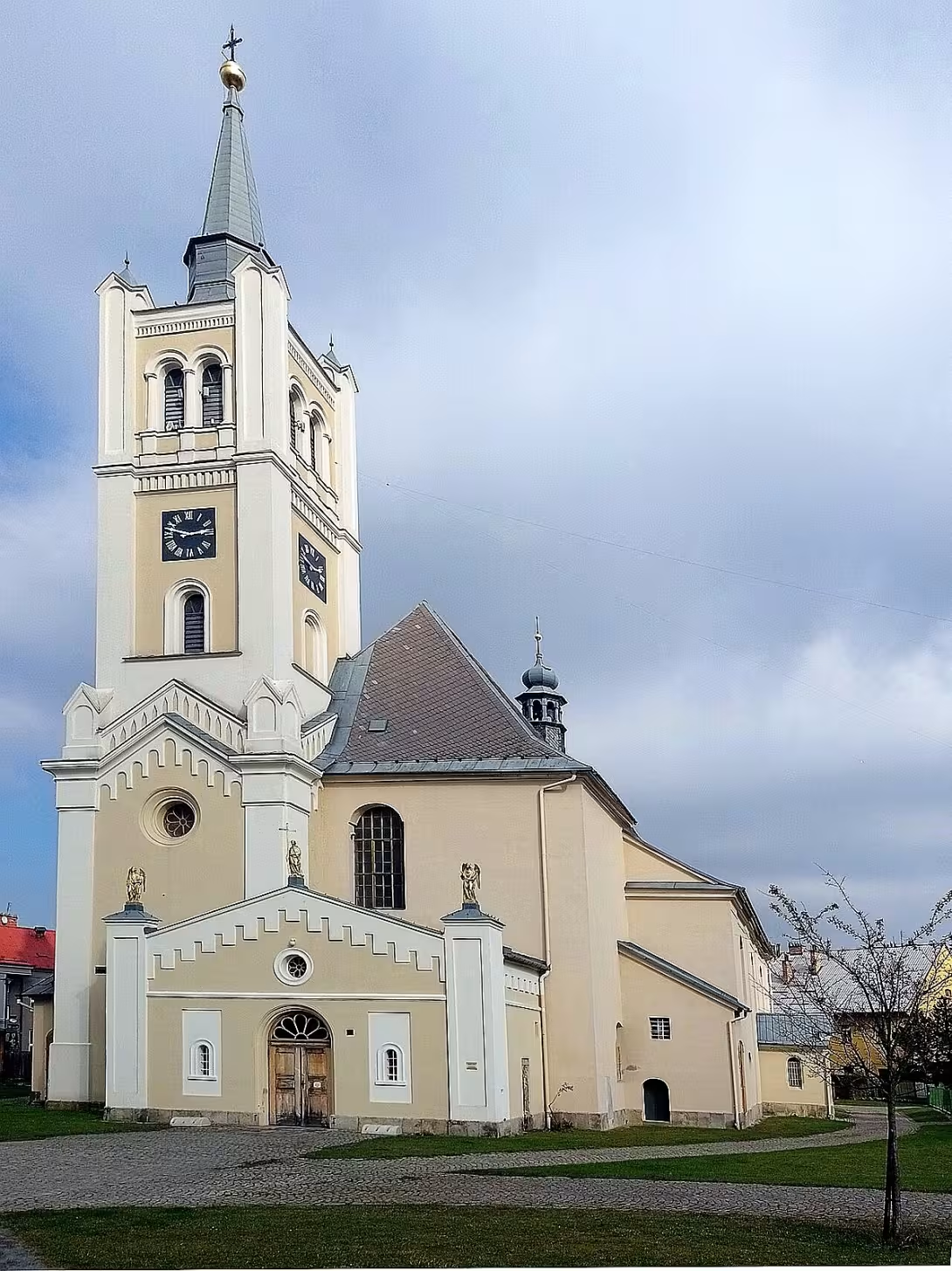
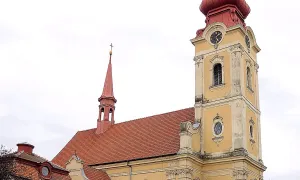
The Church of Saint Catherine in Vidnava is a Roman Catholic parish church located in the town of Vidnava, within the Jeseník district of Olomoucký kraj. Recognized as a cultural monument of the Czech Republic, this single-nave oriented brick structure features a square termination and a tower attached to its northwest corner. The architectural evolution of the church spans Gothic, Renaissance, Baroque, Classical, and Neo-Gothic styles, reflecting significant historical transformations over centuries.
The first documented mention of the Church of Saint Catherine dates back to 1285. It is assumed that construction began in the mid-13th century, based on similarities with other contemporary structures such as those in Javorník-vsi and Bernarticích. The church was part of Vidnava's medieval fortifications, linking it to the town's defensive architecture. In 1438, during the Hussite Wars, a Hussite army burned the church and the town, leading to subsequent repairs and additions. Another fire in 1574 necessitated further reconstruction efforts.
Architecturally, the church underwent significant changes over time. The Gothic tower was reimagined into a Renaissance bell tower with an attic and defensive features during the 16th century. Baroque renovations occurred around 1728, attributed to architects M. J. Klein or F. A. Hammerschmied. In the early 19th century, Classical modifications raised the side aisles by one story, likely under the direction of J. G. Krug. Neo-Gothic alterations between 1883 and 1884 added romanticizing elements like turret-like structures and clock faces to the tower, a project led by Swoboda z Opava.
Throughout its history, the church has been part of the Římskokatolická farnost Vidnava within the Jeseník deanery of the Diocese of Ostrava-Opava. The church's ownership and administration have remained consistent with its religious function, despite various architectural transformations over the centuries.
Key events in the church's history include its repeated destruction by fire and subsequent reconstructions. In 1438, it was burned during the Hussite Wars, leading to repairs that included a new Gothic tower. Another fire in 1574 prompted further reconstruction. The Baroque renovation of 1728 marked a significant stylistic shift, while the Classical modifications in the early 19th century improved structural stability. Neo-Gothic renovations at the end of the 19th century added distinctive features to the tower.
Today, the Church of Saint Catherine stands as a testament to its rich historical and architectural legacy. It remains accessible to visitors interested in exploring its intricate design and storied past. The church's blend of styles and resilience through centuries of change make it a compelling destination for those interested in history and architecture. Its cultural significance is underscored by ongoing preservation efforts, ensuring future generations can appreciate this remarkable monument. Visitors are invited to explore Vidnava and experience firsthand the enduring beauty and historical depth of the Church of Saint Catherine.
Then and now
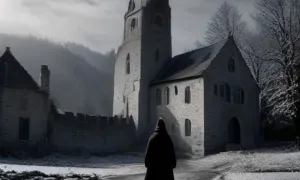
Drag the slider to compare how the landmark may have looked when it was built with the view today.
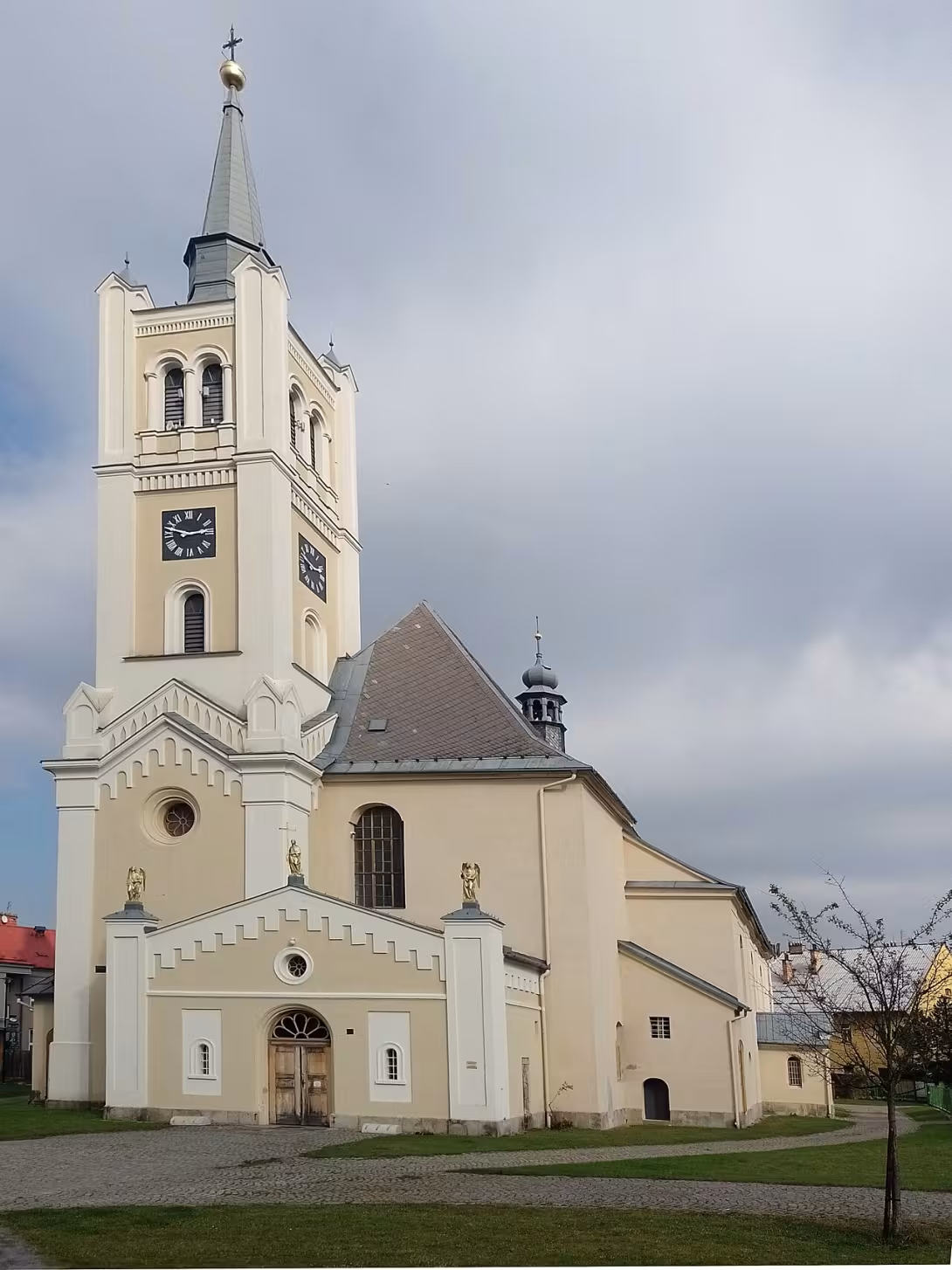
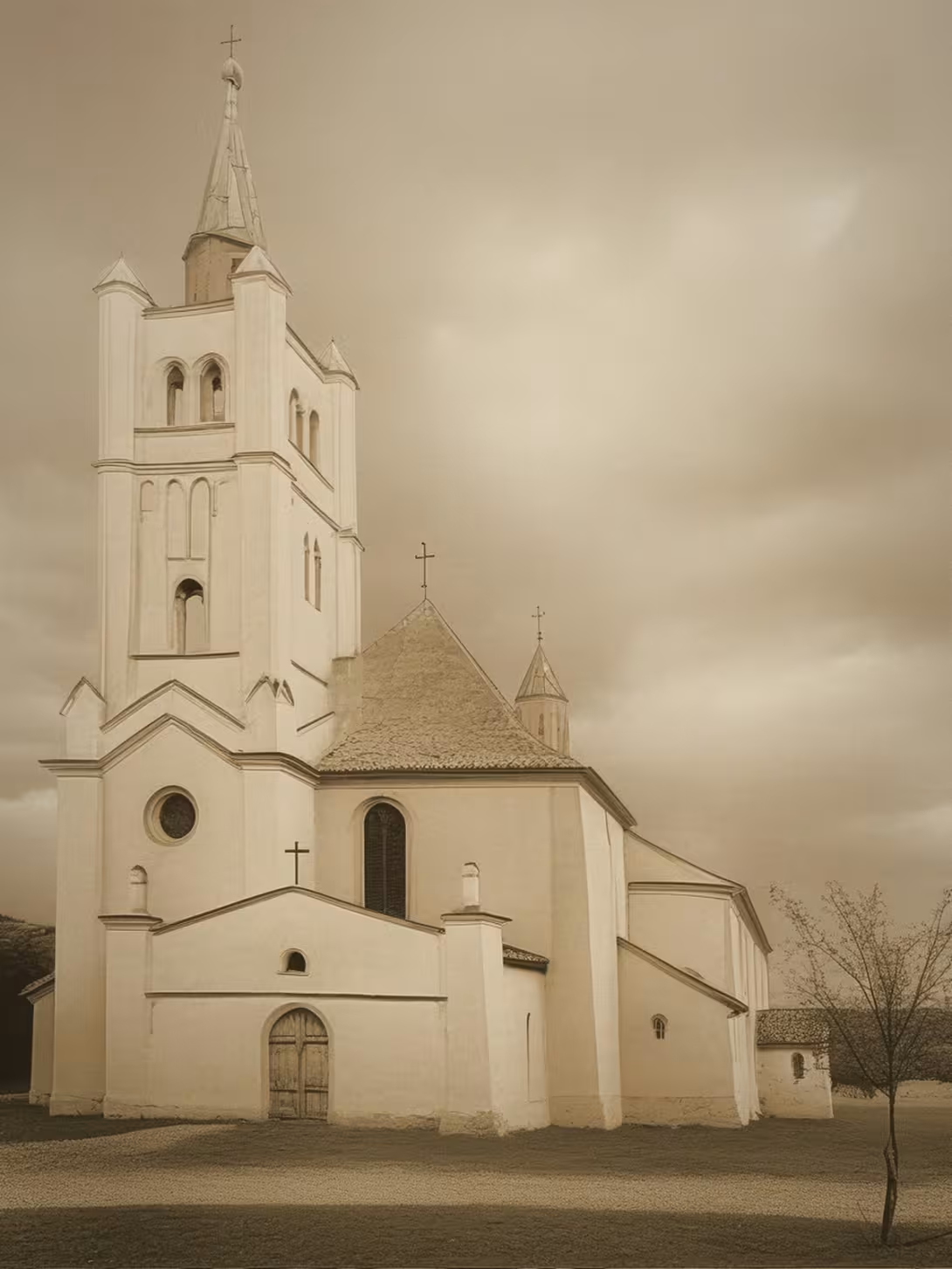
The historical appearance on the left is an AI-generated visualisation and serves as inspiration only.
Historical milestones
- 1285
- First documented mention of the church.
- 1438
- The Hussite army burned down Vidnava and its church, leading to subsequent repairs and additions.
- 1574
- The church was destroyed by fire again, necessitating further reconstruction efforts.
Architectural development
Construction of the Church of Saint Catherine likely began in the mid-13th century. The structure underwent significant changes over time: a Gothic tower with an attic and defensive features were added in the Renaissance period; Baroque renovations occurred around 1728, attributed to M. J. Klein or F. A. Hammerschmied; Classical modifications raised side aisles in the early 19th century, likely by J. G. Krug; Neo-Gothic alterations took place between 1883 and 1884 under Swoboda z Opava.
Historical events
- 1285
- First documented mention of the church.
- 1438
- The Hussite army burned down Vidnava and its church, leading to subsequent repairs and additions.
- 1574
- The church was destroyed by fire again, necessitating further reconstruction efforts.
Points of interest
- The Church of Saint Catherine was part of Vidnava's medieval fortifications, indicating its strategic importance beyond religious functions.
- During the Hussite Wars in 1438, a significant event occurred when a Hussite army burned both the church and the town, leading to substantial reconstruction efforts that reflect the turbulent history of the region.
- The architectural evolution of the church includes a transformation from a Gothic tower into a Renaissance bell tower with defensive features, showcasing adaptive reuse over time.
- In 1728, Baroque renovations were undertaken by either M. J. Klein or F. A. Hammerschmied, marking a period where artistic and stylistic shifts were prominent in the church's history.
- The Neo-Gothic renovations between 1883 and 1884 introduced romanticizing elements such as turret-like structures and clock faces to the tower, reflecting late 19th-century architectural trends.
Guide
This guide is narrated by a synthetic voice generated by artificial intelligence.
Show guide text
This text was created by artificial intelligence and has not been editorially reviewed. It may contain inaccuracies.
Welcome to Vídnice, in front of the Church of Saint Catherine. You stand before a unique monument that is not only a religious center but also a key part of the city's historic wall. Let us step back in time and discover how this beautiful building developed.
The first mention of the Church of Saint Catherine dates back to 1285. At that time, it was a simple church structure forming part of Vídnice’s fortifications. The church served as an important defensive point for the city. However, in 1438, a Hussite army arrived in Vídnice and destroyed most of the town, including the church. Following this event, repairs and structural modifications were made, completed by 1574 when the church burned down again.
Notice how the church looks today. It is a simple yet striking structure with a square ending and a tower on the northwest corner. The interior space is straightforward but impressive. The church is built of bricks, typical for constructions of that era. If you look at the tower, you can see it’s constructed from bricks, and its shape is characteristic of buildings from this period.
Now turn your attention to the architects who contributed to the construction of the church. Among them are M. J. Klein from Nisa, F. A. Hammerschmied, J. G. Krug, and Swoboda from Opava. They were experts who managed to create a unique structure that stands to this day.
The Church of Saint Catherine is also associated with an interesting historical figure linked to it. Although unknown, they are someone who made their mark in Vídnice’s history. The church was also an important defensive point during the Hussite wars.
An intriguing aspect is that the Church of Saint Catherine was part of Vídnice’s fortifications. This means it was a crucial defense point for the city, not just during the Hussite wars. The church was built to protect the town from enemies.
Today you can see how the church looks, how it developed over time, and why it is an important part of Vídnice’s history. Before us stands a beautiful structure that is more than just a religious center. It is also a symbol of the city and its history. Allow the Church of Saint Catherine to captivate you and leave an impression.
Tips for visitors
The best time to visit the Church of Saint Catherine in Vidnava is during the spring and summer months when the weather is mild and sunny, allowing for optimal photography conditions.
Parking is available near the church, and visitors can also use public transportation to get to Vidnava. The bus schedule can be found on the official website of the church or by using a public transportation app.
Visitors are advised to bring comfortable walking shoes, as they will need to walk to the church and potentially explore the surrounding area. It's also a good idea to bring a camera to capture the beautiful architecture and scenery.
The best spots for photography are around the church's exterior and interior, particularly during the golden hour when the light is soft and warm. The surrounding landscape offers a picturesque backdrop for photos.
For families with children, the church offers a unique and educational experience. The nearby Vidnava Castle and the Jeseník Mountains offer plenty of opportunities for outdoor activities and exploration.
Businesses nearby
Do you run a restaurant, accommodation, shop, museum, rental, wellness or other visitor service near this monument? Show yourself directly to the people heading to it — this is how they will see you in the app and on the web:
Nearby
Vidnava is surrounded by picturesque landscapes typical of the Jeseník Mountains, offering a blend of natural beauty and historical sites. The area includes other cultural monuments and features within a five-kilometer radius.
Accommodation nearby
Themed route
Vidnava Church of St. Catherine and its surroundings
This 5-kilometer-long route takes you through the picturesque landscapes of the Jeseník Mountains, offering a mix of natural beauty and historical sites. The route starts at the Church of St. Catherine in Vidnava.
1. Church of St. Catherine (kostel svaté Kateřiny) - This beautiful church is the main attraction of the route and a must-visit destination. Its stunning architecture and peaceful atmosphere make it a perfect starting point for the tour. 2. Vidnava Village Square - After visiting the church, take a stroll through the charming village square, where you can admire the traditional architecture of the surrounding houses and get a feel for the local culture. 3. Vidnava Village Cemetery - A short walk from the village square lies the cemetery, which offers a glimpse into the history and traditions of the local community. Take a moment to reflect on the lives of the people buried here. 4. Vidnava Village Pond - A picturesque pond in the heart of the village, perfect for a relaxing break and a chance to take in the surroundings. 5. Vidnava Village Park - End your tour with a visit to the village park, where you can enjoy the beautiful scenery and peaceful atmosphere of the Jeseník Mountains.
Seasonal recommendations
Jaro
In the spring season, St. Catherine's Church is surrounded by green nature and flowers that begin to grow around the church. The atmosphere is calm and quiet, ideal for relaxation and meditation. We recommend visiting the church in the spring when nature is in full bloom and the church is surrounded by flowers. Don't forget to bring your camera to capture the beautiful spring scenery.
Summer
Summer is an ideal time to visit St. Catherine's Church, as it is the main tourist season and many people gather here. We recommend arriving early to avoid crowds and have enough time to explore the church and its surroundings. Summer is also a great time for picnics in the nearby park, which offers a beautiful view of the church.
Autumn
In the autumn season, St. Catherine's Church is surrounded by beautiful autumn nature, when tree leaves begin to turn yellow and orange. The atmosphere is calm and quiet, ideal for relaxation and meditation. We recommend visiting the church in the autumn when nature is dressed in its beautiful autumn colors. Don't forget to bring your camera to capture the beautiful autumn scenery.
Winter
The winter season is an ideal time for a peaceful visit to St. Catherine's Church, as it is open only during certain hours and there are fewer people. We recommend visiting the church in winter if you enjoy peace and quiet. Don't forget to bring warm clothing to avoid the cold. Winter is also a great time to study the history and architecture of the church, which is peaceful and quiet during this season.
Visualizations and artistic views


The visualisations are generated by artificial intelligence and serve as inspiration.
Photos from the area
Real photos taken near the monument


Zdroj a licence jsou uvedeny u každého snímku.
Tips from visitors
No tips yet. Be the first!
Log in and add your tip.
Sources and literature
Fotografie: Kamil Czaiński / CC BY-SA 4.0 — Wikimedia Commons. The author and licence also appear when you hover over the image.
Faktickým podkladem tohoto textu byl článek na Wikipedii, jehož autory jsou přispěvatelé Wikipedie. Článek je dostupný pod licencí CC BY-SA 4.0.
Location on the map

Příběhy a pověsti
Legendy, pověsti a příběhy spjaté s touto památkou
Fotografie návštěvníků
Zatím žádné fotografie. Buďte první, kdo přidá fotografii z návštěvy!
Přihlaste se a přidejte svou fotografii nebo hodnoťte.
Za ověřenou návštěvu v aplikaci získáte víc bodů — poznáme podle GPS, že jste na místě.
Reviews and comments