






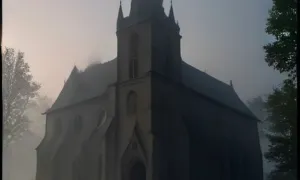
kostel svaté Kunhuty (Hostěradice) Church
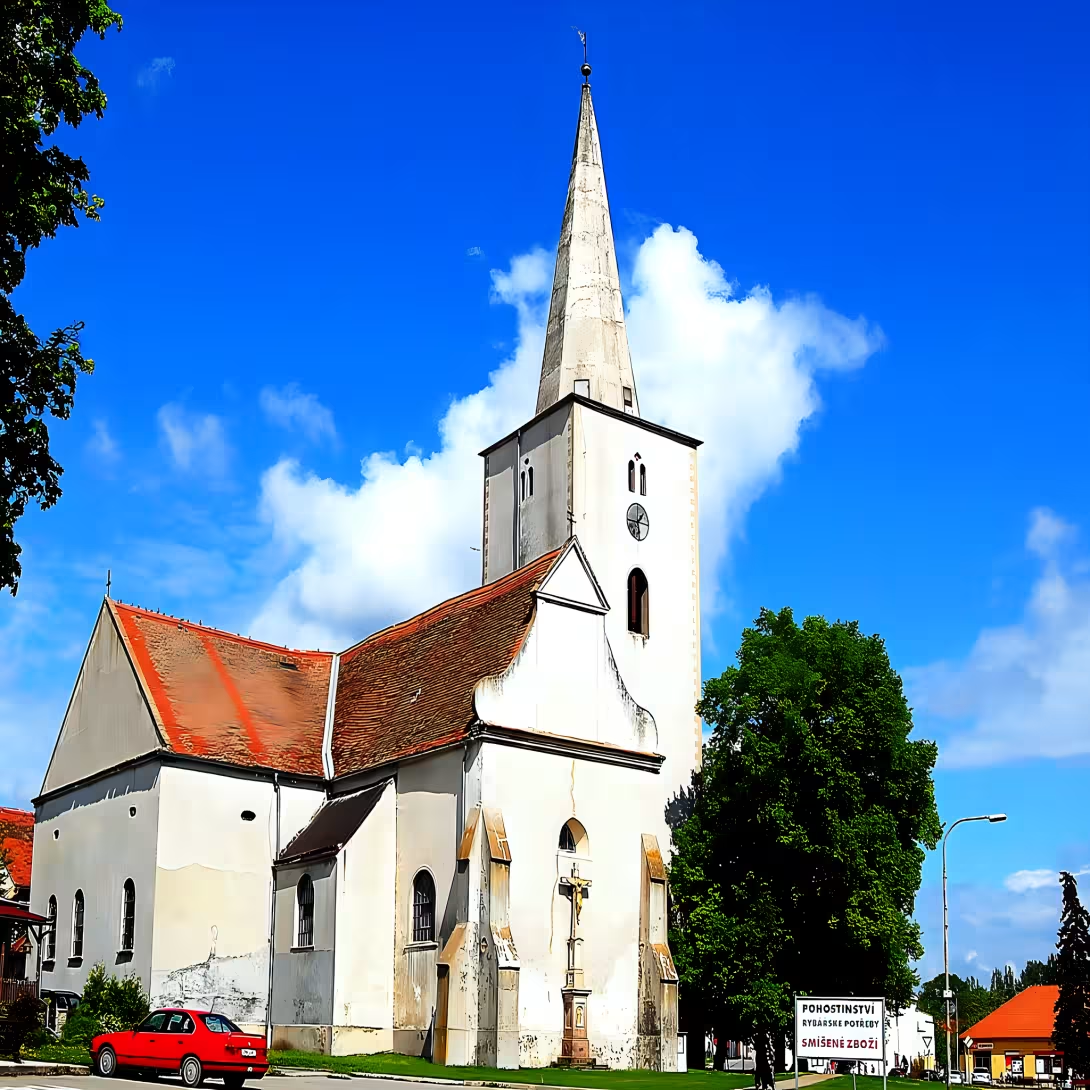
The Church of Saint Kunigunde in Hostěradice is a Roman Catholic church located in the village of Hostěradice, within the Znojmo District of the South Moravian Region. This architectural gem is a protected cultural monument of the Czech Republic and serves as the parish church for the local community. Its origins date back to the 13th century, showcasing Gothic roots with later Renaissance modifications. Despite damage during the Thirty Years' War and recent structural issues, it remains an important historical site.
Hostěradice's earliest documented history dates to the transition between the 12th and 13th centuries when the village was under the administration of the Louka Monastery. In 1237, King Wenceslaus I granted part of Hostěradice to the Teutonic Knights, who established their commandery there. The church's construction began in the 13th century as part of this establishment. However, its development faced interruptions during the Hussite Wars, with the tower's construction initiated in 1421 but not completed until around 1500. By the end of the 15th century, the southern nave was demolished to make way for a two-nave chapel, and both the main and northern naves were vaulted.
Architecturally, the Church of Saint Kunigunde blends Gothic and Renaissance styles. It is primarily a single-nave building with a slightly recessed chancel. A distinctive feature is its conical tower attached to the north wall, housing a sacristy in its undercroft. Adjacent to the main nave on the north side is a side aisle, while a two-nave chapel and a small vestibule are located on the south. The church's façades feature Renaissance half-round windows, and both the chancel and nave have conical vaults with lunettes. Notably, the chancel has buttresses at its corners, and the main nave is connected to it by a stone triumphal arch.
Throughout its history, the church underwent several modifications. Around 1530, an external staircase was added to the tower, along with side entrances. By the late 16th century, the surrounding wall above the chapel was heightened, the chancel vaulted, new windows were cut, and buttresses constructed. The Thirty Years' War saw the church suffer fires twice, leading to further changes in subsequent centuries, including the addition of a belfry in the late 18th century and an oratory with a depository in the 19th century.
Today, the Church of Saint Kunigunde is recognized as a monument at risk due to structural issues. A significant portion of the Gothic rib vault in the central nave has collapsed, and parts of the historic plasterwork on the façade have been lost. Despite these challenges, the church remains an important cultural and historical site. It houses notable features such as a baldachin main altar from around 1780, remnants of stone sculptures depicting the Stations of the Cross from the mid-16th century, and a ciborium crafted in 1631. The tower bell, cast in 1606, bears reliefs of significant biblical scenes.
Visitors to Hostěradice can appreciate the church's historical significance and architectural beauty. Its rich history, marked by periods of construction, destruction, and restoration, offers a glimpse into the region's past. The Church of Saint Kunigunde stands as a testament to the enduring legacy of its builders and the community it has served for centuries. It is an inviting destination for those interested in exploring the cultural heritage of the Czech Republic.
Then and now
Drag the slider to compare how the landmark may have looked when it was built with the view today.
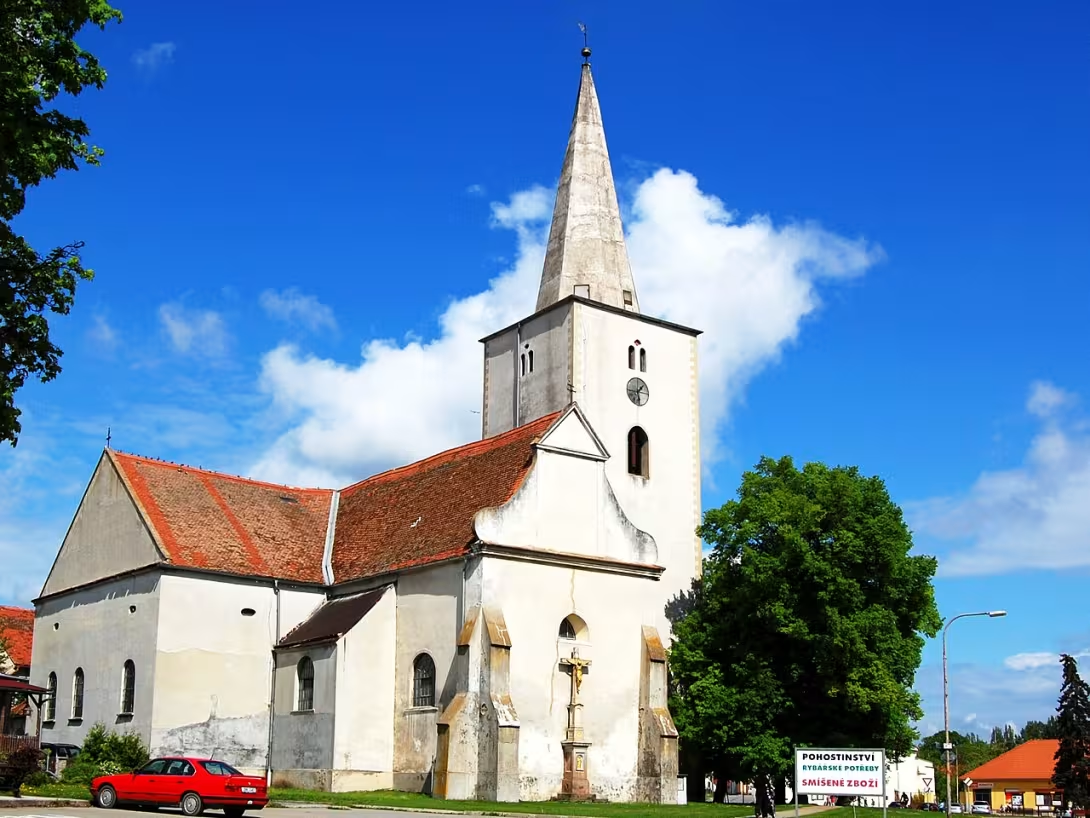
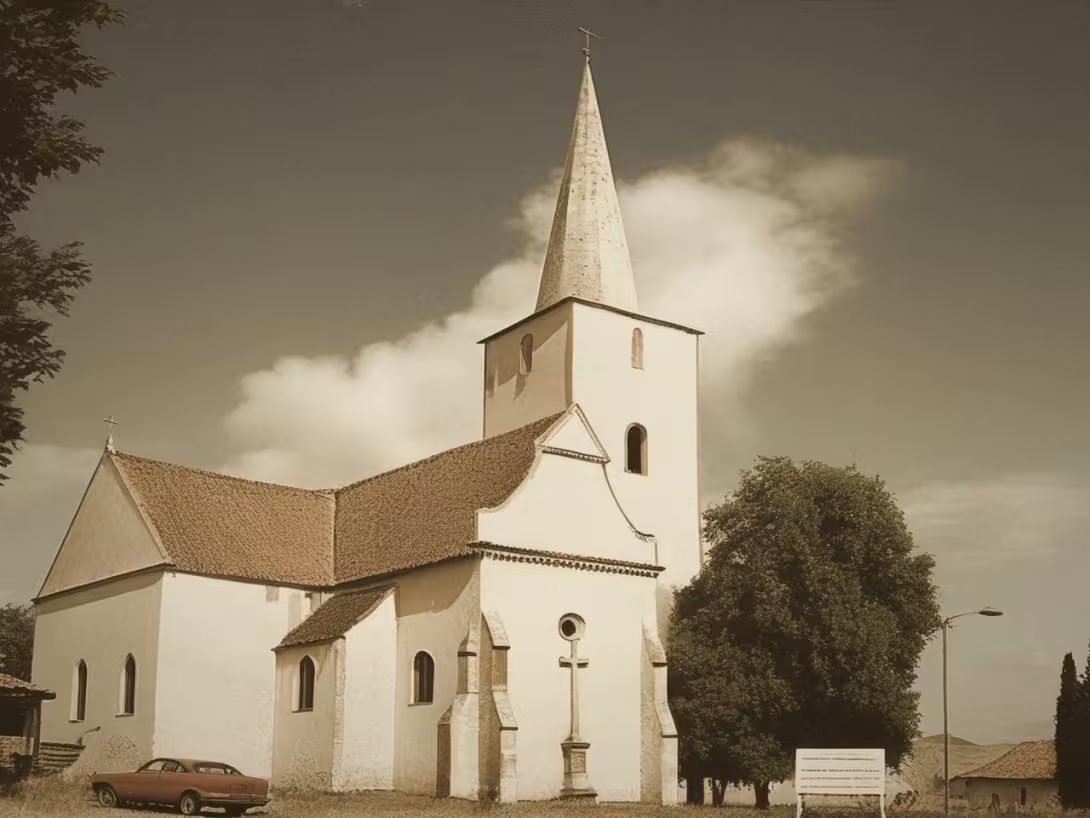
The historical appearance on the left is an AI-generated visualisation and serves as inspiration only.
Historical milestones
- konec 12. - počátek 13. století
- Hostěradice pod správou Louka Monastery
- 1237
- Králem Václavem I. část Hostěradic dána Řádu německých rytířů
- 13. století
- Počátek výstavby kostela svaté Kunhuty
- 1421
- Zahájení stavby věže během Husitských válek
- přibližně 1500
- Dokončení věže kostela svaté Kunhuty
- koncem 15. století
- Demolice jižního lodi a stavba dvoulodní kaple
Architectural development
The Church of Saint Kunigunde underwent several architectural phases. Initially constructed in the Gothic style during the 13th century, its tower construction began in 1421 but was halted and completed by 1500. The southern nave was demolished at the end of the 15th century to make way for a two-nave chapel. Renaissance elements were added around 1530, including an external staircase on the tower and side entrances.
Historical events
The Teutonic Knights received part of Hostěradice from King Wenceslaus I in 1237, establishing their commandery there.
Construction of the church began in the 13th century as part of the Teutonic Knights' establishment and was interrupted during the Hussite Wars, resuming around 1500.
Points of interest
- The Church of Saint Kunigunde was originally part of a commandery established by the Teutonic Knights in 1237 after King Wenceslaus I granted them land in Hostěradice. This connection to the Teutonic Order is less commonly highlighted compared to its architectural significance. - Although primarily Gothic, the church's construction faced significant interruptions due to the Hussite Wars, which delayed the completion of its tower until around 1500—a testament to the turbulent historical period affecting its development.
- A unique feature of the Church of Saint Kunigunde is its conical tower with a sacristy in the undercroft, an architectural element that blends functionality and design uncommonly found in other churches from the same era.
- During the Thirty Years' War, the church suffered fires twice, leading to extensive damage. This repeated destruction and subsequent rebuilding efforts are a testament to the resilience of the community and its dedication to preserving their place of worship.
- The church houses a bell cast in 1606 with reliefs depicting significant biblical scenes, showcasing not only religious devotion but also the artistic craftsmanship of the period—a detail that adds depth to its historical narrative.
Guide
This guide is narrated by a synthetic voice generated by artificial intelligence.
Show guide text
This text was created by artificial intelligence and has not been editorially reviewed. It may contain inaccuracies.
Welcome to the historic Church of Saint Kunigunde in Hostěradice, a cherished gem nestled within this serene village in the Znojmo District of the South Moravian Region. As you stand before it, take a moment to absorb its grandeur and feel the presence of history that surrounds you.
The origins of this church trace back to the late 12th to early 13th century when Hostěradice was under the administration of Louka Monastery. In 1237, King Václav I granted part of Hostěradice to the Teutonic Knights, marking a significant moment in its history. This connection with the Teutonic Order laid the foundation for what would become this sacred site. The construction of the Church of Saint Kunigunde began in the 13th century, reflecting its Gothic architectural roots.
As you explore further, notice how the church’s architecture has evolved over time. Initially Gothic, it later underwent Renaissance modifications that add layers to its historical narrative. Although specific architects remain unknown, their vision is evident in the structure's resilience and beauty. The church's half-round windows are a distinctive feature, inviting you to admire the interplay of light within.
The 15th century brought significant changes with the commencement of the tower’s construction during the Hussite Wars in 1421, culminating around 1500. This period also saw the demolition of the southern nave and the creation of a two-nave chapel towards the end of the century. These transformations speak to the church's ability to adapt and endure through turbulent times.
While the names of architects and key historical figures remain shrouded in mystery, the Church of Saint Kunigunde stands as a testament to the community’s enduring faith and resilience. Its status as a protected cultural monument underscores its importance not just to Hostěradice but to the Czech Republic as a whole.
Now, let your curiosity guide you as you ponder an intriguing aspect of this church: its early ties with the Teutonic Knights. This connection is often overshadowed by architectural discussions yet plays a crucial role in understanding the church's origins and significance within the region’s history.
As we conclude our journey through time at the Church of Saint Kunigunde, I invite you to linger a little longer, to soak in its atmosphere and perhaps imagine the countless stories it has witnessed. This monument is not just a structure but a living narrative that continues to inspire and captivate all who visit.
Thank you for joining me on this exploration. May your stay here be filled with discovery and wonder. As we part ways, carry forward the spirit of curiosity and appreciation for history's enduring legacy.
Tips for visitors
The best time to visit the Church of Saint Kunigunde in Hostěradice is during late spring or early autumn when the weather is pleasant, allowing for a comfortable exploration of both the church and its surrounding areas. These seasons offer vibrant landscapes that enhance the historical ambiance of the site. Additionally, visiting outside peak tourist season can provide a more serene experience with fewer crowds.
For those preferring public transportation, there are options available; however, it's recommended to check current routes and schedules in advance using a travel planner or local transit websites to ensure smooth travel arrangements.
When visiting the Church of Saint Kunigunde, consider bringing comfortable walking shoes as you may wish to explore the village and its surroundings. A camera is also advisable for capturing the architectural beauty of the church and any scenic views nearby. Additionally, carrying a light jacket or umbrella might be wise due to unpredictable weather changes.
Photography enthusiasts will find several spots around the Church of Saint Kunigunde ideal for taking pictures, especially during golden hours in the morning or late afternoon when the sunlight beautifully illuminates the structure. The church's facade and interior details are particularly striking under natural light. Be mindful of any photography restrictions inside the church.
In terms of nearby attractions within a 30-minute drive from Hostěradice, visitors can explore other historical sites in the Znojmo District or enjoy nature trails that offer picturesque views of South Moravian landscapes. These excursions provide additional context and enjoyment for those interested in history and natural beauty.
Frequently asked questions
Can the monument be visited?
Religious buildings are usually open mainly during services; at other times a visit is normally arranged with the parish or the operator. We have not verified specific times. According to the heritage register the structure is in poor condition – do not enter it and take care nearby.
Where is the monument?
Location: Hostěradice, Jihomoravský kraj. The map on this page shows the exact spot.
Why is the monument protected?
It is listed in the Central List of Cultural Monuments of the Czech Republic as a cultural monument (register no. 41948/7-6330).
Businesses nearby
Do you run a restaurant, accommodation, shop, museum, rental, wellness or other visitor service near this monument? Show yourself directly to the people heading to it — this is how they will see you in the app and on the web:
Accommodation nearby
Themed route
Thematic Vltour: Hostěradice and the Church of Saint Kunhuta
1. Church of Saint Kunhuta (Hostěradice) - Church Begin your journey at this stunning example of Baroque architecture, located in the heart of Hostěradice. The church is renowned for its intricate design and historical significance as a place of worship dedicated to Saint Kunhuta, an important figure in Czech history.
2. Local Historical Monuments (Hostěradice) - Historical Sites Explore the surrounding area of Hostěradice where you can find several local historical monuments that offer insight into the region's rich past. These sites provide a glimpse into the architectural and cultural heritage that has shaped this part of the Jihomoravský kraj.
3. Local Artisan Workshops (Hostěradice) - Cultural Experience Visit nearby artisan workshops where local craftsmen continue traditional practices passed down through generations. This experience allows you to appreciate the skills and creativity involved in creating unique, handcrafted items that reflect the cultural identity of Hostěradice.
4. Community Center (Hostěradice) - Social Hub Stop by the community center, a vibrant hub for local gatherings and events. Here, you can engage with residents, learn about ongoing community projects, and participate in activities that highlight the communal spirit of Hostěradice.
5. Local Market Square (Hostěradice) - Culinary Exploration Conclude your tour at the local market square where vendors offer a variety of regional foods and products. This is an excellent opportunity to sample traditional Czech cuisine and purchase unique souvenirs that capture the essence of this charming town.
This thematic route provides a comprehensive exploration of Hostěradice, focusing on its cultural, historical, and social facets while centering around the Church of Saint Kunhuta.
Seasonal recommendations
Spring: Visiting the Church of Saint Kunhuta during spring offers a unique experience as nature awakens around Hostěradice. The surrounding landscape is adorned with blooming flowers and fresh greenery, providing a picturesque backdrop to this historic site. The longer daylight hours enhance the natural beauty, casting gentle light through the church’s damaged yet still captivating architecture. Visitors should be prepared for occasional rain showers typical of spring; therefore, bringing an umbrella or wearing waterproof clothing is advisable. Although crowds are generally moderate, arriving early in the morning can offer a more tranquil experience before larger groups gather.
Summer: Summer at the Church of Saint Kunhuta is characterized by vibrant greenery and warm weather, making it a popular time for visitors to explore this historic site. The lush surroundings create an inviting atmosphere, perfect for leisurely walks or picnics in nearby parks. However, with increased foot traffic during peak tourist season, it's wise to visit early in the morning or later in the afternoon to avoid crowds and enjoy a more peaceful exploration of the church ruins. Comfortable walking shoes and light clothing are recommended due to the warm temperatures, and carrying water is essential for staying hydrated.
Autumn: Autumn brings a mesmerizing transformation to the Church of Saint Kunhuta, with the surrounding foliage turning into brilliant shades of red, orange, and yellow. This season offers an ideal time to appreciate the historic site against the backdrop of nature’s colorful display. The cooler temperatures make it comfortable for walking and exploring without the summer heat. As daylight hours shorten, planning your visit during midday can ensure you capture the best lighting conditions for photographs. While visitor numbers decrease as the season progresses, dressing in layers is advisable to accommodate fluctuating temperatures throughout the day.
Winter: Winter at the Church of Saint Kunhuta presents a serene and quiet experience, with snow often blanketing the area in a peaceful white layer. The stark contrast between the historic ruins and the winter landscape creates a unique atmosphere that's both hauntingly beautiful and reflective. Due to shorter daylight hours and potential closures during extreme weather conditions, checking opening times in advance is crucial. Visitors should dress warmly in layers, including thermal clothing and waterproof outerwear, as temperatures can be quite low. The tranquil environment allows for an intimate exploration of the site without the hustle and bustle of other seasons.
Visualizations and artistic views


The visualisations are generated by artificial intelligence and serve as inspiration.
Photos from the area
Real photos taken near the monument


Zdroj a licence jsou uvedeny u každého snímku.
Tips from visitors
No tips yet. Be the first!
Log in and add your tip.
Sources and literature
Photos: Ph-435 / CC BY-SA 3.0, rozlišení zvýšeno umělou inteligencí — Wikimedia Commons. The author and licence also appear when you hover over the image.
Faktickým podkladem tohoto textu byl článek na Wikipedii, jehož autory jsou přispěvatelé Wikipedie. Článek je dostupný pod licencí CC BY-SA 4.0.
Location on the map





Příběhy a pověsti
Legendy, pověsti a příběhy spjaté s touto památkou
Fotografie návštěvníků
Zatím žádné fotografie. Buďte první, kdo přidá fotografii z návštěvy!
Log in a přidejte svou fotografii nebo hodnoťte.
Za ověřenou návštěvu v aplikaci získáte víc bodů — poznáme podle GPS, že jste na místě.
Reviews and comments