






kostel svaté Maří Magdaleny (Šebkovice) Church
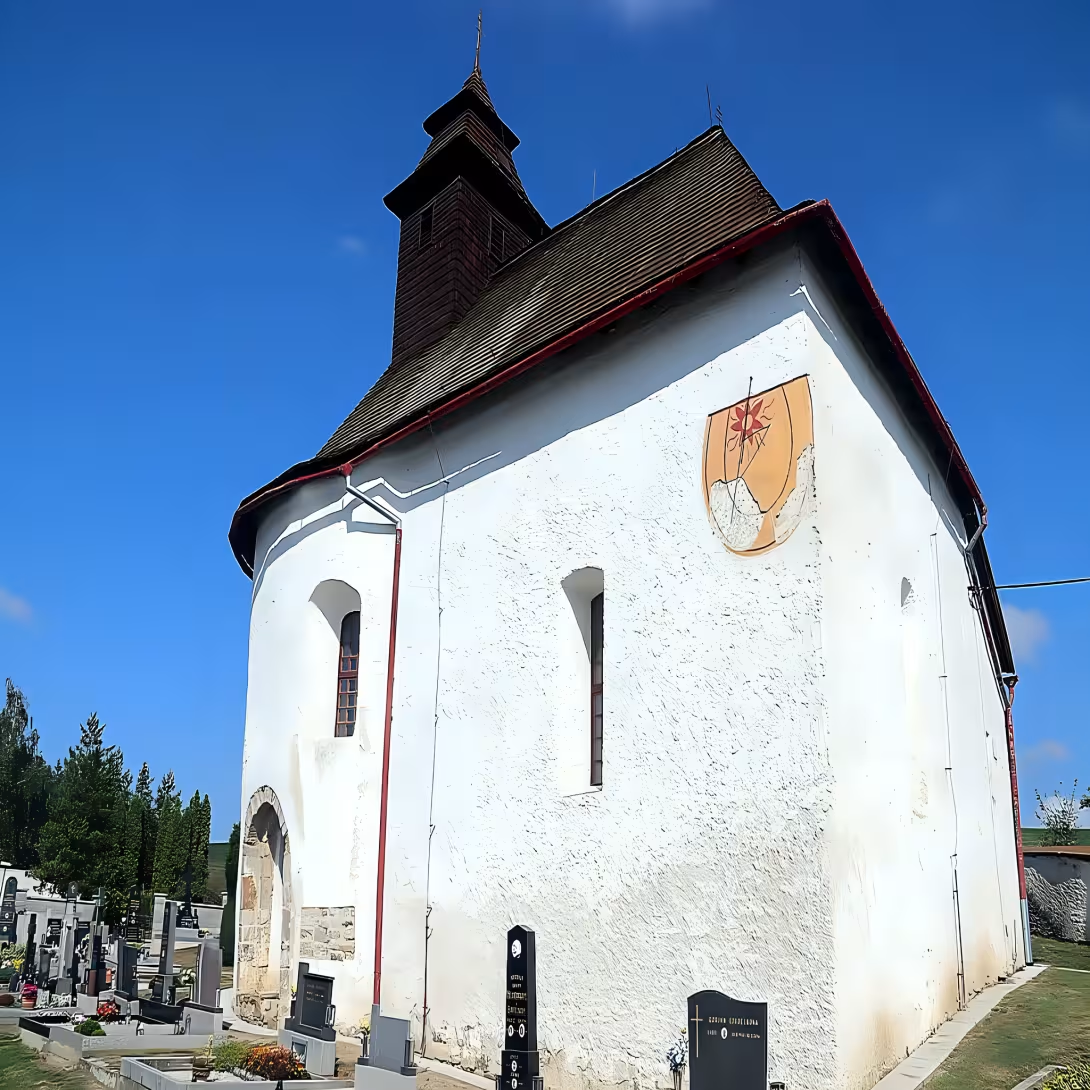
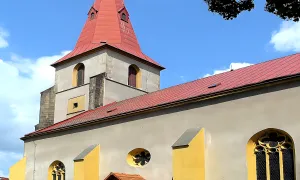
The Church of St. Mary Magdalene in Šebkovice is a Gothic architectural gem with a rich history spanning centuries. Situated on the northwest edge of the village, surrounded by a cemetery and remnants of the original castle walls, this monument testifies to the region's cultural and architectural developments.
Originally built as a rotunda at the end of the 12th century, the church underwent renovations in the 16th century, replacing its original apse with an oblong presbytery. The baroque era saw further updates, including the installation of a new stone altar and ambon around 1910. Throughout its history, the church has been a place of worship and community, serving as a hub for the surrounding area.
The church's architecture is characterized by its Gothic style, featuring oaken doors connecting the presbytery to the sacristy, and a Gothic baptismal font located in the presbytery. The building's original defensive purpose remains evident in the three remaining arrow slits from the 8th century.
Today, the Church of St. Mary Magdalene remains an important cultural and historical landmark, boasting a unique blend of architectural styles and rich history that makes it a must-visit destination for anyone interested in exploring the region's heritage. Visitors can admire the church's stunning architecture, explore the surrounding cemetery and castle walls, and gain insight into the lives of those who have worshipped here over the centuries.
It is worth noting that the church has undergone restoration work in recent years, including the discovery of a Romanesque window and an earlier portal on the southern side of the building. The church's current state serves as a testament to its enduring importance as a cultural and historical monument.
Then and now
Drag the slider to compare how the landmark may have looked when it was built with the view today.
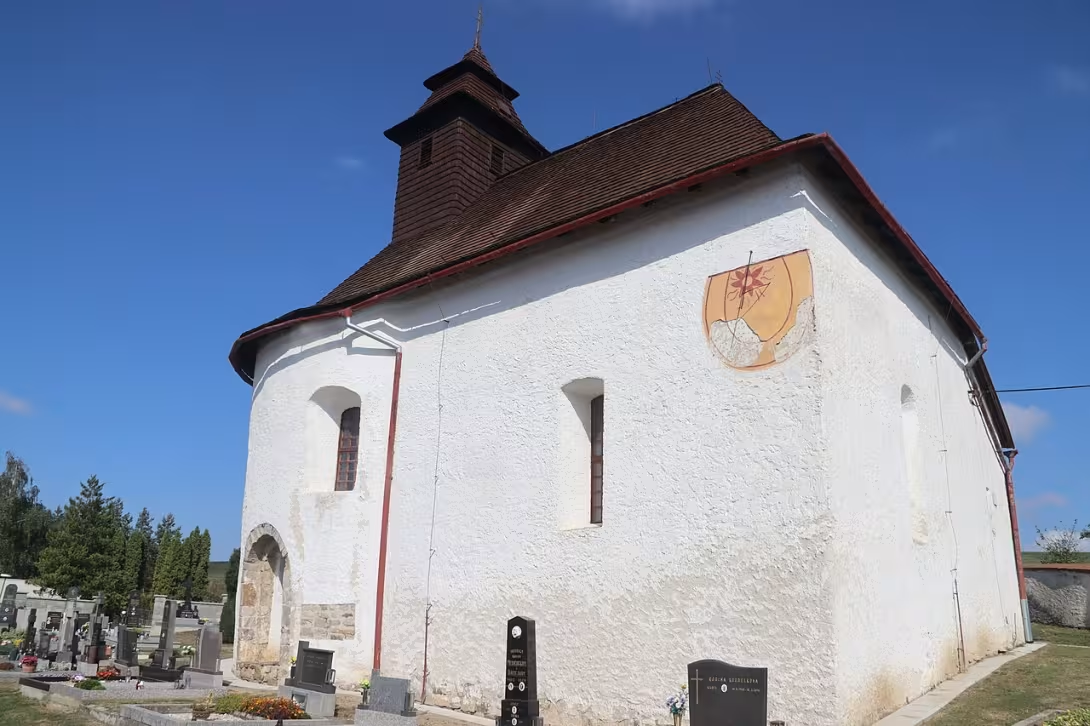
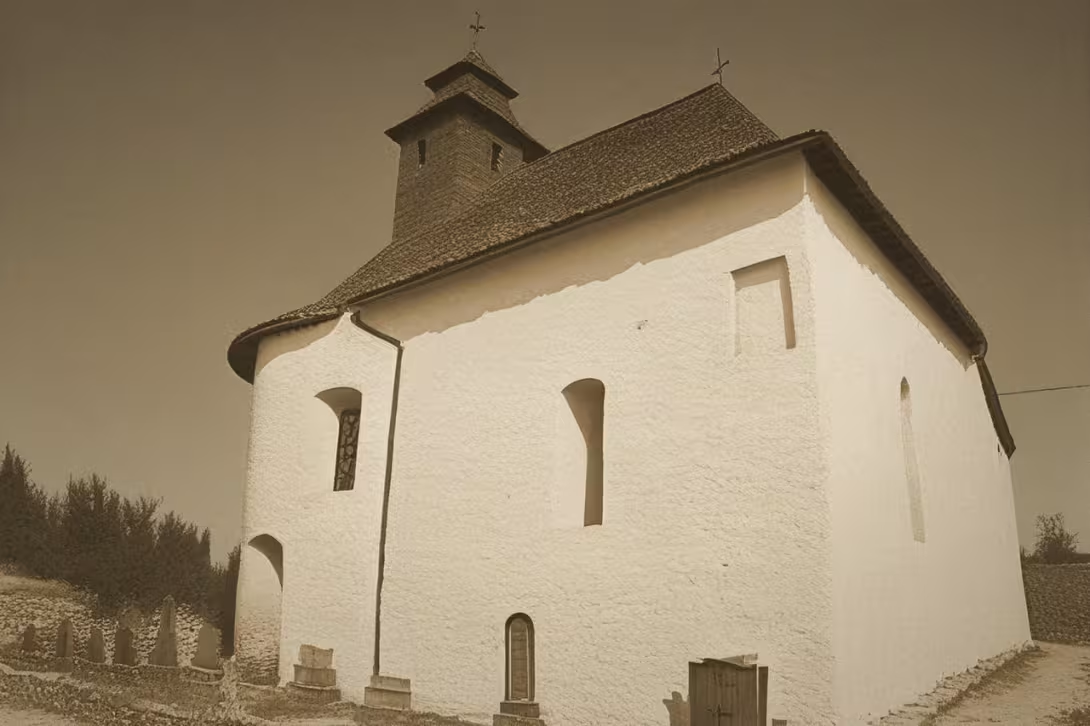
The historical appearance on the left is an AI-generated visualisation and serves as inspiration only.
Historical milestones
- 1300
- Construction of the church begins
- 1350
- Original apse replaced with an oblong presbytery during renovations
- 1910
- Baroque era updates include installation of a new stone altar and ambon
- 8.0
- Defensive purpose evident in three remaining arrow slits from the 12th century
Architectural development
The church was originally a rotunda built at the end of the 12th century. It underwent renovations in the 16th century, replacing its original apse with an oblong presbytery. The baroque era saw further updates.
Historical events
Construction at the end of the 12th century
Renovations in the 16th century
Baroque updates in the 18th century
Guide
This guide is narrated by a synthetic voice generated by artificial intelligence.
Show guide text
This text was created by artificial intelligence and has not been editorially reviewed. It may contain inaccuracies.
The Church of Saint Mary Magdalene stands on the northwestern edge of Šebkovice, surrounded by a cemetery. It is a cultural monument and belongs as a filial church to the parish of Babice u Lesonic.
Its origins date back to the end of the twelfth century. At that time, a Romanesque rotunda was built here, which was part of a larger fortified settlement whose roots go back several centuries earlier, to the eighth century. The building served not only for worship but also for defense. Three preserved loopholes remind us of this.
In the sixteenth century, during the late Gothic period, a rectangular presbytery replaced the original semicircular apse. The doors between the presbytery and the sacristy date from this period, as well as a tabernacle built directly into the wall. In the eighteenth century, the church underwent Baroque alterations. From the same period comes the statue of the church's patroness. It depicts Saint Mary Magdalene beneath the crucified Christ and was placed on the main altar.
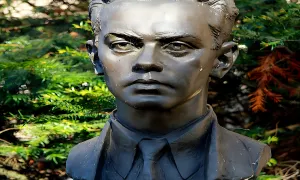
The cross at the head of the space was created in 1910 by František Bílek. In the presbytery there is a Gothic baptismal font. Around 1910, a new stone altar of oblation and an ambo were added.
At the end of the 1970s, an archaeological survey took place beneath the church floor. Archaeologists uncovered the foundations of a tower, the foundations of the original semicircular apse, and pottery remains. After that, the church received new paving. The exterior plaster was also restored, and during these works a Romanesque window and an earlier portal on the southern side of the building came to light.
The roof is covered with shingles and beneath the church lies a crypt. The bells date from 1968.
Tips for visitors
Best Time to Visit: The Church of St. Mary Magdalene is a beautiful spot to visit any time of the year, but the best time is during spring and autumn when the surrounding nature is in bloom. Avoid visiting during peak summer months as it can get quite crowded.
Frequently asked questions
Can the monument be visited?
Religious buildings are usually open mainly during services; at other times a visit is normally arranged with the parish or the operator. We have not verified specific times.
Where is the monument?
Location: Šebkovice, Kraj Vysočina. The map on this page shows the exact spot.
Why is the monument protected?
It is listed in the Central List of Cultural Monuments of the Czech Republic as a cultural monument (register no. 24269/7-3071). It is protected as part of a larger listed ensemble.
Businesses nearby
Do you run a restaurant, accommodation, shop, museum, rental, wellness or other visitor service near this monument? Show yourself directly to the people heading to it — this is how they will see you in the app and on the web:
Nearby
The church is situated on the northwest edge of the village, surrounded by a cemetery and remnants of the original castle walls.
Accommodation nearby
Trips and activities nearby
Guided tours, tickets and activities nearby from GetYourGuide
Affiliate link: if you buy from the partner, we may receive a commission. The price for you does not change.
Search tours and activities →Themed route
Tematická výletní trasa Šebkovice
1. Cemetery of Saints Type: Cemetery Why visit: The cemetery surrounding the church is a peaceful oasis with beautiful views of the surrounding countryside. Take a moment to admire the simple yet elegant headstones and pay your respects to those who have passed.
2. Original Castle Walls Type: Historical landmark Why visit: Explore the remnants of the original castle walls, which provide a glimpse into Šebkovice's rich history. Imagine the medieval fortress that once stood here and ponder its significance in the region.
3. Kostel svaté Maří Magdaleny** Type: Church Why visit: This beautiful church is the main attraction of the tour, with its stunning architecture and peaceful atmosphere. Take a moment to admire the intricate details and learn about its history and significance.
This thematic route takes you on a journey through the history and natural beauty surrounding the Kostel svaté Maří Magdaleny in Šebkovice.
Seasonal recommendations
Here are the seasonal recommendations for visiting the historic landmark, St. Mary Magdalene Church (Šebkovice), Šebkovice, Vysočina Region:
Spring
As the snow melts and nature awakens, the church's surroundings transform into a lush green oasis. The gentle sunlight casts a warm glow on the stone walls, highlighting the intricate carvings and stained-glass windows. Visit in the morning or late afternoon to avoid the peak tourist hours. Wear comfortable shoes for exploring the surrounding hills and forests. Best time to visit: April-May, before the summer crowds arrive.
Summer
The long days of summer bring warmth and vitality to the church's surroundings. The adjacent forest is in full bloom, with wildflowers and trees providing a picturesque backdrop. Be prepared for larger crowds and consider visiting early in the morning or later in the evening to avoid the heat. Dress comfortably and wear sunscreen. Best time to visit: June-August, during the main tourist season.
Autumn
As autumn leaves rustle in the wind, the church's stone walls seem to glow with a warm, golden light. The air is crisp and cool, making it an ideal time for a leisurely stroll around the grounds. Visit during the week or early morning to avoid the weekend crowds. Wear layers for changing temperatures and enjoy the scenic views. Best time to visit: September-October, before the winter sets in.
Winter
The snow-covered landscape creates a serene and peaceful atmosphere, making the church's stone walls seem even more majestic. The shorter days mean fewer tourists, allowing for a more intimate experience. Dress warmly and consider visiting during the week or early morning to avoid the cold. Best time to visit: November-February, when the winter scenery is at its most beautiful.
Please note that these recommendations are general and not specific to any particular festival, fair, or holiday.
Visualizations and artistic views


The visualisations are generated by artificial intelligence and serve as inspiration.
Photos from the area
Real photos taken near the monument


Zdroj a licence jsou uvedeny u každého snímku.
Tips from visitors
No tips yet. Be the first!
Log in and add your tip.
Sources and literature
Photos: Jiří Sedláček / CC BY-SA 4.0, rozlišení zvýšeno umělou inteligencí — Wikimedia Commons. The author and licence also appear when you hover over the image.
Faktickým podkladem tohoto textu byl článek na Wikipedii, jehož autory jsou přispěvatelé Wikipedie. Článek je dostupný pod licencí CC BY-SA 4.0.
Location on the map

Fotografie návštěvníků
Zatím žádné fotografie. Buďte první, kdo přidá fotografii z návštěvy!
Log in a přidejte svou fotografii nebo hodnoťte.
Za ověřenou návštěvu v aplikaci získáte víc bodů — poznáme podle GPS, že jste na místě.
Reviews and comments