






Kostel svatého Antonína Paduánského (Kytlice) Church
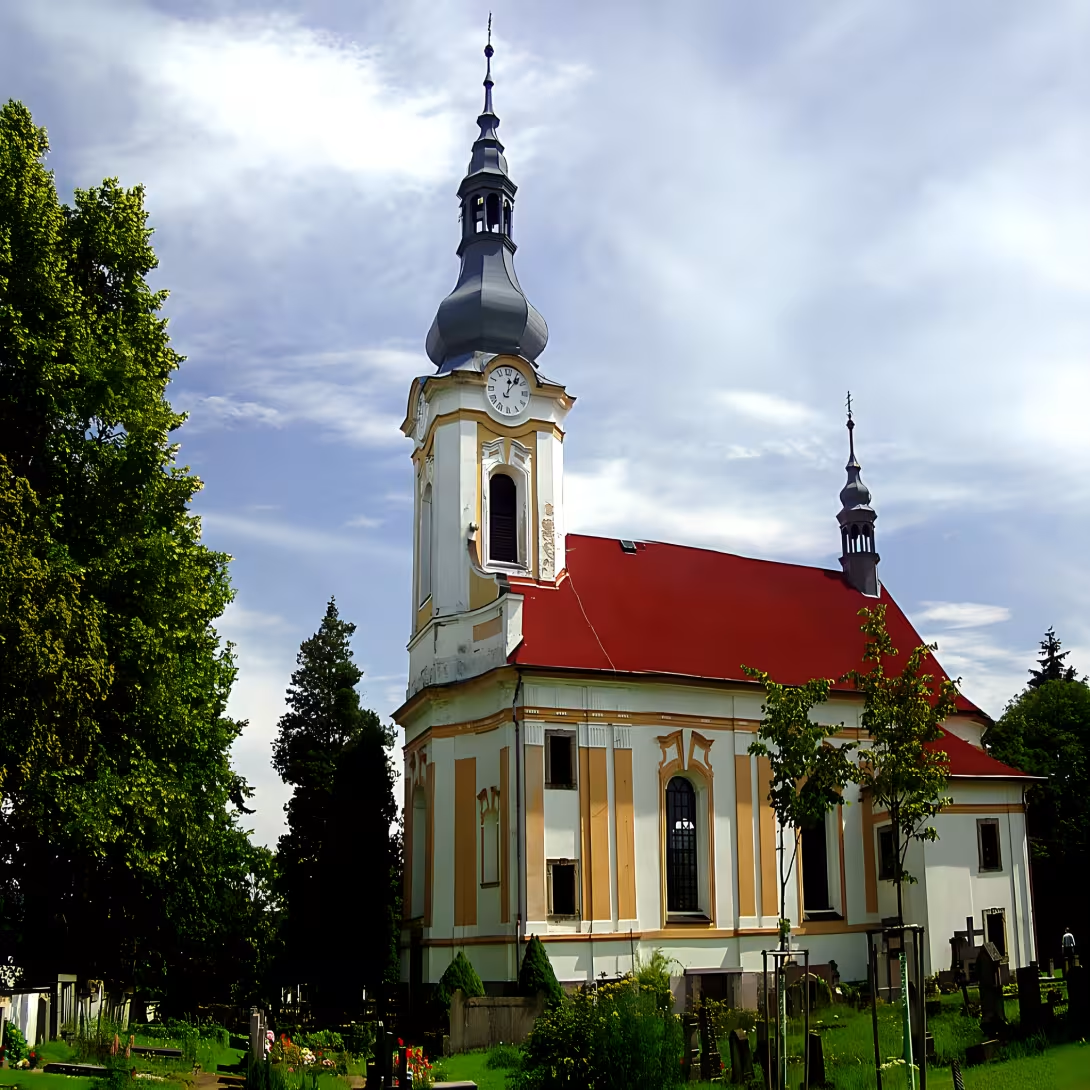
St. Anthony's Church of Padua in Kytlice is a Baroque church in the village of Kytlice in the Ústí Region of the Czech Republic. This church, built between 1777 and 1778 by architect Jan Václav Kosch, is an important cultural monument in the Czech Republic, admired by its beautiful interior and exterior decoration. The church was built by Bishop Anton Bernard Gürtler, Jan Josef Kittel and Count Kinsky.
the church boasts rich history and architectural features. It was built between 1777 and 1778 by architect Jan Václav Kosch. The church is a significant cultural monument in the Czech Republic, famous for its beautiful interior and exterior decoration. Over the years the church passed through several renovations and restaurants, but its original Baroque style was preserved.
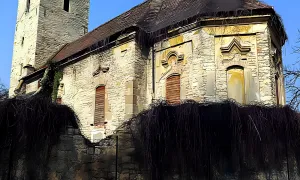
Architecture church is a mixture of baroque and rococo styles. The exterior has pilasters and polychrome ornaments, while the interior boasts a vaulted ceiling with lunettes and a rococo altar. The interior of the church is also decorated with remarkable graves, including the tomb of Bishop Anton Bernard Gürtler and Jan Josef Kittel.
The history of the church is closely linked to the lives of its patrons. Bishop Anton Bernard Gürtler, native from Kytlice, made a significant contribution to the construction of the church. Jan Josef Kittel, founder of the village and church, is also buried in the church. Count Kinski, owner of the local estate, played a role in the construction of the church.
the church offers a unique blend of baroque and rococo styles, with interesting architectural elements, including arched ceiling and main altar in rococo style. The church is home to remarkable graves, including the graves of Bishop Anton Bernard Gürtler and Jan Josef Kittel.
Today, St. Anthony's Padua Church in Kytlice is a protected cultural monument in the Czech Republic. Visitors can still see the original Baroque decorations and architectural elements of the church. The church is proof of the rich cultural heritage of the region and is definitely worth a visit to interested people about history and architecture.
Then and now
Drag the slider to compare how the landmark may have looked when it was built with the view today.
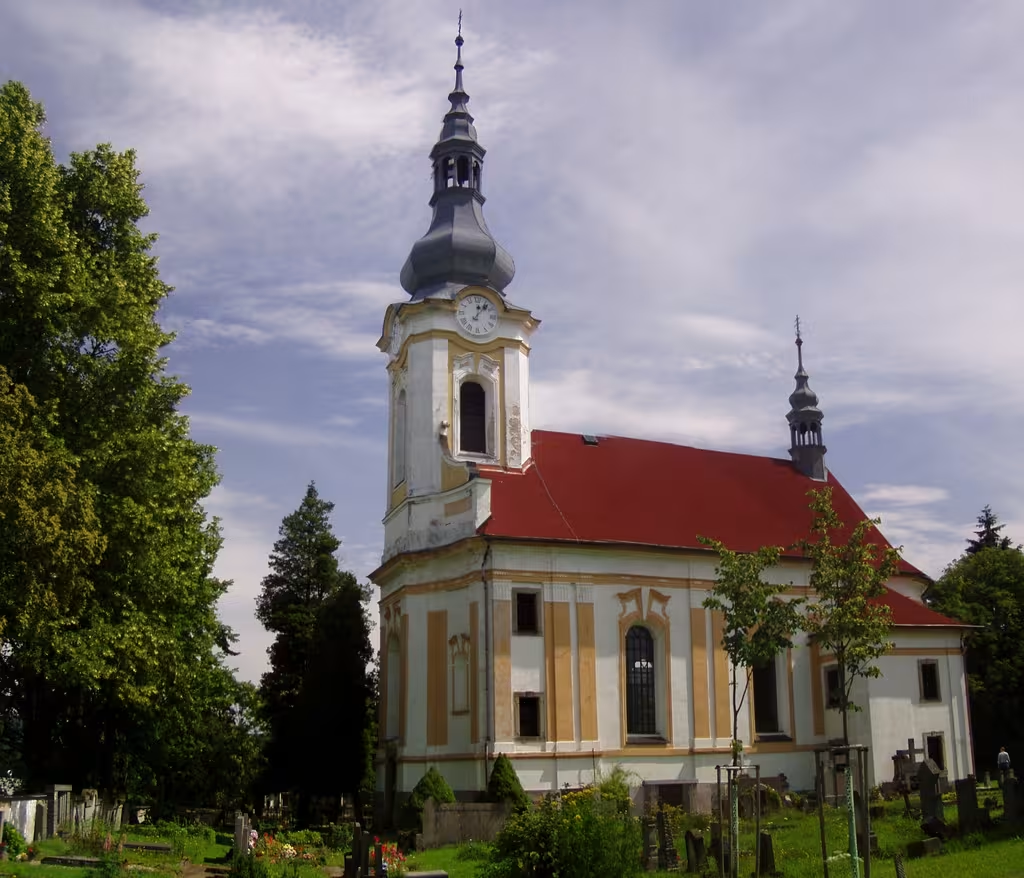
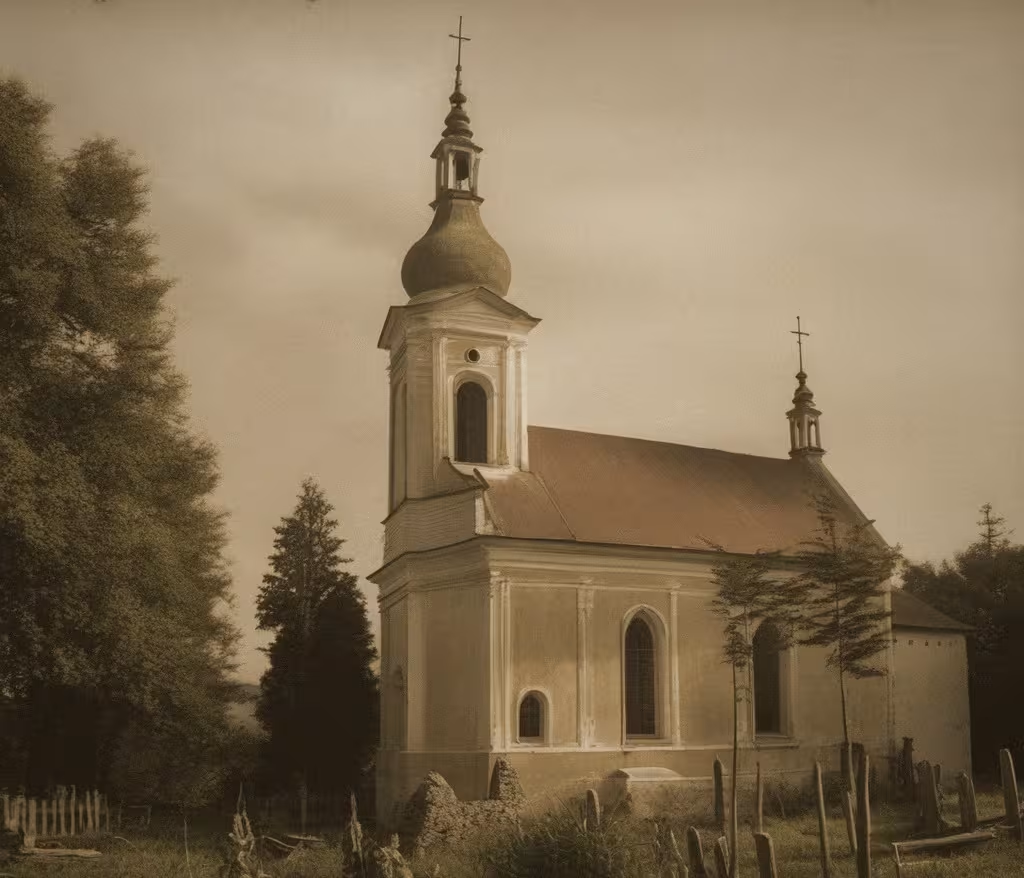
The historical appearance on the left is an AI-generated visualisation and serves as inspiration only.
Historical milestones
- 1777
- Construction church opened
- 1778
- church has been completed
- 1782
- the church was equipped with new decorations
Architectural development
the church was built in Baroque style with a single boat and square presbytery. The exterior is decorated with pilasters and polychrome ornaments. The interior has a vaulted ceiling with lunettes and a rococo altar.
Historical events
the church was built between 1777 and 1778
church was renovated in the 19th century
church is a protected cultural monument in the Czech Republic
Owners
Bishop Anton Bernard Gürtler, Jan Josef Kittel, Count Kinský
Points of interest
- St. Anthony's Church of Padua in Kytlice is said to be haunted by the spirit of a young girl who died in a church.
- Construction of the church was made possible by the contributions of Bishop Anton Bernard Gürtler, Jan Josef Kittel and Count Kinsky, who were buried in the church.
- the interior church is a unique and rare example of a pulpit in the baroque style, which is decorated with complex engravings and decorative decorations.
- arched ceiling church is decorated with lunettes, which are semicircular arches that add a church sense of grandeur and beauty.
- The main altar of Rococo style church is a masterpiece of baroque art which represents complex engravings and decorative decorations which show the skills of craftsmen who built it.
Guide
This guide is narrated by a synthetic voice generated by artificial intelligence.
Show guide text
This text was created by artificial intelligence and has not been editorially reviewed. It may contain inaccuracies.
Welcome to St. Anthony Padua Church in Kytlice. You are standing in front of a beautiful Baroque building built from 1777 to 1778 according to the design of architect Jan Václav Kosche. The church is an important cultural monument in the Czech Republic, known for its stunning interior and exterior decoration.
Let's move on to the historical context. The church was built thanks to the contributions of Bishop Antonín Bernard Gürtler, Jan Josef Kittel and Count Kinsky, who is buried in the church. The church was completed in 1778 and only four years later was equipped with new decorations.
Now pay attention to the outside view of the church. Look at the facade and notice its harmonious shape. The church is built of stone and its facade is decorated with stucco. Experience the atmosphere and feel how much you like the church.
Let's go back to the historical figures associated with this place. Antonín Bernard Gürtler was a bishop who made a significant contribution to the construction of the church. Jan Josef Kittel was an influential Catholic priest who served in this area. And Count Kinsky was a nobleman who helped finance the church building.
Here's something interesting. The church of Saint Anthony of Padua is known for its alleged presence in the spirit of a young girl who died here. Some sources say that her spirit still resides in the church, and visitors can see that.
Whether it's real or fiction, St. Anthony's Church of Padua is really an extraordinary place. It is a beautiful Baroque building with rich history and architecture. Whatever you like for his charm, whatever interests you, or if you're interested in his mysterious stories, the church is worth a visit. Thank you for your attention, and I hope you enjoyed my tour.
Businesses nearby
Do you run a restaurant, accommodation, shop, museum, rental, wellness or other visitor service near this monument? Show yourself directly to the people heading to it — this is how they will see you in the app and on the web:
Nearby
the church is located in the village Kytlice, in the Ústí region of the Czech Republic. The surrounding landscape is characterized by rolling hills and forests.
Accommodation nearby
Themed route
Kostel svatého Antonína Paduánského (Kytlice)
1. Kostel svatého Antonína Paduánského (Kytlice) - church, worth buying for new architecture and history. The church is dominated by the village Kytlice and is a beautiful building from the 18th century is attentive.
2. Forests and hills - surrounding the church offers beautiful forests and hills that are ideal for prochas and outflows. Forests are rich in different types of trees and which and offered resting products for a rest.
3. Kytlický pond - pond, is worth demanding for its resting products and beautiful arrival. The pond is surrounded by forests and offers royal winnings to the surrounding region.
4. The flower lime - a tree, is worth fulfilling for its history and beauty. Lip is an old production of not 600 years old and is bound for one of the oldest better in Bohemia.
5. Kytlický national - national, worth demanding for its own quiet atmosphere and beautiful architecture. The square is surrounded by historic booths and the acquisition of beautiful heights for the church and surroundings.
Seasonal recommendations
Spring: In spring, the church of St. Anthony of Padua is surrounded by flowering trees and flowers and creates a pleasant atmosphere. It is an ideal time for nature walks and visit the church. We recommend visiting the church at the beginning of spring to avoid larger crowds of tourists. This is also a good time to photograph flowering plants.
Summer: During the main summer season, many tourists visit St. Anthony's Church of Padua. We recommend arriving at the church early in the morning or later in the afternoon to avoid the crowd. Summer weather is ideal for walking around the church and exploring its interior. Don't forget to bring sunglasses and water.
Autumn: In autumn, the church of St. Anthony of Padua is surrounded by colorful leaves on trees and creates a pleasant atmosphere. It is an ideal time for nature walks and visit the church. We recommend visiting the church at the end of autumn to avoid larger crowds of tourists. Don't forget to wear warm clothes.
Winter: In winter, St. Anthony's Church of Padua is covered with white snowdrift. We recommend visiting the church at the beginning of winter to avoid larger crowds of tourists. It is also a good time to walk through nature and visit the church. Don't forget to wear warm clothes and shoes with a good grip.
Visualizations and artistic views


The visualisations are generated by artificial intelligence and serve as inspiration.
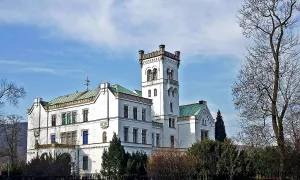
Photos from the area
Real photos taken near the monument


Zdroj a licence jsou uvedeny u každého snímku.
Atmosphere of the place
This atmospheric visualisation of the place and period was generated by artificial intelligence. It is not real footage of the location.
Tips from visitors
No tips yet. Be the first!
Log in and add your tip.
Sources and literature
Photos: This image is a work by Miloslav Rejha (User:M.Rejha). When reusing, please credit me as: Miloslav Rejha, Wikimedia Comm / CC BY-SA 2.0, rozlišení zvýšeno umělou inteligencí — Wikimedia Commons. The author and licence also appear when you hover over the image.
Faktickým podkladem tohoto textu byl článek na Wikipedii, jehož autory jsou přispěvatelé Wikipedie. Článek je dostupný pod licencí CC BY-SA 4.0.
Location on the map

Příběhy a pověsti
Legendy, pověsti a příběhy spjaté s touto památkou
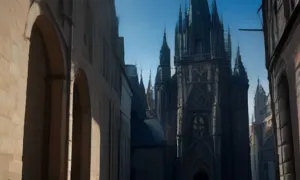
Příběh: Kostel svatého Antonína Paduánského (Kytlice)
Bylo to v pondělí ráno, kdy se Matyáš Krása na chvilku ztratil ve svých myšlenkách. Kostel svatého Antonína Paduánského stál před ním jako časová brána — jeh…
Číst příběh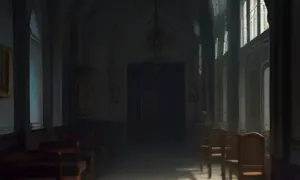
Pověst: Kostel svatého Antonína Paduánského (Kytlice)
Podle místní pověsti, která se v Kytlici šeptá od nepaměti, není kostel svatého Antonína Paduánského obýván pouze pamětí svých zakladatelů. Staří obyvatelé v…
Číst příběhFotografie návštěvníků
Zatím žádné fotografie. Buďte první, kdo přidá fotografii z návštěvy!
Log in a přidejte svou fotografii nebo hodnoťte.
Za ověřenou návštěvu v aplikaci získáte víc bodů — poznáme podle GPS, že jste na místě.
Reviews and comments