






kostel svatého Bartoloměje (Heřmanův Městec) Church
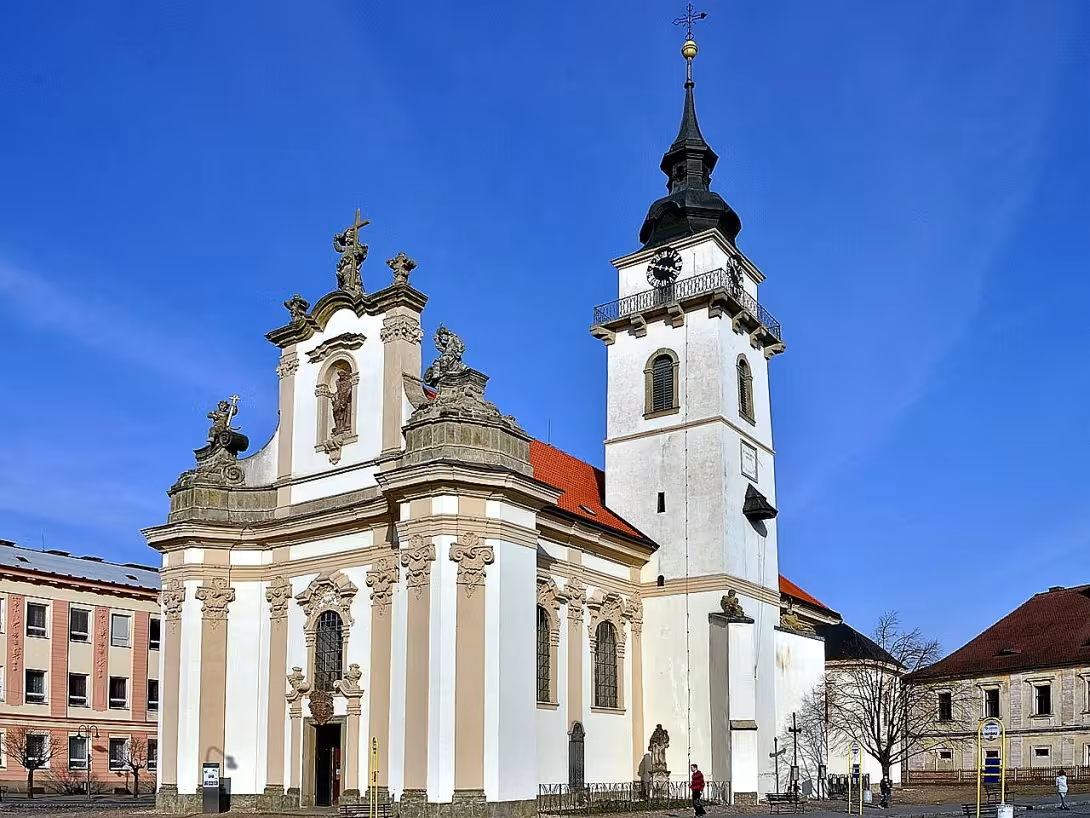
The Church of Saint Bartholomew in Heřmanův Městec is a remarkable example of late Baroque architecture with Rococo decorative elements. Situated on the eastern side of Square of Peace, this church holds architectural significance beyond local East Bohemian styles. First mentioned by Archbishop Arnošt z Pardubic in 1349 as a Gothic structure, it underwent several transformations before being rebuilt after a fire in 1740. The current edifice, completed between 1756 and 1761 under František Tomáš Jedlička's guidance, features a prominent portico and a nearly 42-meter-high tower.
The church's origins trace back to its first mention by Archbishop Arnošt z Pardubic in 1349. Initially constructed as a Gothic church dedicated to Saint Bartholomew, it was later transformed into Renaissance style before being destroyed by fire in 1740. This event led to significant reconstruction introducing the late Baroque and Rococo elements that define its current appearance. The rebuilding effort was commissioned by Jan Václav Špork, who entrusted František Tomáš Jedlička with the project.
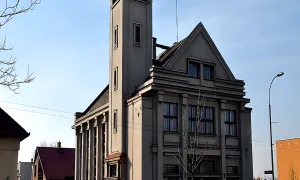
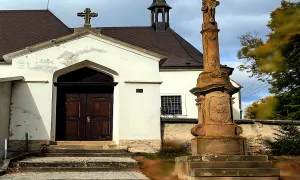
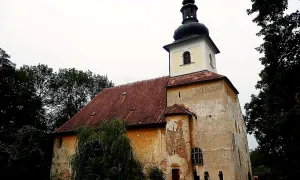
Architecturally, the Church of Saint Bartholomew showcases a blend of styles reflecting its complex history. The exterior is marked by a dominant portico on the western facade, featuring pilasters and a central sandstone portal adorned with an emblematic coat of arms of the Špork family. A statue of Saint Bartholomew stands in the gable above this entrance, flanked by three angelic figures representing faith, hope, and love. The southern facade is complemented by a replica of a statue of Saint Anthony of Padua, while nearby, a monument honors those who fell during World War I.
Internally, the church maintains a single nave with four side chapels. Its vaulted ceiling is adorned with paintings by František Xaver Palko depicting scenes from the legend of Saint Bartholomew. The gilded pulpit and altar are masterpieces crafted by the Pacák brothers, adding to the church's artistic richness. A music gallery housing an organ is situated on the western side, enhancing its liturgical function.
Throughout its history, ownership and administration have played crucial roles in shaping the church’s destiny. Jan Václav Špork was instrumental in its reconstruction after the fire of 1740, ensuring that the new structure reflected contemporary architectural trends. The church also serves as a final resting place for notable figures; beneath it lie three crypts: one housing the remains of panství owners, another containing the graves of local clergy, and a third dedicated to the family of its architect, František Tomáš Jedlička.
In 2002, the church underwent significant restoration work on its exterior shell, roof, and spire, made possible through contributions from state funds, the city, the church itself, and sponsors. Today, it stands not only as a place of worship but also as a historical monument that attracts visitors interested in its architectural beauty and storied past.
Visiting the Church of Saint Bartholomew offers an opportunity to explore a unique blend of Gothic, Renaissance, Baroque, and Rococo styles within one structure. Its rich history and artistic elements make it a worthwhile destination for those interested in architecture and cultural heritage. The church remains accessible to visitors who wish to delve into its historical significance and appreciate the craftsmanship that has preserved its legacy through centuries.
Then and now
Drag the slider to compare how the landmark may have looked when it was built with the view today.
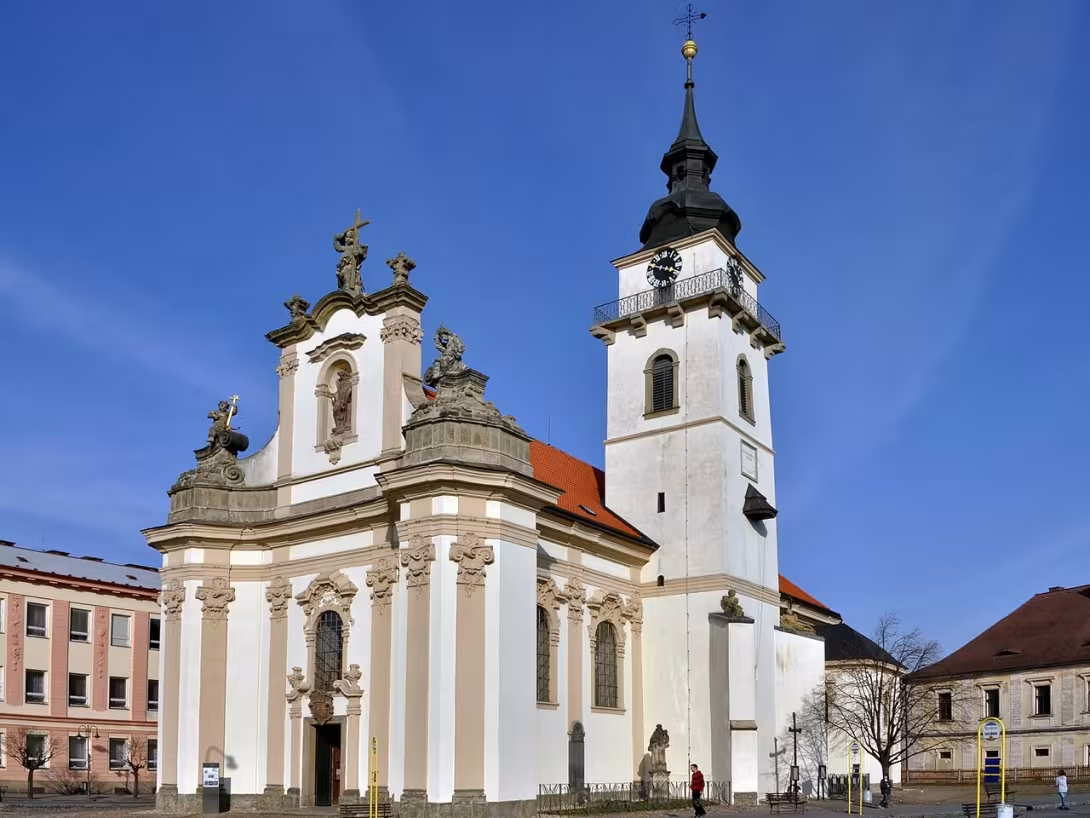
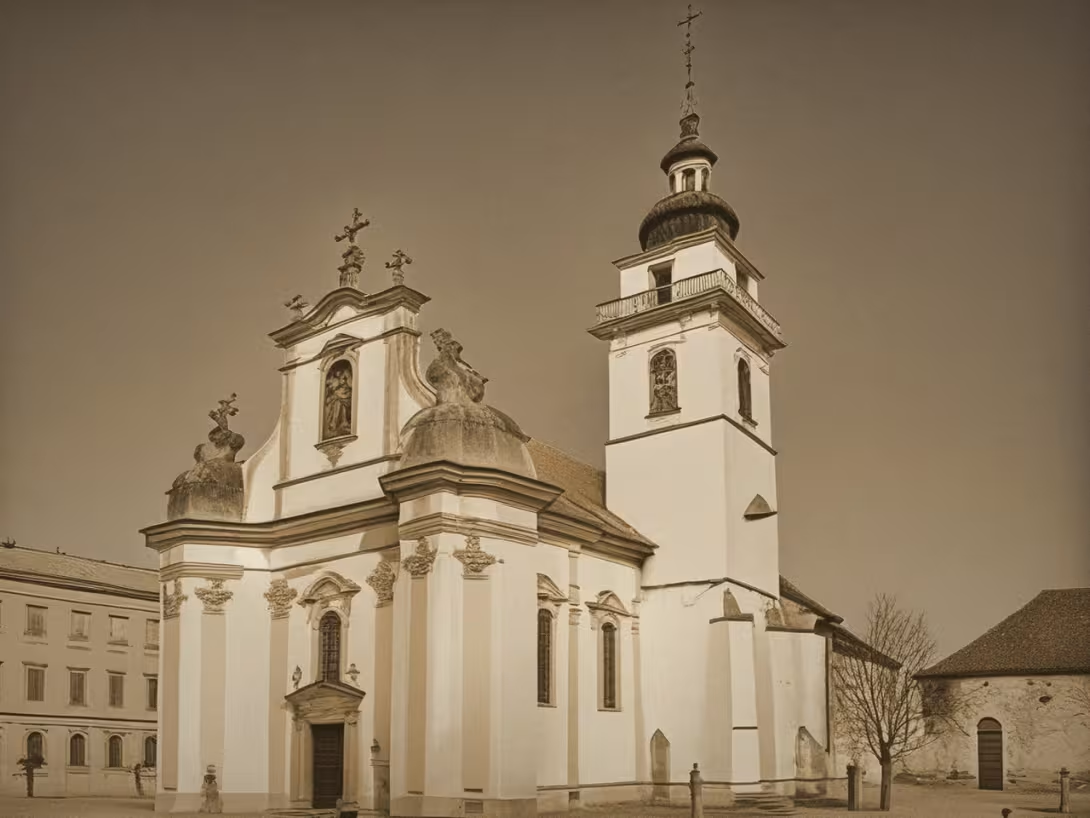
The historical appearance on the left is an AI-generated visualisation and serves as inspiration only.
Historical milestones
- 1349
- First mention of the church by Archbishop Arnošt z Pardubic
- 1740
- The church was destroyed by fire and subsequently rebuilt
- 1756-1761
- Reconstruction completed in Baroque style with Rococo elements
Architectural development
The church underwent several architectural transformations. Initially built as a Gothic structure, it was later converted into Renaissance style before being completely rebuilt in the late Baroque style with Rococo decorations after a fire in 1740. The reconstruction, led by František Tomáš Jedlička between 1756 and 1761, introduced significant stylistic changes.
Historical events
1349: First mention by Archbishop Arnošt z Pardubic
1740: Church destroyed by fire, leading to reconstruction
1756-1761: Reconstruction completed in Baroque style with Rococo elements
Points of interest
- The Church of Saint Bartholomew is notable for its blend of architectural styles; it transitioned from Gothic to Renaissance before adopting late Baroque and Rococo elements after a fire in 1740. This evolution reflects the broader historical changes occurring in Europe during that period.
- A lesser-known fact about the church's interior is that its vaulted ceiling features paintings by František Xaver Palko, depicting scenes from the legend of Saint Bartholomew. These artworks add a narrative depth to the architectural splendor and offer insight into the saint’s life and significance.
- Beneath the Church of Saint Bartholomew lie three crypts with historical importance: one for panství owners, another for local clergy, and a third dedicated to the family of architect František Tomáš Jedlička. These crypts preserve the legacy of influential figures associated with the church’s history.
- The statue of Saint Bartholomew atop the western facade is flanked by three angelic figures representing faith, hope, and love. This symbolic representation underscores the spiritual themes that are integral to the church's design and purpose.
- In 2002, a significant restoration project was undertaken for the church’s exterior shell, roof, and spire, funded through contributions from state funds, the city, the church itself, and sponsors. This collaborative effort highlights the community's commitment to preserving this historical monument for future generations.
Guide
This guide is narrated by a synthetic voice generated by artificial intelligence.
Show guide text
This text was created by artificial intelligence and has not been editorially reviewed. It may contain inaccuracies.
Welcome to the Church of Saint Bartholomew in Heřmanův Městec, a remarkable testament to architectural evolution and history. As you stand before this majestic structure, take a moment to absorb its grandeur. Notice how the late Baroque style is harmoniously blended with Rococo decorative elements, creating an exquisite façade that captivates your senses.
The origins of this church date back to 1349 when Archbishop Arnošt z Pardubic first mentioned it in historical records. Initially a Gothic structure, its architectural journey reflects the dynamic changes sweeping across Europe during those centuries. By the time of the Renaissance, the church had embraced new stylistic elements, only to face destruction by fire in 1740.
This calamity led to an opportunity for rebirth and transformation. Between 1756 and 1761, under the guidance of architect František Tomáš Jedlička, the church was reconstructed into its current form. As you gaze upon it now, observe how the prominent portico dominates the entrance, inviting you to explore further.
The Church of Saint Bartholomew is not just an architectural marvel but also a narrative woven with historical figures and events. Among them stands Jan Václav Špork, whose influence permeated through the region's cultural and architectural developments. His legacy, intertwined with that of Archbishop Arnošt z Pardubic, adds layers of intrigue to this sacred site.
As you continue your exploration, allow yourself to be drawn into the church’s unique blend of styles—a journey from Gothic beginnings to Renaissance transformations, culminating in its Baroque and Rococo splendor. This evolution mirrors broader historical shifts, making it a living chronicle of artistic and cultural change.
Before we conclude this audio guide, consider delving deeper into the stories hidden within these walls. Every corner holds whispers of the past, inviting you to uncover more about its storied history.
Thank you for joining us on this journey through time at the Church of Saint Bartholomew. We hope it has enriched your understanding and appreciation of this historic gem in Heřmanův Městec. As you move forward, carry with you the memories of its beauty and the echoes of its past.
Tips for visitors
The best time to visit the Church of Saint Bartholomew is during late spring or early autumn when the weather is pleasant, allowing you to enjoy both the interior beauty and the surrounding gardens without the discomfort of summer heat or winter cold. The lighting in these months enhances the intricate Baroque and Rococo details inside the church.
Parking near Heřmanův Městec can be limited, so it's advisable to check for available parking spaces ahead of your visit. Public transport is a convenient alternative; you can reach the town using regional trains or buses. For the most current transportation options, consult a local travel website or app.
When visiting the church, consider bringing comfortable walking shoes and weather-appropriate clothing, especially if exploring the surrounding area. A small backpack with water and snacks might be useful for longer visits. If you're interested in learning more about the church's history, carrying a guidebook or downloading information from the official website can enhance your experience.
For photography enthusiasts, early morning light provides soft illumination that beautifully highlights the church’s architectural details and decorative elements. The west-facing façade is particularly striking at sunset. Inside, try to capture the interplay of light through stained glass windows during these times for dramatic effects.
Within a 30-minute drive from Heřmanův Městec, you can visit other historical sites such as the Chlum Castle and the picturesque village of Žamberk. These locations offer additional insights into the region's rich history and provide opportunities for leisurely walks or picnics in scenic settings.
Families with children will find the church a fascinating place to explore, especially due to its historical significance and architectural beauty. The surrounding area offers open spaces where kids can play. For an educational experience, consider visiting during school events or workshops if available.
Businesses nearby
Do you run a restaurant, accommodation, shop, museum, rental, wellness or other visitor service near this monument? Show yourself directly to the people heading to it — this is how they will see you in the app and on the web:
Accommodation nearby
Trips and activities nearby
Guided tours, tickets and activities nearby from GetYourGuide
Affiliate link: if you buy from the partner, we may receive a commission. The price for you does not change.
Search tours and activities →Themed route
Tematická výletní trasa: Kostel svatého Bartoloměje (Heřmanův Městec)
1. Kostel svatého Bartoloměje - Typ: Náboženská památka - Proč stojí za návštěvu: Tento barokní kostel, postavený v roce 1732, je nejvýraznějším architektonickým příspěvkem do obličeje Heřmanova Městce. Jeho bohatá historie a umělecké prvky jako socha svatého Bartoloměje na nádvoří či vnitřní fresky jsou skutečným pokladem pro milovníky historie a architektury.
2. Kaple Panny Marie - Typ: Náboženská kaple - Proč stojí za návštěvu: Nachází se v blízkosti kostela svatého Bartoloměje a je známá pro svou klidnou atmosféru a historický význam. Kaple je ideálním místem pro odpočinek a reflektaci, nabízející pohled na tradiční náboženské umění regionu.
3. Náměstí Míru - Typ: Veřejný prostor - Proč stojí za návštěvu: Toto centrální náměstí v Heřmanově Městci je nejen klíčovou spojovací částí města, ale také domovem různých kulturních akcí a trhů. Jeho historická architektura a živý duch obyvatelstva nesmí být přehlédnuty.
4. Muzeum Heřmanova Městce - Typ: Historické muzeum - Proč stojí za návštěvu: Muzeum nabízí hluboký pohled do historie a kultury města, s výstavami zaměřenými na regionální dějiny, umění a tradice. Je to ideální místo pro ty, kteří chtějí rozšířit své poznání o minulosti Heřmanova Městce.
5. Kostel svatého Mikuláše - Typ: Náboženská památka - Proč stojí za návštěvu: Nachází se v blízkosti kostela svatého Bartoloměje a je dalším příkladem bohaté historie města. Jeho gotický architektonický styl kontrastuje s barokním kostelem svatého Bartoloměje, což poskytuje zajímavý pohled na různorodost náboženských stavb v oblasti.
Tato trasa nabízí komplexní pohled na historickou a kulturní bohatost Heřmanova Městce, s důrazem na jeho náboženské a architektonické památky.
Seasonal recommendations
Spring: Visiting the Church of Saint Bartholomew during spring offers a unique opportunity to witness nature's rebirth. The surrounding landscape bursts with vibrant colors as wildflowers bloom, and trees are adorned in fresh green leaves, creating an enchanting atmosphere that complements the historical architecture of the church. This season is ideal for photography enthusiasts looking to capture the interplay between natural beauty and architectural details. With fewer visitors compared to summer, it's a perfect time to enjoy a peaceful exploration. However, be prepared for unpredictable weather; carrying a light rain jacket or an umbrella can ensure you fully appreciate the springtime charm without interruption.
Summer: Summer is the peak season for visiting Saint Bartholomew’s Church in Heřmanův Městec, with long daylight hours enhancing the experience of exploring its historical intricacies. The warm weather invites visitors to enjoy outdoor activities around the church, such as picnicking or walking through nearby parks. However, this is also when visitor numbers are highest, so arriving early can help avoid crowds and secure a more personal encounter with the site. Dressing in light, breathable clothing is advisable, along with wearing comfortable shoes for any potential walks. Don't forget to bring sunscreen and plenty of water to stay hydrated during your visit.
Autumn: Autumn transforms the area around Saint Bartholomew’s Church into a picturesque canvas of warm hues, offering a serene and contemplative atmosphere perfect for reflection. The cooler temperatures make it an ideal time for leisurely strolls through the surrounding landscape, now dotted with fallen leaves that create a golden carpet leading to the church. While visitor numbers decrease compared to summer, there is still enough foot traffic to enjoy a lively yet calm visit. Layered clothing is recommended to adjust comfortably to varying temperatures throughout the day. This season also offers excellent conditions for photography enthusiasts looking to capture the stunning fall colors.
Winter: Winter presents a magical setting for visiting Saint Bartholomew’s Church, with its snow-covered surroundings and potential for festive decorations that enhance the historical ambiance. The shorter days mean planning your visit during daylight hours is crucial, as services or tours might have limited schedules. While fewer visitors are typically present, offering a more intimate experience of the church's winter charm, it's essential to dress warmly in layers, including hats, gloves, and insulated footwear, to enjoy the visit comfortably. Be mindful that some areas around the church may be less accessible due to snow or ice, so proceed with caution on your exploration.
Visualizations and artistic views


The visualisations are generated by artificial intelligence and serve as inspiration.
Photos from the area
Real photos taken near the monument


Zdroj a licence jsou uvedeny u každého snímku.
Tips from visitors
No tips yet. Be the first!
Log in and add your tip.
Sources and literature
Fotografie: Ben Skála / CC BY-SA 3.0 — Wikimedia Commons. The author and licence also appear when you hover over the image.
Faktickým podkladem tohoto textu byl článek na Wikipedii, jehož autory jsou přispěvatelé Wikipedie. Článek je dostupný pod licencí CC BY-SA 4.0.
Location on the map
Příběhy a pověsti
Legendy, pověsti a příběhy spjaté s touto památkou
Fotografie návštěvníků
Zatím žádné fotografie. Buďte první, kdo přidá fotografii z návštěvy!
Přihlaste se a přidejte svou fotografii nebo hodnoťte.
Za ověřenou návštěvu v aplikaci získáte víc bodů — poznáme podle GPS, že jste na místě.
Reviews and comments