



kostel svatého Bartoloměje (Otradov) Church
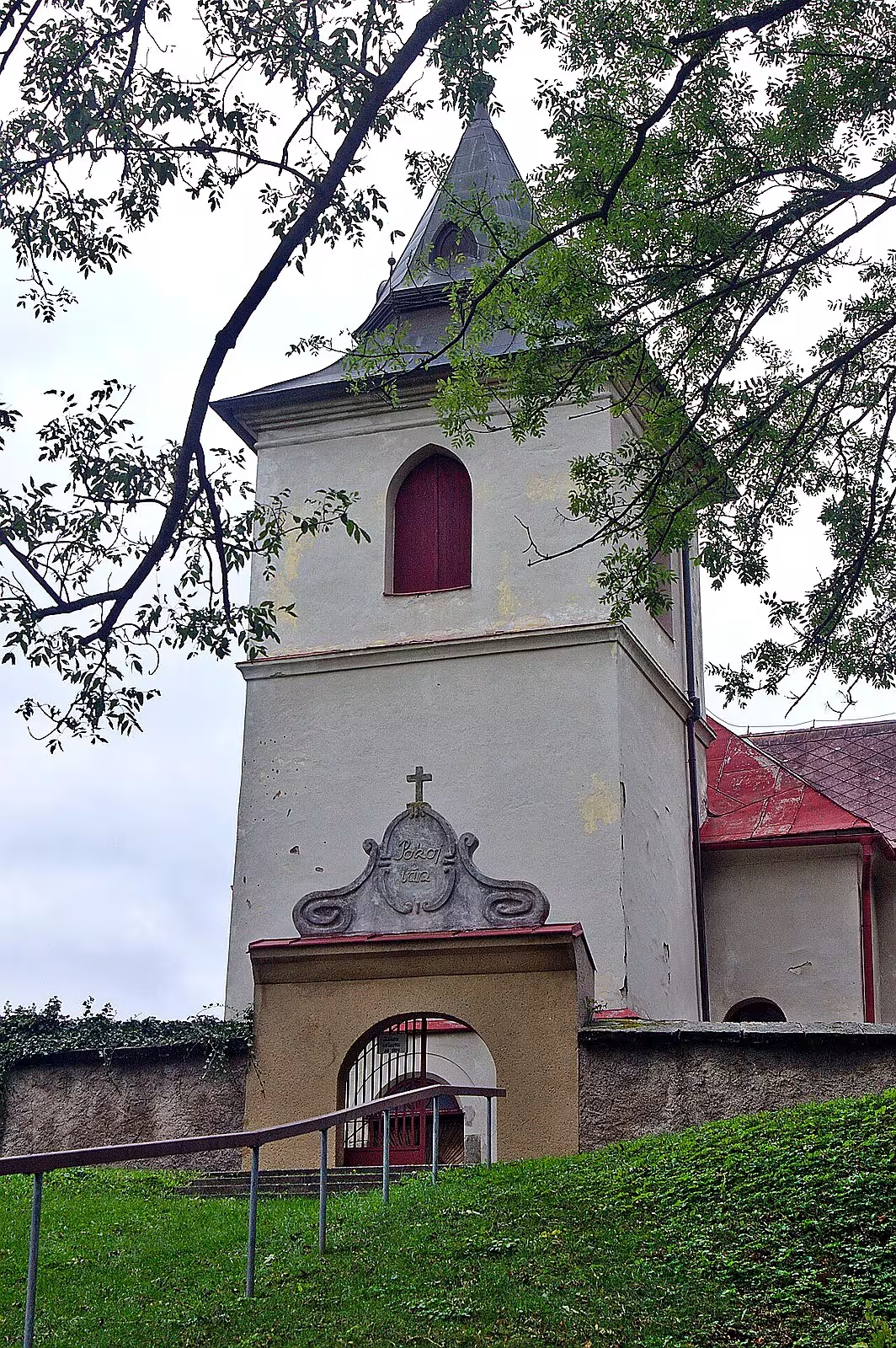
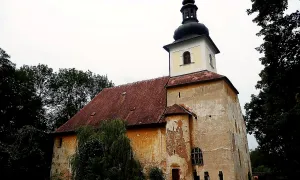
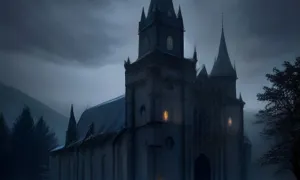
The Church of Saint Bartholomew in Otradov is a notable Gothic parish church located on a hill in the village's northeastern part. First documented in 1350 under the Litomyšl bishopric, this historical monument stands out for its architectural style and rich history. It features a single-nave structure with a five-sided presbytery and a prominent spire tower, showcasing typical Gothic elements like cross-ribbed vaults and pointed windows.
The church's origins trace back to the early 14th century, though some sources suggest it could be older. Initially under the Litomyšl bishopric, it underwent significant transformations over time. The presbytery was added in the first quarter of the 14th century, with further Gothic renovations occurring in the late 14th and during the late Gothic period. In the 18th century, a new belfry was constructed in 1789.
Architecturally, it is characterized by its single-nave design, five-sided presbytery, and spire tower. The interior boasts a cross-ribbed vaulted presbytery with a six-ray star vault, alongside pointed windows featuring wooden tracery. A sacristy connected to the north of the presbytery via an arched saddle portal adds architectural interest.
Throughout history, the church experienced shifts in ownership and religious affiliation. Initially under the Litomyšl bishopric, it hosted both Catholic and Utraquist services during the 16th and early 17th centuries. After religious conflicts in 1620, it lost its Utraquist priest and was reassigned to other parishes, eventually becoming a filial church first to Hlinsko, then Skuteč, and finally Krouna in 1737.
The church is surrounded by a wall with a gate enclosing a cemetery. According to local legend, it was founded by miners from "Kablaní." In the late 19th century, František Schmoranz senior undertook restoration efforts that respected its historical state rather than making radical changes.
Today, the Church of Saint Bartholomew remains a significant cultural monument in Otradov. Its rich history and architectural beauty make it a worthwhile visit for those interested in Gothic architecture and Czech heritage. The church's preservation as a cultural site ensures visitors can appreciate its historical significance and enjoy its serene surroundings.
Then and now
Drag the slider to compare how the landmark may have looked when it was built with the view today.
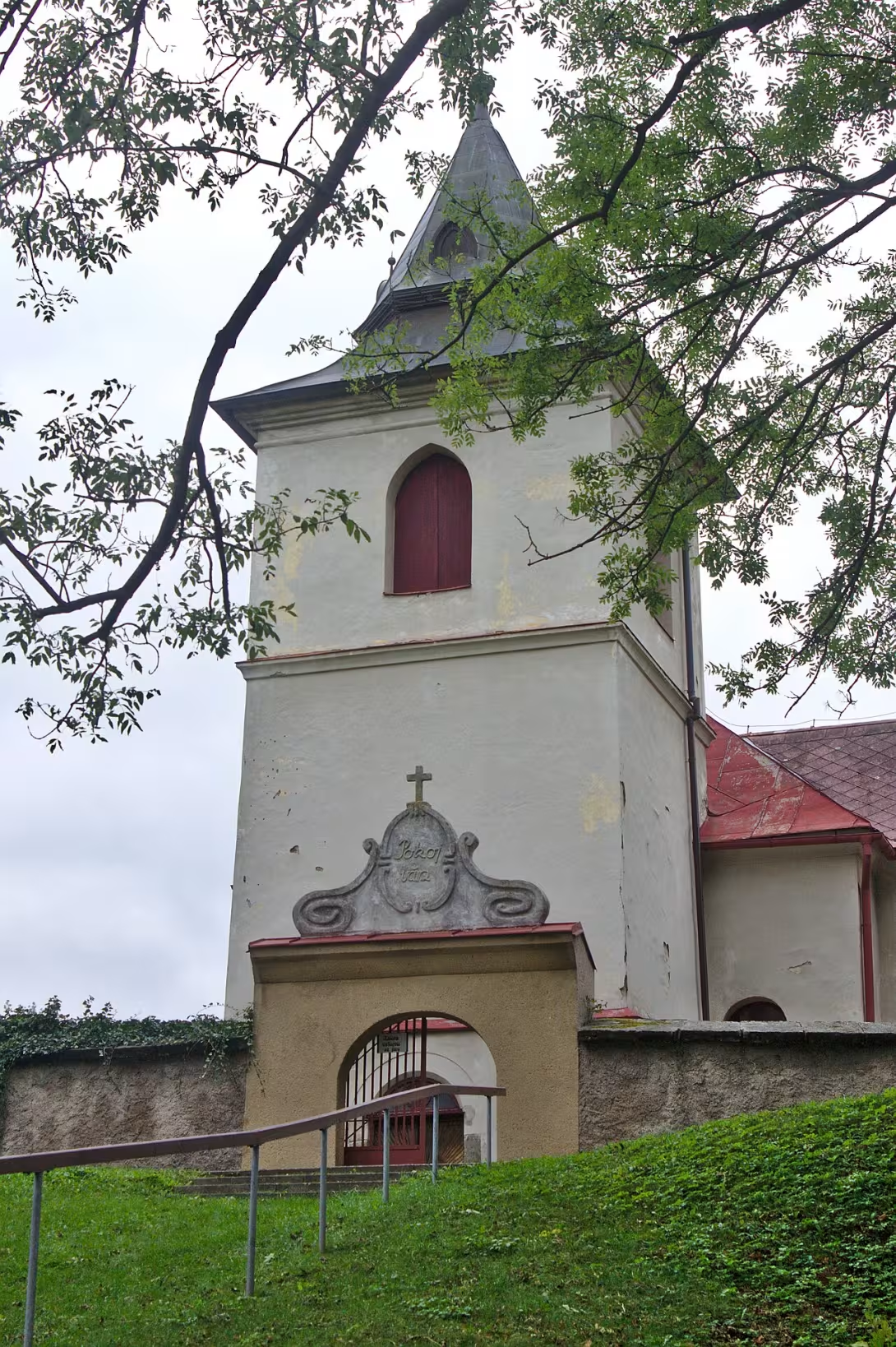
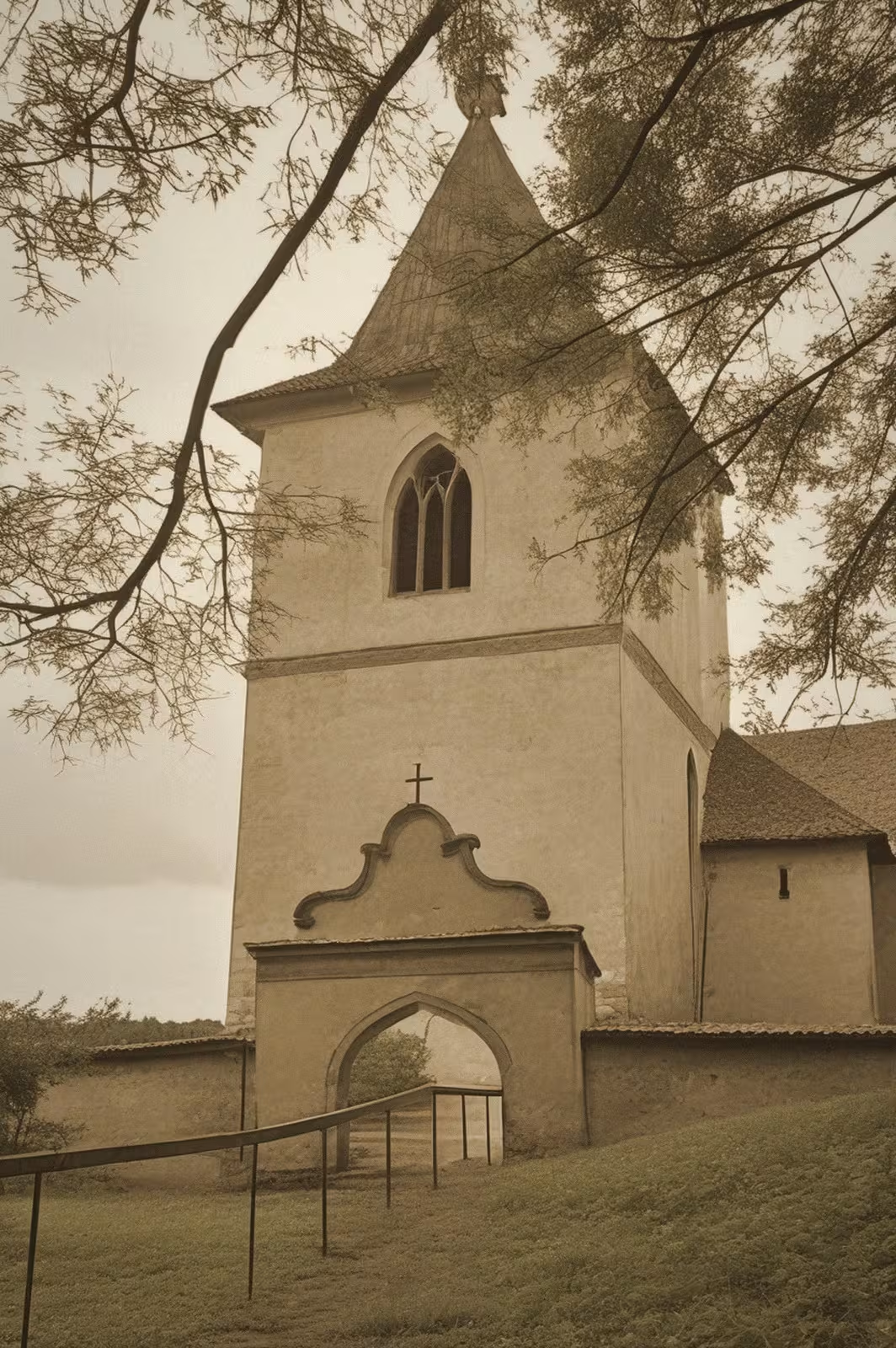
The historical appearance on the left is an AI-generated visualisation and serves as inspiration only.
Historical milestones
- kolem 1350
- The church was first recorded under the Litomyšl Bishopric.
- první čtvrtina 14. století
- Addition of a presbytery to the church.
- koncem 14. století a pozdně gotické období
- Gothic renovation of the church.
- 1789
- Construction of a new tower.
- 1620
- Loss of an Utraquist priest due to religious conflicts.
- 1737
- The church became a filial church under Krouna.
Architectural development
The origins of the church date back to the early 14th century, with significant Gothic renovations in the late 14th century. Further modifications occurred in the late Gothic period and again in the 18th century when a new belfry was constructed in 1789. In 1887, František Schmoranz senior undertook restoration efforts that respected the historical state of the building.
Historical events
First documented mention of the church dates back to 1350 as a parish under the Litomyšl bishopric.
In 1620, following religious conflicts, the church lost its Utraquist priest and was reassigned to other parishes.
Owners
Initially under the jurisdiction of the Litomyšl bishopric, during the 16th and early 17th centuries, the church hosted services for both Catholic and Utraquist congregations. After 1620, it became a filial church first to Hlinsko, then Skuteč, and finally Krouna in 1737.
Points of interest
- According to local legend, the Church of Saint Bartholomew was founded by miners from "Kablaní," suggesting a connection between the church and mining communities in the area. - The church experienced shifts in religious affiliation over time, hosting both Catholic and Utraquist services during the 16th and early 17th centuries, reflecting the broader religious conflicts of that era in Bohemia. - After the Battle of White Mountain in 1620, the church lost its Utraquist priest due to political and religious changes, leading it to become a filial church under various parishes until finally being reassigned to Krouna in 1737. - The restoration efforts led by František Schmoranz senior in the late 19th century were notable for their respect for historical authenticity, avoiding radical changes and preserving the original Gothic elements of the structure. - Despite its turbulent history with religious shifts and reassignments, the church has been preserved as a cultural monument, ensuring that visitors can appreciate both its architectural beauty and its place within Czech heritage.
Guide
This guide is narrated by a synthetic voice generated by artificial intelligence.
Show guide text
This text was created by artificial intelligence and has not been editorially reviewed. It may contain inaccuracies.
Welcome to the Church of Saint Bartholomew in Otradov, a remarkable testament to Gothic architecture nestled on a hill in the northeastern part of this charming village. As you stand here, take a moment to absorb the serene atmosphere surrounding this historic structure. The church's prominent spire tower reaches ambitiously towards the sky, inviting your gaze upward. Its single-nave design and distinctive five-sided presbytery add to its unique architectural character.
The origins of this sacred site date back to around 1350 when it was first documented under the Litomyšlský biskupstvím. This period marked the beginning of a significant chapter in the church's history, reflecting the religious and cultural dynamics of medieval Bohemia. By the early 14th century, the presbytery had been added to the original structure, enhancing its spiritual significance.
As you explore further, notice how the interior showcases typical Gothic elements that define this era. The cross-ribbed vaulted presbytery and six-ray star vault create an intricate web of architectural beauty, while pointed windows and wooden tracery add depth and elegance to the space. These features are not just decorative but speak volumes about the craftsmanship and artistic vision of their creators.
Throughout its history, this church has witnessed shifts in religious affiliation, serving as a home for both Catholic and Utraquist services during times of change. The year 1620 marked a pivotal moment when an Utraquist priest was lost due to religious conflicts, reflecting the turbulent times that shaped the region's spiritual landscape. By 1737, the church transitioned into a filial church under Krouna, further embedding itself in the local community.
Local legend adds another layer of intrigue to this historic site. It is said that miners from "Kablaní" founded the Church of Saint Bartholomew, suggesting a fascinating connection between the church and the mining communities in the area. This narrative not only enriches our understanding of the church's origins but also highlights the intertwined nature of faith and daily life during this period.
As we conclude our journey through the Church of Saint Bartholomew, I invite you to linger a while longer, absorbing its historical aura and architectural splendor. Whether you're drawn to its storied past or captivated by its Gothic elegance, there's much to explore and appreciate in this sacred space. Thank you for joining me today, and may your visit inspire a deeper appreciation for the rich tapestry of history that surrounds us.
Tips for visitors
The best time to visit the Church of Saint Bartholomew in Otradov is during late spring or early autumn when the weather is pleasant, and the surrounding landscape is lush with greenery. These seasons offer ideal conditions for exploring both the church's architectural details and its scenic hilltop location. Additionally, visiting outside peak tourist months ensures a more tranquil experience, allowing you to appreciate the Gothic structure without large crowds.
Always verify the latest schedules and routes through a reliable travel app or website.
When planning your visit, consider bringing comfortable walking shoes as exploring the church's surroundings on foot will enhance your experience. A camera is recommended for capturing the stunning views of the village from the hilltop where the church stands. Additionally, carrying a light jacket might be useful due to varying weather conditions in the area.
Photography enthusiasts will find several spots around the Church of Saint Bartholomew ideal for capturing its Gothic architecture and panoramic vistas. The best lighting is typically during the golden hours—shortly after sunrise or before sunset—when the sunlight accentuates the church's features and the landscape's colors. Exploring the area on foot can also reveal unique angles and perspectives.
For families with children, a visit to Otradov offers more than just historical exploration. The village itself provides opportunities for leisurely walks through its charming streets. Within a 30-minute drive from the church, you can explore nearby attractions such as natural parks or small museums that offer interactive experiences suitable for young visitors.
Frequently asked questions
Can the monument be visited?
Religious buildings are usually open mainly during services; at other times a visit is normally arranged with the parish or the operator. We have not verified specific times.
Where is the monument?
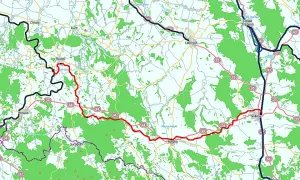
Location: Otradov, Pardubický kraj. The map on this page shows the exact spot.
Why is the monument protected?
It is listed in the Central List of Cultural Monuments of the Czech Republic as a cultural monument (register no. 23510/6-934).
Businesses nearby
Do you run a restaurant, accommodation, shop, museum, rental, wellness or other visitor service near this monument? Show yourself directly to the people heading to it — this is how they will see you in the app and on the web:
Accommodation nearby
Themed route
Tematická výletní trasa: Kostel svatého Bartoloměje (Otradov)
1. Kostel svatého Bartoloměje (Otradov) - Hlavní cíl Typ: Náboženská památka Proč stojí za návštěvu: Tento barokní kostel, postavený v 18. století, je architektonickou perli Otradova s bohatou historií a uměleckými prvky, které přitahují návštěvníky svou krásou a duchovní atmosférou.
2. Nádvoří kostela Typ: Historický areál Proč stojí za návštěvu: Nádvoří nabízí klidnou zastávkovou zónu, kde si můžete užít pohled na kostel a okolní krajinu. Je to ideální místo pro relaxaci po prozkoumání vnitřku kostela.
3. Věž kostela Typ: Architektonický prvek Proč stojí za návštěvu: Věž nabízí jedinečný pohled na obec Otradov a okolní krajinu. Je to nejen symbolické místo, ale také skvělý výhledový bod pro fotografie.
4. Park u kostela Typ: Zelená zóna Proč stojí za návštěvu: Park poskytuje příležitost k odpočinku a relaxaci, s možností procházet se po chodníku nebo si užít klidného času v přírodě.
5. Místní obecní úřad Typ: Historický areál Proč stojí za návštěvu: Zajímavostí je historie a architektura budovy, která sloužila jako centrum místní správy. Je to krátké prohlédnutí do minulosti obce.
Tato trasa nabízí kompaktní zážitek plný historických a kulturních poznatků, zaměřený na hlavní památku a její bezprostřední okolí.
Seasonal recommendations
Spring: Visiting the Church of Saint Bartholomew during spring offers a refreshing experience as nature awakens around Otradov. The church is enveloped by blooming flowers and lush greenery, creating a vibrant atmosphere that enhances its historic beauty. As daylight extends into the evening, the natural lighting beautifully illuminates the church's architecture. Visitors can enjoy this serene setting with fewer crowds compared to summer months. It’s advisable to wear comfortable layers as temperatures can vary, and early mornings or late afternoons are ideal for exploring before larger groups arrive.
Summer: Summer at the Church of Saint Bartholomew is marked by long daylight hours that accentuate its architectural details in natural light. The surrounding landscape is lush and vibrant, providing a picturesque backdrop. However, this season also brings larger crowds due to peak tourist activity. To make the most of your visit, consider arriving early in the morning or later in the afternoon to avoid the heat and the busiest times. Light clothing is recommended, along with sun protection such as hats and sunscreen.
Autumn: The autumn months transform the Church of Saint Bartholomew’s surroundings into a tapestry of warm colors, offering a cozy and inviting atmosphere. The shorter days mean that natural light quickly fades, so visiting in the morning can capture the church in its best light while enjoying the vibrant foliage. This season is less crowded than summer, allowing for a more peaceful experience. Layered clothing is advisable to accommodate the cooler temperatures.
Winter: Winter brings a quiet and mystical charm to the Church of Saint Bartholomew, with snow often blanketing Otradov in a serene white cover. The church's architecture stands out against the stark winter landscape, offering a unique perspective. It’s essential to dress warmly, wearing insulated layers, hats, gloves, and sturdy footwear for comfort while exploring the historic site.
Visualizations and artistic views


The visualisations are generated by artificial intelligence and serve as inspiration.
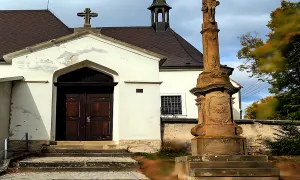
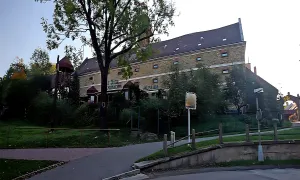
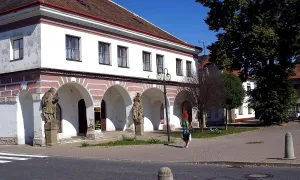
Photos from the area
Real photos taken near the monument


Zdroj a licence jsou uvedeny u každého snímku.
Tips from visitors
No tips yet. Be the first!
Log in and add your tip.
Sources and literature
Photos: I would appreciate being notified if you use my work outside Wikimedia. More of my work can be found in my personal gall / CC BY-SA 4.0 — Wikimedia Commons. The author and licence also appear when you hover over the image.
Faktickým podkladem tohoto textu byl článek na Wikipedii, jehož autory jsou přispěvatelé Wikipedie. Článek je dostupný pod licencí CC BY-SA 4.0.
Location on the map

Příběhy a pověsti
Legendy, pověsti a příběhy spjaté s touto památkou
Fotografie návštěvníků
Zatím žádné fotografie. Buďte první, kdo přidá fotografii z návštěvy!
Log in a přidejte svou fotografii nebo hodnoťte.
Za ověřenou návštěvu v aplikaci získáte víc bodů — poznáme podle GPS, že jste na místě.
Reviews and comments