






kostel svatého Bartoloměje ve Velkém Šenově Church
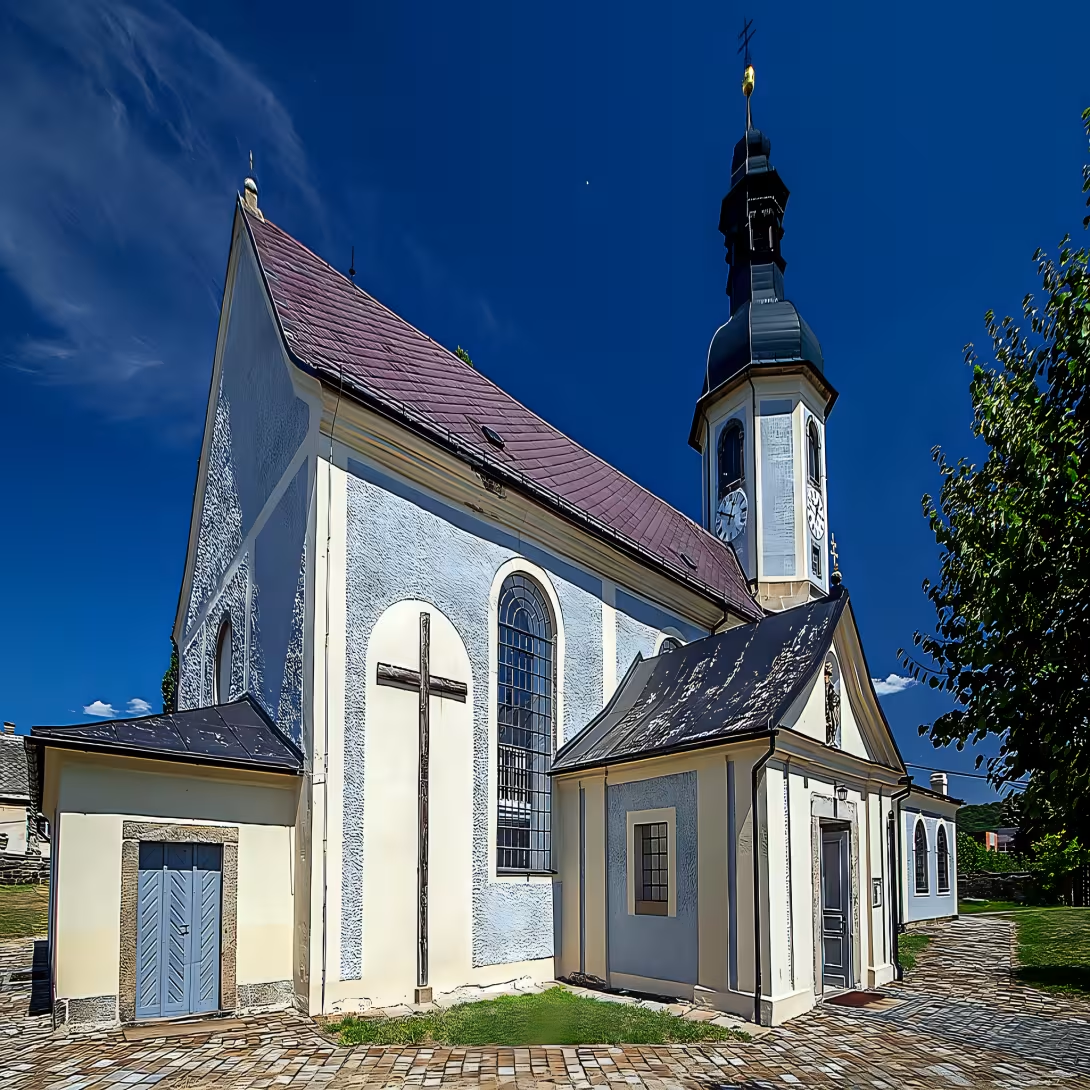
The Church of Saint Bartholomew in Velký Šenov is a prominent Roman Catholic church dominating the town's skyline. Established during the Middle Ages, its current structure mainly dates to the late 15th century with significant Baroque modifications made in the 18th century. Recognized as a cultural monument of the Czech Republic since 2000, this single-nave church features a five-sided presbytery topped by a spire.
The origins of the Church of Saint Bartholomew are steeped in legend and history. While its earliest history is not extensively documented, it is believed that the current Renaissance structure was likely built around the late 15th century. The church underwent further Baroque alterations during the 18th century. A local legend tells of a tragic love story involving two individuals named Lisa and Phillip, which led to the relocation of the church's construction site. This tale adds historical intrigue to its foundation.
Architecturally, the Church of Saint Bartholomew has evolved through several phases. Initially a medieval structure, it was rebuilt in the Renaissance style around the late 15th century and later modified in the Baroque style during the 18th century. The interior is adorned with predominantly Baroque and Classical furnishings from the 18th and 19th centuries. Notably, the church houses an organ built in 1933 by Rieger of Krnov, featuring 20 registers and 1501 pipes.
The church's surroundings are equally rich in history and artistry. A disused cemetery encircles it, home to several protected tombstones designed by Drážďanský court sculptor Franz Pettrich. Nearby stands a Baroque group sculpture of Saint John Nepomucene and a bronze statue titled "The Wounded" by Ferdinand Opitz. Additionally, the late Baroque parsonage constructed in 1783 is adorned with the Salm-Reifferscheidt coat of arms.
Throughout its history, the Church of Saint Bartholomew has witnessed significant events and undergone various transformations. In 2015, it underwent extensive reconstruction focusing on its external plasterwork, roof, and surrounding area. These efforts have helped preserve its historical integrity and ensure its continued prominence in Velký Šenov.
Today, the Church of Saint Bartholomew stands as a testament to the rich cultural and religious history of the region. Its architectural beauty and historical significance make it a worthwhile visit for anyone interested in exploring Czech heritage. Visitors can appreciate not only the church itself but also its intriguing legend and the artistic treasures that surround it.
Then and now
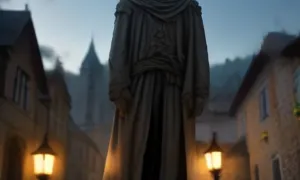
Drag the slider to compare how the landmark may have looked when it was built with the view today.
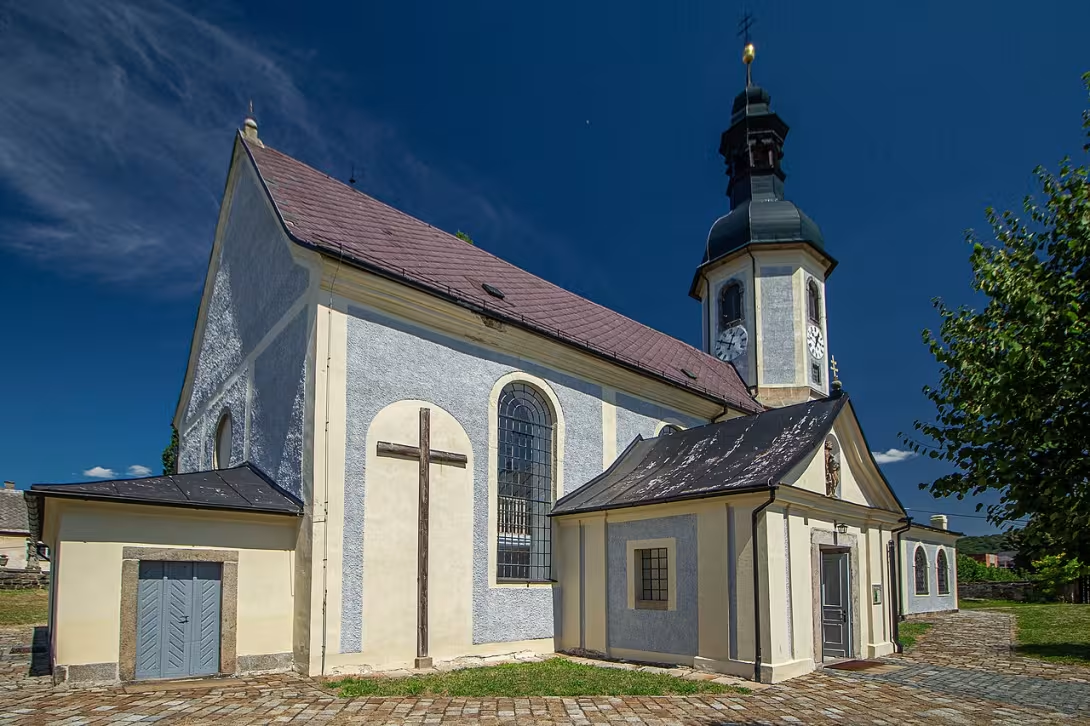
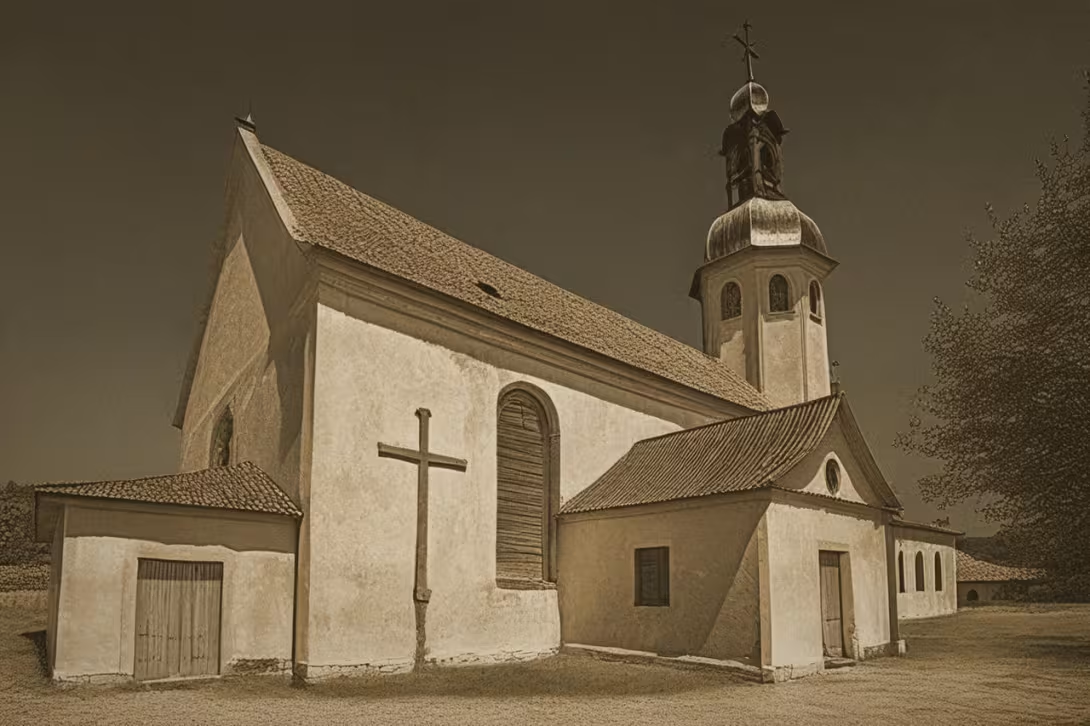
The historical appearance on the left is an AI-generated visualisation and serves as inspiration only.
Historical milestones
- 2015
- Extensive reconstruction of external plasterwork, roof, and surrounding area.
- 1783
- Construction of a late Baroque parsonage adorned with the Salm-Reifferscheidt coat of arms.
Architectural development
The Church of Saint Bartholomew has undergone several architectural phases. Initially a medieval church, it was rebuilt in the Renaissance style around the late 15th century and later modified in the Baroque style during the 18th century. The interior features predominantly Baroque and Classical furnishings from the 18th and 19th centuries.
Historical events
The church underwent extensive reconstruction in 2015, focusing on its external plasterwork, roof, and surrounding area.
In the late 15th century, the current Renaissance structure was likely built, with further Baroque alterations occurring in the 18th century.
Points of interest
- The tragic love story of Lisa and Phillip is a local legend that adds an intriguing layer to the church's history, suggesting its construction site was moved due to their tale. - A disused cemetery surrounds the church, featuring protected tombstones crafted by Drážďanský court sculptor Franz Pettrich, highlighting the area’s historical artistry. - The church houses a unique organ built in 1933 by Rieger of Krnov, boasting 20 registers and 1501 pipes, making it an auditory treasure within its walls. - Nearby stands "The Wounded," a bronze statue created by Ferdinand Opitz, contributing to the artistic landscape surrounding the Church of Saint Bartholomew. - The late Baroque parsonage, constructed in 1783, is adorned with the Salm-Reifferscheidt coat of arms, reflecting its historical and architectural significance.
Guide
This guide is narrated by a synthetic voice generated by artificial intelligence.
Show guide text
This text was created by artificial intelligence and has not been editorially reviewed. It may contain inaccuracies.
Welcome to the Church of Saint Bartholomew in Velký Šenov, a stunning Roman Catholic edifice that commands attention as you stand here today. As your eyes sweep across its façade, take a moment to appreciate how this church not only dominates the town's skyline but also serves as a testament to centuries of history and architectural evolution.
The origins of this remarkable structure trace back to the Middle Ages, with the current form primarily emerging in the late 15th century. Over time, it underwent significant transformations, most notably during the 18th century when Baroque influences were introduced, adding layers of ornate detail that you can still observe today. Recognized as a cultural monument since 2000, this church has been meticulously preserved to maintain its historical integrity.
As you gaze upon the church's exterior, notice how recent efforts in 2015 have restored and rejuvenated it. The extensive reconstruction work focused on the external plasterwork, roof, and surrounding area, ensuring that each stone continues to tell its story with renewed vigor. Nearby stands a late Baroque parsonage from 1783, adorned with the Salm-Reifferscheidt coat of arms—a reminder of the church's enduring legacy.
While specific architects remain unknown, their vision has left an indelible mark on this place. The architecture invites you to explore its details: observe how the layers of history are etched into every corner and crevice. Although many historical figures associated with its creation are also unnamed, their collective efforts have given rise to a structure that stands as both a spiritual haven and a cultural treasure.
Adding an intriguing layer to this church's narrative is the local legend of Lisa and Phillip—a tragic love story said to influence the very location of this sacred site. This tale adds a touch of mystique and human emotion, connecting you more deeply with the past lives intertwined with this place.
Surrounding the church lies a disused cemetery, featuring protected tombstones crafted by Franz Pe, a renowned Drážďanský court sculptor. These stones serve as silent witnesses to the passage of time, inviting reflection on those who came before us and their enduring presence in this sacred space.
As you continue your journey through Velký Šenov, let the Church of Saint Bartholomew remain a beacon of history's resilience and beauty. Whether exploring its architectural wonders or pondering the stories held within its walls, there is always more to discover. Thank you for joining us on this auditory tour; we hope it inspires you to delve deeper into the rich tapestry of Velký Šenov's heritage. Safe travels as you continue your exploration!
Tips for visitors
The best time to visit the Church of Saint Bartholomew in Velký Šenov is during late spring or early autumn when the weather is pleasant, and the natural light enhances the architectural beauty of the church. These seasons also offer vibrant foliage around the area, making it a picturesque setting for your visit. Additionally, visiting on weekdays can help avoid larger crowds that are common on weekends.
Parking and transportation to Velký Šenov are convenient with several options available. You can drive to the town as there is parking nearby, but remember to check local regulations regarding parking fees or restrictions. Alternatively, public transport is accessible; you may use regional buses or trains to reach the area. It's advisable to verify current routes and schedules through a travel app or website for seamless planning.
When visiting, it's recommended to bring comfortable walking shoes as exploring both the church grounds and its surroundings can involve some walking. A camera is also essential if you wish to capture the stunning architecture of the church and the artistic tombstones in the disused cemetery. Don't forget a hat or sunscreen for protection during sunny days.
For photography enthusiasts, the best spots include the front facade of the Church of Saint Bartholomew, especially during golden hour when the light is soft and warm. The surrounding area with its Baroque sculpture group and the bronze statue 'The Wounded' also provide excellent opportunities for capturing unique images. Early morning or late afternoon are ideal times to take advantage of natural lighting.
Nearby attractions within a 30-minute drive include the disused cemetery, which features several protected tombstones by Franz Pettrich, offering insight into historical artistry. Additionally, the Baroque group sculpture of Saint John Nepomucene and the bronze statue 'The Wounded' by Ferdinand Opitz are worth exploring for their artistic significance.
For families with children, Velký Šenov offers a variety of engaging experiences. The church itself is not only an architectural marvel but also tells rich historical stories that can captivate young minds. Exploring the disused cemetery and its tombstones can be turned into a fun educational activity about history and art. Ensure to bring along some snacks or water, as there are limited facilities for refreshments in the immediate vicinity.
Businesses nearby
Do you run a restaurant, accommodation, shop, museum, rental, wellness or other visitor service near this monument? Show yourself directly to the people heading to it — this is how they will see you in the app and on the web:
Nearby
Surrounding the church is a disused cemetery with several protected tombstones designed by Drážďanský court sculptor Franz Pettrich. Nearby stands a Baroque group sculpture of Saint John Nepomucene and a bronze statue titled 'The Wounded' by Ferdinand Opitz.
Accommodation nearby
Themed route
Thematic Walking Tour of Velký Šenov
1. Kostel svatého Bartoloměje (Church of Saint Bartholomew) *Type: Historical Landmark* Begin your journey at the heart of Velký Šenov with a visit to the Church of Saint Bartholomew, an architectural gem that stands as a testament to the region's rich history and cultural heritage. Explore its stunning interior, characterized by intricate designs and historical significance.
2. Disused Cemetery *Type: Historical Site* Just outside the church lies a disused cemetery, notable for its several protected tombstones crafted by Drážďanský court sculptor Franz Pettrich. This site offers a poignant glimpse into local history and artistry, with each stone telling stories of those who once called Velký Šenov home.
3. Baroque Group Sculpture of Saint John Nepomucene *Type: Artistic Monument* A short walk from the cemetery will lead you to a captivating Baroque group sculpture depicting Saint John Nepomucene. This piece is not only an artistic marvel but also provides insight into the religious and cultural influences that have shaped this region over centuries.
4. Bronze Statue 'The Wounded' by Ferdinand Opitz *Type: Art Installation* Conclude your tour with a visit to the evocative bronze statue titled 'The Wounded,' created by Ferdinand Opitz. This powerful artwork invites reflection on themes of struggle and resilience, adding depth to your understanding of the artistic landscape in Velký Šenov.
This thematic walking tour offers an enriching experience through Velký Šenov's historical and cultural landmarks, providing a deeper appreciation for its heritage and artistry.
Seasonal recommendations
Spring: Visiting the Church of Saint Bartholomew in Velký Šenov during spring offers a unique experience as nature awakens around this historic site. The blooming flowers and fresh greenery create a picturesque backdrop that enhances the church's architectural beauty. During this time, the lighting is gentle with longer daylight hours, making it perfect for photography enthusiasts. Although crowds are generally manageable, arriving early can help you enjoy the serene atmosphere before more visitors arrive. Dress in layers to accommodate the variable spring weather, and consider bringing comfortable walking shoes if exploring nearby trails.
Summer: Summer at the Church of Saint Bartholomew is characterized by vibrant natural surroundings and warm sunlight that highlights the intricate details of its architecture. This is a peak tourist season, so expect larger crowds, especially during weekends and holidays. To avoid the busiest times, plan your visit early in the morning or later in the afternoon when temperatures are more comfortable. Light, breathable clothing is recommended to stay cool, along with sun protection such as hats and sunscreen. The church’s open spaces provide a welcome respite from the summer heat.
Autumn: Autumn brings a spectacular display of colors as the leaves around the Church of Saint Bartholomew turn into shades of red, orange, and gold. This season offers a cozy atmosphere ideal for photography and reflection. The cooler temperatures make it comfortable to explore without the need for heavy layers. While crowds are less intense than in summer, visiting during weekdays can ensure a more peaceful experience. Dress warmly but layer up, as evenings can be chilly, and carry an umbrella or raincoat in case of autumn showers.
Winter: Winter transforms the Church of Saint Bartholomew into a serene and almost mystical site with snow-covered surroundings that add to its historic charm. The shorter days mean you'll need to plan your visit during daylight hours, as services may be limited. This is an excellent time for those seeking solitude, as fewer visitors typically brave the cold weather. Dress warmly in layers, including thermal wear, a hat, gloves, and waterproof boots to navigate any icy paths. Despite the potential for inclement weather, the church's quiet beauty during winter can offer a unique and peaceful experience.
Visualizations and artistic views


The visualisations are generated by artificial intelligence and serve as inspiration.
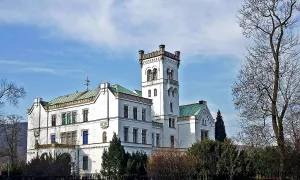
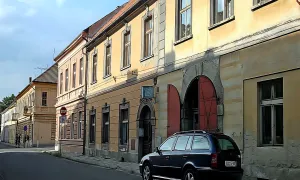
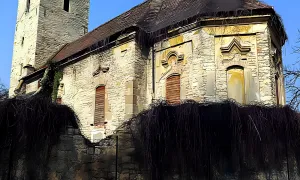
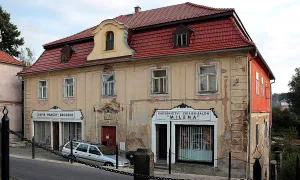
Photos from the area
Real photos taken near the monument


Zdroj a licence jsou uvedeny u každého snímku.
Tips from visitors
No tips yet. Be the first!
Log in and add your tip.
Sources and literature
Fotografie: VitVit / CC BY-SA 4.0, rozlišení zvýšeno umělou inteligencí — Wikimedia Commons. The author and licence also appear when you hover over the image.
Faktickým podkladem tohoto textu byl článek na Wikipedii, jehož autory jsou přispěvatelé Wikipedie. Článek je dostupný pod licencí CC BY-SA 4.0.
Location on the map

Příběhy a pověsti
Legendy, pověsti a příběhy spjaté s touto památkou
Fotografie návštěvníků
Zatím žádné fotografie. Buďte první, kdo přidá fotografii z návštěvy!
Přihlaste se a přidejte svou fotografii nebo hodnoťte.
Za ověřenou návštěvu v aplikaci získáte víc bodů — poznáme podle GPS, že jste na místě.
Reviews and comments