






Kostel svatého Filipa a Jakuba (Mlékosrby) Church
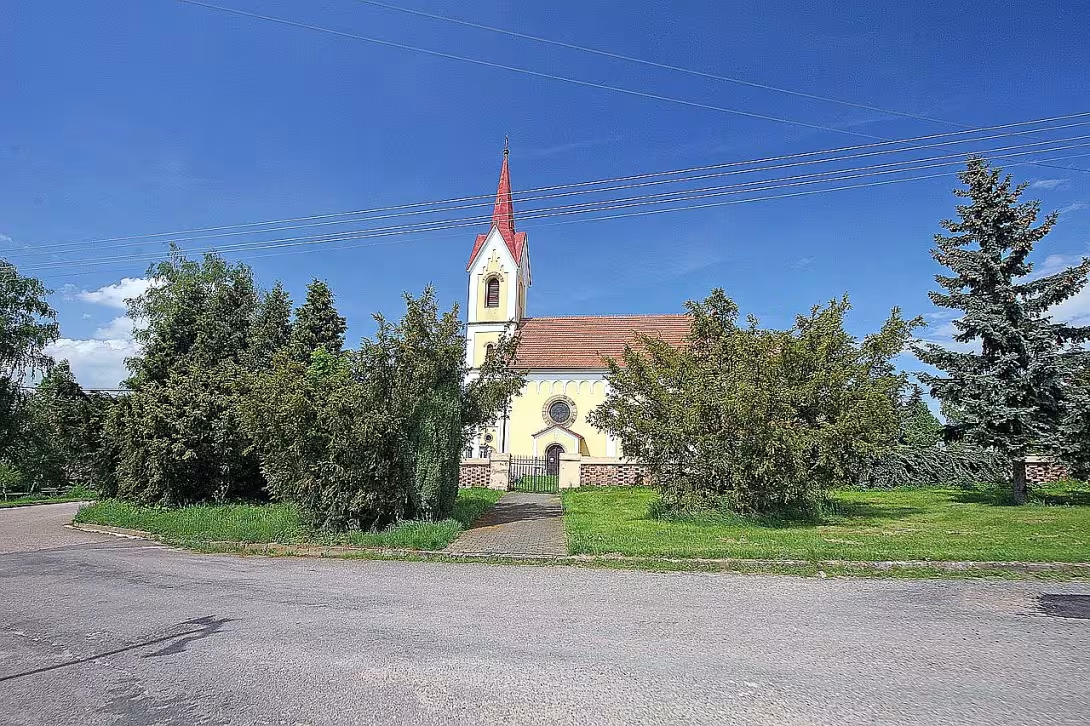
The Church of Saints Philip and James in Mlékosrby is an outstanding example of Baroque architecture, reflecting the historical influence of the Kinský family. Situated at the village center within the Královéhradecký region, this church was built in 1709 during a period when Bohemia experienced significant cultural and architectural developments under the Habsburg Monarchy. Notable for its Baroque design, it also houses a chapel with the noble Kinský family crypt, marking it as an important site of historical and cultural heritage.
The origins of this church date back to 1528, when the first written record mentions a church on this site. The current structure was constructed in 1709 as part of a wave of village church constructions initiated by the influential noble patrons, the Kinskýs. This construction reflects the Baroque architectural style prevalent at the time and underscores the role of the Kinský family in shaping regional heritage.
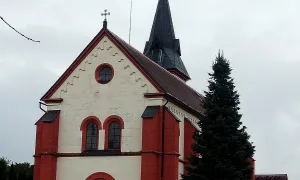
Architecturally, the Church features an oblong nave with a gabled roof, a five-sided presbytery covered by a saddle roof, and a four-sided tower topped with an octagonal spire. In 1882, it underwent significant renovations to adopt the neo-Romanesque style according to designs by architect Josef Míča. This renovation included replacing an earlier wooden belfry with a new tower, enhancing both its aesthetic and functional aspects.
The Kinský family played a pivotal role in the church's history, owning the estate during its construction and subsequent expansions. In 1818, they added a chapel to house their noble crypt on the south side of the church. This addition was initiated by Marie Kristýna Kinská, who sought healing at nearby Mlékosrby baths and was devoted to the Virgin Mary. The family's connection with the site is further emphasized by relocating several members' remains to this chapel in 1930.
The church houses various Baroque elements from the early 18th century, including a wooden statue of the Virgin Mary on the main altar, believed to possess miraculous healing powers. Additionally, the original organ, crafted in 1792 by Pavel František Horák and later expanded in 1894, adds to its historical significance.
Today, the Church remains an active site for religious services held every Sunday at 11:00 AM and hosts smaller wedding ceremonies. It was also opened to the public during the Noc kostelů festival in 2014, allowing visitors to appreciate its architectural beauty and historical importance. The church's enduring legacy as a cultural landmark is evident through its well-preserved structure and rich history.
Visiting this monument offers an opportunity to explore not only its architectural splendor but also to delve into the storied past of the Kinský family and their influence on the region. It stands as a testament to Baroque artistry and the enduring legacy of noble patronage in Bohemia, making it a worthwhile destination for anyone interested in history and architecture.
Then and now
Drag the slider to compare how the landmark may have looked when it was built with the view today.
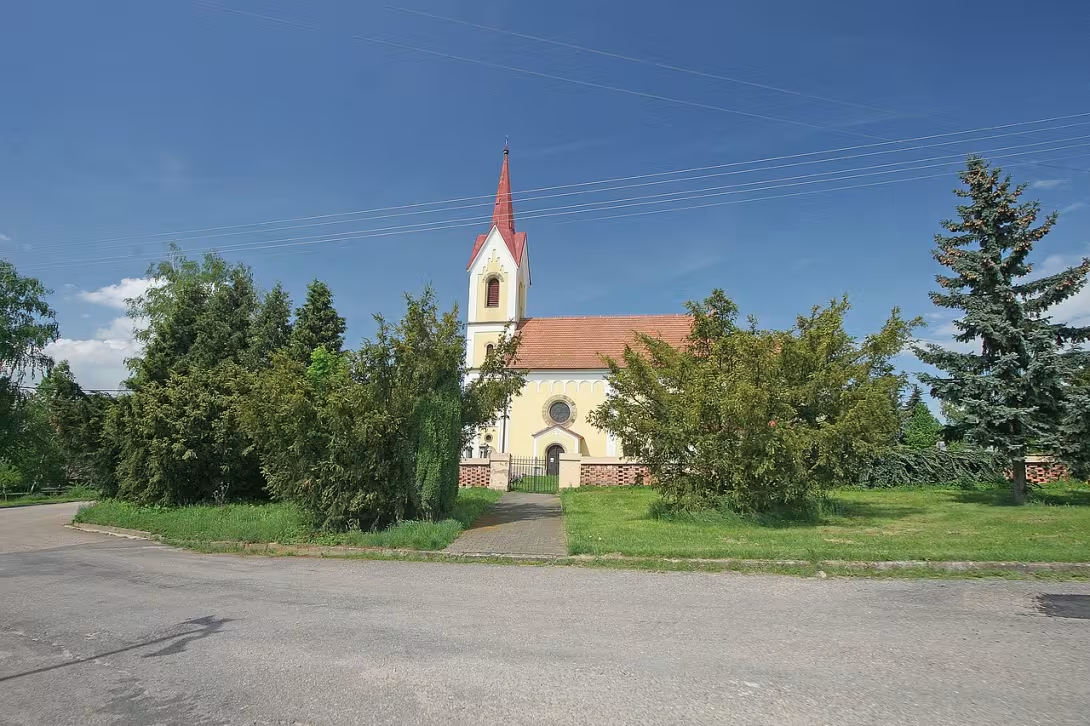

The historical appearance on the left is an AI-generated visualisation and serves as inspiration only.
Historical milestones
- 1709
- Construction of the new baroque church.
- 1818
- Addition of the noble Kinský family crypt to the south side of the church.
- 1882
- Significant renovation in neo-Romanesque style with a new tower added.
Architectural development
Originally built in 1709 as a baroque structure, the Church of Saints Philip and James saw significant changes over the centuries. In 1818, a chapel was added to house the Kinský family crypt. The most notable transformation occurred in 1882 when it was renovated in the neo-Romanesque style, including the addition of a tower that replaced an earlier wooden belfry.
Historical events
1709: The original church was replaced by a new baroque building as part of the Kinskýs' architectural endeavors.
1882: The church underwent significant renovations in the neo-Romanesque style, including the addition of a tower.
2001: Installation of external lighting for the church's tower.
Owners
The Kinský family owned the estate during the construction and subsequent expansions, including the addition of the noble crypt in 1818.
Points of interest
– The Church of Saints Philip and James originally had a wooden belfry before it was replaced in 1882 with a new tower designed by architect Josef Míča. This change not only modernized the structure but also reflected the evolving architectural trends of the time.
– Marie Kristýna Kinská, who initiated the addition of the chapel for her noble crypt, sought healing at the nearby Mlékosrby baths and was devoted to the Virgin Mary. Her personal connection to the site highlights the intertwining of faith, family legacy, and local traditions in the region's history.
– The original organ installed in 1792 by Pavel František Horák underwent an expansion in 1894, enhancing its musical capabilities. This historical instrument adds a unique auditory dimension to the church’s cultural heritage, connecting visitors with the music of past centuries.
– During the Noc kostelů festival in 2014, the Church was opened to the public, allowing people to appreciate its architectural beauty and historical significance. This event underscores the church's role as not only a place of worship but also a cultural landmark open for communal celebration and appreciation.
– The wooden statue of the Virgin Mary on the main altar is believed to possess miraculous healing powers. This belief adds a spiritual layer to the church’s history, drawing visitors who seek both religious inspiration and potential personal blessings.
Guide
This guide is narrated by a synthetic voice generated by artificial intelligence.
Show guide text
This text was created by artificial intelligence and has not been editorially reviewed. It may contain inaccuracies.
Welcome to the historic Church of Saints Philip and James in Mlékosrby. As you stand before this magnificent structure, take a moment to absorb its grandeur—a testament to baroque architecture that has withstood the test of time.
The church was constructed in 1709, during a period when the Kinský family played a pivotal role in shaping the region's landscape through their patronage of village churches. This particular edifice emerged as part of a broader initiative by the Kinskýs to enhance and enrich the spiritual life of their communities. Its creation marked not only an architectural achievement but also reflected the historical influence wielded by this noble family.
As you look around, notice the impressive chapel located on the south side of the church. This sacred space houses the noble Kinský family crypt—a place where generations of the family have been laid to rest. The architecture itself invites admiration; its baroque elements are evident in the intricate details and harmonious proportions that define this structure.
In 1882, the church underwent significant renovations, embracing a neo-Romanesque style that added a new dimension to its appearance. One of the most striking changes was the replacement of the original wooden belfry with a new tower designed by architect Josef Míča. This transformation not only modernized the church but also reflected evolving architectural trends of the era.
The history of this site is intertwined with key figures, notably Marie Kristýna Kinská, whose influence and legacy are etched into its very fabric. Her story adds a layer of intrigue to your visit, inviting you to ponder the lives that have passed through these hallowed halls.
A fascinating aspect of this church is how it encapsulates both continuity and change. The transition from a wooden belfry to a stately tower symbolizes adaptation over centuries while maintaining its core identity as a place of worship and community gathering.
As your visit draws to a close, we invite you to explore further—perhaps take a leisurely walk around the church grounds or delve deeper into the stories that make this site so captivating. Thank you for joining us on this journey through history. May your experience here inspire reflection and discovery as you continue exploring Mlékosrby and beyond.
Frequently asked questions
Can the monument be visited?
Religious buildings are usually open mainly during services; at other times a visit is normally arranged with the parish or the operator. We have not verified specific times.
Where is the monument?
Location: Mlékosrby, Královéhradecký kraj. The map on this page shows the exact spot.
Why is the monument protected?
It is listed in the Central List of Cultural Monuments of the Czech Republic as a cultural monument (register no. 1000122853).
Businesses nearby
Do you run a restaurant, accommodation, shop, museum, rental, wellness or other visitor service near this monument? Show yourself directly to the people heading to it — this is how they will see you in the app and on the web:
Nearby
Located in the village center of Mlékosrby, the church is surrounded by a cemetery. The area features natural landscapes typical of the Královéhradecký region.
Accommodation nearby
Themed route
Thematic Walking Tour: Mlékosrby Village and Church of St. Philip and James
1. Church of St. Philip and James (Kostel svatého Filipa a Jakuba) - Type: Historical Landmark - The church is the centerpiece of this tour, offering visitors a glimpse into the architectural beauty and historical significance of Mlékosrby. Its serene atmosphere provides an excellent starting point for exploring the village's rich cultural heritage.
2. Church Cemetery (Hřbitov u kostela) - Type: Historical Site - Located immediately surrounding the church, this cemetery is a poignant reminder of the village's history and those who have shaped its story over centuries. Walking through it offers a reflective experience, connecting visitors with the past in a quiet, contemplative setting.
3. Village Center (Centrum vesnice Mlékosrby) - Type: Cultural Exploration - Just beyond the church and cemetery lies the heart of Mlékosrby. The village center is characterized by traditional architecture and offers an authentic glimpse into rural life in the Královéhradecký region. It's a perfect spot to appreciate local customs and perhaps engage with residents.
4. Surrounding Natural Landscapes (Přírodní krajina okolí) - Type: Nature Walk - The natural landscapes surrounding Mlékosrby are quintessential of the Královéhradecký region, featuring rolling hills and lush greenery. A gentle walk through these areas allows visitors to immerse themselves in the tranquility and beauty of the countryside, providing a peaceful conclusion to the tour.
This thematic walking tour offers a comprehensive exploration of Mlékosrby's cultural and natural attractions, ensuring an enriching experience for all who visit.
Seasonal recommendations
Spring: Visiting the Church of Saints Philip and James in Mlékosrby during spring offers a refreshing experience as nature awakens around this historical site. The surrounding landscape bursts into vibrant colors with blooming flowers, creating a picturesque setting that enhances the church's serene beauty. The gentle warmth of the sun and longer daylight hours make it an ideal time to explore both indoors and outdoors without feeling rushed. Visitors should be prepared for occasional showers; thus, carrying a light raincoat or umbrella is advisable. Light layers are recommended as temperatures can vary throughout the day.
Summer: Summer in Mlékosrby brings warm weather perfect for exploring the Church of Saints Philip and James at a leisurely pace. The lush greenery surrounding the church provides a tranquil backdrop, making it an ideal time to enjoy outdoor activities nearby. However, this is also peak tourist season, so arriving early can help avoid larger crowds and ensure a more peaceful visit. Comfortable walking shoes and sun protection are essential due to the longer daylight hours and potential for sunny weather.
Autumn: The autumn months offer a unique charm at the Church of Saints Philip and James, with the surrounding landscape adorned in warm hues of red, orange, and yellow. This season provides a cozy atmosphere as cooler temperatures invite visitors to explore the church's interiors more thoroughly while enjoying the scenic beauty outside. It is advisable to wear layers to accommodate fluctuating temperatures throughout the day. The quieter visitor numbers compared to summer make it an excellent time for those seeking a more intimate experience.
Winter: Winter transforms Mlékosrby into a serene and magical setting, with snow often blanketing the area around the Church of Saints Philip and James. This creates a picturesque scene that enhances the church's historic allure. Visitors should dress warmly in layers and consider bringing gloves and hats to stay comfortable during their visit.
Visualizations and artistic views


The visualisations are generated by artificial intelligence and serve as inspiration.
Photos from the area
Real photos taken near the monument


Zdroj a licence jsou uvedeny u každého snímku.
Tips from visitors
No tips yet. Be the first!
Log in and add your tip.
Sources and literature
Photos: Petr1888 / CC BY-SA 3.0 — Wikimedia Commons. The author and licence also appear when you hover over the image.
Faktickým podkladem tohoto textu byl článek na Wikipedii, jehož autory jsou přispěvatelé Wikipedie. Článek je dostupný pod licencí CC BY-SA 4.0.
Location on the map

Příběhy a pověsti
Legendy, pověsti a příběhy spjaté s touto památkou
Příběh: Kostel svatého Filipa a Jakuba (Mlékosrby)
Bylo to v pondělí ráno, kdy Alžběta z Kinských objevila pod okny svého pokojového ložnice temné skvrny vlhkosti a lepenky trní. Zatímco se jí rty sáhly na ot…
Číst příběh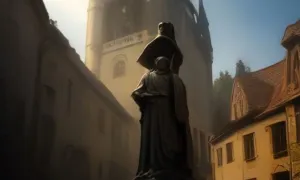
Pověst: Kostel svatého Filipa a Jakuba (Mlékosrby)
Podle místní pověsti přišla ta soška do Mlékosrb způsobem, který nikdo z přítomných nedokázal plně vysvětlit, a přesto se o tom v obci šeptalo ještě dlouhá l…
Číst příběhFotografie návštěvníků
Zatím žádné fotografie. Buďte první, kdo přidá fotografii z návštěvy!
Log in a přidejte svou fotografii nebo hodnoťte.
Za ověřenou návštěvu v aplikaci získáte víc bodů — poznáme podle GPS, že jste na místě.
Reviews and comments