






Kostel svatého Františka z Assisi (Dolní Slivno) Church
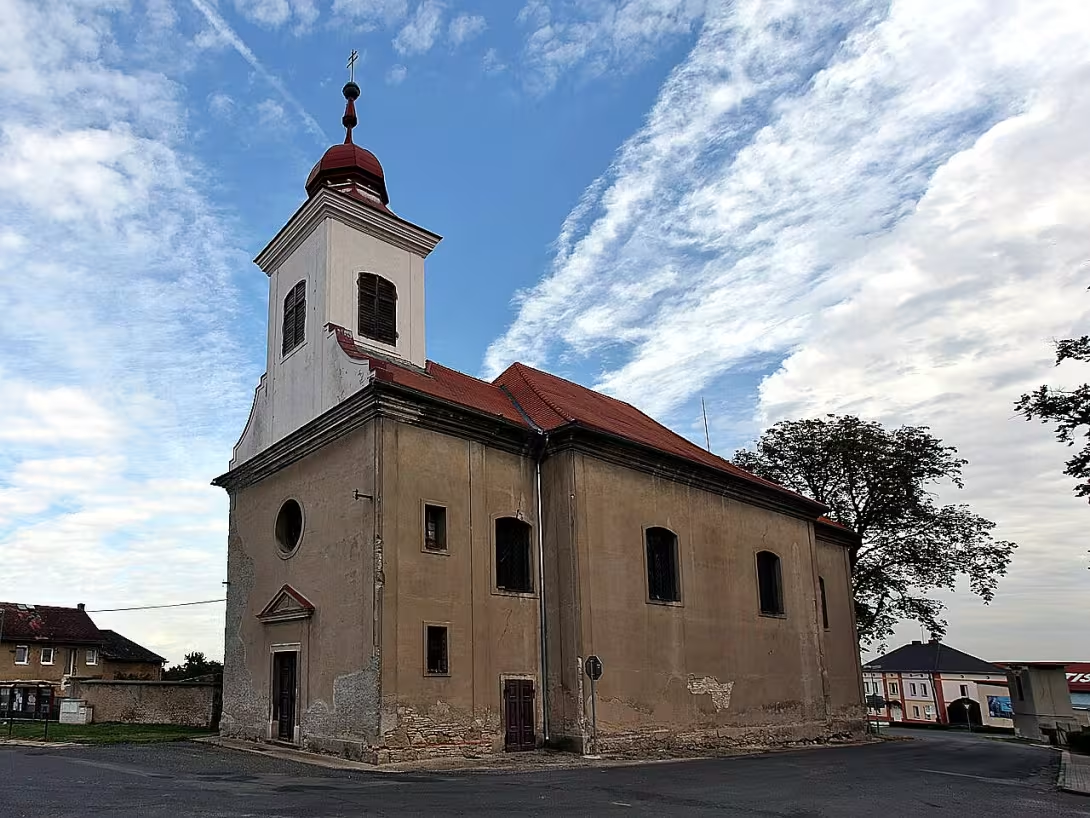
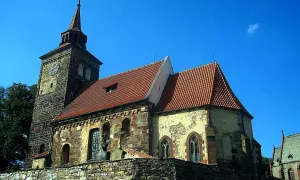
The Church of St. Francis of Assisi in Dolní Slivno is an impressive Baroque structure with significant historical and artistic elements that reflect the region's rich cultural heritage. Situated at the village square's corner, it has been under cultural heritage protection since 1967 due to its architectural significance and historical value. Originally built as a Gothic church, it was transformed into its current form in 1679 and expanded further in 1694. Between 1807-1808, Empirical elements were added, enhancing its architectural diversity.
The origins of the Church date back to when Bohemia was part of the Habsburg Monarchy, during a flourishing period for Baroque culture and architecture influenced by the Catholic Church's Counter-Reformation efforts. The church underwent significant reconstruction in 1679 into its current Baroque form, reflecting artistic trends of that era. By 1694, it had been expanded to meet growing congregational needs. Later, between 1807-1808, Empirical modifications were made, showcasing a blend of architectural styles.
Architecturally, the church features a rectangular single-story design with a western bell tower containing two sets of segmental windows. The presbytery is designed in a right-angle layout, and the interior boasts a vaulted ceiling adorned with lunettes. These elements highlight the transition from Gothic to Baroque architecture, further enriched by Empirical modifications.
The church's artistic features include a main altar painted al fresco, which is a copy of Petr Brandl's work depicting the Crucifixion with Mary Magdalene and St. John. This artwork was donated by Johanna Cavriani, née Novohradská z Kolovrat, in the early 19th century. Additionally, it houses a smaller portrait of St. Francis Seraphicus, signed and dated to 1808 by Josef Bergler. A Renaissance-style pewter baptismal font, transferred from the original church, adds historical depth with its engravings of the Berků z Dubé and Novohradských z Kolovrat families.
Throughout its history, the Church has been under the spiritual administration of the Římskokatolická farnost Dolní Slivno. Its significance is underscored by its designation as a cultural heritage site in 1967, ensuring its preservation for future generations.
Today, the church remains an important cultural and historical landmark in Dolní Slivno. It continues to attract visitors interested in exploring its architectural beauty and artistic treasures. Ongoing restoration efforts ensure that this monument retains its historical integrity while remaining accessible to those who wish to experience a piece of Bohemia's rich past. Visitors are invited to explore the Church of St. Francis of Assisi, where history and art converge in a testament to the region's enduring cultural legacy.
Then and now
Drag the slider to compare how the landmark may have looked when it was built with the view today.
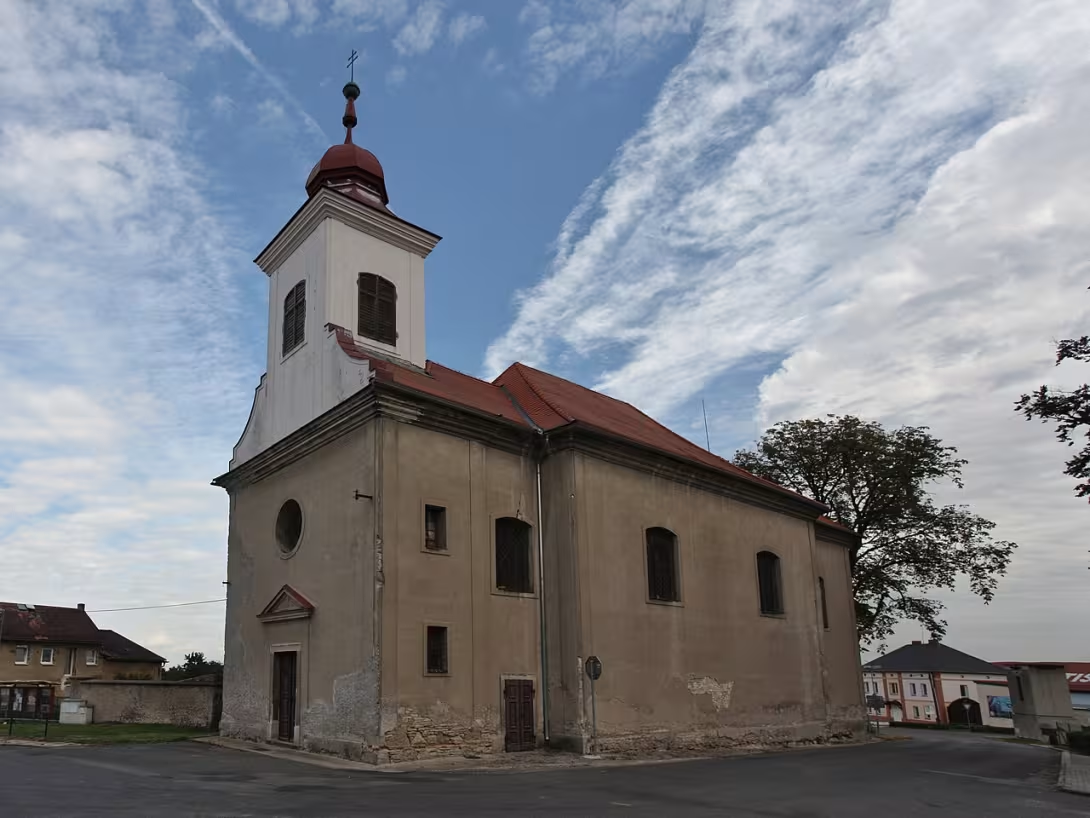

The historical appearance on the left is an AI-generated visualisation and serves as inspiration only.
Historical milestones
- 1967
- The church was designated as a cultural heritage site.
Architectural development
Originally a Gothic structure, the Church of St. Francis of Assisi underwent significant Baroque reconstruction in 1679 and expansion in 1694. It was later modified in an Empirical style between 1807-1808. The church features a rectangular single-story design with a western bell tower and a vaulted ceiling with lunettes.
Historical events
- 1679
- Construction of the current Baroque church began.
- 1694
- The church was expanded.
- 1807
- Empirical modifications were made to the church.
Points of interest
- The Church of St. Francis of Assisi features a main altar that is a replica of Petr Brandl's original work depicting the Crucifixion with Mary Magdalene and St. John, donated by Johanna Cavriani, née Novohradská z Kolovrat, in the early 19th century.
- A unique Renaissance-style pewter baptismal font from the original church is housed within, engraved with the coats of arms of the Berků z Dubé and Novohradských z Kolovrat families, adding historical depth to its interior.
- Between 1807-1808, Empirical architectural elements were incorporated into the church's design, showcasing a blend of styles that reflect the evolving aesthetic preferences of the period.
- The church's transition from Gothic origins in the 14th century to its current Baroque form in 1679 highlights significant shifts in architectural trends influenced by the Catholic Church's Counter-Reformation efforts during Bohemia's time under the Habsburg Monarchy.
- A smaller portrait of St. Francis Seraphicus, signed and dated 1808 by Josef Bergler, is one of the artistic treasures within the church, reflecting the rich cultural heritage that has been preserved through ongoing restoration efforts.
Guide
This guide is narrated by a synthetic voice generated by artificial intelligence.
Show guide text
This text was created by artificial intelligence and has not been editorially reviewed. It may contain inaccuracies.
Welcome to the Church of St. Francis of Assisi in Dolní Slivno—a remarkable Baroque structure that tells a story of transformation and artistry. As you stand before this historical edifice, take a moment to absorb its grandeur. The church's façade exudes an aura of timelessness, inviting you into a narrative woven through centuries.
The origins of this sacred site date back to when it was first constructed as a Gothic church. By 1679, it had been reconstructed into the Baroque style that captivates us today, with further expansions in 1694. The church's architecture reflects significant historical layers, including Empirical modifications carried out between 1807 and 1808. Recognizing its cultural significance, it was designated as a protected heritage site in 1967.
As you explore the Church of St. Francis of Assisi, your eyes are drawn to its architectural details that speak volumes about its storied past. The church's main altar is particularly noteworthy—it houses a replica of Petr Brandl’s original artwork depicting the Crucifixion with Mary Magdalene and St. John. This piece was generously donated by Johanna Cavriani, née Novohradská z Kolovrat, in the early 19th century, adding to the church's rich tapestry of artistry.
The history of this place is further enriched by the contributions of these historical figures—Petr Brandl and Johanna Cavriani. Their involvement adds depth to our understanding of how art and patronage have shaped sacred spaces like this one.
Among its many treasures, a unique Renaissance-style pewter baptismal font stands out as an intriguing feature. This piece invites curiosity about the craftsmanship and traditions that have been preserved within these walls over the centuries.
As you continue your journey through Dolní Slivno, we invite you to delve deeper into the stories embedded in this church's architecture and artistry. Explore its surroundings and let your imagination wander through the epochs it has witnessed. Thank you for visiting, and may your exploration be filled with wonder and discovery.
Frequently asked questions
Can the monument be visited?
Religious buildings are usually open mainly during services; at other times a visit is normally arranged with the parish or the operator. We have not verified specific times.
Where is the monument?
Location: Dolní Slivno, Středočeský kraj. The map on this page shows the exact spot.
Why is the monument protected?
It is listed in the Central List of Cultural Monuments of the Czech Republic as a cultural monument (register no. 36555/2-1548).
Businesses nearby
Do you run a restaurant, accommodation, shop, museum, rental, wellness or other visitor service near this monument? Show yourself directly to the people heading to it — this is how they will see you in the app and on the web:
Accommodation nearby
Themed route
Thematic Vlog Tour: Dolní Slivno
Welcome to a charming journey through the quaint village of Dolní Slivno, where history and culture intertwine in this serene setting. Our tour focuses on exploring the rich heritage surrounding Kostel svatého Františka z Assisi (Dolní Slivno) and its immediate vicinity.
1. Kostel svatého Františka z Assisi - Type: Church - Why Visit? Begin your tour at this stunning church, a testament to the architectural beauty of the region. Its serene ambiance offers a peaceful retreat for reflection and appreciation of its historical significance.
2. Local Village Square - Type: Public Space - Why Visit? Just a short walk from the church, explore the village square where community life thrives. This area provides insight into local traditions and is perfect for capturing picturesque scenes of daily life in Dolní Slivno.
3. Village Heritage Walk - Type: Walking Tour - Why Visit? Embark on a guided walk through the village, discovering charming cottages and historical markers that tell stories of Dolní Slivno's past. This immersive experience connects you with the rich cultural tapestry of this lovely area.
4. Local Artisan Workshop - Type: Cultural Site - Why Visit? Near the church, visit a local artisan workshop to witness traditional crafts being made by skilled artisans. It’s an opportunity to appreciate the craftsmanship and perhaps take home a unique souvenir crafted with love.
This thematic tour offers a glimpse into the heart of Dolní Slivno, blending history, culture, and community in a delightful exploration that is both enriching and inspiring. Enjoy your journey through this charming village!
Seasonal recommendations
Spring: Visiting the Church of Saint Francis of Assisi during spring offers a serene and rejuvenating experience, as nature awakens around Dolní Slivno. The surrounding landscapes are adorned with vibrant wildflowers and lush greenery, creating a picturesque backdrop for your visit. The gentle sunlight bathes the church in a warm glow, enhancing its architectural beauty. This is an excellent time to explore the area's natural trails, which are less crowded than during peak summer months. Visitors should wear comfortable walking shoes and bring a light jacket, as temperatures can be mild but unpredictable.
Summer: Summer at the Church of Saint Francis of Assisi is characterized by long daylight hours and warm weather, making it ideal for extended exploration. The lush greenery around Dolní Slivno provides a refreshing contrast to the historical architecture. While this season attracts more visitors due to its pleasant climate, arriving early in the morning can help you avoid larger crowds. It's advisable to wear breathable clothing, hats, and sunscreen to stay comfortable during your visit. Don't forget to bring water to keep hydrated as you enjoy the vibrant summer atmosphere.
Autumn: Autumn brings a magical transformation to Dolní Slivno with its warm hues of reds, oranges, and yellows enveloping the landscape around the Church of Saint Francis of Assisi. The crisp air and mellow sunlight create an inviting ambiance perfect for photography enthusiasts and nature lovers alike. This season tends to have fewer tourists compared to summer, offering a more tranquil experience. Visitors should dress in layers to accommodate the cooler temperatures and consider bringing a scarf or hat for added warmth during their exploration.
Winter: Winter at the Church of Saint Francis of Assisi offers a unique and enchanting atmosphere as snow blankets Dolní Slivno, transforming the area into a winter wonderland. The church's architecture is beautifully accentuated by the soft light filtering through the falling snowflakes, creating a serene and almost mystical experience. It's also wise to check ahead regarding accessibility, as some paths may be less navigable during heavy snowfall.
Visualizations and artistic views


The visualisations are generated by artificial intelligence and serve as inspiration.
Tips from visitors
No tips yet. Be the first!
Log in and add your tip.
Sources and literature
Photos: che (Please credit as "Petr Novák, Wikipedia" in case you use this outside Wikimedia projects.) / CC BY-SA 3.0 — Wikimedia Commons. The author and licence also appear when you hover over the image.
Location on the map

Příběhy a pověsti
Legendy, pověsti a příběhy spjaté s touto památkou
Příběh: Kostel svatého Františka z Assisi (Dolní Slivno)
Bylo to v pondělí ráno, kdy Jakub, místní obchodník z Dolního Slivna, se sotva dokázal probudit ze svého polohospodaření. Kotel dýmal nad hořícími uhlíky, al…
Číst příběh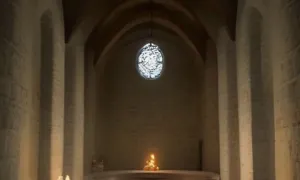
Pověst: Kostel svatého Františka z Assisi (Dolní Slivno)
Traduje se, že v Dolním Slivně se uchovává vzpomínka na dobu dávno minulou prostřednictvím jediného předmětu, který přežil věky nezlomen – staré cínové křtit…
Číst příběhFotografie návštěvníků
Zatím žádné fotografie. Buďte první, kdo přidá fotografii z návštěvy!
Log in a přidejte svou fotografii nebo hodnoťte.
Za ověřenou návštěvu v aplikaci získáte víc bodů — poznáme podle GPS, že jste na místě.
Reviews and comments