






Kostel svatého Gotharda (Potěhy) Church
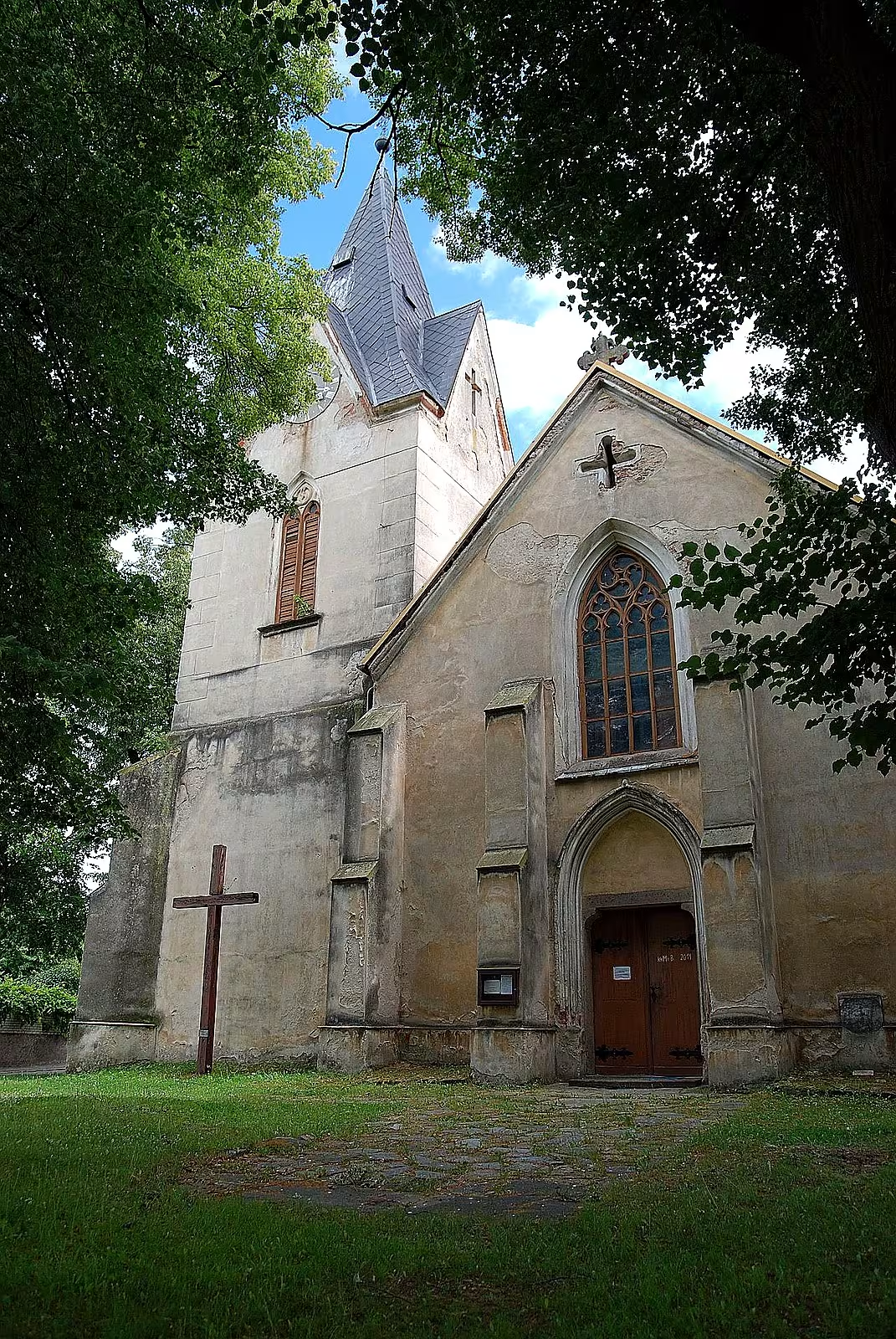
The Church of Saint Gothard in Potěhy is a remarkable historical monument showcasing centuries of architectural evolution from Gothic to Baroque and Neo-Gothic styles. Situated in Potěhy, within Kutná Hora district of Středočeský kraj, this church features unique elements like tower clocks and windows above vaults, marking it as an important cultural site. Its history reflects significant transformations over centuries, with origins dating back to the 13th century.
The earliest mention of the Church of Saint Gothard is in a document by Czech King Václav I from 1242, indicating Potěhy was already recognized as a parish at that time. The first documented reference to the church itself appears in 1268, describing it as an early Gothic structure with an east-oriented presbytery covered with cross-ribbed vaulting supported by stone ribs. This initial construction remained largely unchanged from the 14th to 16th centuries and served under a Hussite pastor.
The church underwent significant transformations in the 17th century. By the late 16th or early 17th century, a sacristy was added to the presbytery's north side, featuring a portal with a straight profiled Renaissance cornice as its oldest surviving detail. In 1627, ownership of the village changed hands when it was sold to Maria Magdalena Trčková, née Lobkovicová. Following confiscation by the emperor in 1636 and transfer to General Marshal Arnošt de Suis, a major reconstruction occurred between 1642 and 1659. This early Baroque renovation expanded both the nave and presbytery, introduced vaulted arcades supported by three massive pillars, and transformed the former presbytery into a chapel dedicated to the Virgin Mary.
The church faced another pivotal moment in the 19th century when it was rebuilt after being destroyed by fire in 1807. The reconstruction included new plans for a two-story sacristy with an oratory on the upper floor, as well as modifications proposed by architect František Schmoranz in 1873. These changes introduced Neo-Gothic elements such as latticed window tracery and profiled mullions, along with additional structural features like double-tiered external pillars around the church.
Ownership of the church has seen notable figures over its history, including Czech King Václav I, Maria Magdalena Trčková, and General Marshal Arnošt de Suis. Key events include its first mention in 1242, early Baroque reconstruction from 1642 to 1659, and rebuilding after a fire in 1807.
Today, the Church of Saint Gothard stands as a testament to its rich history and architectural significance. Its unique features, such as tower clocks on gable roofs and windows extending over vaults, add to its distinctiveness. Visitors can appreciate not only its historical value but also its role in reflecting cultural transformations that have shaped this region. The church remains an accessible site worth visiting for those interested in exploring the architectural heritage of Bohemia.
Then and now
Drag the slider to compare how the landmark may have looked when it was built with the view today.
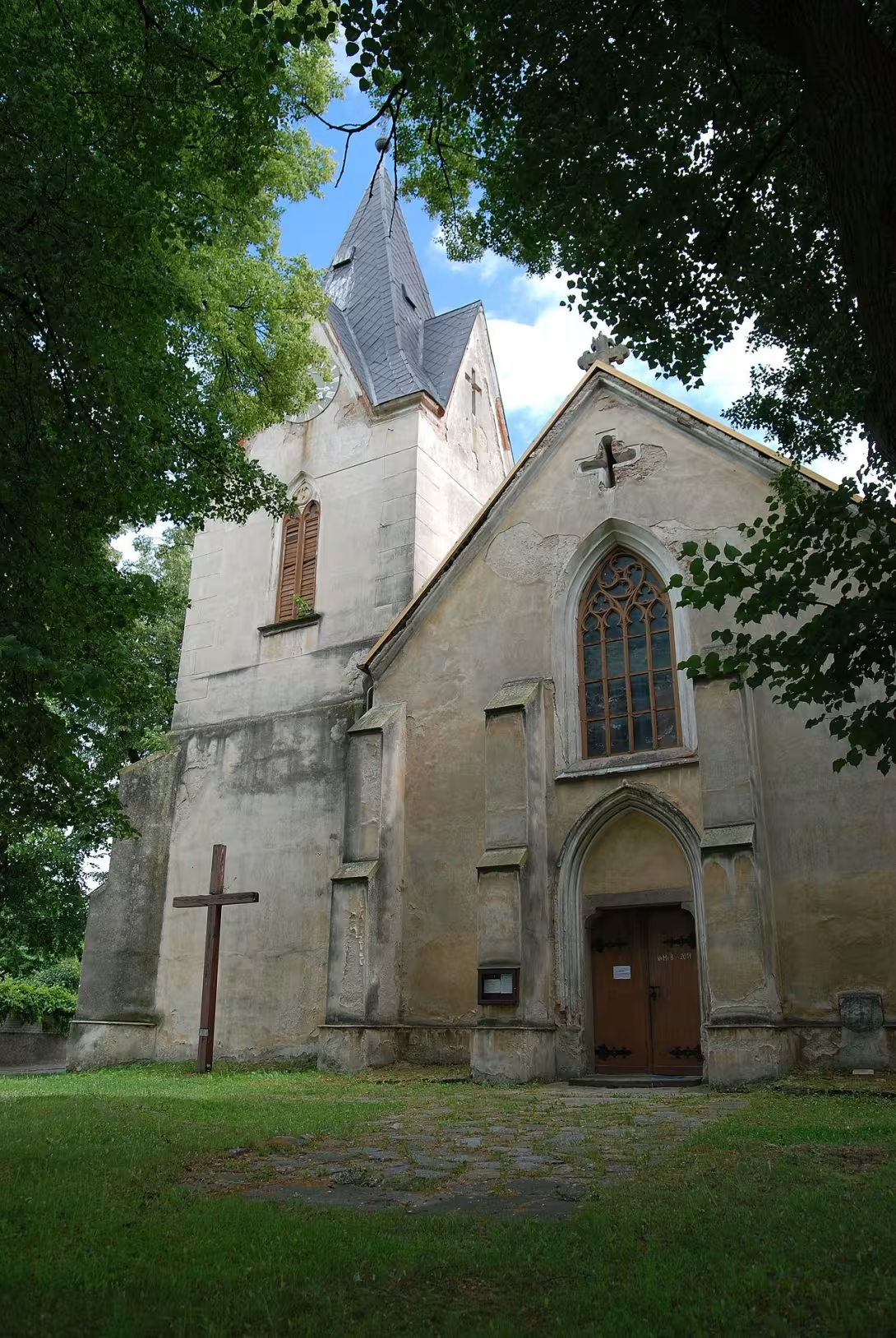

The historical appearance on the left is an AI-generated visualisation and serves as inspiration only.
Historical milestones
- 1268
- First mention of an early Gothic church.
- 1642-1659
- Early Baroque reconstruction and expansion.
- 1807
- Rebuilding after a fire.
Architectural development
The Church of Saint Gothard began as a simple early Gothic structure in the 13th century. It underwent significant Baroque reconstruction between 1642 and 1659, expanding its nave and presbytery. In the 19th century, it was rebuilt after a fire and later modified with Neo-Gothic elements by architect František Schmoranz.
Historical events
- 1242
- First mention of the church in a document by Czech King Václav I.
- 1642-1659
- Early Baroque reconstruction and expansion of the church.
- 1807
- The church was rebuilt after being burned down in a fire.
Owners
- 1242
- before 1627
- after 1636
Points of interest
- The Church of Saint Gothard's tower clocks are a rare feature for churches in the region, adding to its architectural uniqueness and historical charm.
- Despite undergoing significant transformations over centuries, the church retained elements like cross-ribbed vaulting from its original Gothic design, showcasing an intriguing blend of styles.
- In 1627, Maria Magdalena Trčková became a notable owner of Potěhy village, marking a pivotal moment in the church's history with subsequent ownership changes influencing its architectural evolution.
- The early Baroque reconstruction between 1642 and 1659 introduced vaulted arcades supported by massive pillars, reflecting the influence of General Marshal Arnošt de Suis on the church’s design during his ownership.
- Architect František Schmoranz's proposals in 1873 led to Neo-Gothic modifications such as latticed window tracery and double-tiered external pillars, illustrating a revivalist trend that sought to echo medieval styles.
Guide
This guide is narrated by a synthetic voice generated by artificial intelligence.
Show guide text
This text was created by artificial intelligence and has not been editorially reviewed. It may contain inaccuracies.
The Church of Saint Gothard stands in Potěhy near Čáslavi. The village is first mentioned in twelve forty-two in a document issued by King Václav the First, and it was already a parish at that time. The first record of the early Gothic church dates from twelve sixty-eight. It had a presbytery oriented approximately towards the east, vaulted with a cross vault with stone ribs, and a nave that was ten point six metres long. From the fourteenth to the sixteenth century, the building remained unchanged. In the sixteenth century, priests of the utraquist faith served here.
At the end of the sixteenth or beginning of the seventeenth century, a sacristy was added on the northern side, built from the start as a gallery. The small portal leading into it with a Renaissance cornice is the oldest preserved detail of the church. In sixteen twenty-seven, the village was purchased by Marie Magdalena Trčková, born Lobkovicová. In sixteen thirty-six, the Trčka family's property was confiscated and the emperor gave it to the generalissimo Ernst de Suis. He began to restore the church, which was likely abandoned during the war. Between sixteen forty-two and sixteen fifty-nine, an early Baroque reconstruction took place. The side walls of the nave were torn down and a wider nave with a new presbytery was created. The gallery is supported by a stone arcade on three massive pillars. The old presbytery became the Chapel of the Virgin Mary, and a tower grew over the sacristy. Filled-in loopholes in the tower show that the church could be fortified. The completion of the reconstruction was commemorated by a bell from sixteen fifty-nine.
In eighteen oh-seven, the village burned down along with the church. It was restored the very next year and the construction plans were preserved. A second bell bore the date eighteen oh-seven. A new two-storey sacristy with an oratory on the upper floor was built on the east side of the presbytery. In eighteen seventy-three, the architect František Schoranz renovated the church. The windows received broken vaults and neo-Gothic surrounds. Interestingly, some windows extend across the vaults and ceilings. External buttresses were added around the building and the roof above the presbytery was changed from a gabled roof to a sloping roof. Repairs in nineteen twelve and nineteen thirteen were merely for maintenance purposes. At the end of the twentieth century, the interior was repainted.
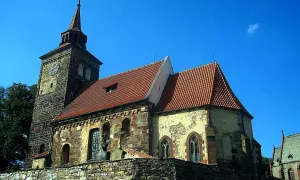
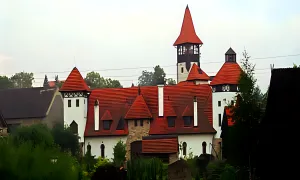
The church occupies the southern part of the village square, and opposite it stands the rectory. The three-sided presbytery has a fan vault on ribs springing from consoles, the nave has a flat ceiling, and the gallery is barrel-vaulted. The tracery of the windows consists of nuns, flamelets, trefoils, and in the nave also radiating rosettes. The roof of the tower is formed by four gables. The northern and southern ones have clocks, the eastern one supports the bells, and the western one has an opening in the shape of a cross. In the middle of the gabled wall of the façade is a recessed portal with a tympanum.
Tips for visitors
The Church of Saint Gothard in Potěhy is best visited during the late spring to early autumn months, particularly from May to September. During this period, the weather is typically pleasant, allowing visitors to fully appreciate the church's architectural details and its surrounding natural beauty. The lighting conditions are ideal for photography, especially during the golden hours of sunrise and sunset when the sunlight enhances the textures and colors of the building.
When visiting the Church of Saint Gothard, it's recommended to bring comfortable walking shoes as you may explore the surrounding area on foot. A camera is also advisable for capturing the intricate details of the church’s architecture. Additionally, carrying a light jacket or sweater can be useful in case of sudden weather changes, especially during cooler months.
For photography enthusiasts, some of the best spots to capture the Church of Saint Gothard include the front facade and the tower clocks, which are particularly striking when lit by natural sunlight. The windows above offer unique patterns that create interesting shadows on sunny days. Early morning or late afternoon light can provide a softer glow that highlights the church's Gothic features.
For families with children visiting the Church of Saint Gothard, consider planning some time to explore nearby attractions within a 30-minute drive. These could include local parks or nature trails where children can enjoy outdoor activities. Additionally, engaging children in a scavenger hunt around the church grounds might make the visit more interactive and enjoyable for them.
Frequently asked questions
Can the monument be visited?
Religious buildings are usually open mainly during services; at other times a visit is normally arranged with the parish or the operator. We have not verified specific times.
Where is the monument?
Location: Potěhy, Středočeský kraj. The map on this page shows the exact spot.
Why is the monument protected?
It is listed in the Central List of Cultural Monuments of the Czech Republic as a cultural monument (register no. 30875/2-1148).
Businesses nearby
Do you run a restaurant, accommodation, shop, museum, rental, wellness or other visitor service near this monument? Show yourself directly to the people heading to it — this is how they will see you in the app and on the web:
Events nearby
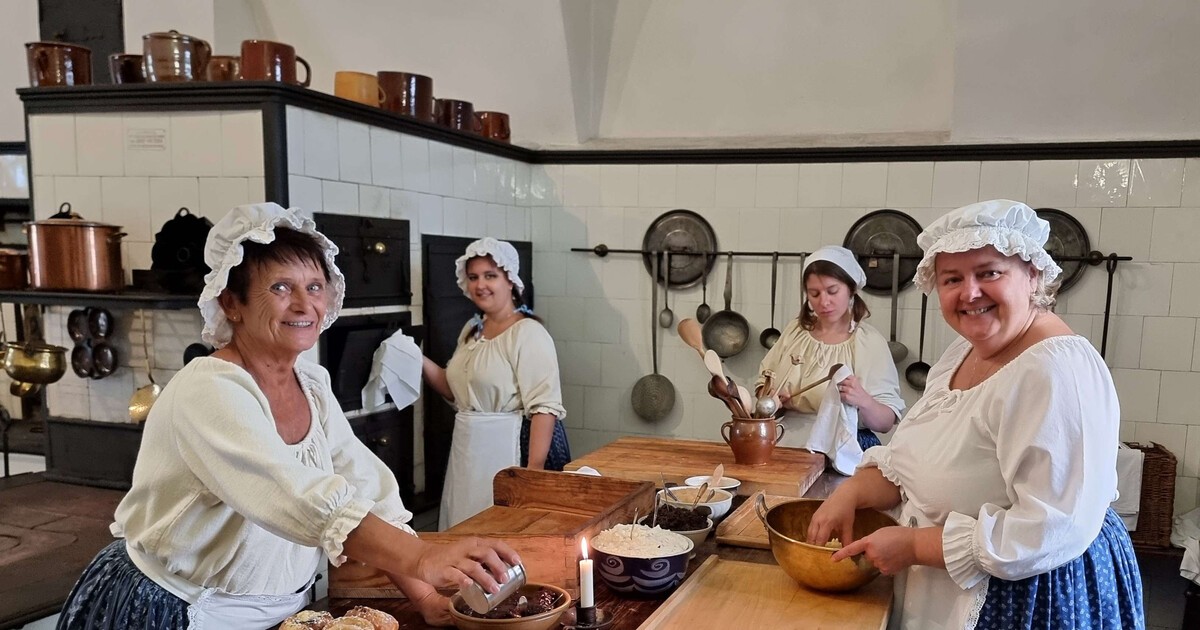
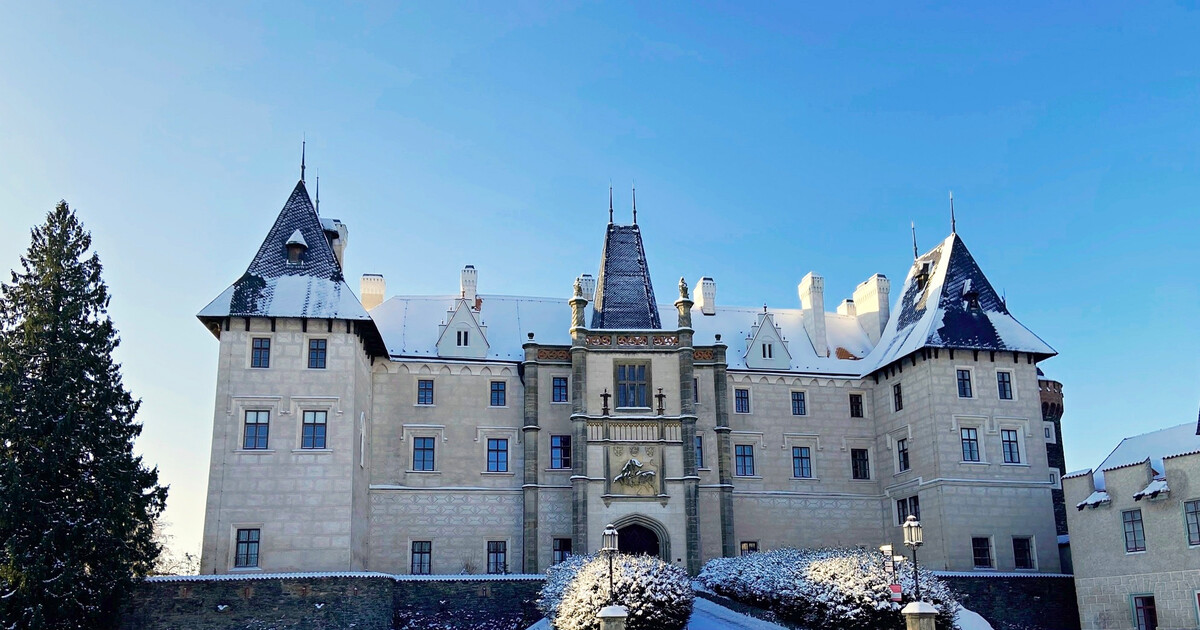
Zdroj akcí: otevřená data měst a obcí ČR (Národní katalog otevřených dat) a kalendář akcí Národního památkového ústavu.
Nearby
The church is situated in the center of Potěhy village, surrounded by farmland and natural features.
Accommodation nearby
Trips and activities nearby
Guided tours, tickets and activities nearby from GetYourGuide
Affiliate link: if you buy from the partner, we may receive a commission. The price for you does not change.
Search tours and activities →Themed route
Thematic Walking Tour: Potěhy and the Church of Saint Gothard
1. Church of Saint Gothard (Potěhy)**
Type: Historical Landmark
Why Visit: Begin your journey at this stunning example of Gothic architecture, which dates back to the 14th century. The church is renowned for its intricate stonework and serene atmosphere, offering a glimpse into the region's rich religious history.
2. Potěhy Village Square**
Type: Cultural Site
Why Visit: Just outside the church, explore the charming village square of Potěhy. This area provides insight into traditional Czech village life with its quaint cottages and communal spaces that have been part of local heritage for centuries.
3. Potěhy Village Trails**
Type: Scenic Walk
Why Visit: Stroll along the scenic trails surrounding Potěhy, which offer picturesque views of rolling landscapes typical of the Central Bohemian Region. These paths are perfect for a leisurely walk to appreciate nature and reflect on the village's tranquil beauty.
This tour offers an immersive experience into the historical and cultural essence of Potěhy, centered around its iconic church and charming village surroundings.
Seasonal recommendations
Spring: Visiting the Church of Saint Gothard during spring offers a serene experience as nature awakens, with blossoming trees and wildflowers adding a picturesque backdrop to the historic architecture. The soft, diffused sunlight enhances the church's intricate details, creating an inviting atmosphere for exploration. Spring is generally less crowded than summer, making it ideal for those seeking a more tranquil visit. Visitors should wear comfortable walking shoes as paths may be damp from spring showers, and carrying a light jacket can provide warmth during cooler mornings or evenings.
Summer: Summer brings vibrant energy to the Church of Saint Gothard with longer daylight hours allowing ample time to explore both the church's interior and its surrounding landscapes. The lush greenery and warm sunlight create an idyllic setting for photography enthusiasts. However, this is also the peak tourist season, so it’s advisable to arrive early in the day to avoid larger crowds. Light, breathable clothing is recommended along with sunscreen and a hat to stay comfortable under the sun.
Autumn: Autumn transforms the Church of Saint Gothard into a stunning canvas of warm colors as leaves turn shades of orange, red, and gold. The cooler temperatures make for pleasant strolls around the area, while the soft autumn light adds a cozy glow to the church's façade. This season is less crowded than summer, offering a more relaxed visit. Visitors should dress in layers to adjust comfortably to fluctuating temperatures throughout the day.
Winter: Winter cloaks the Church of Saint Gothard in a quiet, snow-covered stillness that enhances its historic charm. The muted colors and soft light create a magical atmosphere, perfect for capturing unique photographs. It's essential to wear warm clothing, including gloves and a hat, and consider bringing boots with good traction if snow is present.
Visualizations and artistic views


The visualisations are generated by artificial intelligence and serve as inspiration.
Tips from visitors
No tips yet. Be the first!
Log in and add your tip.
Sources and literature
Photos: Stanislav Jelen / CC BY-SA 3.0 — Wikimedia Commons. The author and licence also appear when you hover over the image.
Location on the map
Fotografie návštěvníků
Zatím žádné fotografie. Buďte první, kdo přidá fotografii z návštěvy!
Log in a přidejte svou fotografii nebo hodnoťte.
Za ověřenou návštěvu v aplikaci získáte víc bodů — poznáme podle GPS, že jste na místě.
Reviews and comments