






Kostel svatého Havla (Rasochy) Church
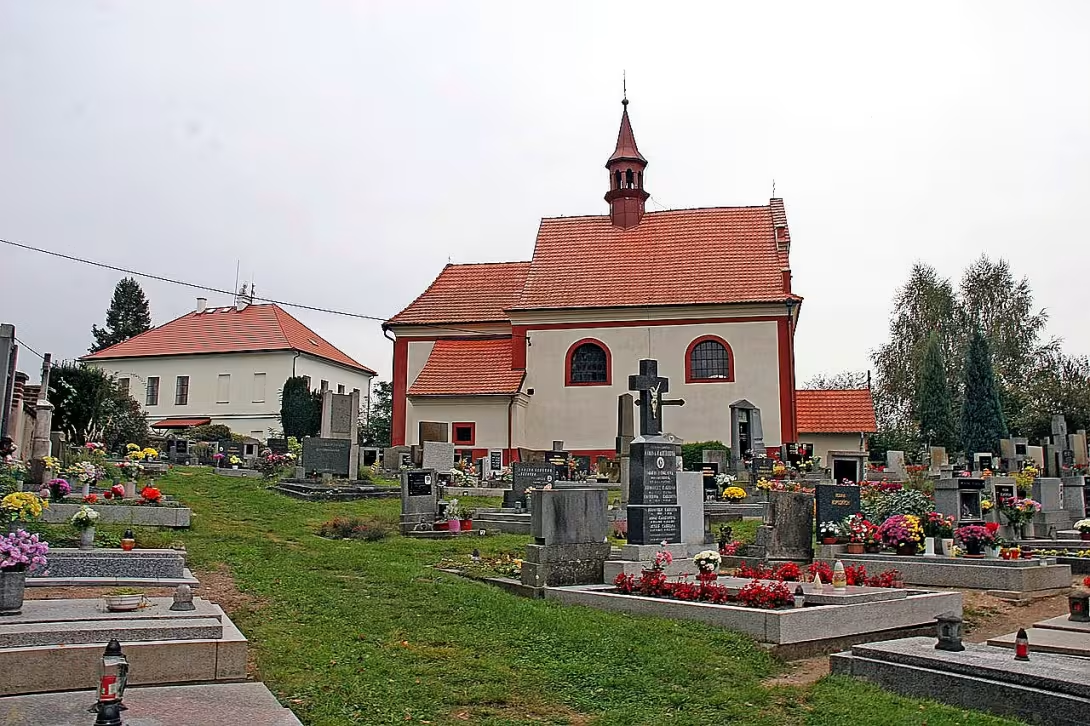
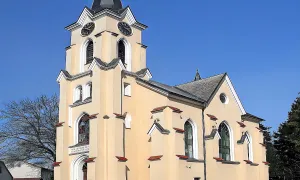
The Church of Saint Wenceslas in Rasochy is an early Baroque village church built in 1680. Situated in Rasochy, Středočeský kraj, it stands out for its historical significance and architectural style. Initially recorded as a Gothic structure under Rožmberk patronage in 1354, it was reconstructed by František Oldřich Kinský, then owner of Chlumec nad Cidlinou. The church has faced significant events, including fire damage in the 1960s and comprehensive reconstruction from 2005 to 2007. Recognized as a cultural monument since 1987, it offers insights into the architectural evolution and historical narratives of the region.
The Church first appeared in records as a Gothic structure under Rožmberk patronage in 1354. By the late 17th century, Bohemia was part of the Habsburg Monarchy, experiencing cultural shifts influenced by Baroque styles. Noble families like the Kinskýs played crucial roles in shaping local architecture during this period. František Oldřich Kinský commissioned its reconstruction into an early Baroque form in 1680, reflecting his influence and contemporary architectural trends.
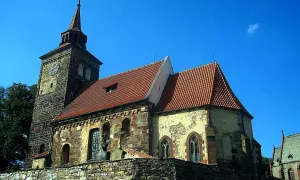
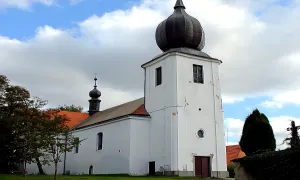
Architecturally, the Church exemplifies typical village design from the Chlumec estate. It features a single-nave structure with a cross-vaulted presbytery. The western facade is divided by a horizontal cornice into two levels, with an added simple porch and a rectangular sacristy in the northeast corner. The nave's roof is gabled, while the presbytery has a saddle roof. These elements highlight its adaptation to local architectural norms and transformation under Baroque influence.
Ownership transitioned from Rožmberk patronage to František Oldřich Kinský during its 1680 reconstruction. This change marked a significant shift, as Kinský's investment restored and redefined the church’s architectural identity. The church has since remained an integral part of Rasochy's cultural heritage.
Throughout its history, the Church has witnessed several key events and curiosities. It suffered fire damage in the 1960s, necessitating restoration efforts. In the 1990s, thefts led to the loss of valuable altars and sculptures dating back to around 1721. Despite these challenges, it retains its historical essence, with notable features such as a painting of Saint Teresa on the nave's ceiling by local artist pan Věříš.
Today, the Church stands as a testament to resilience and cultural heritage. It is accessible to visitors who wish to explore its rich history and architectural beauty. Its proximity to a 19th-century parish house within an enclosed cemetery adds historical ambiance. Visitors are invited to appreciate this remarkable monument, reflecting artistic and cultural developments of its time while continuing to be a cherished landmark in Rasochy.
Then and now
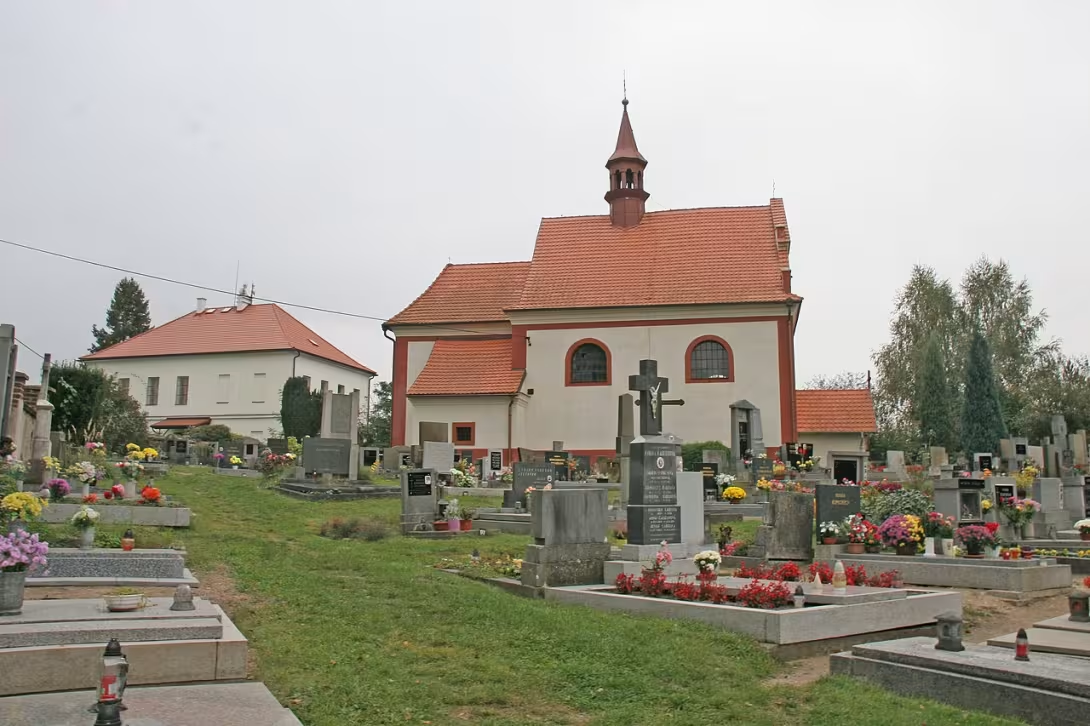
Drag the slider to compare how the landmark may have looked when it was built with the view today.
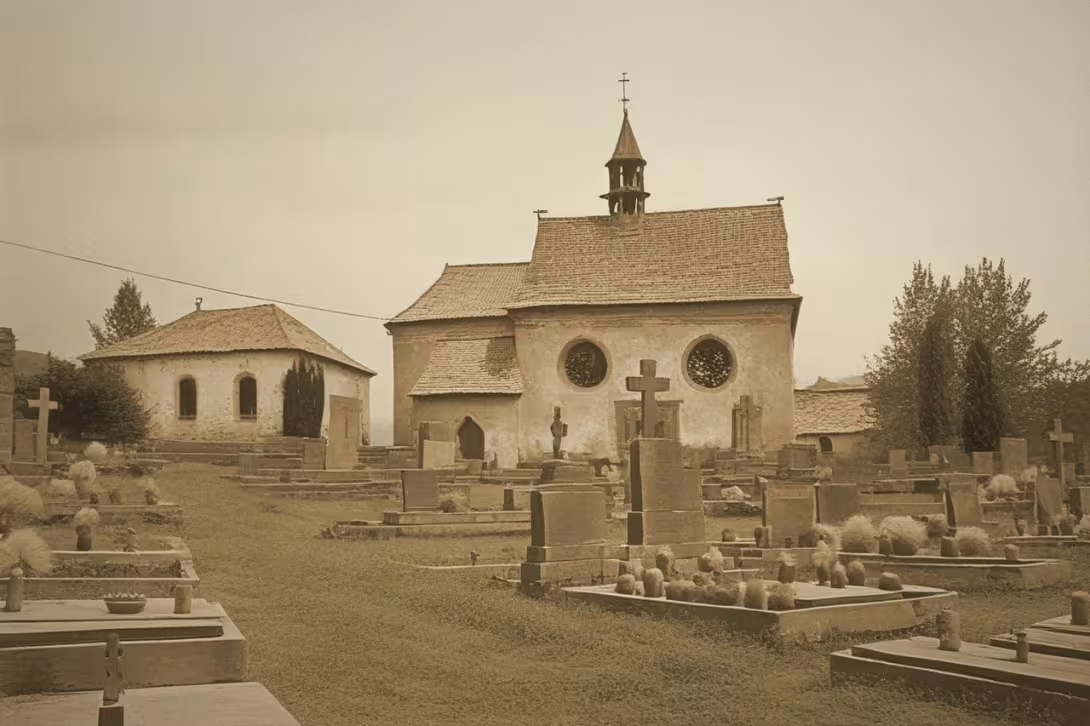
The historical appearance on the left is an AI-generated visualisation and serves as inspiration only.
Historical milestones
- 1354
- Church first recorded as a Gothic structure under Rožmberk patronage.
- 1680
- Reconstructed into an early Baroque form by František Oldřich Kinský.
- 1960
- Church suffered fire damage, leading to restoration efforts.
- 1987
- Recognized as a cultural monument.
- 2005
- Comprehensive reconstruction of the church began and completed in 2007.
Architectural development
The church features typical village architecture from the Chlumec estate with a single-nave design and cross-vaulted presbytery. Its western facade is divided by a horizontal cornice into two levels, with a simple porch added later. The roof of the nave is gabled, while the presbytery has a saddle roof. A rectangular sacristy was added to the northeast corner.
Historical events
1354: First mentioned as a Gothic church under Rožmberk patronage.
1680: Rebuilt into an early Baroque style by František Oldřich Kinský.
1960s: Damaged by fire, leading to significant restoration efforts.
1987: Listed as a cultural monument of the Czech Republic.
Owners
Originally under Rožmberk patronage, later owned by František Oldřich Kinský during its Baroque reconstruction in the late 17th century.
Points of interest
- The Church of Saint Wenceslas was originally a Gothic structure before its transformation into an early Baroque church in 1680, reflecting the architectural shift influenced by the Habsburg Monarchy's cultural changes during that era.
- Despite suffering fire damage in the 1960s and experiencing thefts in the 1990s, which led to the loss of valuable altars and sculptures from around 1721, the church has maintained its historical essence through continuous restoration efforts.
- The ceiling painting of Saint Teresa by local artist pan Věříš is a unique feature that adds artistic value to the church, showcasing regional talent and contributing to the church's cultural narrative.
- Ownership transitioned from Rožmberk patronage to František Oldřich Kinský during its 1680 reconstruction, marking a significant shift in influence and architectural identity for the church within Rasochy.
- The proximity of the church to a 19th-century parish house within an enclosed cemetery adds historical ambiance, enhancing the cultural heritage experience for visitors exploring this remarkable monument.
Guide
This guide is narrated by a synthetic voice generated by artificial intelligence.
Show guide text
This text was created by artificial intelligence and has not been editorially reviewed. It may contain inaccuracies.
Rasochy is a village that belongs to Uhlířská Lhota. Its early Baroque church of Saint Havel was built in 1680. The construction was paid for by František Oldřich Kinský, who was the owner of the Chlumec nad Cidlinou estate at that time.
However, a church had stood here before. The first mention of it dates from 1354 and refers to a Gothic building under the patronage of the Rožmberk family. So today's Baroque appearance is a younger layer built on top of an older tradition.
The church has a layout that is typical for village churches on the Chlumec estate. It is single-nave and has no tower. The nave has a flat ceiling, while the presbytery is vaulted with a cross vault. The western façade is dominated by a gable, which is divided into two levels by a horizontal cornice. The lower part has wavy edges, the upper part is triangular. Later, a simple porch was added to the façade. A rectangular sacristy was built in the northeast corner between the nave and the presbytery. The nave is covered with a saddle roof with a sanctus bell opening, the presbytery with a hip roof. Right next to the church stands a rectory from the nineteenth century.
The interior is very simple. On the western side there is a wooden gallery. On the flat ceiling of the nave there is a painted image of Saint Theresa in the emblem of a cross. It was created by the painter Věříš from Uhlířská Lhota.
The church's furnishings were significantly impoverished by thefts in the nineteen nineties. The altars of the Virgin Mary and Saint Joseph from around 1721, apparently by František Martin Katterbauer, disappeared, as did the angels' statues from the main altar by the same artist. A scrolled altar from around 1710 remained, also a work by Katterbauer. In its main part is an image of Saint Havel from 1898. In the upper section hangs a copy of a Baroque painting of Saint Mary Magdalene. The original has been missing since the thefts.
In the sanctus bell opening hang two bells. The older one from 1705 no longer works. The newer one was cast in 2007 in the workshop of Mrs. Ditrichová-Vránová in Brodek u Přerova.
A wooden bell tower once belonged to the church, as was customary on the Chlumec estate. It had the shape of a prism and stood in the fence around the church cemetery. At the end of the nineteen sixties it burned down in a fire that started when grass was being burned. The fire also destroyed a bell from 1560. Its remains are stored in the church along with a charred beam, because the fire in the nineteen sixties also damaged the church itself.
In 1987, the church was registered as a cultural monument. Between 2005 and 2007, it underwent complete reconstruction.
Frequently asked questions
Can the monument be visited?
Religious buildings are usually open mainly during services; at other times a visit is normally arranged with the parish or the operator. We have not verified specific times.
Where is the monument?
Location: Rasochy, Středočeský kraj. The map on this page shows the exact spot.
Why is the monument protected?
It is listed in the Central List of Cultural Monuments of the Czech Republic as a cultural monument (register no. 32428/2-843).
Businesses nearby
Do you run a restaurant, accommodation, shop, museum, rental, wellness or other visitor service near this monument? Show yourself directly to the people heading to it — this is how they will see you in the app and on the web:
Nearby
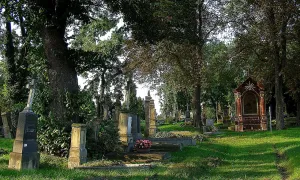
Adjacent to a 19th-century parish house, the church is situated within a cemetery surrounded by an enclosure typical of village churches from the Chlumec estate.
Accommodation nearby
Trips and activities nearby
Guided tours, tickets and activities nearby from GetYourGuide
Affiliate link: if you buy from the partner, we may receive a commission. The price for you does not change.
Search tours and activities →Themed route
Tematická Výletní Trasa: Kostel svatého Havla v Rasochy
1. Kostel svatého Havla (Rasochy)
Typ: Historická památka
Proč stojí za návštěvu: Tento barokní kostel, postavený v 18. století, je centrem duchovního života obce Rasochy a přitahuje návštěvníky svou architektonickou krásou a historickým významem. Jeho umístění u hřbitova dodává míru a klidu, což je ideální pro ty, kteří chtějí uplynout čas s úctou a reflexí.
2. Hřbitov
Typ: Kulturní památka
Proč stojí za návštěvu: Hřbitov kolem kostela svatého Havla je významný pro své historické pohřební pomníky a starobylé kříže, které představují bohatou kulturní tradici oblasti. Prozkoumáním hřbitova můžete objevit zajímavé epitafy a památníky, které vyprávějí příběhy minulých generací.
3. 19. století farní dům
Typ: Historický architektonický objekt
Proč stojí za návštěvu: Tento elegantní farní dům, postavený v 19. století, sloužil jako centrum komunity a administrativní sídlo místního faráře. Jeho architektura reflektuje historické změny oblasti a poskytuje vhled do života duchovenstva v minulosti. Navštívit tento objekt je cenným způsobem, jak se dozvědět více o místní historii a kultuře.
4. Ohrada kolem hřbitova
Typ: Kulturní památka
Proč stojí za návštěvu: Ohrada, která obklopuje kostel a hřbitov, je typickým příkladem architektury z Chlumec panství. Je to nejen ochranná struktura, ale také vizuální prvek, který zdůrazňuje historickou hodnotu celého areálu. Prozkoumáním této ohrady si můžete všimnout detailů a technik použitých při jejím stavbě.
5. Vnitřek kostela svatého Havla
Typ: Náboženský interiér
Proč stojí za návštěvu: Vnitrní prostor kostela je bohatě zdobený barokními prvky, včetně oltářů a soch. Prohlídka poskytuje nejen estetické potěšení, ale také hlubší pochopení náboženských tradic a uměleckého dědictví oblasti. Je to ideální místo pro ty, kteří hledají klidnou atmosféru a možnost reflektovat.
Tato trasa nabízí komplexní pohled na historický a kulturní význam obce Rasochy, zaměřením se na hlavní památku a její okolí.
Seasonal recommendations
Spring: Visiting the Church of St. Hubertus in Rasochy during spring offers a refreshing experience as nature awakens from its winter slumber. The surrounding landscape is adorned with vibrant blossoms and lush greenery, creating an idyllic setting that enhances the church's historical charm. As daylight hours lengthen, the soft morning light beautifully illuminates the architecture, casting gentle shadows that accentuate intricate details. This time of year often sees fewer visitors, making it ideal for a peaceful exploration. To fully enjoy your visit, consider wearing comfortable walking shoes and bringing a light jacket in case temperatures drop unexpectedly.
Summer: Summer is the peak season to explore the Church of St. Hubertus, with warm weather inviting outdoor activities around Rasochy's scenic surroundings. The church benefits from extended daylight hours, allowing visitors to appreciate its architecture under the bright sun or during enchanting evening twilight. This period often attracts larger crowds, especially during weekends and holidays, so it's advisable to arrive early in the day to avoid long queues. Dress comfortably in light clothing, and don't forget a hat and sunscreen for protection against the summer sun.
Autumn: Autumn brings a magical transformation to Rasochy with its warm hues of reds, oranges, and yellows painting the landscape around the Church of St. Hubertus. The cooler temperatures make it an ideal time for leisurely walks through the picturesque surroundings while enjoying the crisp air and changing foliage. As daylight gradually shortens, the church is beautifully lit by the soft glow of early morning or late afternoon sun, creating a serene atmosphere perfect for photography enthusiasts. Visitors should dress in layers to accommodate fluctuating temperatures and consider bringing an umbrella as autumn rains can be frequent.
Winter: Winter offers a unique charm to the Church of St. Hubertus, with its snow-covered surroundings providing a picturesque backdrop that enhances the church's historical allure. The shorter days mean visits are best planned for midday when natural light is at its peak, illuminating the interior and exterior features in a soft glow. This season often sees fewer visitors, allowing for a more intimate experience. It's crucial to dress warmly with layers, including a hat and gloves, as temperatures can be quite chilly.
Visualizations and artistic views


The visualisations are generated by artificial intelligence and serve as inspiration.
Photos from the area
Real photos taken near the monument


Zdroj a licence jsou uvedeny u každého snímku.
Tips from visitors
No tips yet. Be the first!
Log in and add your tip.
Sources and literature
Photos: Petr1888 / CC BY-SA 4.0 — Wikimedia Commons. The author and licence also appear when you hover over the image.
Faktickým podkladem tohoto textu byl článek na Wikipedii, jehož autory jsou přispěvatelé Wikipedie. Článek je dostupný pod licencí CC BY-SA 4.0.
Location on the map
Příběhy a pověsti
Legendy, pověsti a příběhy spjaté s touto památkou
Fotografie návštěvníků
Zatím žádné fotografie. Buďte první, kdo přidá fotografii z návštěvy!
Log in a přidejte svou fotografii nebo hodnoťte.
Za ověřenou návštěvu v aplikaci získáte víc bodů — poznáme podle GPS, že jste na místě.
Reviews and comments