






Kostel svatého Ignáce z Loyoly (Staré Město) Church
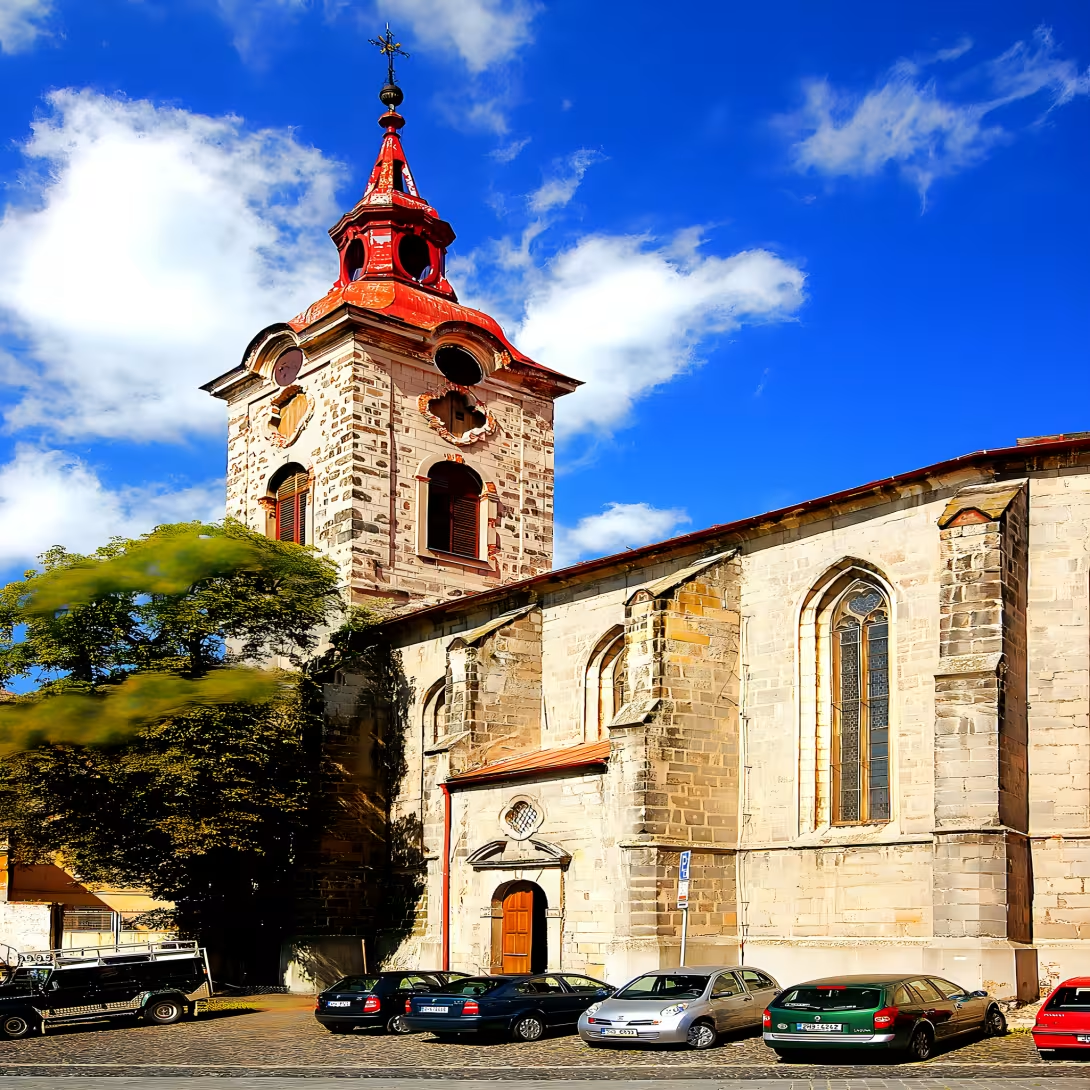
The Church of Saint Ignatius of Loyola in Staré Město stands as a remarkable Roman Catholic filial church located on Svobody Square in Jičín. Originally dedicated to Saint James the Greater, this architectural gem was constructed at the turn of the 13th and 14th centuries in the late Gothic style. Its historical significance is enhanced by its transformation into a baroque masterpiece following its acquisition by Albrecht von Wallenstein in 1623, who transferred it to the Jesuits. This church reflects a blend of architectural styles and serves as one of Jičín's prominent landmarks.
The origins of this church trace back to when Bohemia experienced significant political and religious changes, including the rise of Gothic architecture. Initially dedicated to Saint James the Greater, it served as the original parish church in Jičín. Constructed at a pivotal moment between the 13th and 14th centuries, the church stands as one of the oldest preserved structures in the city. Its early history is marked by resilience; the church was struck by fire twice—in 1572 and again in 1589—and underwent Renaissance renovations following these events.
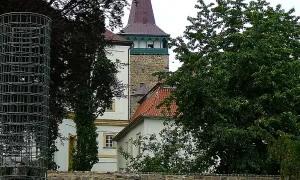
Architecturally, the Church of Saint Ignatius began as a Gothic structure but evolved significantly over time. In the early 17th century, it underwent substantial modifications under Jesuit influence. The Jesuits expanded the church by adding a sacristy on its western side and transforming its interior with baroque elements. Notably, they replaced the original vault with a barrel vault featuring lunettes in a late baroque style after a fire in 1681. The tower of the church, originally Gothic, received a baroque upper section, further enhancing its architectural diversity.
Ownership and administration of the church shifted dramatically when Albrecht von Wallenstein became the new owner of the estate in 1623. He transferred the church to the Jesuits, marking a significant change in its history. This transition led to extensive renovations and expansions by the Jesuit Order, who played a crucial role in shaping the church's baroque character.
Several key events have marked the history of this church. The fires of 1572 and 1589 necessitated Renaissance renovations, while the fire of 1681 prompted the demolition of the original vault and its replacement with a baroque barrel vault. These events underscore the church's resilience and adaptability over centuries. Additionally, the main altar dedicated to Saint Ignatius is notable for its pseudo-Gothic style, reflecting the blend of architectural influences that characterize the church.
Today, the Church of Saint Ignatius of Loyola remains an accessible and significant cultural landmark in Jičín. Restoration efforts have ensured its preservation, including a 2017 project that refurbished the dome and cross on its baroque tower. The church houses several artistic treasures, such as a silver tabernacle and an image of Our Lady of Rusanka, acquired from Russia in 1637. These elements contribute to its historical and cultural value.
Visitors to Jičín are encouraged to explore this architectural marvel, which stands near the former Jesuit college and close to Valdštejn Square. The church's blend of Gothic and baroque styles, coupled with its rich history and artistic features, make it a must-see destination for those interested in European heritage. Its enduring presence as one of Jičín's prominent landmarks invites exploration and appreciation from all who visit.
Then and now
Drag the slider to compare how the landmark may have looked when it was built with the view today.
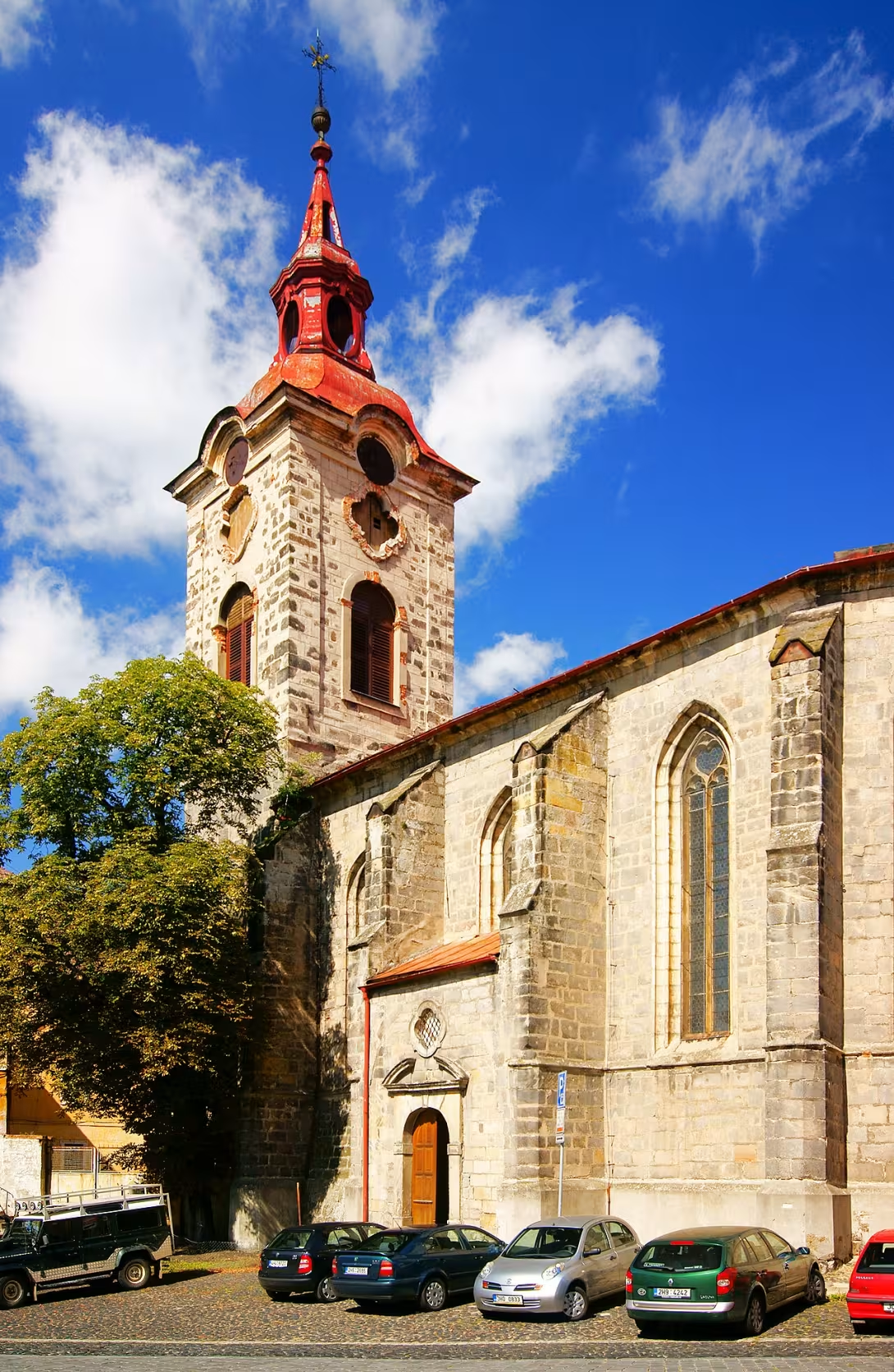
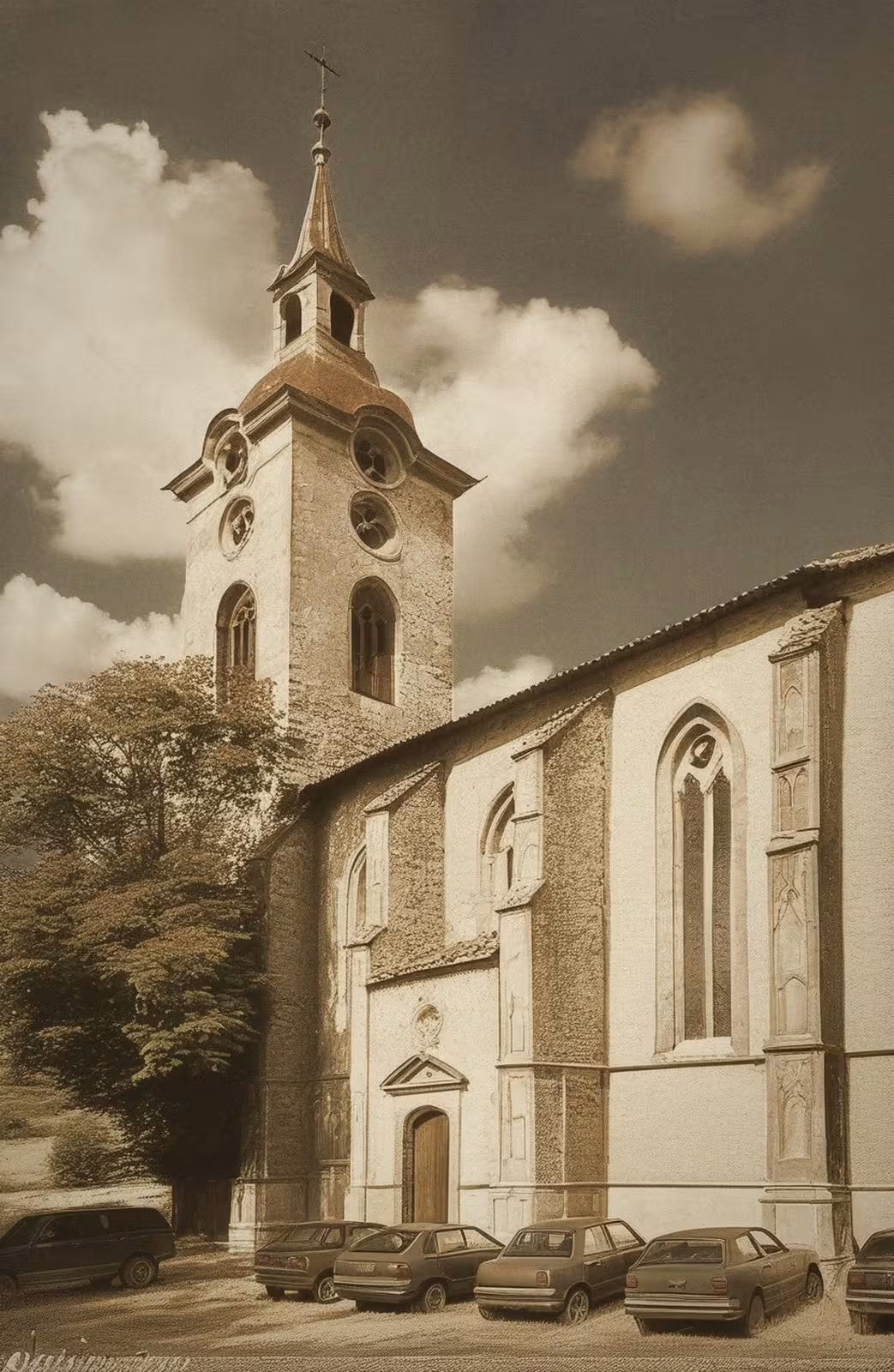
The historical appearance on the left is an AI-generated visualisation and serves as inspiration only.
Historical milestones
- c. 1300
- Construction of the church in the style of late Gothic architecture.
- 1572
- The church was damaged by fire, followed by a Renaissance restoration.
- 1589
- A second fire destroyed the church, leading to another Renaissance renovation.
- 1623
- Albrecht von Wallenstein transferred the church to the Jesuits.
- 1681
- After a fire, the original vault was demolished and replaced with a Baroque barrel vault with lunettes.
- 1637
- The acquisition of the image of Our Lady of Rusanky from Russia.
Architectural development
The church began as a Gothic structure and underwent significant changes over time. In the early 17th century, it was expanded by the Jesuits who added a sacristy and transformed its interior with baroque elements. The tower received a baroque upper section, and in 2017, restoration work included refurbishing the dome and cross.
Historical events
- 1572 and 1589
- The church was twice struck by fire and underwent Renaissance renovations.
- 1681
- A fire led to the demolition of the vault, which was replaced with a barrel vault featuring lunettes in a late baroque style.
Points of interest
- The Church of Saint Ignatius of Loyola was originally dedicated to Saint James the Greater before being renamed in honor of its Jesuit connection and the patronage of Albrecht von Wallenstein. - Despite being struck by fire twice, once in 1572 and again in 1589, the church underwent Renaissance renovations that helped preserve its structure and historical significance.
- The main altar inside the church is crafted in a pseudo-Gothic style, showcasing an interesting blend of architectural influences despite the building's transformation into a baroque masterpiece.
- An intriguing artifact housed within the church is the image of Our Lady of Rusanka, which was brought from Russia in 1637 and adds to the cultural richness of the site.
- In 2017, restoration efforts included refurbishing the dome and cross on its baroque tower, highlighting ongoing preservation work that maintains the church's historical and architectural integrity.
Guide
This guide is narrated by a synthetic voice generated by artificial intelligence.
Show guide text
This text was created by artificial intelligence and has not been editorially reviewed. It may contain inaccuracies.
Welcome to the historic Church of Saint Ignatius of Loyola in Staré Město, a remarkable site that stands proudly on Svobody Square. As you stand before this architectural gem, take a moment to absorb its serene presence and feel the echoes of history that resonate through its walls.
The origins of this church trace back to the late Gothic period, around 1300, when it was first constructed in dedication to Saint James the Greater. Its early form has been shaped by time and transformation; two significant fires in 1572 and again in 1589 left their mark, each followed by Renaissance-style restorations that helped preserve its legacy.
In 1623, a pivotal moment occurred when Albrecht von Wallenstein acquired the church and transferred it to the Jesuits. This change set the stage for one of the most notable transformations—the baroque makeover that would redefine its character. The year 1681 marked another turning point after a devastating fire led to the demolition of the original vaulting, replaced by an elegant baroque barrel vault adorned with lunettes.
As you explore further, notice the architectural details that speak volumes about its storied past. While specific architects remain unknown, the church's evolution from Gothic origins through Renaissance restorations to its final Baroque form tells a tale of resilience and adaptation. The grandeur of its design invites you to appreciate the craftsmanship that has stood the test of time.
Among the key figures associated with this site is Albrecht von Wallenstein, whose influence was instrumental in shaping the church's Jesuit affiliation and subsequent architectural transformation. His patronage not only marked a new chapter for the church but also left an indelible imprint on its history.
One intriguing aspect of this church is its connection to the revered image of Our Lady Rusanka from Russia, acquired in 1637—a testament to its spiritual significance that transcends borders and eras.
As you continue your journey through Staré Město, let the Church of Saint Ignatius of Loyola inspire you with its rich tapestry of history. Its walls are not just structures but narrators of a past filled with change, resilience, and faith. We invite you to delve deeper into its stories and perhaps discover something new each time you visit.
Thank you for joining us on this exploration. May your curiosity be ever ignited as you wander through the historic heart of Staré Město.
Tips for visitors
The best time to visit the Church of Saint Ignatius of Loyola is during late spring or early autumn when the weather is pleasant, allowing for a comfortable exploration both inside the church and around Svobody Square. These seasons offer mild temperatures and less crowded conditions compared to summer months, enhancing your experience as you appreciate the historical architecture and serene surroundings.
When visiting the Church of Saint Ignatius of Loyola, consider bringing a camera to capture its architectural beauty. The best spots for photography are from Svobody Square where you can frame the church with its historical backdrop. Early morning or late afternoon light provides excellent natural lighting conditions, casting soft shadows that highlight the intricate details of the building.
For families with children, exploring the Church of Saint Ignatius and its surroundings offers a cultural experience combined with leisure activities. After visiting the church, take a short walk to Valdštejn Square where you can enjoy the ambiance of this historic area. The proximity to other historical buildings makes it an ideal spot for educational walks or simply relaxing in a picturesque setting.
In addition to the Church of Saint Ignatius, nearby attractions within a 30-minute walking distance include the former Jesuit college and Valdštejn Square. These sites provide further insight into the area's rich history and cultural heritage, making them worthwhile stops for those interested in exploring more of Jičín’s historical offerings.
Frequently asked questions
Can the monument be visited?
Religious buildings are usually open mainly during services; at other times a visit is normally arranged with the parish or the operator. We have not verified specific times.
Where is the monument?
Location: Náměstí Svobody, Staré Město, Jičín, Královéhradecký kraj. The map on this page shows the exact spot.
Why is the monument protected?
It is listed in the Central List of Cultural Monuments of the Czech Republic as a cultural monument (register no. 19257/6-1073).
Businesses nearby
Do you run a restaurant, accommodation, shop, museum, rental, wellness or other visitor service near this monument? Show yourself directly to the people heading to it — this is how they will see you in the app and on the web:
Nearby
Located near the former Jesuit college, the church stands close to Valdštejn Square. The surrounding area includes other historical buildings and is part of Jičín's cultural heritage.
Accommodation nearby
Themed route
Thematic Walking Tour: Staré Město's Historical Heart
1. Kostel svatého Ignáce z Loyoly (Staré Město)
Type: Church
Why Visit: This baroque church, dedicated to St. Ignatius of Loyola, is a masterpiece designed by Christoph Dientzenhofer and stands as a testament to the Jesuit architectural influence in Staré Město. Its rich history and stunning interior make it an essential stop for anyone interested in religious architecture and cultural heritage.
2. Valdštejn Square
Type: Historical Square
Why Visit: Located just near the church, Valdštejn Square is a vibrant part of Staré Město's historical core. The square offers a glimpse into the past with its surrounding buildings that reflect various architectural styles and eras, providing context to the area's development over centuries.
3. Former Jesuit College
Type: Historical Building
Why Visit: Adjacent to the church, this former Jesuit college played a crucial role in education during the 17th century. Exploring its remnants offers insights into the educational and cultural endeavors of the Jesuits in Staré Město, highlighting their impact on local history.
4. Jičín's Cultural Heritage Buildings
Type: Historical Sites
Why Visit: The surrounding area of the church is dotted with buildings that are part of Jičín’s rich cultural tapestry. These structures provide a broader understanding of the town's architectural evolution and historical significance, making them an integral part of any exploration in Staré Město.
This tour offers a focused journey through the heart of Staré Město, emphasizing its Jesuit heritage and historical architecture.
Seasonal recommendations
Spring: Visiting the Church of Saint Ignatius of Loyola during spring offers a unique experience as the surrounding Staré Město area bursts into life with blooming flowers and lush greenery, providing a picturesque backdrop to this historic site. The mild weather makes it an ideal time for leisurely exploration without the sweltering heat or biting cold. However, be mindful of occasional rain showers that can add a romantic touch but may also lead to slippery pathways around the church. This season is perfect for enjoying outdoor activities before the summer crowds arrive, so consider visiting in the late morning when the light beautifully illuminates the intricate architecture.
Summer: Summer at the Church of Saint Ignatius of Loyola is characterized by long daylight hours and warm temperatures, making it an excellent time to explore both the church's rich history and the vibrant atmosphere of Staré Město. The peak tourist season means larger crowds, especially during the main summer months, so arriving early in the day can help you avoid the busiest times. Wearing light, breathable clothing is advisable due to the heat, and don't forget sunscreen if you plan on spending time outdoors. Despite the crowds, the lively ambiance adds a special charm to your visit.
Autumn: Autumn brings a stunning transformation to Staré Město with its warm hues of reds, oranges, and yellows, creating an enchanting setting for visiting the Church of Saint Ignatius of Loyola. The cooler temperatures are perfect for comfortable exploration without the summer heat or winter chill. As the tourist season winds down, you'll find fewer crowds, allowing for a more relaxed visit. Be prepared for shorter days by planning your visit earlier in the day to fully appreciate the church's architecture under the soft autumn light.
Winter: Winter offers a serene and magical atmosphere around the Church of Saint Ignatius of Loyola as Staré Město is often blanketed with snow, creating a picturesque scene that enhances the historic charm of the area. Dress warmly in layers to stay comfortable during your exploration, and be cautious on potentially icy pathways. Despite fewer visitors due to the cold weather, this season provides a unique opportunity to experience the tranquility of the site amidst winter festivities.
Visualizations and artistic views


The visualisations are generated by artificial intelligence and serve as inspiration.
Photos from the area
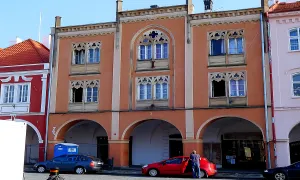
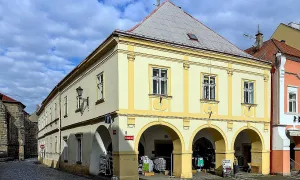
Real photos taken near the monument


Zdroj a licence jsou uvedeny u každého snímku.
Atmosphere of the place
This atmospheric visualisation of the place and period was generated by artificial intelligence. It is not real footage of the location.
Tips from visitors
No tips yet. Be the first!
Log in and add your tip.
Sources and literature
Photos: Stanislav Dusík / CC BY-SA 4.0, rozlišení zvýšeno umělou inteligencí — Wikimedia Commons. The author and licence also appear when you hover over the image.
Faktickým podkladem tohoto textu byl článek na Wikipedii, jehož autory jsou přispěvatelé Wikipedie. Článek je dostupný pod licencí CC BY-SA 4.0.
Location on the map


Příběhy a pověsti
Legendy, pověsti a příběhy spjaté s touto památkou

Fotografie návštěvníků
Zatím žádné fotografie. Buďte první, kdo přidá fotografii z návštěvy!
Log in a přidejte svou fotografii nebo hodnoťte.
Za ověřenou návštěvu v aplikaci získáte víc bodů — poznáme podle GPS, že jste na místě.
Reviews and comments