






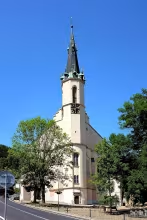
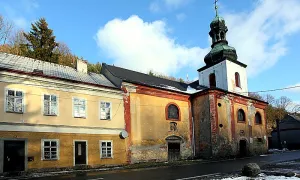
The Church of Saint James and Saint Anne in Jáchymov is a significant Roman Catholic parish church within the Karlovy Vary vicariate. Constructed between 1534 and 1540, it holds historical importance as the first Lutheran church in Czech lands before converting to Catholicism after the Battle of White Mountain in 1624. The church's architectural journey includes transformations from late Gothic to Baroque styles, culminating in a pseudo-Gothic redesign by architect Josef Mocker following a catastrophic fire in 1873.
The monument's origins are deeply rooted in the religious upheaval of early 16th-century Bohemia during the Protestant Reformation. Architect Hanuš Kopp led its construction as a late Gothic structure, with contributions from polisher Wolf Müller and stonemason Jörg z Bamberka. Initially dedicated to the town's patrons, Saint James and Saint Anne, it reflected the period's religious diversity. Its first Protestant service was held by Johannes Mathesius on November 25, 1537, marking its role in spreading Lutheranism.
Architecturally, the church underwent significant changes over the centuries. Originally a late Gothic structure, it transformed into a Baroque edifice between 1764 and 1785. The most dramatic alteration occurred after the 1873 fire when Josef Mocker redesigned it in pseudo-Gothic style, significantly altering its original appearance. Despite these changes, some elements from the original construction remain, such as the Renaissance baptismal font by Hans Wildt from 1575 and the unique Hornický portal on the western side, featuring a partially worn portrait of town founder Štěpán Šlik.
Throughout its history, the church experienced various ownerships and transformations. After converting to Catholicism in 1624, it underwent several reconstructions reflecting shifts in religious and political landscapes. The fire of 1873 led to another significant reconstruction under Mocker's direction, funded by tiling master J. J. Richter from Johanngeorgenstadt for 88,000 gold coins.
Key events include its initial Protestant service in 1537, conversion to Catholicism in 1624, and the post-fire reconstruction in pseudo-Gothic style in 1873. These highlight its role as a witness to significant religious and cultural shifts in the region.
Today, the Church of Saint James and Saint Anne stands as a protected cultural monument, open for visitors interested in its rich history and architectural evolution. Its status as a pilgrimage site since 1987 adds to its significance, drawing those who wish to explore its historical layers and appreciate its enduring legacy. Visitors are invited to experience this remarkable site, where the echoes of past transformations continue to resonate within its walls.
Historical milestones
- 1537
- First Protestant service held by Johannes Mathesius.
- 1624
- Church converted to a Catholic church.
- 1873
- Reconstruction in pseudo-Gothic style after fire.
Architectural development
The church was initially built as a late Gothic structure and later transformed into a Baroque edifice between 1764-1785. After the 1873 fire, it underwent significant changes under Josef Mocker's design in pseudo-Gothic style, altering its original appearance.
Historical events
1537: First Protestant service held by Johannes Mathesius on November 25th.
1624: Church converted to a Catholic church after the Battle of White Mountain.
1873: Catastrophic fire led to reconstruction in pseudo-Gothic style.
Points of interest
- The Church of Saint James and Saint Anne was initially a pivotal site for the spread of Lutheranism in the Czech lands, with its first Protestant service conducted by Johannes Mathesius on November 25, 1537.
- Despite numerous architectural changes over the centuries, the church retains some original elements such as the Renaissance baptismal font crafted by Hans Wildt in 1575 and the unique Hornický portal featuring a partially worn portrait of town founder Štěpán Šlik.
Guide
Show guide text
Welcome to the Church of Saint James and Saint Anne in Jáchymov, a remarkable site that echoes with layers of history and architectural evolution. As you stand here, take a moment to absorb its presence—a testament to religious change and cultural fusion over centuries.
The origins of this church are deeply rooted in the Reformation era. Conceived as the first Lutheran church in the Czech lands, it was built between 1534 and 1540 by architect Hanuš Kopp. This was a time when Protestantism began spreading its influence across Europe, and Jáchymov became an early beacon for this movement. The church's initial purpose is encapsulated in the momentous service conducted on November 25, 1537, by Johannes Mathesius, marking its role as a pivotal site for Lutheranism.
Architecturally, what you see before you today is the result of numerous transformations. Originally designed to reflect Protestant ideals, it underwent significant changes after the Battle of White Mountain in 1624 when it was converted into a Catholic church. Later, in 1873, following a devastating fire, the church was reconstructed in a pseudo-Gothic style by architect Josef Mocker. As you look around, notice how these layers of history are interwoven within its structure, inviting you to explore and reflect on its storied past.
This site is rich with stories that speak volumes about religious shifts and cultural resilience. The transition from a Lutheran church to Catholicism illustrates the broader political and religious currents sweeping through Europe during this period. Such transformations were not merely architectural but deeply spiritual, affecting the lives of those who worshipped here.
One intriguing aspect of this church is its enduring legacy as a symbol of change. Despite the numerous changes it has undergone, it remains a significant landmark in Jáchymov, reflecting both historical tumult and continuity. This duality invites you to ponder how places can embody such complex narratives over time.
As your visit draws to a close, we invite you to continue exploring Jáchymov's rich tapestry of history and culture. Each corner holds stories waiting to be discovered, echoing the past into the present. Thank you for joining us on this journey through time at the Church of Saint James and Saint Anne. We hope it has inspired curiosity and a deeper appreciation for the layers of history that surround us.
Safe travels as you continue your exploration!
Businesses nearby
Do you run a restaurant, accommodation, shop, museum, rental, wellness or other visitor service near this monument? Show yourself directly to the people heading to it — this is how they will see you in the app and on the web:
Accommodation nearby
Trips and activities nearby
Guided tours, tickets and activities nearby from GetYourGuide
Search tours and activities →Themed route
Jáchymov Thematic Walking Tour
1. Kostel svatého Jáchyma a svaté Anny (Church of St. James and St. Anne) - Type: Church - Why Visit: This stunning Baroque church, completed in 1719, is the centerpiece of Jáchymov's historic center. Its intricate architecture and serene atmosphere make it an essential starting point for exploring the town’s rich history.
2. Jáchymov Historical Town Center - Type: Historic Area - Why Visit: Stroll through the cobblestone streets of Jáchymov, surrounded by well-preserved 18th-century buildings that reflect the town's prosperous past as a mining hub. The area offers a glimpse into life during the peak of silver mining.
3. Old Mining Gallery - Type: Museum - Why Visit: Located near the church, this gallery provides fascinating insights into Jáchymov’s extensive mining history. It showcases artifacts and exhibits that highlight the town's role in the development of European mining techniques.
4. Jáchymov Cemetery - Type: Cemetery - Why Visit: This historic cemetery is not only a resting place for many notable figures but also offers beautiful views of the surrounding landscape. Its serene environment provides a reflective end to your tour, allowing you to ponder Jáchymov's storied past.
5. Jáchymov Town Hall - Type: Historic Building - Why Visit: Conclude your visit at this elegant Baroque building that served as the administrative center of the town during its mining heyday. Its architecture and historical significance offer a fitting end to your exploration of Jáchymov's rich cultural heritage.
This tour provides an immersive experience into the history and culture of Jáchymov, highlighting key sites within the town itself.
Seasonal recommendations
Spring: Visiting the Church of Saints James and Anne in Jáchymov during spring offers a unique experience as nature awakens around this historic site. The surrounding landscape is adorned with blooming wildflowers, creating a picturesque setting that enhances the church's architectural beauty. Soft morning light gently illuminates the stone façade, providing an ideal time for photography. Visitors should be prepared for occasional rain showers typical of spring and consider wearing comfortable walking shoes to explore both the church and its verdant surroundings. This season is less crowded than summer, allowing for a more peaceful visit.
Summer: The Church of Saints James and Anne shines in the full glory of summer sunshine, with long daylight hours offering ample time to appreciate its intricate details. The lush greenery surrounding the site creates a vibrant backdrop, while warm evenings invite visitors to linger and enjoy the tranquil atmosphere. Summer is peak tourist season, so arriving early can help avoid larger crowds. Light, breathable clothing and sun protection are recommended due to higher temperatures. Exploring nearby hiking trails or enjoying local cafes after your visit can enhance your summer experience in Jáchymov.
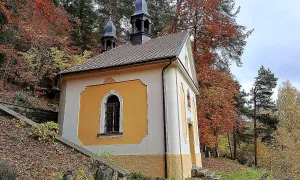
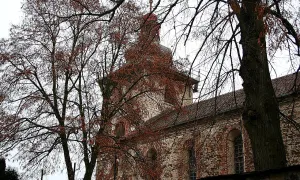
Autumn: Autumn transforms the Church of Saints James and Anne into a stunning canvas of warm colors as leaves change from green to shades of orange, red, and gold. The soft, golden light at this time of year casts a magical glow over the historic structure, making it an ideal period for photography enthusiasts. Cooler temperatures make walking around comfortable, but layers are advisable due to fluctuating weather conditions. This season is less crowded than summer, allowing visitors to enjoy the church in relative solitude and appreciate the serene beauty of Jáchymov's autumnal landscape.
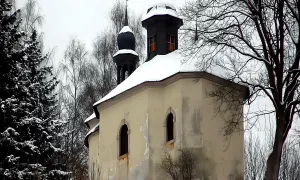
Winter: The Church of Saints James and Anne takes on a mystical quality during winter, with snow often blanketing its surroundings, creating a fairy-tale-like atmosphere. Icy conditions can add an enchanting sparkle to the stone architecture, while shorter days mean that visitors should plan their visit around the available daylight hours. Winter is the quietest season for tourism in Jáchymov, offering a peaceful experience with fewer crowds. Warm clothing and sturdy footwear are essential due to cold temperatures and potentially slippery paths. The church may have limited opening times during this period, so checking ahead is advisable.
Visualizations and artistic views

Vizualizace jsou generovány umělou inteligencí a slouží jako inspirace.


Tips from visitors
No tips yet. Be the first!
Log in and add your tip.

Reviews and comments