






Kostel svatého Jakuba Většího (Nepomuk) Church
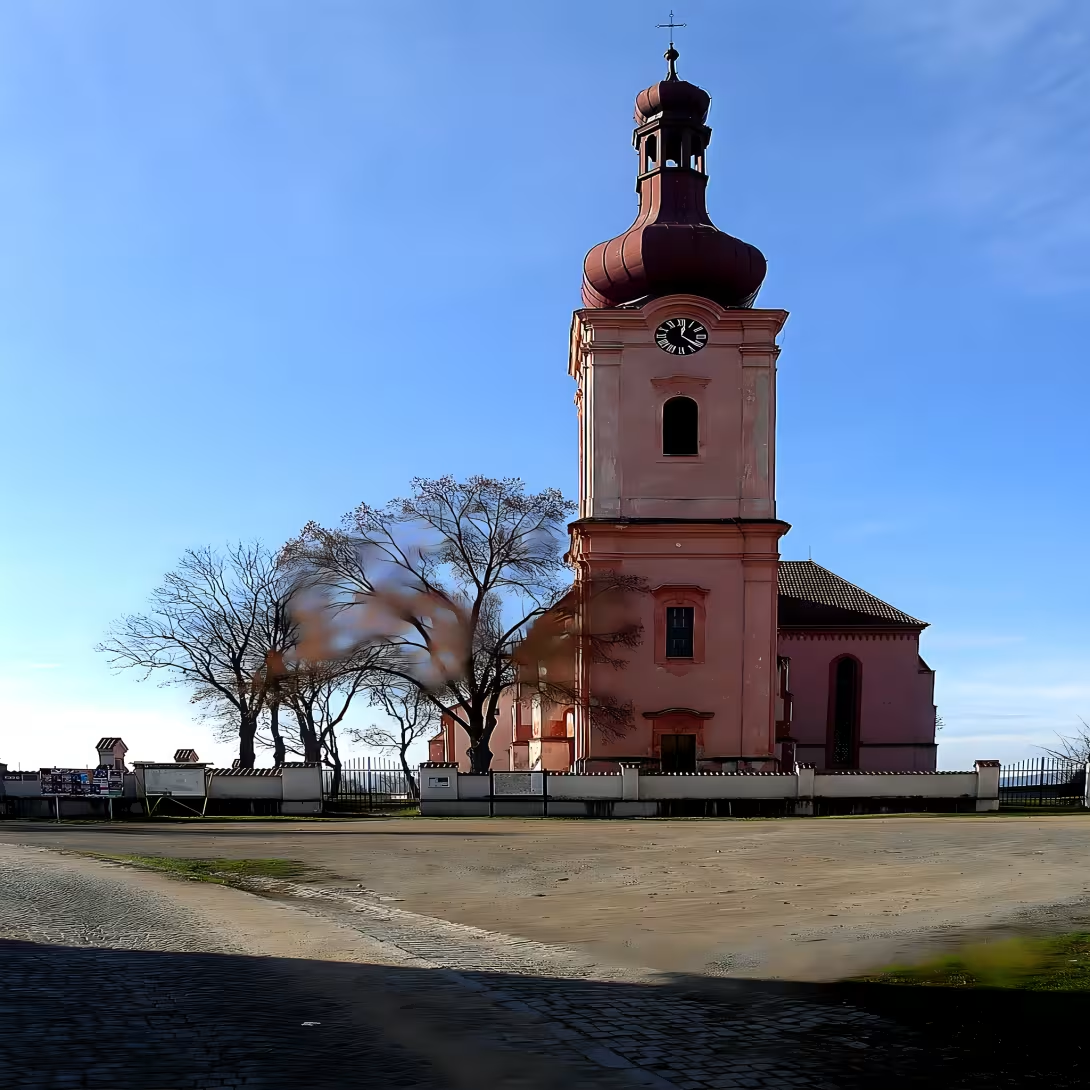
The Church of Saint James the Greater in Nepomuk is a parish church located in Plzeňský kraj, Czech Republic. Originally built in the mid-12th century by Cistercian monks from the nearby monastery of Pomuk, it underwent significant architectural transformation into Gothic style at the end of the 13th century. This historical monument stands out for its religious significance and role as a fortress, reflecting its multifaceted history and architectural evolution over centuries.
The church's origins date back to when Bohemia was part of the Holy Roman Empire, a period marked by significant religious and political changes. The initial construction in the mid-12th century laid the foundation for what would become an important religious site. By the late 13th century, it had been completely rebuilt into Gothic style, featuring a basilica with three naves. This transformation coincided with a broader period of architectural innovation across Europe.
Architecturally, the Church of Saint James the Greater began as a single-nave structure and evolved into a Gothic basilica by the late 13th century. The church features a presbytery on its eastern façade, ending in a polygonal shape that forms twelve sides with six external buttresses. A notable addition was a wooden sacristy and bell tower constructed at the end of the 15th century, later replaced by baroque structures due to deterioration.
Throughout its history, the church has experienced significant events and changes in ownership. During the Hussite Wars in the early 15th century, it suffered damage but continued as an important religious site. In a dramatic turn of events in 1580, Ondřej ze Šternberka destroyed much of the church's interior during iconoclastic actions. The Šternberk family played a significant role in its history, both as benefactors and adversaries.
The church also served a defensive purpose, functioning as a fortress with protective walls and a moat to provide refuge to locals during times of danger. This dual role is evident in surviving architectural elements such as the nárožní půlválcová bašta (corner half-round bastion) on its western side.
In 1746, a significant fire led to the construction of a new bell tower between 1772 and 1780. However, by 1786, under Emperor Joseph II's rule, the church was closed, and its assets were auctioned off. It later served as a military storehouse before undergoing restoration in the mid-19th century, funded by notable figures including Emperor Ferdinand V.
Today, the Church of Saint James the Greater stands as a testament to its rich history and architectural evolution. Despite periods of neglect and damage, it has been restored multiple times, preserving its historical significance. Visitors can explore its unique blend of Gothic and baroque elements, reflecting centuries of cultural and religious influences. The church's dual role as both a place of worship and a fortress adds depth to its historical narrative, making it a compelling site for those interested in history and architecture. Its proximity to the prominent St. John Nepomucene church further enhances its appeal, offering insights into the region's ecclesiastical heritage.
Then and now
Drag the slider to compare how the landmark may have looked when it was built with the view today.
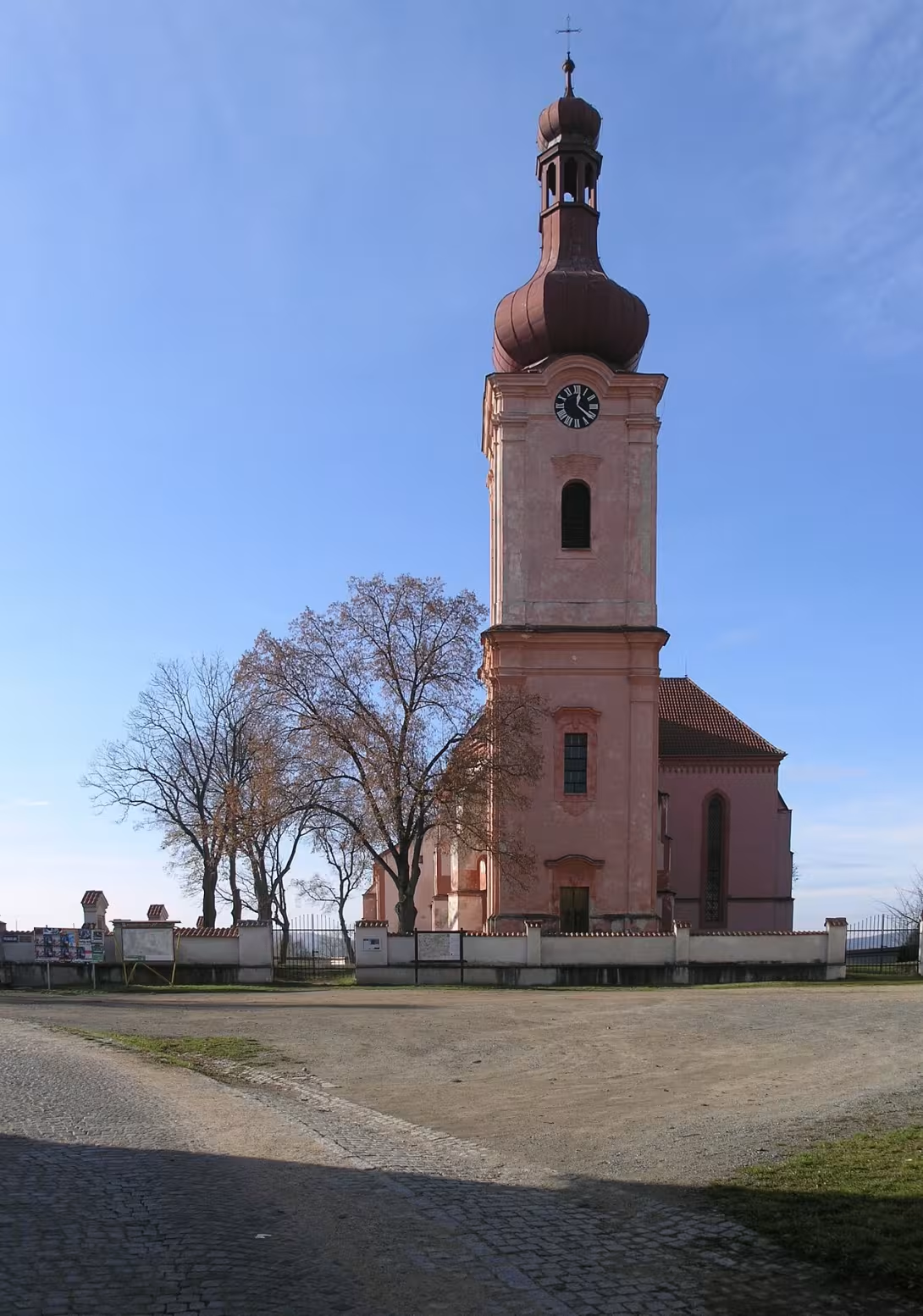
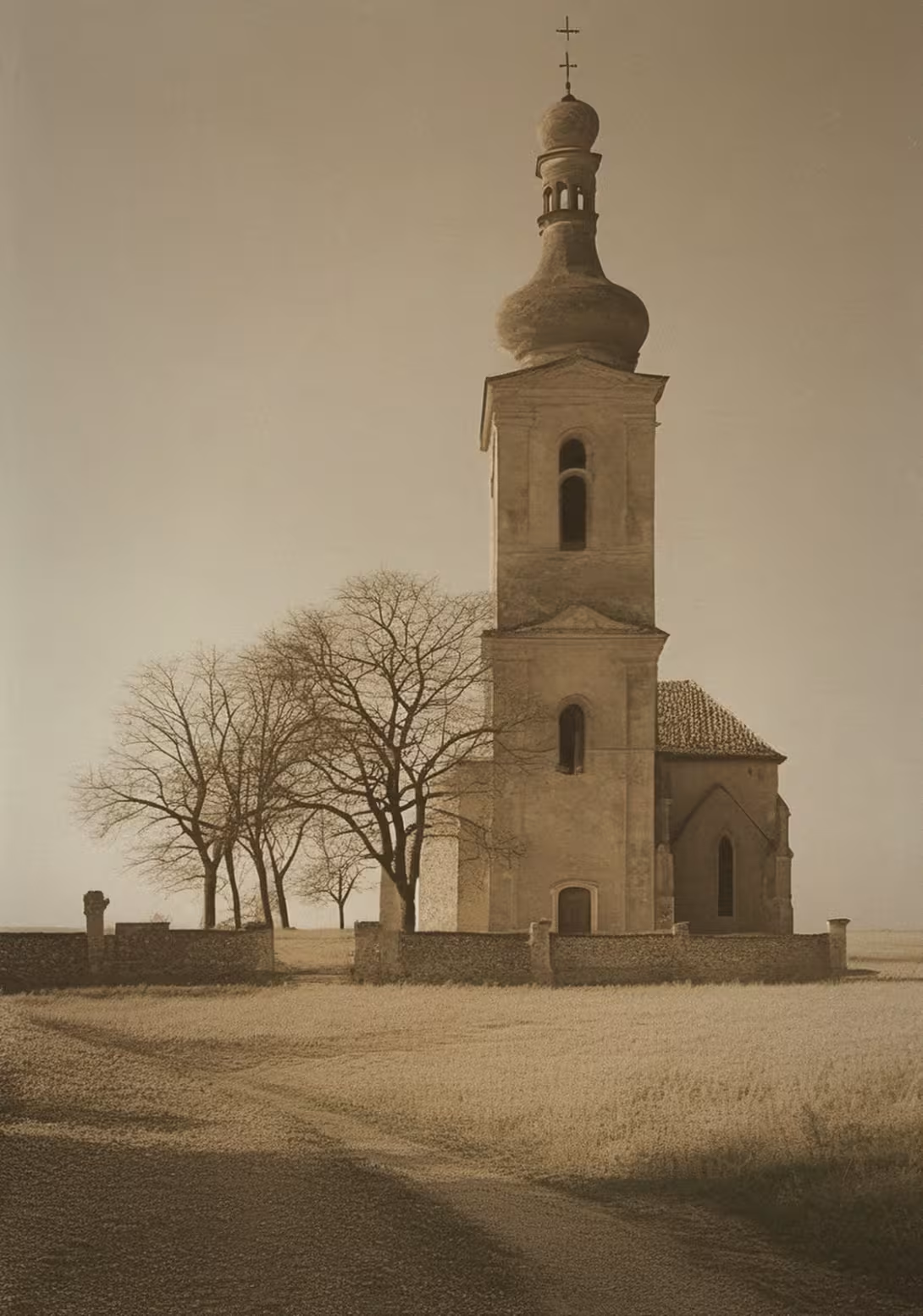
The historical appearance on the left is an AI-generated visualisation and serves as inspiration only.
Historical milestones
- 1290
- The church was completely rebuilt into Gothic style.
- 1369
- The church is documented as a parish church.
- 1420
- Hussites burned down the nearby monastery, endangering the church.
- 1580
- Ondřej ze Šternberka destroyed much of the church's interior during iconoclastic actions.
Architectural development
The Church of Saint James the Greater began as a single-nave structure in the mid-12th century. By the late 13th century, it was transformed into a Gothic basilica with three naves. The church also underwent several reconstructions and additions over time, including a wooden sacristy and bell tower in the late 15th century, which were later replaced by baroque structures.
Historical events
In the late 14th century, the church was rebuilt into a basilica with three naves.
During the Hussite Wars in the early 15th century, the church suffered damage but continued to be an important religious site.
In 1580, Ondřej ze Šternberka destroyed much of the church's interior during iconoclastic actions.
Points of interest
- The Church of Saint James the Greater was originally constructed by Cistercian monks from the monastery of Pomuk, highlighting its early monastic connections that played a crucial role in its foundation and development.
- During the Hussite Wars in the early 15th century, despite suffering damage, the church continued to serve as an important religious site, demonstrating resilience amid significant regional conflict.
- In a dramatic event in 1580, Ondřej ze Šternberka engaged in iconoclastic actions that led to extensive destruction of the church's interior, reflecting the turbulent religious tensions of the time.
- The church served a dual role as both a place of worship and a fortress, complete with protective walls and a moat, illustrating its strategic importance for providing refuge during times of danger.
- After being closed in 1786 under Emperor Joseph II's rule, the church was repurposed as a military storehouse before undergoing restoration in the mid-19th century, funded by notable figures including Emperor Ferdinand V, showcasing its varied historical uses and significance.
Guide
This guide is narrated by a synthetic voice generated by artificial intelligence.
Show guide text
This text was created by artificial intelligence and has not been editorially reviewed. It may contain inaccuracies.
The Church of St. James the Greater is a parish church in Nepomuk. It was probably built already in the twelfth century by Cistercian monks from the nearby Pomuk monastery. Between 1290 and 1295, the original single-nave church was completely rebuilt in Gothic style. In 1369 it is recorded as a parish church. Between 1360 and 1370, the older nave was replaced by a basilica with three naves.
The church also served as a small fortress. It stood on a hilltop and the entire complex was surrounded by a massive wall and probably also a moat. In difficult times, the inhabitants of Nepomuk found shelter there. The defensive character is recalled by a semicylindrical corner bastion with a loophole on the steep western side. Two more fortified structures protected it. In one of them, a square-shaped building, there used to be an ossuary. Around the church stretched an enclosed cemetery, used until 1860. This is remembered by inscriptions on monuments in the wall. The Lords of Šternberk had a family tomb in the church.
In 1420, the Hussites burned down the nearby monastery and the church was damaged during the Hussite wars. The Šternberks donated altars, statues, and crosses to the church. However, not all members of the family were benefactors. On Sunday, October 9, 1580, Andrew of Šternberk destroyed the interior furnishings of the church. He broke up altars and statues and had the debris burned at a brewery in Zelenohorsk. He dealt with the furnishings of four other churches in the area in the same way.
In 1746, a great fire struck the town and the church. However, its repairs took a back seat because nearby a new Church of St. John of Nepomuk was being built. During the reign of Emperor Joseph the Second, the church was closed in 1786. Statues, paintings, and the organ were put up for auction and the church became a military grain storehouse, and later a lumber warehouse.
The dilapidated building was restored in neogothic style between 1857 and 1859 by the district governor Tomáš of Putzlacherů. Contributors included Emperor Ferdinand the Fifth, Empress Karolina Augusta, Vilemína of Auersberg, and municipalities in the Nepomuk district. On May 19, 1860, the church was consecrated anew by the Bishop of Budějovice Jan Valerián Jirsík and the church became a deanery once again.
Further repairs were necessary at the end of the nineteen twenties when water was leaking into the church and plaster was falling. On July 22, 1952, during repairs to the bell tower, a fire broke out above the clock. An old bell from 1558 collapsed and shattered on the church floor. The church was last repaired at the beginning of the nineteen nineties.
Today it is a three-nave basilica with a presbytery and sacristy on the northern side. On the axis of the eastern side stands a separate baroque pyramidal tower, built between 1772 and 1780. The presbytery is concluded by a polygonal end with buttress pillars.
Frequently asked questions
Can the monument be visited?
Religious buildings are usually open mainly during services; at other times a visit is normally arranged with the parish or the operator. We have not verified specific times.
Where is the monument?
Location: Přesanické náměstí, Nepomuk, Plzeňský kraj. The map on this page shows the exact spot.
Why is the monument protected?
It is listed in the Central List of Cultural Monuments of the Czech Republic as a cultural monument (register no. 46276/4-378).
Businesses nearby
Do you run a restaurant, accommodation, shop, museum, rental, wellness or other visitor service near this monument? Show yourself directly to the people heading to it — this is how they will see you in the app and on the web:
Nearby
The Church of Saint James the Greater is located near the site of an old cemetery and close to the prominent St. John Nepomucene church, which was built after the fire in 1746.
Accommodation nearby
Themed route
Tematická výletní trasa: Kostel svatého Jakuba Většího (Nepomuk)
1. Kostel svatého Jakuba Většího (Nepomuk) - Typ: Historický kostel - Proč stojí za návštěvu: Tento barokní kostel je nejen architektonickou perli, ale také svědectvím bohaté historie obce Nepomuk. Jeho krásné interiéry a duchovní atmosféra nabízejí klidný útočiště pro návštěvníky.
2. Staré hřbitovy - Typ: Historické místo - Proč stojí za návštěvu: Nachází se v blízkosti kostela svatého Jakuba Většího a poskytuje poutavý vhled do minulých obřadů a tradic. Toto místo je klíčové pro pochopení historického kontextu oblasti.
3. Kostel svatého Jana Nepomuckého - Typ: Historický kostel - Proč stojí za návštěvu: Postavený v roce 1746 po požáru, tento kostel je známý svou impresivní barokní architekturou. Jeho umístění vedle kostela svatého Jakuba Většího z něj činí nezbytnou součást kulturního výletu.
4. Kostelní nádvoří - Typ: Otevřený prostor - Proč stojí za návštěvu: Nádvoří kolem kostela svatého Jakuba Většího poskytuje místo pro odpočinek a reflexi. Je to ideální místo, kde si můžete užít klidné chvíle v příjemném venkovním prostředí.
5. Kostelní věž - Typ: Architektonická struktura - Proč stojí za návštěvu: Výhled z kostelní věže nabízí jedinečnou perspektivu na obec Nepomuk a okolní krajinu. Je to skvělá příležitost pro fotografii a prohlédnutí se po celé oblasti.
Tato trasa nabízí pohled do historie a kultury obce Nepomuk prostřednictvím jejích klíčových památek.
Seasonal recommendations
Spring: The Church of Saint James the Greater in Nepomuk is bathed in a gentle light during spring, with blooming flowers and lush greenery creating a serene atmosphere around the historic site. This season offers an ideal time for photography enthusiasts to capture the church's architecture against a backdrop of vibrant nature. Visitors are advised to wear comfortable walking shoes as they explore the surrounding gardens, which may be damp from occasional showers. Early morning visits can help avoid larger crowds that gather later in the day.
Summer: Summer at the Church of Saint James the Greater is characterized by long daylight hours and warm weather, making it perfect for leisurely exploration. The church's exterior glows under the bright sunlight, enhancing its architectural details. However, this is also the peak tourist season, so arriving early in the morning can help avoid crowds. Visitors should wear light clothing and comfortable shoes, and consider carrying water to stay hydrated during their visit.
Autumn: Autumn brings a picturesque transformation with warm hues of reds, oranges, and yellows surrounding the Church of Saint James the Greater. The crisp air and golden sunlight create an enchanting atmosphere ideal for photography and peaceful walks. During this season, visitors should dress in layers to accommodate fluctuating temperatures throughout the day. Late afternoon visits may offer a quieter experience as many tourists tend to leave earlier.
Winter: Winter at the Church of Saint James the Greater offers a unique charm with snow-covered surroundings and soft lighting from street lamps that create a magical ambiance. The church's architecture stands out against the stark, white landscape, providing a serene setting for visitors seeking tranquility away from bustling tourist spots. It is recommended to wear warm clothing, including hats and gloves, as temperatures can be quite chilly. Keep in mind that some facilities may have reduced hours during this season.
Visualizations and artistic views


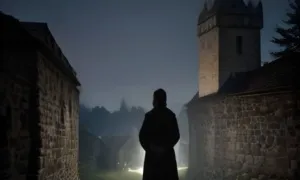
The visualisations are generated by artificial intelligence and serve as inspiration.
Photos from the area
Real photos taken near the monument

Zdroj a licence jsou uvedeny u každého snímku.
Tips from visitors
No tips yet. Be the first!
Log in and add your tip.
Sources and literature
Photos: Matěj Baťha / CC BY-SA 3.0, rozlišení zvýšeno umělou inteligencí — Wikimedia Commons. The author and licence also appear when you hover over the image.
Faktickým podkladem tohoto textu byl článek na Wikipedii, jehož autory jsou přispěvatelé Wikipedie. Článek je dostupný pod licencí CC BY-SA 4.0.
Location on the map
More monuments – Nepomuk
Show all in the municipality

Příběhy a pověsti
Legendy, pověsti a příběhy spjaté s touto památkou
Fotografie návštěvníků
Zatím žádné fotografie. Buďte první, kdo přidá fotografii z návštěvy!
Log in a přidejte svou fotografii nebo hodnoťte.
Za ověřenou návštěvu v aplikaci získáte víc bodů — poznáme podle GPS, že jste na místě.
Reviews and comments