






kostel svatého Jana Křtitele a svatého Jana Evangelisty (Bystrc) Church
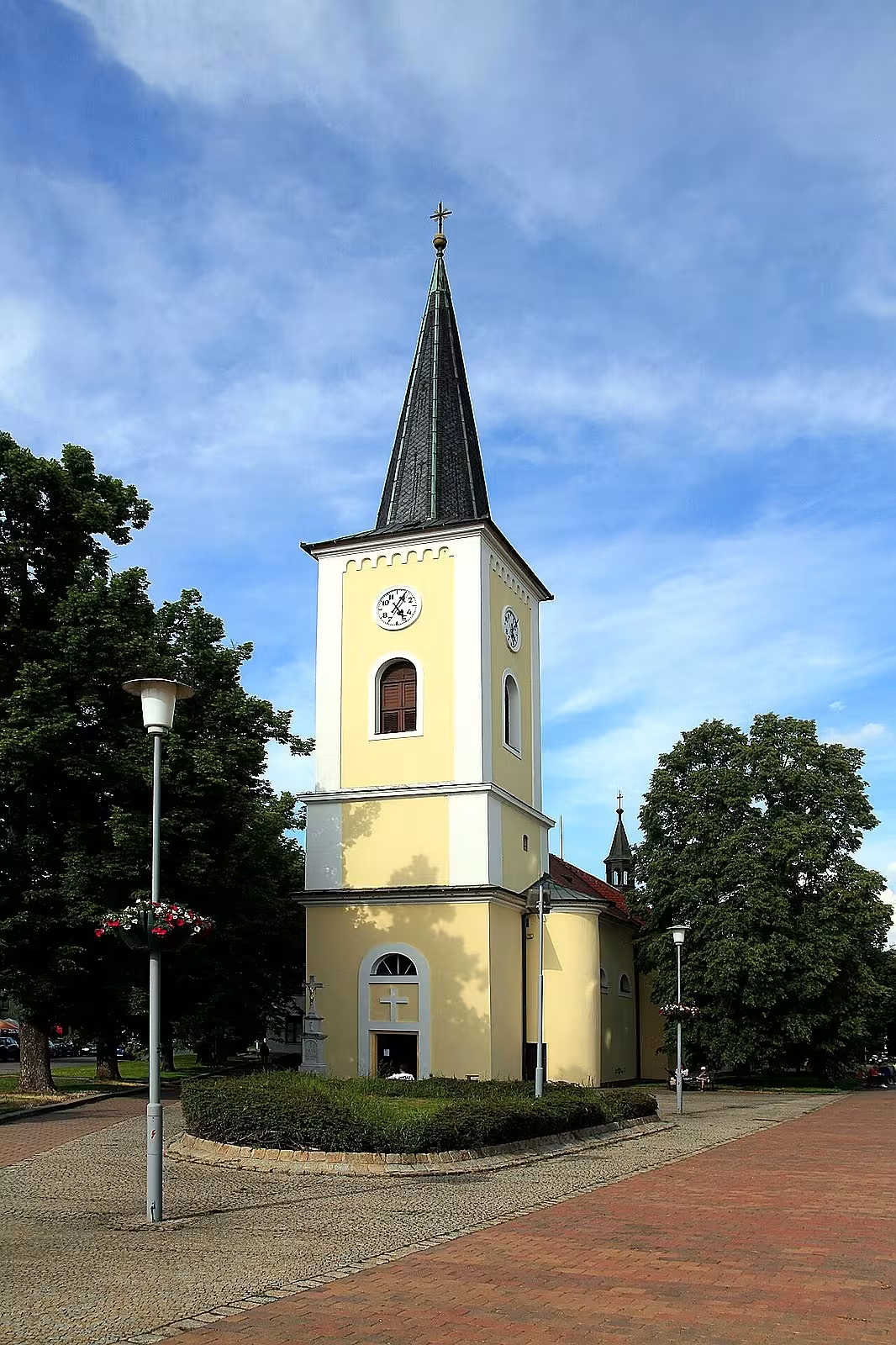
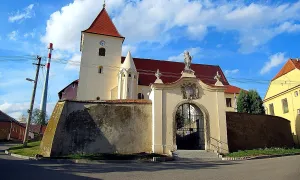
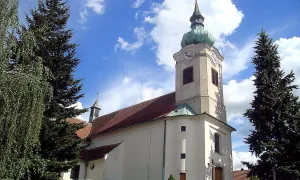
The Church of St. John the Baptist and St. John the Evangelist in Bystrc, Brno, stands as a testament to centuries of architectural evolution and cultural significance. This Romanesque structure, originally founded in the early 13th century, has undergone numerous transformations reflecting its historical importance and adaptability over time. Located at the heart of Bystrc's historic center on Náměstí 28. dubna, it is recognized as a protected cultural monument of the Czech Republic.
The church was likely established during the first half of the 13th century, a period marked by significant religious and architectural developments across Europe. During this era, Bohemia was under the Holy Roman Empire's rule, with Gothic architecture beginning to spread from France into Central Europe. The earliest documented mention of the church dates back to 1531, indicating its longstanding presence in the community.
Architecturally, the church began as a late Romanesque structure and has since incorporated Baroque and Romantic elements. It features a single-nave design with an apsidal chancel, showcasing its original style. The tower above the entrance is crowned by a spire roof, adding to its distinctive silhouette. Over time, significant renovations have shaped its current appearance: in 1843, the nave was extended, and the tower underwent reconstruction, completed in 1862. The most recent major alterations occurred in 1897. Between 1960 and 1961, frescoes were added to the ceiling by Ludvík Kolka, enhancing its artistic appeal.
Throughout its history, the church has witnessed several key events that underscore its resilience and adaptability. In 1592, a bell cast by Matyáš z Velkého Meziříčí was hung in the tower, marking an important addition to the structure. However, during World War I in 1917, both the church's bells from 1531 and 1710 were melted down for wartime materials. In response, new steel bells were installed in 1923, along with a set of new organ pipes.
The church also hosts a charming tradition during Christmas: a nativity scene is displayed on the left side of its front area. This display features wooden carved figures approximately 30 centimeters tall, dating back to the mid-20th century. Although the creator remains unknown, these figures add a unique cultural and artistic dimension to the church's offerings.
In recent decades, efforts have been made to preserve and restore this architectural gem. Between 1995 and 2014, as part of the Program for the Rescue of Architectural Heritage, approximately 3 million Czech korunas were allocated for its restoration. These initiatives ensured that both the façade and other parts of the church received necessary repairs, maintaining its historical integrity.
Today, the Church of St. John the Baptist and St. John the Evangelist remains a significant cultural landmark in Bystrc. Its rich history, architectural beauty, and ongoing preservation efforts make it a worthwhile destination for visitors interested in exploring the region's heritage. Whether drawn to its historical significance or simply wishing to admire its architectural evolution, this church offers a unique glimpse into the past while continuing to serve as a vibrant part of the community.
Then and now
Drag the slider to compare how the landmark may have looked when it was built with the view today.
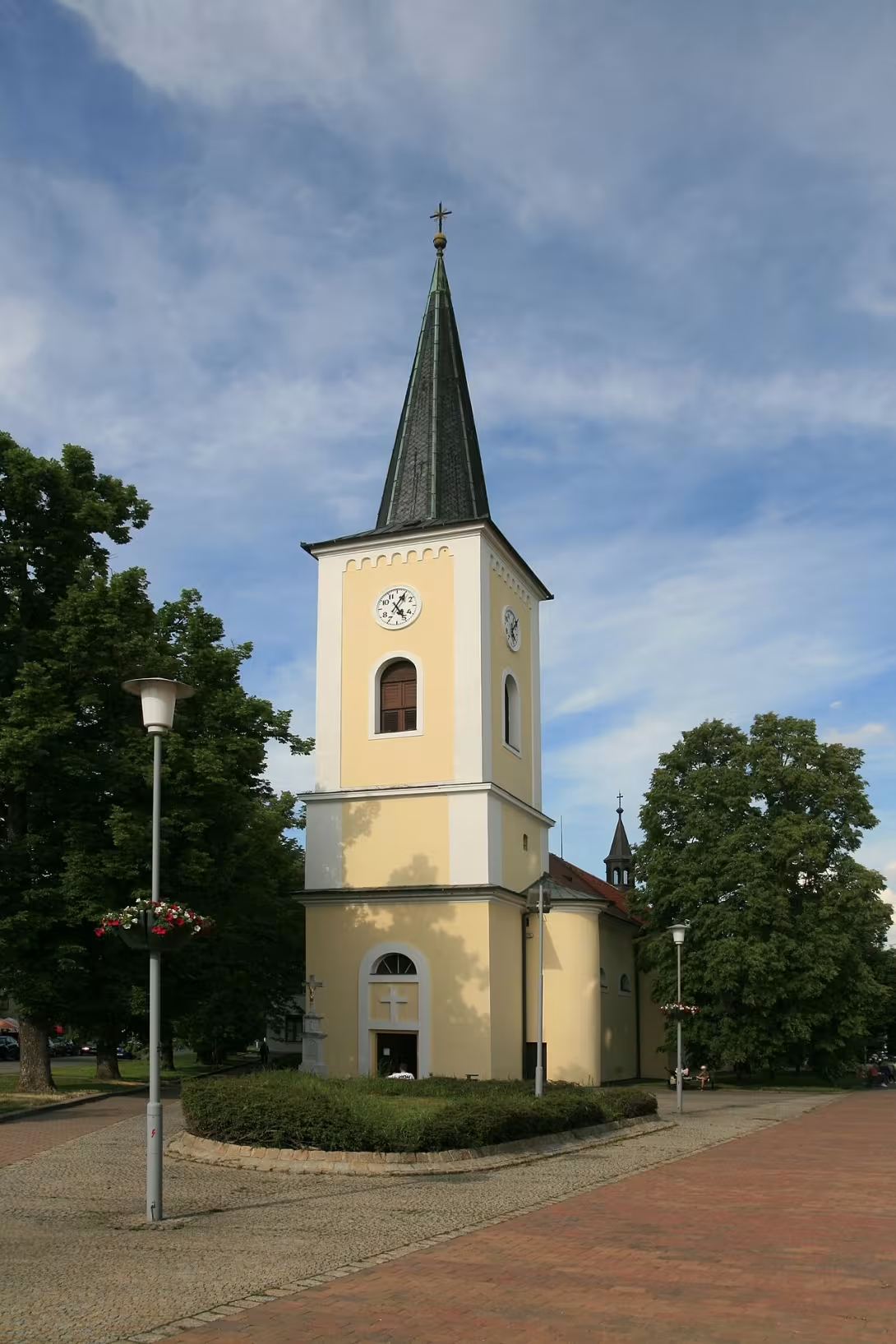
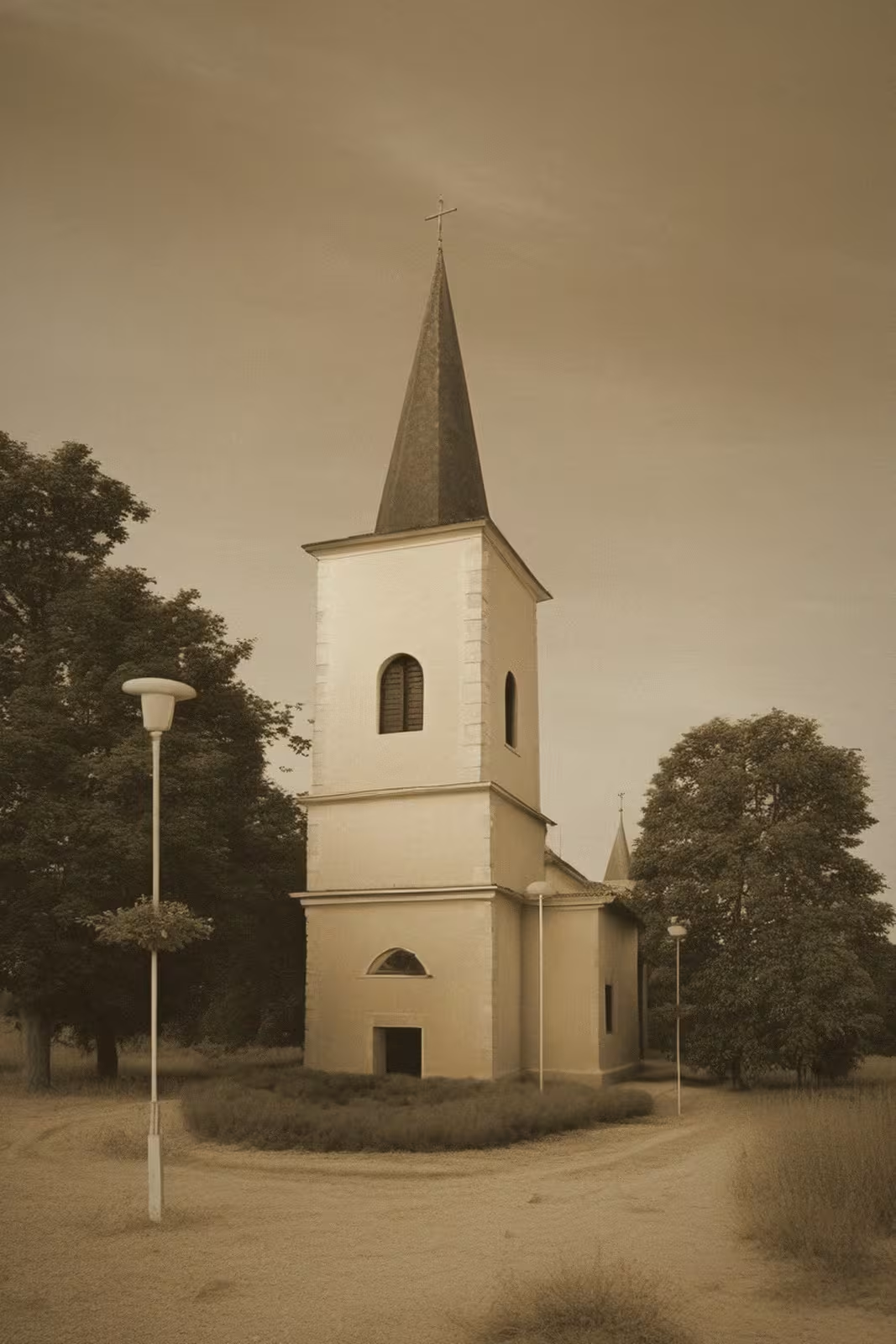
The historical appearance on the left is an AI-generated visualisation and serves as inspiration only.
Historical milestones
- 1531
- First documented mention of the church.
- 1592
- A bell was hung in the tower.
- 1917
- Bells were melted down for wartime materials.
Architectural development
The church has experienced several phases of development and renovation. Initially a Romanesque structure, it underwent expansions in the 19th century, including an extension to the nave in 1843 and a tower reconstruction completed in 1862. The most recent significant alterations occurred in 1897, shaping its current appearance. Additionally, frescoes were added to the ceiling by Ludvík Kolka between 1960-1961.
Historical events
In 1531, the church was first mentioned in historical records.
A bell cast by Matyáš z Velkého Meziříčí was hung in the tower in 1592.
During World War I in 1917, its bells were melted down for wartime materials.
Points of interest
- Despite its Romanesque origins, the Church of St. John the Baptist and St. John the Evangelist in Bystrc uniquely combines architectural styles by incorporating Baroque and Romantic elements over the centuries, reflecting a blend of influences that are not typically seen together.
- An intriguing aspect of the church's history is the fate of its bells: during World War I in 1917, both historical bells from 1531 and 1710 were melted down for wartime materials. This event underscores the impact of global conflicts on local cultural heritage.
- The nativity scene displayed at the church during Christmas features wooden carved figures that are approximately 30 centimeters tall. These figures date back to the mid-20th century, yet their creator remains an enigma, adding a layer of mystery to this charming tradition.
- In a significant effort to preserve its historical integrity, the church underwent extensive restoration funded by the Program for the Rescue of Architectural Heritage between 1995 and 2014. This initiative highlights the community's commitment to maintaining its architectural legacy despite modern challenges.
- The frescoes added to the ceiling by Ludvík Kolka during renovations in 1960–1961 enhance the church’s artistic appeal, showcasing how contemporary art can be integrated into historical structures to enrich their cultural significance.
Guide
This guide is narrated by a synthetic voice generated by artificial intelligence.
Show guide text
This text was created by artificial intelligence and has not been editorially reviewed. It may contain inaccuracies.
Welcome to the Church of St. John the Baptist and St. John the Evangelist in Bystrc—a remarkable testament to architectural resilience and historical depth. As you stand before this structure, take a moment to absorb its grandeur. The church's Romanesque roots are evident in its solid form, while layers of Baroque and Romantic influences tell stories of adaptation through time.
This sacred site was first documented in 1531, marking the beginning of its storied history. Originally founded in the early 13th century, it serves as a spiritual beacon for the community with its single-nave design leading to an apsidal chancel—a feature that draws your gaze and invites contemplation.
As you look up at the church's tower, adorned with a spire roof, imagine the bells that once resonated from its heights. In 1592, a bell was hung here, adding a new auditory dimension to this historic site. However, by 1917, these bells were melted down for wartime materials—a poignant reminder of the church’s endurance through turbulent times.
The architects who contributed to its evolution remain unknown, yet their work has left an indelible mark on Bystrc's skyline. While specific historical figures tied to the church are not recorded, the building itself stands as a silent witness to countless personal stories and community events over the centuries.
One intriguing aspect of this church is how it seamlessly blends architectural styles that aren't typically seen together. This unique combination reflects a rich tapestry of influences, inviting you to explore further its artistic nuances and historical layers.
As you continue your exploration, take time to appreciate the craftsmanship evident in every stone and detail. Each element tells part of a larger story—a narrative woven through centuries of change and continuity.
Thank you for joining us on this journey through history. We invite you to delve deeper into Bystrc's heritage, discovering more about its past and present. May your visit inspire curiosity and appreciation for the enduring beauty that surrounds you. Safe travels as you continue exploring!
Tips for visitors
The best time to visit the Church of St. John the Baptist and St. John the Evangelist in Bystrc is during late spring or early fall. During these seasons, the weather is typically mild, making it ideal for exploring both the church's interior and its surroundings. Additionally, visiting outside peak tourist season can offer a more serene experience, allowing you to appreciate the historical architecture without large crowds.
Public transport is also accessible; however, it's advisable to check current routes and schedules through a local transit app or website before your visit to ensure smooth travel plans.
When planning your visit, consider bringing comfortable walking shoes as exploring historical sites often involves navigating uneven surfaces. A camera with good zoom capabilities can be beneficial for capturing the intricate details of the church’s architecture. Additionally, carrying a water bottle and some snacks is always a good idea, especially if you plan to spend several hours at the site or explore nearby areas.
Photography enthusiasts will find several spots around the Church of St. John the Baptist and St. John the Evangelist ideal for capturing its Romanesque beauty. The best light for photography is typically during the golden hour—shortly after sunrise or before sunset—when the lighting enhances the textures and colors of the building.
For families with children, visiting this historical site can be both educational and enjoyable. The Church offers a glimpse into medieval architecture and history that can spark curiosity in young minds. Additionally, there are several family-friendly attractions within 30 minutes of Bystrc. Exploring these nearby sites can make for a well-rounded day trip, offering a mix of cultural enrichment and leisure activities.
Frequently asked questions
Can the monument be visited?
Religious buildings are usually open mainly during services; at other times a visit is normally arranged with the parish or the operator. We have not verified specific times.
Where is the monument?
Location: Bystrc, Jihomoravský kraj. The map on this page shows the exact spot.
Why is the monument protected?
It is listed in the Central List of Cultural Monuments of the Czech Republic as a cultural monument (register no. 1000161709).
Businesses nearby
Do you run a restaurant, accommodation, shop, museum, rental, wellness or other visitor service near this monument? Show yourself directly to the people heading to it — this is how they will see you in the app and on the web:
Events nearby


Zdroj akcí: otevřená data měst a obcí ČR (Národní katalog otevřených dat) a kalendář akcí Národního památkového ústavu.
Nearby
The church is located in the historic center of Brno-Bystrc, surrounded by other historical buildings and monuments.
Accommodation nearby
Trips and activities nearby
Guided tours, tickets and activities nearby from GetYourGuide
Affiliate link: if you buy from the partner, we may receive a commission. The price for you does not change.
Search tours and activities →Themed route
Thematic Walking Tour: Bystrc and Its Surroundings
1. St. John the Baptist and St. John the Evangelist Church (Bystrc)
Type: Historic Church
Why Visit: This stunning Baroque church, dating back to the 18th century, is a centerpiece of the village with its intricate architecture and serene atmosphere. It offers visitors an opportunity to appreciate historical craftsmanship and enjoy peaceful moments in its well-maintained interior.
2. Bystrc Village Square
Type: Historic Village Center
Why Visit: Located just steps from the church, this charming square is surrounded by traditional Moravian houses that showcase local architectural styles. It's a perfect spot to soak up village life and perhaps enjoy a coffee at one of the nearby cafes.
3. Bystrc Local Museum
Type: Cultural Museum
Why Visit: Situated within walking distance from the church, this museum provides insights into the history and culture of Bystrc and its surroundings. Exhibits often feature local artifacts, photographs, and stories that bring the village's past to life.
4. Bystrc Village Park
Type: Public Park
Why Visit: A short walk from both the church and museum, this park offers a peaceful retreat with lush greenery and walking paths ideal for leisurely strolls or picnics. It’s an excellent place to relax after exploring the village's historical sites.
5. Bystrc Chapel
Type: Small Chapel
Why Visit: Located near the church, this quaint chapel adds a spiritual dimension to your visit with its simple yet elegant design. It provides a quiet space for reflection and appreciation of local religious artistry.
This tour offers a comprehensive experience of Bystrc's cultural and historical offerings, all within close proximity to each other, ensuring an enriching exploration without the need for extensive travel.
Seasonal recommendations
Spring: Visiting the Church of Saint John the Baptist and Saint John the Evangelist during spring offers a unique experience as nature awakens around Bystrc. The surrounding landscapes are adorned with blooming flowers, creating a vibrant backdrop that enhances the church's historical beauty. This season often brings mild weather, making it comfortable for outdoor exploration after your visit. However, be mindful of occasional rain showers; carrying an umbrella or wearing waterproof clothing can keep you dry and comfortable. Spring is generally less crowded than summer, allowing for a more peaceful experience as you appreciate the rejuvenated natural scenery.
Summer: Summer in Bystrc provides ideal conditions to explore the Church of Saint John with its lush greenery and warm sunshine enhancing the historical architecture's charm. This season is part of the peak tourist season, so expect larger crowds, especially during weekends and holidays. To avoid long waits, consider visiting early in the morning or later in the afternoon when it’s cooler. Light, breathable clothing is recommended to stay comfortable under the sun, along with sunscreen and a hat for protection. The longer daylight hours also allow more time to explore the surrounding area after your visit.
Autumn: Autumn brings a spectacular display of colors as the foliage around Bystrc turns into shades of red, orange, and gold, providing a picturesque setting for visiting the Church of Saint John. This season offers a serene atmosphere with fewer tourists compared to summer, making it an excellent time for photography enthusiasts to capture stunning views. The weather is generally mild but can be unpredictable, so layering your clothing will help you adapt to changing temperatures throughout the day. Early mornings and late afternoons are particularly magical as the light casts warm hues over the church.
Winter: Winter transforms Bystrc into a tranquil wonderland with snow-covered landscapes that add a mystical quality to the Church of Saint John's architecture. The colder months mean shorter visiting hours, so plan your visit accordingly. Dress warmly in layers and wear insulated boots to stay comfortable while exploring the area on foot. Although winter can be quieter with fewer tourists, it’s important to check for any seasonal closures or reduced services that might affect accessibility. Visiting during weekdays may offer an even more peaceful experience compared to weekends when local activities might attract small crowds.
Visualizations and artistic views


The visualisations are generated by artificial intelligence and serve as inspiration.
Photos from the area
Real photos taken near the monument

Zdroj a licence jsou uvedeny u každého snímku.
Tips from visitors
No tips yet. Be the first!
Log in and add your tip.
Sources and literature
Photos: Martin Strachoň / CC BY-SA 4.0 — Wikimedia Commons. The author and licence also appear when you hover over the image.
Faktickým podkladem tohoto textu byl článek na Wikipedii, jehož autory jsou přispěvatelé Wikipedie. Článek je dostupný pod licencí CC BY-SA 4.0.
Location on the map


Příběhy a pověsti
Legendy, pověsti a příběhy spjaté s touto památkou

Fotografie návštěvníků
Zatím žádné fotografie. Buďte první, kdo přidá fotografii z návštěvy!
Log in a přidejte svou fotografii nebo hodnoťte.
Za ověřenou návštěvu v aplikaci získáte víc bodů — poznáme podle GPS, že jste na místě.
Reviews and comments