






kostel svatého Jana Křtitele (Zaječí) Church
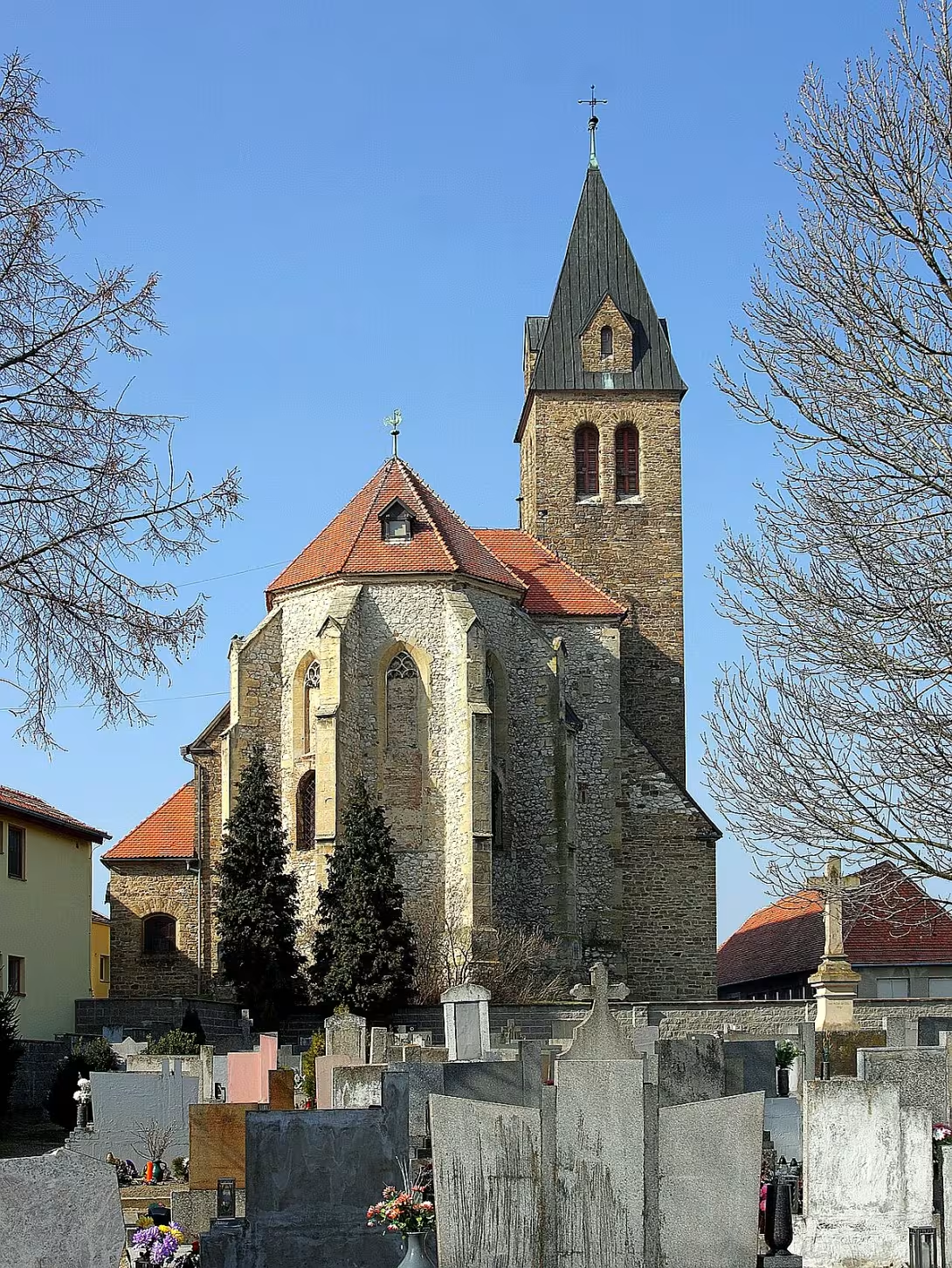
The Church of Saint John the Baptist in Zaječí is a Roman Catholic church located in the village within the Břeclav District. This historical monument serves as the parish church for the local community and was listed as a cultural monument in 1964. First documented in 1222, it has undergone significant transformations over the centuries. The most notable reconstruction occurred between 1912-1913 under architect August Kirstein. The church's evolution from a wooden structure to its current form reflects both architectural and historical developments, making it an important site for visitors interested in religious history and architecture.
The Church of Saint John the Baptist has roots tracing back to the early 13th century, during which Bohemia experienced significant political and religious changes under the Přemyslid kings. Its first documented mention dates to 1222, indicating its longstanding significance within the community. Over time, it evolved from a wooden structure into a stone building in late Gothic style around 1508. This period marked an era of fortification for the church, which included defensive features such as stonemasonry windows and surrounding walls. The church continued to adapt through various modifications, including the addition of a nave in the 17th century.
Architecturally, the Church of Saint John the Baptist showcases a blend of styles due to its extensive history of renovations and reconstructions. Initially built in late Gothic style, it was significantly transformed during the major reconstruction between 1912-1913 into a structure reflecting romantic historicism, designed by August Kirstein. The church features a single-nave layout with a polygonal apse and an added tower that stands at 43 meters high, topped with a spire. Key architectural elements include opus reticulatum pilasters in the chancel, semi-circular windows, and a vaulted ceiling in the nave. Notably, during its reconstruction, an entrance to underground passages was discovered behind the altar, adding another layer of historical intrigue.
Throughout its history, the church has seen various changes in ownership and administration, primarily under the Roman Catholic Church's jurisdiction. The parish community played a significant role in maintaining and preserving the church through different eras. Noteworthy events include the discovery of a tombstone with an inscription for priest Stanislav Reisinger from 1585 during the 1912-1913 reconstruction, which was subsequently placed in the southern wall of the church.
The Church of Saint John the Baptist has witnessed several key events and curiosities over its long history. During the major reconstruction between 1912-1913, an entrance to underground passages was discovered behind the altar, suggesting a hidden aspect of the church's past. Additionally, during this period, a tombstone with a Czech inscription for priest Stanislav Reisinger from 1585 was found and preserved within the church. The church also endured significant events such as a fire in 1848 that led to the loss of three bells, although one was later rehung.
Today, the Church of Saint John the Baptist stands as a testament to its rich history and architectural evolution. It remains an active parish church, with ongoing maintenance ensuring its preservation for future generations. The church's historical significance, combined with its unique architectural features and intriguing discoveries such as the underground passages, make it a worthwhile destination for visitors interested in exploring religious heritage and architecture.
The Church of Saint John the Baptist is not only a place of worship but also a cultural landmark that offers insights into the region's history and architectural development. Its blend of Gothic and historicism styles, along with its hidden passages and historical artifacts, provide a unique experience for those who visit. As such, it stands as an inviting site for anyone interested in delving into the past while appreciating the beauty and resilience of this remarkable monument.
Then and now
Drag the slider to compare how the landmark may have looked when it was built with the view today.
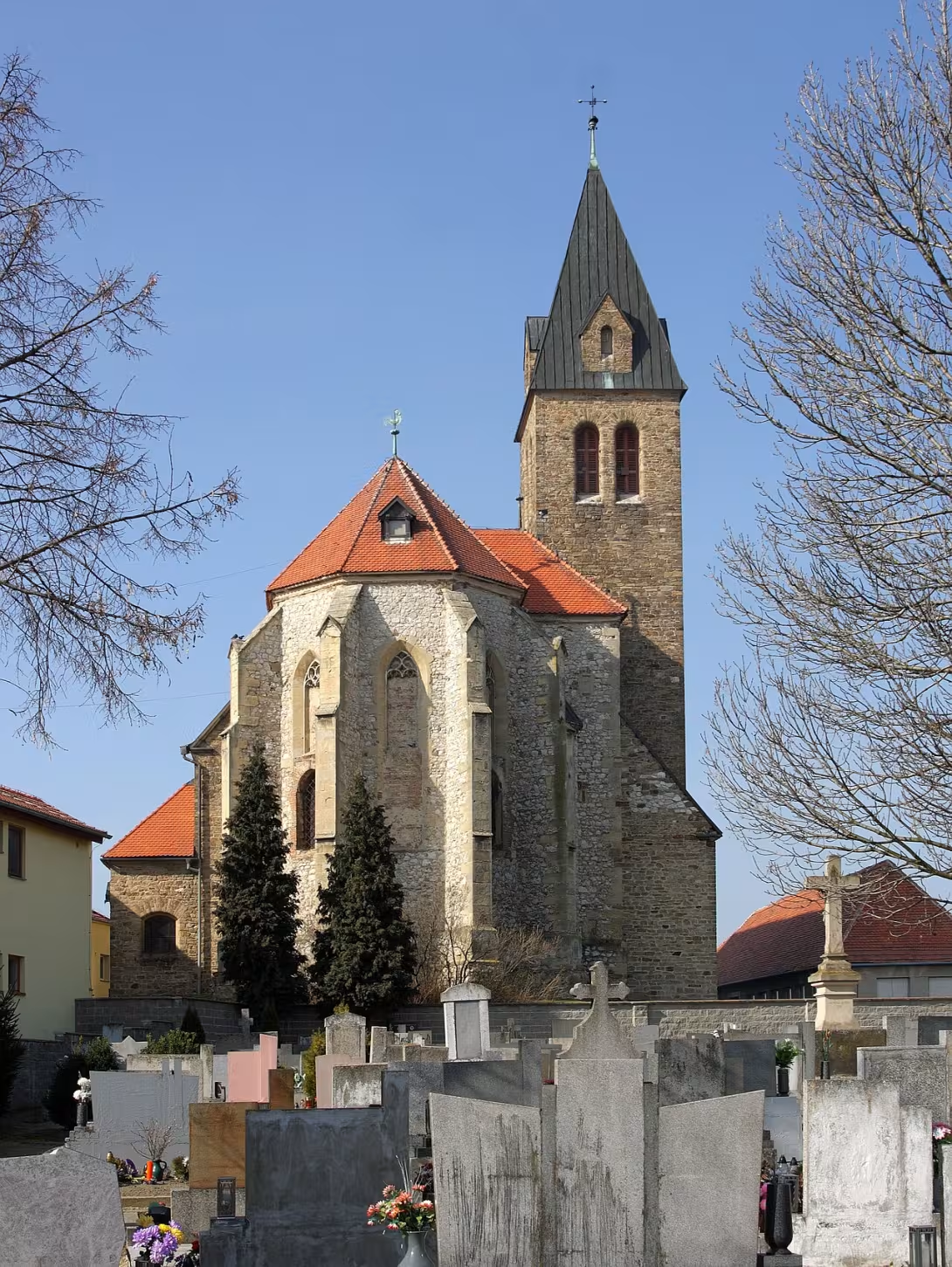
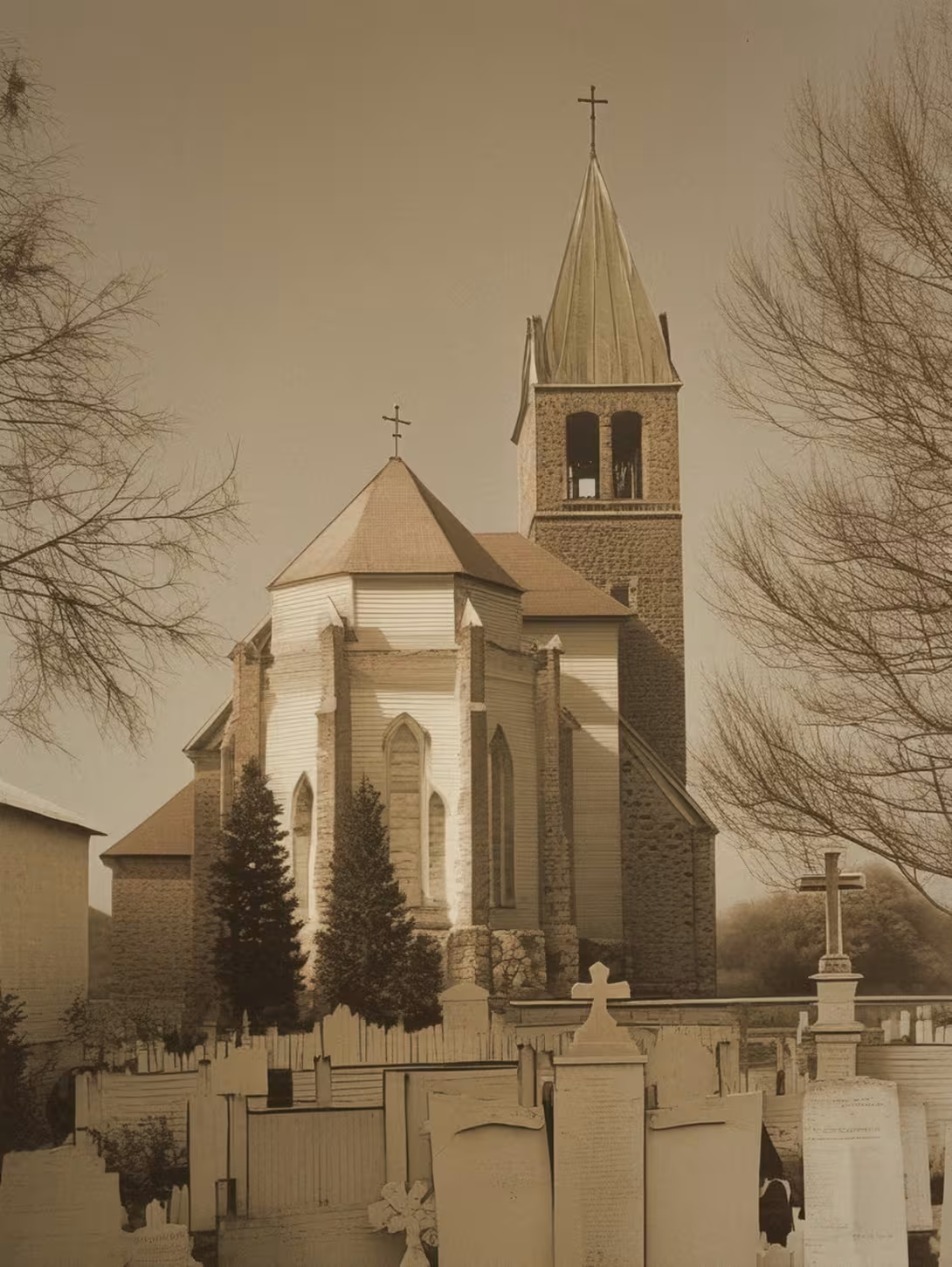
The historical appearance on the left is an AI-generated visualisation and serves as inspiration only.
Historical milestones
- 1222
- First documented mention of the parish and church.
- 1508
- Construction of a new stone church in late Gothic style.
- 1913
- Reconstruction completed with a new dedication ceremony.
Architectural development
The Church of Saint John the Baptist has evolved through several architectural phases. Initially a wooden structure, it was replaced by a stone church in late Gothic style around 1508. The church was fortified and underwent various modifications over centuries, including the addition of a nave in the 17th century. A significant reconstruction between 1912-1913 transformed it into its current form with romantic historicism elements designed by August Kirstein.
Historical events
First documented mention of the parish and church in 1222.
Major reconstruction from 1912-1913, resulting in the current historicism style.
Points of interest
- The Church of Saint John the Baptist in Zaječí has an intriguing hidden feature: during its 1912-1913 reconstruction, an entrance to underground passages was discovered behind the altar. This suggests a mysterious aspect of the church's history that remains largely unexplored.
- A fascinating artifact from the past was uncovered during the major renovations between 1912 and 1913—a tombstone with a Czech inscription for priest Stanislav Reisinger, dating back to 1585. The stone has been preserved within the church, adding an element of historical depth to its walls.
- Initially constructed in late Gothic style around 1508, the church was not only a place of worship but also served as a fortified structure. Its defensive features included stonemasonry windows and surrounding walls, reflecting the turbulent times during which it was built.
- The architectural evolution of the Church of Saint John the Baptist is marked by its transformation in the early 20th century under architect August Kirstein. This renovation introduced romantic historicism to the church's design, blending past styles with new artistic expressions.
- Despite numerous reconstructions and changes over centuries, the church has maintained a continuous connection with the Roman Catholic Church, serving as the parish church for the local community since its first documentation in 1222. Its enduring role highlights its significance within both religious and cultural contexts.
Guide
This guide is narrated by a synthetic voice generated by artificial intelligence.
Show guide text
This text was created by artificial intelligence and has not been editorially reviewed. It may contain inaccuracies.
Welcome to the Church of Saint John the Baptist in Zaječí, a remarkable testament to history and faith nestled in this charming village within the Břeclav District. As you stand before its venerable walls, take a moment to absorb the serene atmosphere that surrounds this Roman Catholic parish church, now recognized as a cultural monument since 1964.
Let's delve into the origins of this sacred site. The first documented mention of both the parish and the church dates back to 1222, marking it as an enduring fixture in the spiritual landscape of this region. By 1508, a new stone church was constructed in the late Gothic style, reflecting the architectural trends and religious fervor of that era.
As you explore further, notice how the church's architecture speaks volumes about its storied past. The dedication ceremony held in 1913 marked the completion of another significant reconstruction phase under the guidance of architect August Kirstein. While specific details of his design are not documented here, the church's current form is a testament to the careful preservation and adaptation over centuries.
Now, let’s uncover some intriguing stories linked to this place. Though many historical figures associated with its past remain anonymous, one captivating mystery invites your curiosity: during the reconstruction from 1912 to 1913, an entrance to underground passages was discovered behind the altar. This hidden feature hints at a mysterious chapter in the church's history that beckons further exploration.
As you continue to admire this architectural gem, consider the layers of stories and secrets it holds within its walls. Whether through its Gothic elements or the enigmatic tunnels beneath, there is much to discover about how this church has stood as both a place of worship and a historical landmark over the centuries.
We invite you to linger a little longer, perhaps wandering around the exterior or imagining the lives that have passed through these doors. As we conclude our audio guide, thank you for joining us on this journey into history. May your visit inspire further exploration and appreciation for the rich tapestry of stories embedded in places like the Church of Saint John the Baptist in Zaječí.
Farewell, and may your curiosity lead you to many more discoveries!
Tips for visitors
The best time to visit the Church of Saint John the Baptist in Zaječí is during late spring or early autumn. During these months, you can enjoy pleasant weather that enhances your experience as you explore the church and its surroundings. The natural light is ideal for photography, and the village tends to be less crowded compared to peak tourist seasons, allowing for a more serene visit.
It's advisable to check current routes and schedules through a local transit search tool or contact the Břeclav District transportation office for the most up-to-date information.
When planning your visit, consider bringing comfortable walking shoes as there may be some walking involved when exploring the church grounds and nearby areas. A camera is recommended if you wish to capture the architectural beauty of the church, especially during golden hour when the light is soft and warm. Additionally, carrying a small backpack with water and snacks can enhance your comfort throughout the visit.
Photography enthusiasts will find several spots around the Church of Saint John the Baptist ideal for capturing its charm. The best lighting conditions are typically in the early morning or late afternoon when the sun casts long shadows that highlight the church's features. Try to capture images from different angles, including the façade and any surrounding gardens or landscapes.
For families with children visiting the Church of Saint John the Baptist, there are a few activities to keep them engaged. While exploring the church, you can discuss its history and architecture in an interactive way. Nearby, within 30 minutes, is the village of Břeclav, which offers additional attractions such as parks and small museums that might interest children. Always ensure that your visit is planned with breaks for snacks or rest to keep young ones entertained.
Frequently asked questions
Can the monument be visited?
Religious buildings are usually open mainly during services; at other times a visit is normally arranged with the parish or the operator. We have not verified specific times.
Where is the monument?
Location: Školní, Zaječí, Jihomoravský kraj. The map on this page shows the exact spot.
Why is the monument protected?
It is listed in the Central List of Cultural Monuments of the Czech Republic as a cultural monument (register no. 32188/7-1823).
Businesses nearby
Do you run a restaurant, accommodation, shop, museum, rental, wellness or other visitor service near this monument? Show yourself directly to the people heading to it — this is how they will see you in the app and on the web:
Events nearby




Zdroj akcí: otevřená data měst a obcí ČR (Národní katalog otevřených dat) a kalendář akcí Národního památkového ústavu.
Accommodation nearby
Themed route
Thematic Tour Plan: Zaječí
1. Kostel svatého Jana Křtitele (Zaječí) - Religious Site Begin your journey at the heart of Zaječí with this stunning Baroque church, a testament to the region's rich religious heritage. The church is renowned for its beautiful architecture and intricate interior design, making it a must-visit for anyone interested in historical ecclesiastical art.
2. Local Historical Museum - Cultural Site Located just a short walk from the church, this museum offers insights into the local history of Zaječí. It's an excellent place to learn about the cultural and social developments that have shaped the area over centuries. The exhibits provide context to the architectural styles seen in the church.
3. Community Park - Recreational Area Adjacent to the museum, this park provides a serene environment for relaxation and reflection after exploring the historical sites. It's perfect for a leisurely stroll or simply enjoying the greenery and tranquility of Zaječí’s natural surroundings.
4. Historical Walking Trail - Cultural Route Starting from the community park, this trail meanders through Zaječí, offering insights into its historical landmarks and scenic views. It's an ideal way to experience the charm of the village at a leisurely pace while learning about significant local sites along the way.
5. Zaječí Village Square - Community Hub Conclude your tour in the village square, where you can immerse yourself in the local atmosphere. This central area is perfect for enjoying traditional Czech cuisine at nearby cafes or simply soaking up the vibrant community life that defines Zaječí.
This thematic tour offers a comprehensive exploration of Zaječí's cultural and historical treasures while providing opportunities to relax and enjoy the village’s charming environment.
Seasonal recommendations
Spring: Visiting the Church of St. John the Baptist during spring offers a unique experience as nature awakens around Zaječí. The church is enveloped in a palette of blossoming flowers and vibrant greenery, creating an idyllic atmosphere that enhances its historical charm. The soft, natural light filtering through the stained glass windows adds to the serene ambiance. Visitors are advised to wear comfortable walking shoes for exploring nearby gardens or paths. While crowds can be moderate due to pleasant weather, arriving in the morning is recommended to enjoy a quieter visit and capture the best lighting.
Summer: Summer is an ideal time to explore the Church of St. John the Baptist, as Zaječí basks in long daylight hours and warm temperatures, perfect for leisurely sightseeing. The church grounds are lush and inviting, providing a picturesque setting that complements its architectural beauty. However, this is also peak tourist season, so expect larger crowds. To avoid congestion, plan to visit early in the morning or late afternoon. Comfortable clothing and sun protection are essential due to the summer heat.
Autumn: Autumn brings a stunning transformation to Zaječí with vibrant foliage surrounding the Church of St. John the Baptist, offering breathtaking views that enhance its historical allure. The cooler temperatures create a cozy atmosphere, ideal for enjoying outdoor activities or simply taking in the scenery. Layered clothing is recommended to accommodate fluctuating temperatures throughout the day.
Winter: Winter transforms Zaječí into a serene and picturesque landscape, with snow often blanketing the area around the Church of St. John the Baptist, adding a magical quality to its historic architecture. Visitors should dress warmly in layers and wear appropriate footwear for potential icy conditions. Despite fewer crowds, the winter atmosphere offers a unique opportunity to experience the church in a tranquil setting.
Visualizations and artistic views


The visualisations are generated by artificial intelligence and serve as inspiration.
Photos from the area
Real photos taken near the monument


Zdroj a licence jsou uvedeny u každého snímku.
Tips from visitors
No tips yet. Be the first!
Log in and add your tip.
Sources and literature
Photos: RomanM82 / CC BY-SA 3.0 — Wikimedia Commons. The author and licence also appear when you hover over the image.
Faktickým podkladem tohoto textu byl článek na Wikipedii, jehož autory jsou přispěvatelé Wikipedie. Článek je dostupný pod licencí CC BY-SA 4.0.
Location on the map



Příběhy a pověsti
Legendy, pověsti a příběhy spjaté s touto památkou

Fotografie návštěvníků
Zatím žádné fotografie. Buďte první, kdo přidá fotografii z návštěvy!
Log in a přidejte svou fotografii nebo hodnoťte.
Za ověřenou návštěvu v aplikaci získáte víc bodů — poznáme podle GPS, že jste na místě.
Reviews and comments