






Kostel svatého Jana Nepomuckého (Tetín) Church
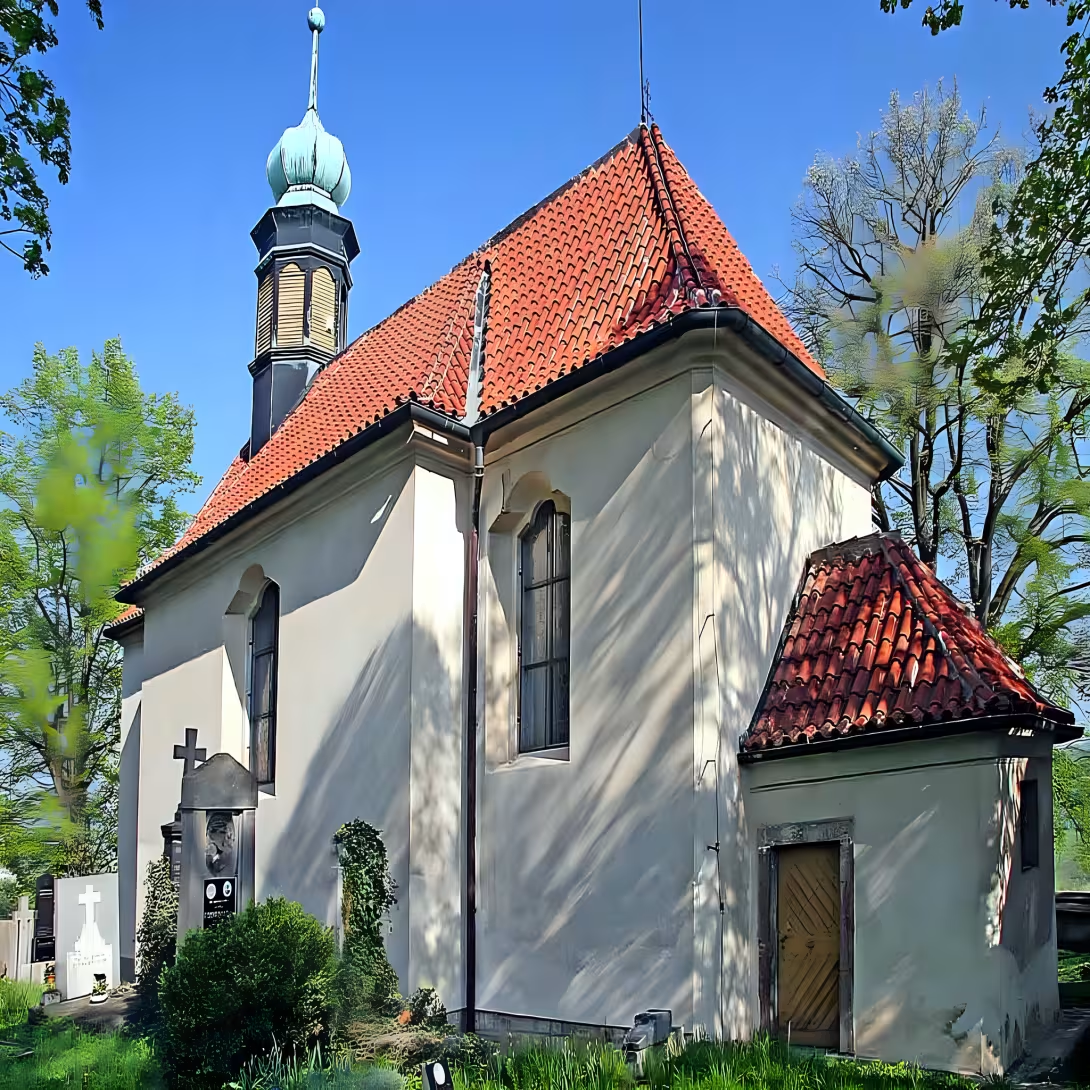
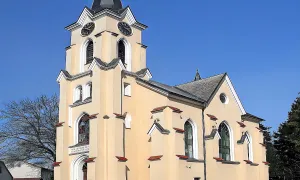
The Church of Saint John Nepomucene in Tetín stands as a testament to architectural evolution and cultural heritage. Originally dedicated to Saint Michael the Archangel, this medieval structure was built in the Romanesque style during the early 13th century when Bohemia was part of the Holy Roman Empire under King Ottokar I. Over time, it underwent significant transformations, notably into Baroque architecture in the 17th century. Today, rather than serving as a place of worship, it functions as an art gallery, showcasing its historical and artistic significance.
The church's origins trace back to a period marked by architectural developments across Central Europe, with Romanesque style being prevalent. Initially constructed as a parish church dedicated to Saint Michael Archangel, the structure was first mentioned in 1357, indicating that it likely underwent several renovations during this time. The church played an important role in the local community until the late 18th century when Josephinian reforms led to its closure due to the preference for a larger church dedicated to Saint Ludmila.
Architecturally, the Church of Saint John Nepomucene is notable for its transformation from Romanesque to Baroque style. The nave retains its original flat ceiling, while later additions include the presbytery, antechamber, and a small tower with a bulbous roof. These elements reflect the architectural trends and influences that shaped the building over centuries.
Throughout its history, the church has seen various owners and administrators who have influenced its fortunes. In the 19th century, Vojáček, the owner of Tetín Castle, played a crucial role in restoring the church. His efforts led to the rededication of the church to Saint John Nepomucene in 1836. Additionally, notable figures such as Václav Hájek z Libočan served as parish priests during its earlier history.
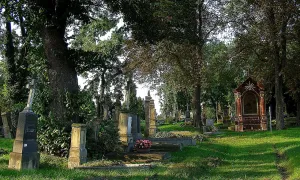
Key events and curiosities associated with the church include its transformation into an art gallery and hosting exhibitions, such as the one in 2012 featuring works by Bohuslav Rejnek and Daniel Rejnek. The surrounding cemetery holds historical significance, housing the tomb of Vácslav Vojáček, a patriotic writer and translator, and a symbolic grave of a heroine from the popular song "Nad Berounkou pod Tetínem," relocated in the 1970s.
Today, the Church of Saint John Nepomucene is accessible to visitors who are interested in exploring its rich history and artistic offerings. The church's transformation into an art gallery makes it a unique cultural site, offering insights into both its architectural evolution and its role in local heritage. Its historical significance and the stories embedded within its walls make it a worthwhile destination for those keen on discovering the layers of history that have shaped this remarkable monument.
Visitors are invited to explore the Church of Saint John Nepomucene, where history and art converge, offering a glimpse into the past while celebrating cultural achievements.
Then and now
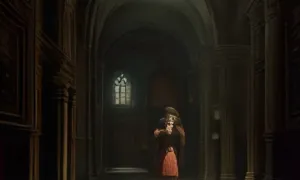
Drag the slider to compare how the landmark may have looked when it was built with the view today.
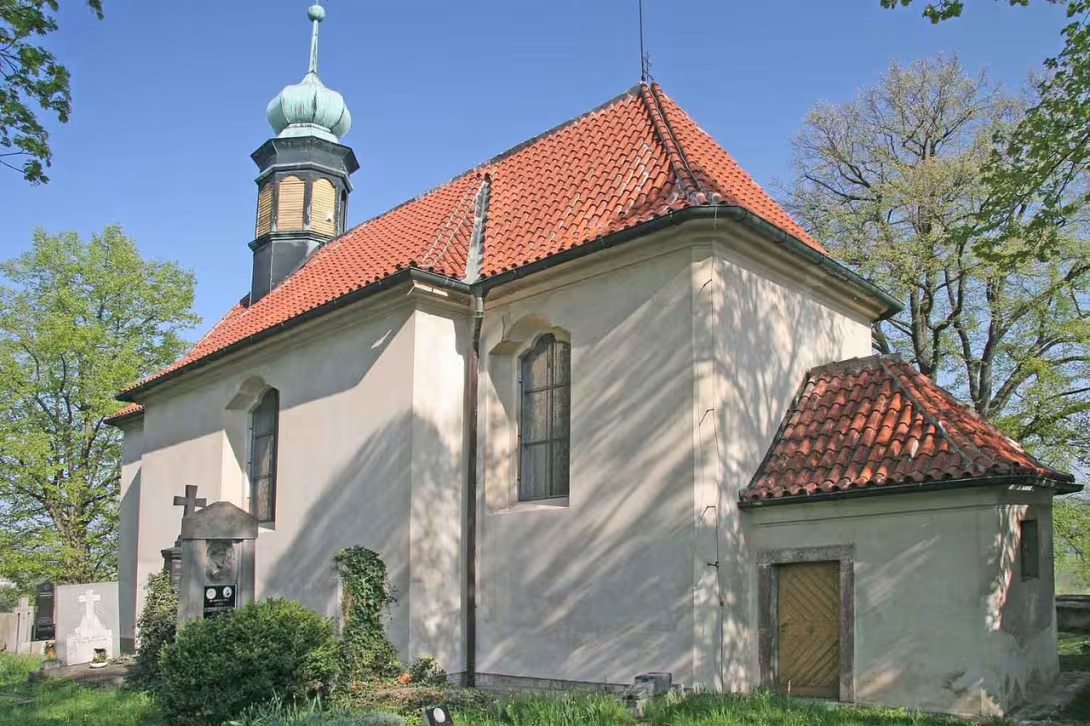

The historical appearance on the left is an AI-generated visualisation and serves as inspiration only.
Historical milestones
- kolem 1225
- Výstavba kostela ve slohu románském.
- 1357
- První zmínka o kostele v historických záznamech.
- 17. století
- Přeměna na barokní architekturu.
- konec 18. století
- Zavření kostela kvůli josefinským reformám.
- 1836
- Rededikace kostela svatému Janu Nepomuckému.
Architectural development
Originally a Romanesque structure, the Church of Saint John Nepomucene was transformed into Baroque style during the 17th century. The nave retains its flat ceiling from an earlier period, while later additions include the presbytery, antechamber, and a small tower with a bulbous roof.
Historical events
In 1357, the church was mentioned as a parish church dedicated to Saint Michael Archangel and likely underwent one of several renovations.
During Josephinian reforms in the late 18th century, the church was closed due to local preference for a larger church dedicated to Saint Ludmila.
The church was restored in the 19th century by Vojáček, the owner of Tetín Castle, and rededicated to Saint John Nepomucene in 1836.
Points of interest
- Originally dedicated to Saint Michael the Archangel, the Church of Saint John Nepomucene in Tetín was rededicated in 1836 to Saint John Nepomucene by Vojáček, highlighting a shift in religious focus and patronage.
- The church's transformation into an art gallery is a unique adaptation of its historical architecture for modern cultural use, hosting exhibitions like the one in 2012 featuring works by Bohuslav Rejnek and Daniel Rejnek.
- Despite being closed as a place of worship due to Josephinian reforms in the late 18th century, the church's role in the community was revitalized through its conversion into an art space, reflecting changing societal values over time.
- The symbolic grave of a heroine from the popular song "Nad Berounkou pod Tetínem" was relocated to the church’s surrounding cemetery in the 1970s, blending local folklore with historical commemoration.
- Notable figures like Václav Hájek z Libočan served as parish priests at the church, indicating its importance as a religious and community center during earlier periods of its history.
Guide
This guide is narrated by a synthetic voice generated by artificial intelligence.
Show guide text
This text was created by artificial intelligence and has not been editorially reviewed. It may contain inaccuracies.
Welcome to the Church of Saint John Nepomucene in Tetín, a remarkable site that has witnessed centuries of history and transformation. As you stand here, take a moment to absorb your surroundings. Before you is an architectural gem nestled within Středočeský kraj, its walls encircling both the church and cemetery, marked by an imposing entrance gate. This structure invites you into a narrative woven through time.
The origins of this church trace back to around 1225 when it was initially constructed in the Romanesque style, dedicated to Saint Michael the Archangel. The first historical mention dates to 1357, highlighting its longstanding significance within the community. Over time, particularly during the 17th century, the church underwent a significant transformation into Baroque architecture—a testament to evolving artistic and cultural influences.
As you explore further, notice how the architectural elements reflect this blend of styles. While specific details remain unnamed, the transition from Romanesque to Baroque is evident in its structural composition. The walls enclosing the site not only serve as physical boundaries but also symbolize a historical continuum, inviting reflection on past eras and their influence.
The church's history is intertwined with notable figures such as Václav Hájek z Libočan, whose contributions to regional lore add depth to this sacred place. A pivotal moment in its timeline occurred at the end of the 18th century when it was closed due to Josephinian reforms—a period marked by significant religious and societal changes.
In 1836, a new chapter began with the church's rededication to Saint John Nepomucene by Vojáček. This shift not only reflects changing devotional practices but also underscores how historical narratives are continually reshaped by those who steward them.
Today, this church stands as more than just a place of worship; it has been uniquely adapted into an art gallery. This transformation allows the building to serve contemporary cultural purposes while preserving its historical essence. It's a fascinating example of adaptive reuse that invites visitors to engage with both history and modern artistic expression.
As you continue your exploration, let yourself be drawn in by the stories encapsulated within these walls. Each corner holds echoes of the past, inviting curiosity and reflection. Whether it’s the architectural details or the rich tapestry of history, there is much to discover here.
We invite you to delve deeper into this site's intriguing narrative, uncovering layers of time that have shaped its present form. Thank you for joining us on this journey through the Church of Saint John Nepomucene in Tetín. As you move forward, may your exploration be filled with wonder and insight.
Frequently asked questions
Can the monument be visited?
Religious buildings are usually open mainly during services; at other times a visit is normally arranged with the parish or the operator. We have not verified specific times.
Where is the monument?
Location: Tetín, Středočeský kraj. The map on this page shows the exact spot.
Why is the monument protected?
It is listed in the Central List of Cultural Monuments of the Czech Republic as a cultural monument (register no. 18735/2-393).
Businesses nearby
Do you run a restaurant, accommodation, shop, museum, rental, wellness or other visitor service near this monument? Show yourself directly to the people heading to it — this is how they will see you in the app and on the web:
Events nearby


Zdroj akcí: otevřená data měst a obcí ČR (Národní katalog otevřených dat) a kalendář akcí Národního památkového ústavu.
Accommodation nearby
Trips and activities nearby
Guided tours, tickets and activities nearby from GetYourGuide
Affiliate link: if you buy from the partner, we may receive a commission. The price for you does not change.
Search tours and activities →Themed route
Tetín Thematic Walking Tour
1. Kostel svatého Jana Nepomuckého (Church of St. John of Nepomuk)
Type: Historical Church
Start your journey at the centerpiece of Tetín, the Kostel svatého Jana Nepomuckého. This stunning Baroque church is renowned for its intricate architecture and historical significance. It's a must-visit to appreciate the artistic details and learn about St. John of Nepomuk’s legacy in Czech history.
2. Tetín Cemetery (Cemetery)
Type: Historical Site
A short walk from the church, the Tetín Cemetery offers a serene atmosphere and historical gravestones that provide insight into the local heritage. It's an ideal spot for those interested in genealogy or simply seeking a peaceful moment to reflect on the past.
3. Tetín Village Square (Village Square)
Type: Cultural Hub
Continue your tour by exploring the Tetín Village Square, located near the church and cemetery. This central area is perfect for experiencing local life and culture. It's an excellent place to observe traditional Czech architecture and perhaps interact with locals.
4. Tetín Chapel (Chapel)
Type: Religious Site
Conclude your tour at a nearby chapel, which offers a more intimate setting compared to the main church. This site is perfect for those interested in religious art and history on a smaller scale, providing a quiet end to your thematic exploration of Tetín.
This walking tour encapsulates the historical and cultural essence of Tetín, offering visitors a comprehensive experience through its most significant sites.
Seasonal recommendations
Spring: Visiting the Church of St. John Nepomucene during spring offers a unique experience as nature awakens around Tetín. The surrounding landscape is adorned with blooming flowers and lush greenery, creating a picturesque setting that enhances the church's historical charm. The gentle sunlight filters through the trees, casting soft shadows on the cobblestone paths leading to the church. Visitors are advised to wear comfortable walking shoes for exploring the area and bring a light jacket as temperatures can be mild but occasionally cool. Early morning visits are recommended to enjoy the serene atmosphere before crowds gather.
Summer: Summer is an ideal time to explore the Church of St. John Nepomucene, with its warm sunlight illuminating the architectural details of this historic site. The surrounding countryside offers vibrant greenery and opportunities for outdoor activities like hiking or picnicking nearby. However, it's important to be prepared for larger crowds during peak tourist season. Visitors should plan their visit early in the day to avoid the midday heat and ensure a more relaxed experience. Comfortable footwear and sun protection are essential due to the warm weather.
Autumn: Autumn brings a stunning transformation to the Church of St. John Nepomucene, with vibrant foliage creating a breathtaking backdrop for the historic structure. The cooler temperatures make it an ideal time for leisurely exploration without the summer crowds. Visitors can enjoy the rich colors and crisp air as they stroll around the church grounds. It's advisable to wear layers, as temperatures can vary throughout the day, and bring a jacket for the evening when it gets chillier. An afternoon visit is recommended to capture the full beauty of the autumn hues.
Winter: The Church of St. John Nepomucene in winter presents a serene and enchanting atmosphere with its snow-covered surroundings and festive decorations that often adorn the area during this time. The shorter days mean visitors should plan their trip earlier in the day to make the most of the natural light, as the church may have limited hours. Warm clothing is essential due to the cold weather, including hats, gloves, and insulated layers. Despite the potential for fewer tourists, it's a wonderful season to experience the quiet beauty and historical significance of this charming site.
Visualizations and artistic views


The visualisations are generated by artificial intelligence and serve as inspiration.
Photos from the area
Real photos taken near the monument

Zdroj a licence jsou uvedeny u každého snímku.
Tips from visitors
No tips yet. Be the first!
Log in and add your tip.
Sources and literature
Photos: Zp at Czech Wikipedia / CC BY-SA 3.0, rozlišení zvýšeno umělou inteligencí — Wikimedia Commons. The author and licence also appear when you hover over the image.
Faktickým podkladem tohoto textu byl článek na Wikipedii, jehož autory jsou přispěvatelé Wikipedie. Článek je dostupný pod licencí CC BY-SA 4.0.
Location on the map

Příběhy a pověsti
Legendy, pověsti a příběhy spjaté s touto památkou
Fotografie návštěvníků
Zatím žádné fotografie. Buďte první, kdo přidá fotografii z návštěvy!
Log in a přidejte svou fotografii nebo hodnoťte.
Za ověřenou návštěvu v aplikaci získáte víc bodů — poznáme podle GPS, že jste na místě.
Reviews and comments