






Kostel svatého Jiljí (Lubenec) Church
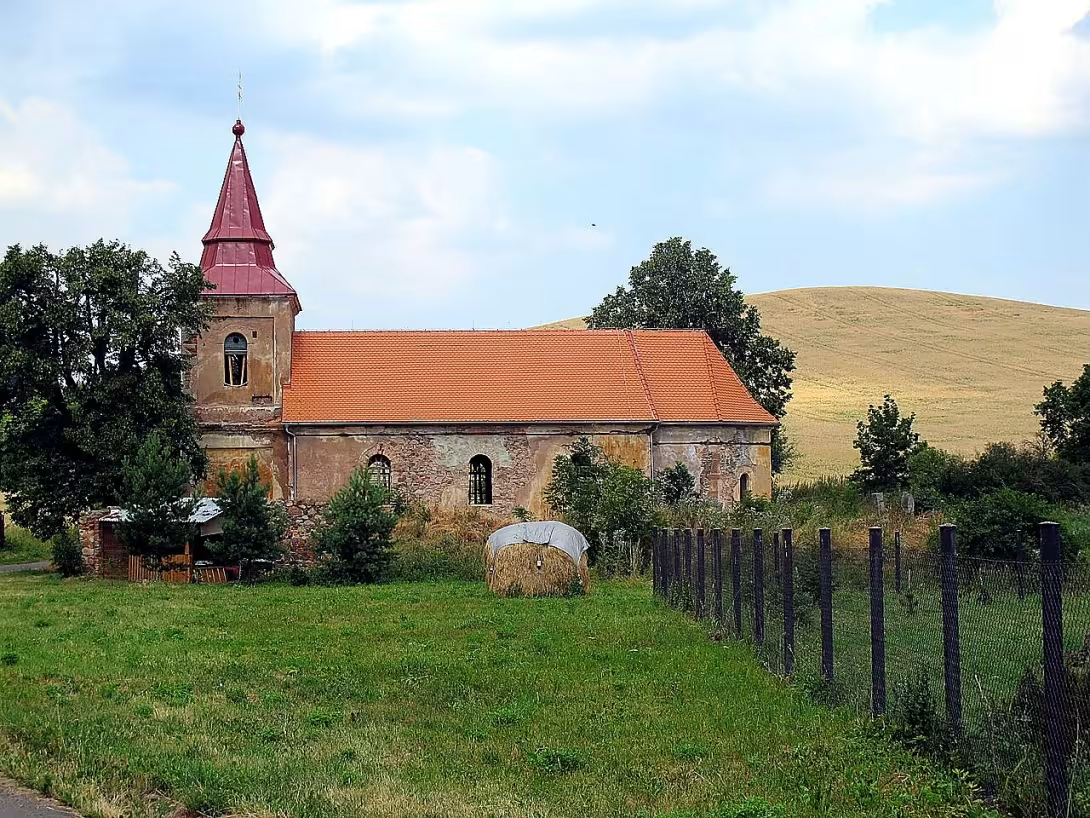
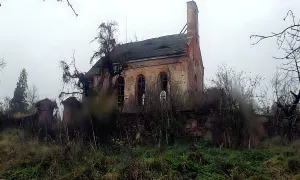
Saint Giles Church in Lubenci is a Roman Catholic church built in the late 14th century, with Gothic architecture. This cultural monument is located in the village Lubenec in the Ústí region and reflects the rich historical and architectural heritage of the region. Its importance is enhanced by its ties to local nobility and its long-term role in the community.
the church dates from the end of the 14th century when Bohemia was part of the Holy Roman Empire under Charles IV. This period meant significant cultural growth, including the promotion of Gothic architecture. The first recorded mention of the Church of St. Giles dates back to 1356, in which the local priest Stephen joined in the presentation of the new parish priest. At the beginning of the 15th century he was promoted by the nobility, namely the masters of Janovice, who lived in St Petersburg.
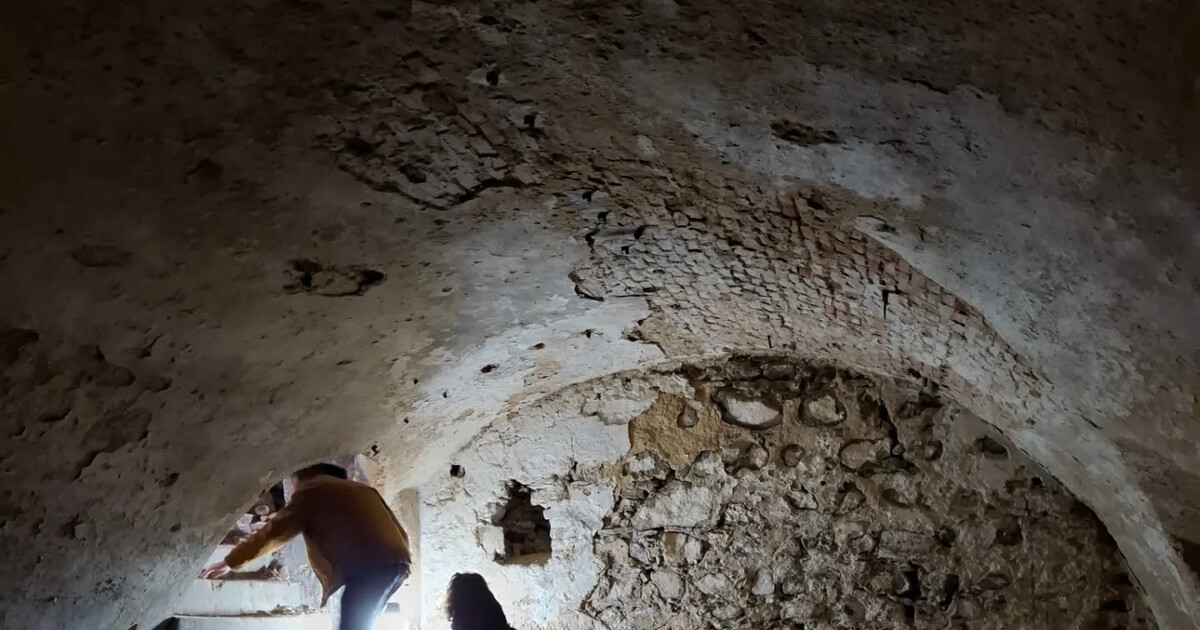
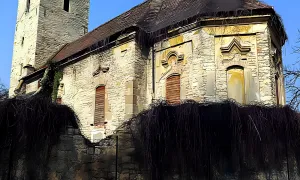
The church has Gothic elements in architecture as a triumphant arch and presbytery with an altar table. The archaeological study from 2013 to 2014 revealed that under the triumphant arc is the basis of the 12th century, suggesting that the current structure is younger than previously anticipated. The original parts include the presbytery and sections of the north wall which extend to it. The winch was extended west in the middle of the 19th century, with new windows and a tower added during this time.
The ownership and administration have recorded remarkable figures for centuries. In 1415 Jan of Janovice introduced the new priest Václav, who replaced Nicholas. By 1651, Adam Ferdinand of Strojetic was recorded as the owner, noting that no clergyman lived in the church for limited resources and neglected fields. The church had its spiritual administrator only in 1759.
In all of history, St. Giles' church has experienced various stages of restoration. In 1703, the coat of arms with the inscription indicated the restaurant work carried out that year. Significant renovation took place in the middle of the 19th century when the ship was expanded and new windows were installed. The current state of is largely due to the efforts of the local community, in particular the civil savings bank Z and the frost of the skeleton of Jitka and Richard Kant. Their work included roofing construction, restoration of sacristy, reconstruction of the entire Gothic presbytery and installation of new windows.
The Church of St. Giles is today a symbol of community resilience and historical continuity. Visitors can appreciate his architectural beauty and dedication, which preserved it for future generations. The rich history of the church and continued restoration efforts make it a valuable destination for interested people interested in the Czech cultural heritage.
Then and now
Drag the slider to compare how the landmark may have looked when it was built with the view today.
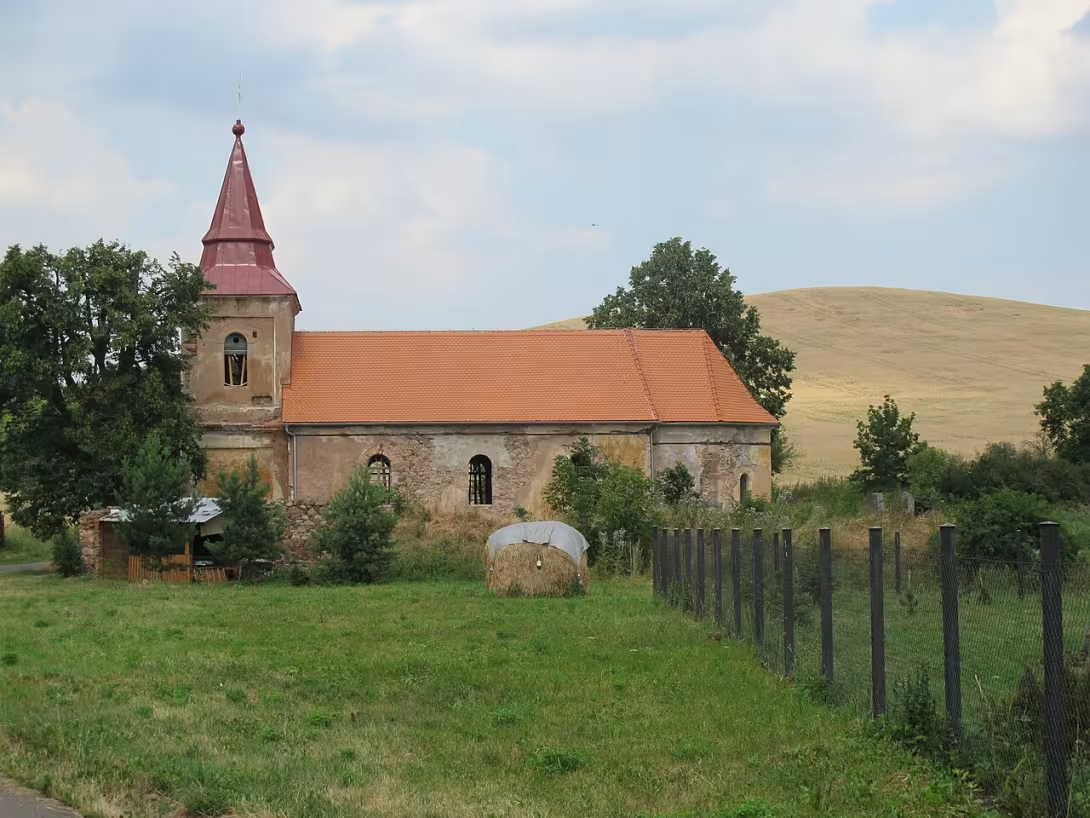
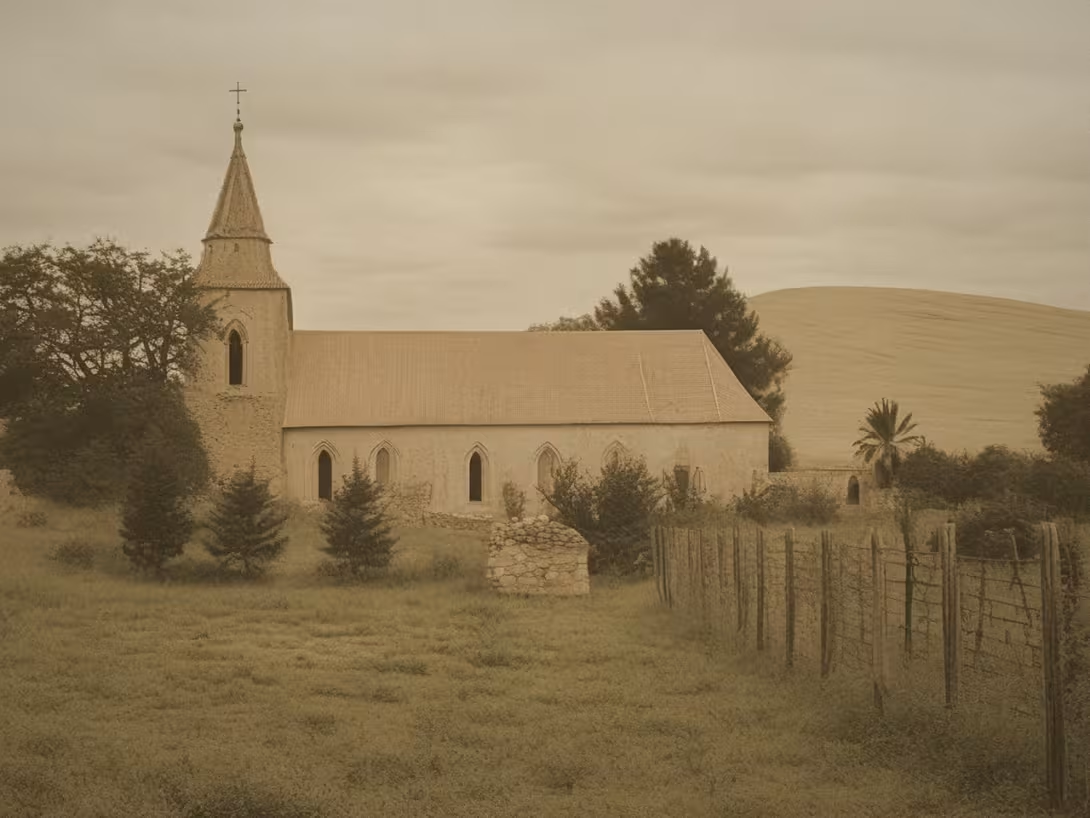
The historical appearance on the left is an AI-generated visualisation and serves as inspiration only.
Historical milestones
- 1356
- The first documented mention of the church.
- 1415
- Jan from Janovice introduced a new priest named Václav.
Architectural development
The original construction church includes presbytery and altar table, to which parts of the north wall are spread. An archaeological study in 2013- 2014 revealed the foundations under a triumphant arch dating back to the 12th century. In the middle of the 19th century, the ship was extended to the west, with new windows and a tower.
Historical events
- 1356
- The first documented mention of the church in 1356, when the local priest Stephen assisted in introducing a new parish priest.
- 1415
- In 1415 Jan of Janovice introduced a new priest named Václav, who replaced Nicholas.
Owners
- 1651
Points of interest
- The Church of Saint Giles has foundations dating back to the 12th century, discovered under his triumphant arch in 2013 archaeological studies. This suggests that parts of the church are significantly older than previously anticipated.
- In 1415 Jan of Janovice replaced the acting priest Nicholas Václav and marked one of the first recorded changes in the church's leadership associated with the influence of local nobility.
- By 1651, despite being owned by Adam Ferdinand of Strojetic, the church lacked a resident clergy due to insufficient resources and neglected fields, stressing challenges in its historical maintenance.
- In the middle of the 19th century, there were significant architectural modifications, including the expansion of the ship to the west, the installation of new windows and the replenishment of the tower, reflecting the evolving needs of the community and aesthetic preferences.
- The re-efforts were largely driven by local community initiatives, such as those led by Jitka and Richard Kant through civil association of Z. Rescue of the bones of St. Gilya, which show the role of the church as a symbol of social resilience and devotion.
Guide
This guide is narrated by a synthetic voice generated by artificial intelligence.
Show guide text
This text was created by artificial intelligence and has not been editorially reviewed. It may contain inaccuracies.
Welcome to St. Giles' church in Lubence, a remarkable testimony of history and architecture nestled in this charming location. As you stand before him, take a moment to absorb his presence - the beacon of cultural heritage that was behind the test of time.
The origin of this church dates back to the end of the 14th century, although its foundations whisper stories from earlier times. The first documented mention dates back to 1356 and marks the beginning of its history in the community. By 1415 an important event appeared when Jan of Janovice introduced Václav as the new priest who replaced Mike. This period reflects not only the religious importance, but also the deep ties of the church with local nobility and its central role in the lives of the people around it.
As you look at the structure, notice the Gothic architectural style - the testimony of the craft art of the era. While particular architects remain unknown, their work left an indelible mark on Lubence. The triumphal arch stands as a focal point, calling for your attention and curiosity about what lies beneath it.
Dive into the stories of those who shaped this place. The centurion and Jan of Janovice belong to historical figures whose lives intertwined with the storytelling of the church and added layers to rich history.
Now to uncover the fascinating mystery: recent archaeological studies in 2013 revealed the foundations of the 12th century under a winning arch. This discovery suggests that parts of this sacred place are significantly older than previously anticipated, offering a fascinating view of the past and igniting curiosity about what other secrets may be hidden in its walls.
As we conclude our short journey through time in this honorable church, I urge you to continue to explore, wander around and let your imagination wander freely. Imagine the lives that passed through this door, the prayers whispered by silent tones, and the social gatherings held under his attentive gaze. The Church of Saint Giles is not just a structure; It's a living fairy tale waiting for you to turn your site.
Thank you for joining me. Let your visit inspire reflection and discovery as you continue to uncover the layers of history that Lubenec has to offer.
Tips for visitors
The best time to visit St. Giles' church is at the end of spring or early autumn when the weather is pleasant, and the surrounding Czech rural landscapes are especially beautiful. These seasons offer mild temperatures and pulsating natural scenery that increase your experience as you explore both the church and its historical surroundings.
The possibility of parking and transport to reach Lubenec are convenient. The village is accessible by car or public transport. If driving, there is typically parking available near the center of the village. For those who use public transport, check the current routes online to find the best way to reach Lubenec from surrounding cities.
When visiting St. Giles' church, it is advisable to bring comfortable walking shoes as you want to explore the surroundings and historical remains such as St. Petersburg Chateau. In addition, consider bringing a camera or smartphone for photography, especially because the church is surrounded by a picturesque landscape that is ideal for photography.
For lovers of photography, early morning or late afternoon light provides the best natural light conditions around St. Giles' church. Soft, golden shades in these times can highlight gothic architecture and rural background beautifully. Try to capture images from different angles within the village fully appreciate its charm.
Businesses nearby
Do you run a restaurant, accommodation, shop, museum, rental, wellness or other visitor service near this monument? Show yourself directly to the people heading to it — this is how they will see you in the app and on the web:
Events nearby

Zdroj akcí: otevřená data měst a obcí ČR (Národní katalog otevřených dat) a kalendář akcí Národního památkového ústavu.
Nearby
The Church of Saint Giles is located in the village Lubenec, surrounded by a typical Czech rural landscape. A small cemetery and remnants of historical buildings such as St Petersburg Chateau are located nearby.
Accommodation nearby
Themed route
Thematic cruise route: Kostel svatého Jiljí (Lubenec)
1. Church of St. Gilji - Type: Historical landmark - Proce is worth the effort: This Baroque church is the centre of cultural and spiritual history in favour of Lubence. His architecture of 18th if all the following conditions are met:.
2. Malic Scissoring - Type: Historical site - It is worth fulfilling: It is located on short expenses from the church and offers liquid services for a reflective moment. The cemetery is home to all the monuments that are entrusted with the debt settlement.
3. The remains of St Petersburg Chateau - Type: Historical apartments - Why is worth the effort: These ruins are a bright rich history and the introduction of a secondary command on the history of the region. Despite their fragmented state, the spirit of the old days can be felt here, which is ideal for milestones of history.
This route offers, on the basis of information on the basis of culture and historical importance, in favour of Lubence, using this information.
Seasonal recommendations
Spring: The Beseda of the spring circumcision in Lubenc is reflected in the vibrant green that comes to life around the church of St. Alice. The sun elevates the stones and the moss of the skeleton with deep rays, which gives color and depth into architecture. You want ideal things based on the surrounding gardens and the contribution of trees and bushes. It is added that it is not excluded that for small temperatures, with the possibility to transmit or remove new data according to the case. You wish to achieve that it will be early in the morning or they will dine to avoid the problem of the hour, when this quantity may be a bit in more years.
Summer: In the main summer zone is the church of St. Jilje in Lubenci dazzling sun rays that have historical architecture. Warm weather adjacent tourists and smaller residents to a waste in quiet green around the church. The atmosphere is full of life, with designated boundaries on benches and families having their own port beauty. They shall ensure that they are not curly, forbidden, sunny, and an addition to drinking honest water. The best time for determination is the circumstance to be performed, either avoiding excess temperature and crowd.
Autumn: In fact, state support offers a single accreditation to the church of St. Gilya in Lubenice. Leaves on trees move into golden, red and yellow shades, which it transfers to the historical object of colored contracts. The sunny days are mild and the sun sets early, characterized by romantic romance for walking around the sights. It is recommended that, in the light of the above, it is not necessary to do so and not to sleep with the Handkerchief because autumn can be promotional. It is not known that based is included early morning or possible evening when this is a resting field and auxiliary equipment.
Winter: The winter value of the St Jilji cube in Lubenci offers a completely different collection. A church standing still and quiet, covered with snow or a drooling meter that transfers magic to its historical architecture. A mild cabbage area can be covered with a light snow, a conserving idyllic landscape for photography and relaxation. It is not necessary to wear a warm suit with protective springs intended for use, such as other gloves and hat. The tarnishing duration of the monuments may be lower than the value given in the Annex in order to establish that the church may be sintered with light.
Visualizations and artistic views


The visualisations are generated by artificial intelligence and serve as inspiration.
Photos from the area
Real photos taken near the monument

Zdroj a licence jsou uvedeny u každého snímku.
Tips from visitors
No tips yet. Be the first!
Log in and add your tip.
Sources and literature
Photos: Gortyna / CC BY-SA 3.0 — Wikimedia Commons. The author and licence also appear when you hover over the image.
Faktickým podkladem tohoto textu byl článek na Wikipedii, jehož autory jsou přispěvatelé Wikipedie. Článek je dostupný pod licencí CC BY-SA 4.0.
Location on the map
Příběhy a pověsti
Legendy, pověsti a příběhy spjaté s touto památkou

Příběh: Kostel svatého Jiljí (Lubenec)
Bylo to v pondělí ráno, kdy Petr z Lubince se ponořil do svého nejhlubšího pocitu zoufalství. Věděl, že musí překonat něco nepopsaného — mimořádnou vinu, kte…
Číst příběh
Pověst: Kostel svatého Jiljí (Lubenec)
Podle místní pověsti, kterou si staří obyvatelé Libyně předávali od nepaměti, není kostel svatého Jiljí vystavěn na pouhé zemi — nýbrž nad tajemstvím, jehož …
Číst příběhFotografie návštěvníků
Zatím žádné fotografie. Buďte první, kdo přidá fotografii z návštěvy!
Log in a přidejte svou fotografii nebo hodnoťte.
Za ověřenou návštěvu v aplikaci získáte víc bodů — poznáme podle GPS, že jste na místě.
Reviews and comments