






kostel svatého Jiří (Strachotice) Church
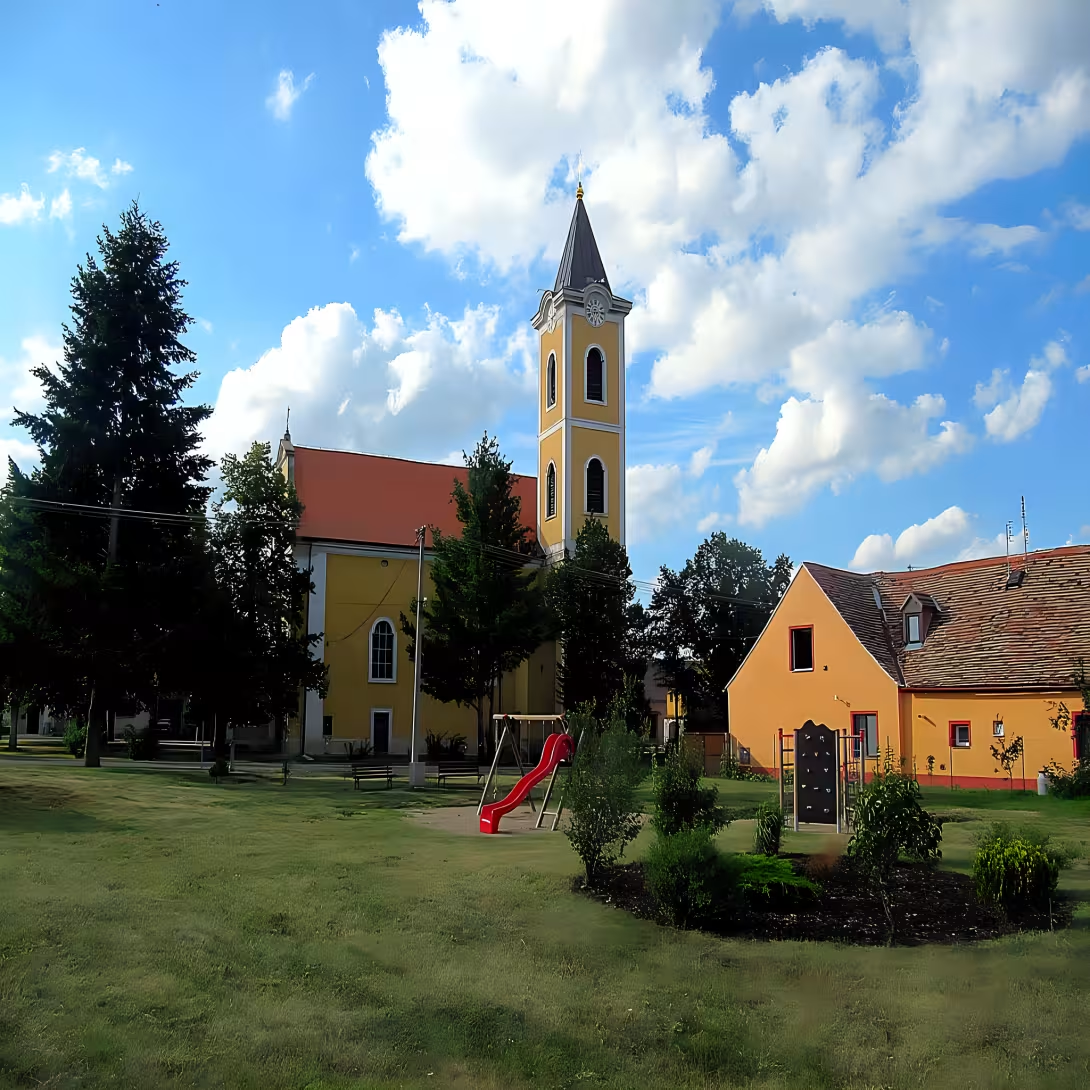
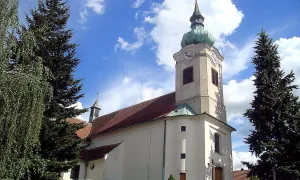
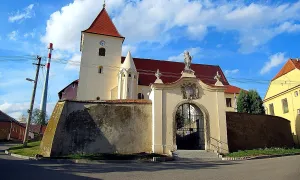
The Church of Saint George in Strachotice is a Roman Catholic parish church located in the village of Strachotice within the Znojmo District of the Czech Republic. Recognized as a cultural monument, this Baroque-style edifice stands out for its historical significance and architectural features. Originally commissioned by Loucký opat Mayer in 1744, it suffered destruction by fire in 1766. It was subsequently rebuilt and consecrated by Bishop Maxmilián z Hamiltonu. Notable elements include three altars, an organ from 1802, and a cartouche with the emblem of the Loucké opatství above the entrance.
The origins of the Church of Saint George date back to the mid-18th century when Bohemia was part of the Habsburg Monarchy. This period marked significant cultural and architectural development influenced by Baroque art, which saw a flourishing of religious architecture across Europe. The church's initial construction in 1744 reflects this broader trend, commissioned by Loucký opat Mayer as part of the region’s ecclesiastical expansion.
Architecturally, the Church of Saint George embodies the Baroque style, characterized by its grandeur and attention to detail. After the fire in 1766, it was rebuilt with these stylistic elements intact. The church features three altars that contribute to its religious significance, as well as an organ from 1802, which adds both historical and musical value. A cartouche bearing the emblem of the Loucké opatství, attributed to sculptor Jiří A. Heinze, is prominently placed above the entrance, marking a connection to its monastic past.
Throughout its history, the church has undergone several modifications under different administrators. After its reconstruction in 1766 by Bishop Maxmilián z Hamiltonu, further changes were made to enhance its structure and functionality. In 1910, the tower was heightened, and in 1961, a new bell was installed on it. These adjustments reflect ongoing efforts to maintain and improve the church over time.
Key events in the church's history include its original commissioning by Loucký opat Mayer in 1744, followed by its destruction by fire in 1766. The rebuilding process not only restored the structure but also reaffirmed its place within the community as a significant religious site. These events highlight the resilience and enduring importance of the Church of Saint George.
Today, the Church of Saint George remains an accessible cultural monument, inviting visitors to explore its rich history and architectural beauty. Its status as a protected heritage site underscores its value not only to Strachotice but also to the broader historical narrative of the region. Visitors are encouraged to appreciate this remarkable example of Baroque architecture and its storied past.
The Church of Saint George in Strachotice is more than just an architectural landmark; it is a testament to the cultural and religious history of the area. Its preservation allows contemporary audiences to connect with the past, offering insights into the artistic and spiritual life of 18th-century Bohemia. This monument stands as a worthy destination for those interested in exploring the depths of Czech heritage.
Then and now
Drag the slider to compare how the landmark may have looked when it was built with the view today.
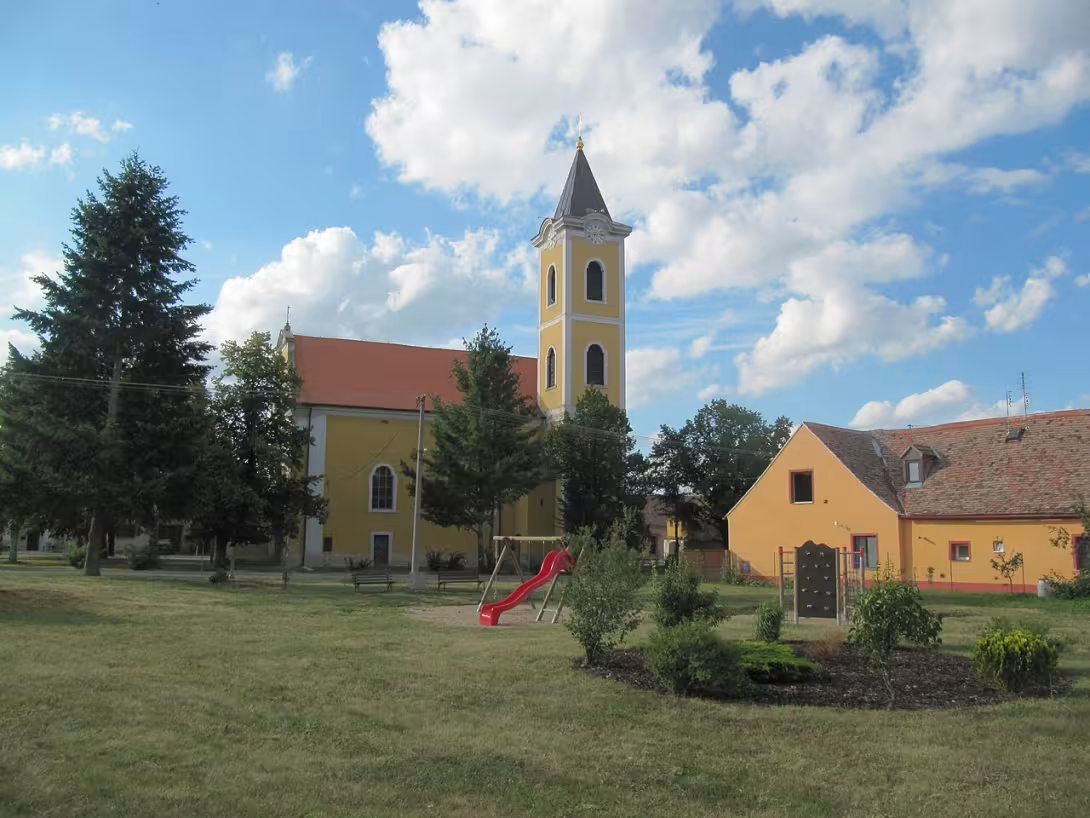
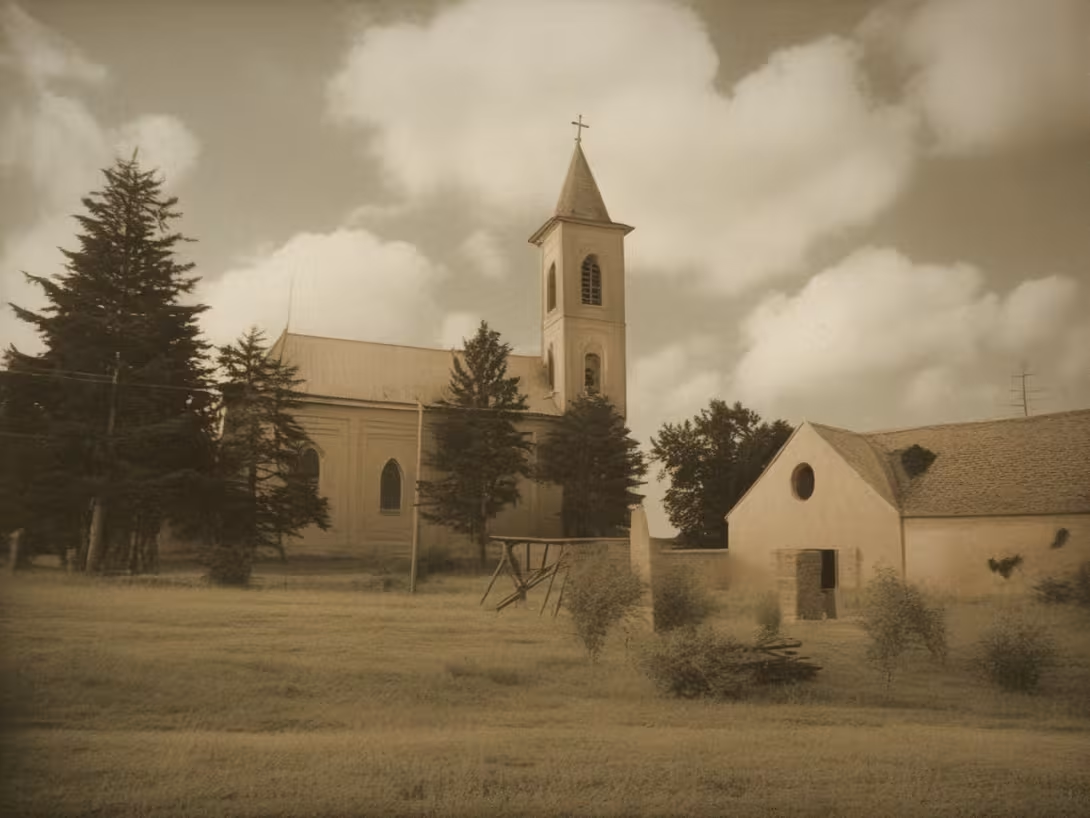
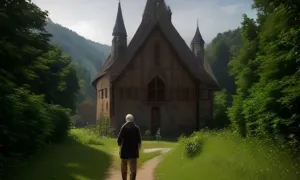
The historical appearance on the left is an AI-generated visualisation and serves as inspiration only.
Historical milestones
- 1744
- Church of Saint George commissioned by Loucký opat Mayer.
- 1766
- Church destroyed by fire and subsequently rebuilt.
- 1802
- Installation of the organ in the church.
- 1910
- The church tower was heightened.
- 1961
- A new bell installed on the church tower.
Architectural development
The Church of Saint George underwent significant architectural development, starting with its original construction in 1744. After a fire destroyed it in 1766, it was rebuilt and consecrated by Bishop Maxmilián z Hamiltonu. The church features Baroque elements, including three altars and an organ from 1802. Further modifications included the heightening of the tower in 1910 and the installation of a new bell in 1961.
Historical events
- 1744
- The original construction of the Church of Saint George was commissioned by Loucký opat Mayer.
- 1766
- The church burned down and was later rebuilt.
- 1910
- The church tower was heightened.
- 1961
- A new bell was installed on the church tower.
Points of interest
- The Church of Saint George was originally commissioned by Loucký opat Mayer in 1744, a notable figure whose patronage reflects the influence of monastic orders in architectural developments during the Baroque period. - After its destruction by fire in 1766, Bishop Maxmilián z Hamiltonu oversaw its reconstruction, highlighting his role not only as a religious leader but also as an influential figure in cultural restoration efforts within the Habsburg Monarchy's territories. - The organ installed in 1802 is a rare example of early 19th-century craftsmanship that has survived through centuries, providing both historical insight and musical heritage to the church's legacy. - A cartouche bearing the emblem of the Loucké opatství above the entrance was crafted by sculptor Jiří A. Heinze, linking the church's architectural features directly with monastic artistry and identity from that era. - The church underwent significant structural enhancements in 1910 when its tower was heightened, reflecting evolving architectural techniques and the community’s commitment to maintaining the building’s prominence over time.
Guide
This guide is narrated by a synthetic voice generated by artificial intelligence.
Show guide text
This text was created by artificial intelligence and has not been editorially reviewed. It may contain inaccuracies.
Welcome to Strachotice, where you are currently standing before a unique and historically rich monument - the Church of Saint George. This baroque church, standing as a cultural monument of the Czech Republic, offers countless opportunities for exploration and reflection on the history of this area.
When you look at the Church of Saint George, you can notice its impressive architecture. Although specific details are not mentioned, we would like to draw your attention to the façade and the overall baroque flair that is evident here. Notice how it attracts attention with its elegance and historical significance.
Let's dive into its rich history. The church was founded at the beginning of 1744 by Abbot Mayer from Louka, reflecting the influence of monastic orders on architectural developments of the time. However, tragedy struck when the church was destroyed in a fire in 1766. Despite being an era of great changes and discord, the local community joined forces with church leaders to rebuild the church. This task was overseen by Bishop Maximilian Hamilton, who not only restored the church but also consecrated it.
Now, pay attention to key stories and personalities associated with this monument. Abbot Mayer from Louka was not just a founder but also symbolizes the spiritual and cultural influences of that time. Bishop Maximilian Hamilton, who rebuilt the church after the tragedy, is another significant figure whose contribution is invaluable for preserving this historical site.
An interesting point to note is the organizational and architectural resilience of the church. Despite the fire in 1766, the church was not only restored but also expanded, demonstrating its importance to the Strachotice community. In 1802, an organ was installed, and in 1910, the church tower was raised, adding a new dimension to its architecture.
Let's look at other key moments. In 1961, a new bell was placed on the church tower, adding another layer of history and culture to its already rich heritage.
Now that we have gone through some key aspects of this captivating place, we invite you to immerse yourself in its atmosphere and ponder what stories might be hidden within each stone. The Church of Saint George is not just a monument to our past but also living proof of resilience and hope.
Thank you for visiting the Church of Saint George in Strachotice. We hope this guide has provided an overview of its rich heritage and history. If you decide to explore more, which we highly recommend, many other interesting sights await discovery in this beautiful region of the South Moravian Region. Until next time, have a nice day and lots of new experiences!
Frequently asked questions
Can the monument be visited?
Religious buildings are usually open mainly during services; at other times a visit is normally arranged with the parish or the operator. We have not verified specific times.
Where is the monument?
Location: Strachotice, Jihomoravský kraj. The map on this page shows the exact spot.
Why is the monument protected?
It is listed in the Central List of Cultural Monuments of the Czech Republic as a cultural monument (register no. 32538/7-6746).
Businesses nearby
Do you run a restaurant, accommodation, shop, museum, rental, wellness or other visitor service near this monument? Show yourself directly to the people heading to it — this is how they will see you in the app and on the web:
Accommodation nearby
Themed route
Thematic Walking Tour: The Charm of Strachotice
1. Kostel svatého Jiří (St. George's Church) - Type: Historical Church - Why Visit: Begin your journey at the heart of Strachotice with this stunning example of Baroque architecture, featuring intricate frescoes and a rich history that dates back to the 18th century. The church is not only a place of worship but also a testament to the cultural heritage of the region.
2. Obecní úřad (Municipal Office) - Type: Administrative Building - Why Visit: Located just a short walk from the church, this building offers insights into local governance and community life in Strachotice. Its architecture reflects the town's historical development, providing a glimpse into how public administration has evolved over time.
3. Stará škola (Old School) - Type: Historical Educational Building - Why Visit: A few minutes' walk from the municipal office, this building once served as an educational institution and now stands as a reminder of the town's commitment to learning and development. Its preserved structure offers a fascinating look at traditional school architecture.
4. Náves (Town Square) - Type: Central Plaza - Why Visit: Conclude your tour in the heart of Strachotice, where the town square serves as a vibrant gathering place for locals and visitors alike. Surrounded by historical buildings, it offers a perfect spot to reflect on the day's journey and enjoy the local atmosphere.
This tour provides a comprehensive exploration of Strachotice's cultural and historical landmarks, offering insights into its architectural beauty and community spirit.
Seasonal recommendations
Spring: Visiting the Church of St. George during spring offers a unique experience as nature awakens around Strachotice, with blooming flowers and lush greenery enhancing the church's historic charm. The soft light of longer days casts gentle shadows across the stonework, creating an ethereal atmosphere that complements the site’s tranquil beauty. This is an ideal time to explore without the crowds typical in peak tourist seasons, allowing for a more intimate connection with history. Visitors are advised to wear comfortable walking shoes and layers, as spring weather can be unpredictable; mornings may require a light jacket while afternoons become warmer.
Summer: In summer, the Church of St. George is bathed in vibrant sunlight, highlighting its architectural details against clear blue skies. The warm atmosphere invites visitors to linger outside, enjoying picnics or simply soaking in the serene surroundings. However, this season also brings increased visitor numbers, especially during midday when the sun is at its peak. To avoid crowds and ensure a more pleasant visit, it's recommended to arrive early in the morning or later in the afternoon. Comfortable footwear and light clothing are essential for navigating the site comfortably in the summer heat.
Autumn: Autumn transforms the Church of St. George into a picturesque scene with vibrant foliage creating a stunning backdrop that enhances its historical allure. The cooler temperatures make walking around more comfortable, while the soft autumnal light adds a warm glow to the church's architecture. This season is perfect for photography enthusiasts looking to capture the site in its most colorful state. Visitors should dress warmly and consider bringing an umbrella or raincoat, as weather can be unpredictable with sudden showers.
Winter: The Church of St. George takes on a quiet, mystical quality during winter, with snow often blanketing the surrounding landscape, creating a serene and almost magical atmosphere. Shorter days mean earlier closures, so planning your visit to coincide with daylight hours is essential. Winter's crisp air can be invigorating but also requires visitors to dress warmly in layers, including hats and gloves, to stay comfortable during their exploration. The reduced number of tourists allows for a peaceful experience, making it an ideal time for those seeking solitude amidst historical beauty.
Visualizations and artistic views


The visualisations are generated by artificial intelligence and serve as inspiration.
Photos from the area
Real photos taken near the monument


Zdroj a licence jsou uvedeny u každého snímku.
Tips from visitors
No tips yet. Be the first!
Log in and add your tip.
Sources and literature
Photos: palickap / CC BY 3.0, rozlišení zvýšeno umělou inteligencí — Wikimedia Commons. The author and licence also appear when you hover over the image.
Faktickým podkladem tohoto textu byl článek na Wikipedii, jehož autory jsou přispěvatelé Wikipedie. Článek je dostupný pod licencí CC BY-SA 4.0.
Location on the map



Příběhy a pověsti
Legendy, pověsti a příběhy spjaté s touto památkou
Fotografie návštěvníků
Zatím žádné fotografie. Buďte první, kdo přidá fotografii z návštěvy!
Log in a přidejte svou fotografii nebo hodnoťte.
Za ověřenou návštěvu v aplikaci získáte víc bodů — poznáme podle GPS, že jste na místě.
Reviews and comments