



Kostel svatého Klementa ve Staré Boleslavi Church
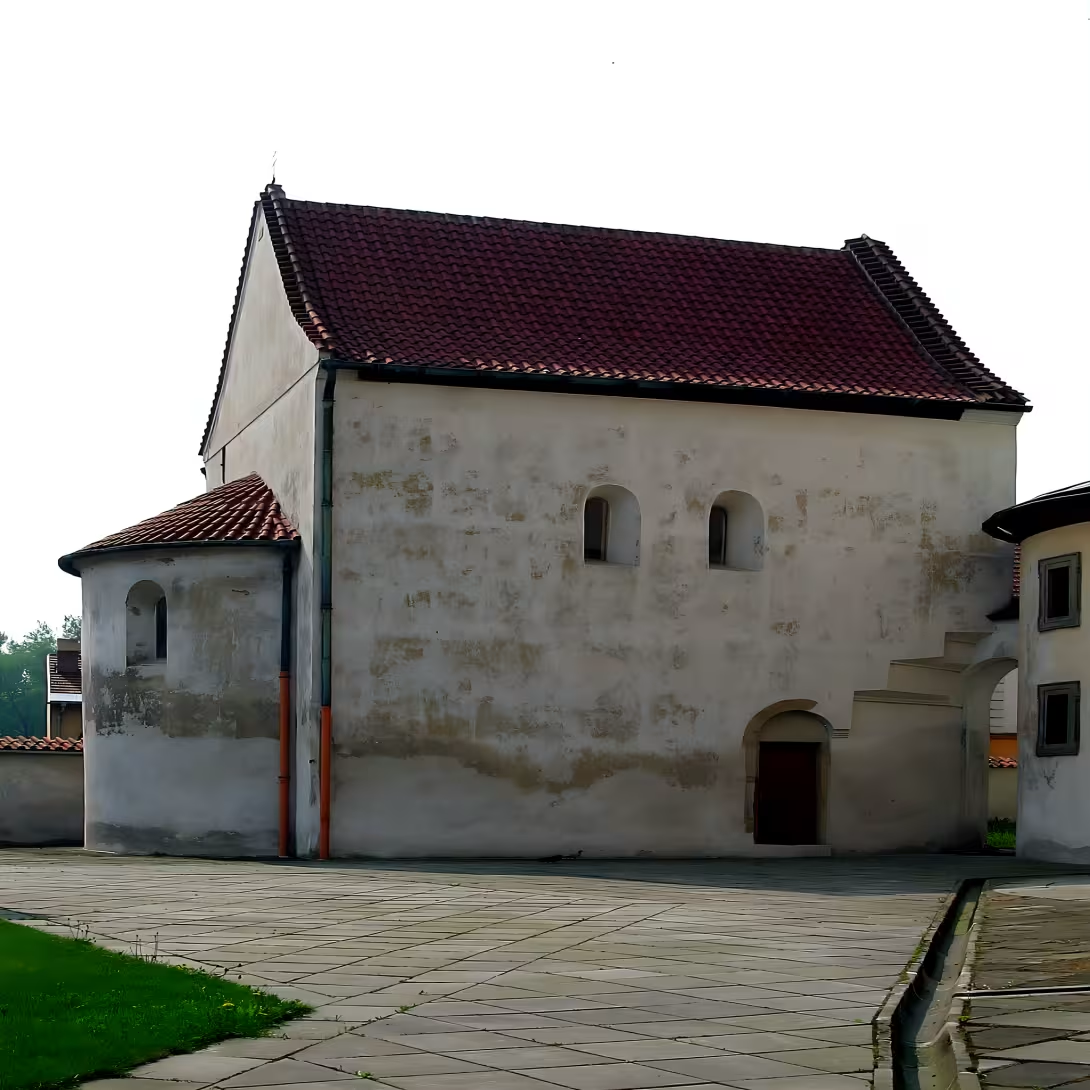
The church of St. Clementus dedicated to Pope Klimenta stands close to St. Wenceslas's Basilica. The Romanesque temple from the 11th century is the oldest preserved building of Staré Bloslav, which has been preserved in almost unchanged form. Stone portals and half-circle apsid make this humble church one of the most important monuments of medieval construction in Bohemia.
The stone core of the church was founded in the 11th century, but the oldest stone building was preceded by a wooden building from the 10th century. Today's romantic form was acquired only in the third quarter of the 12th century. Its location was not an accident - in the western part there was a tribune for a prince or a great man, connected to the palace by a wooden bridge. The church thus served the ruling classes rather than the ordinary community of believers.
The Middle Ages brought a church of disaster. In the 15th century, Hussite troops burned it. It was only in 1601 that Václav Albín from Helfenburg and the capitular Dean Jiří Steinwasser took over the restoration. A worse destruction was caused by a 30-year war - the Swedes severely damaged the church, as evidenced by traces of fire and cracks in the vault discovered at the last restaurant. The new vault was not installed until 1857. The church served as a residence for the old Boyslav chapter until 1788.
It is an architectural building with a semi-circular apside on the east side and stone portals on the west and north sides. The inner space measures 7.45 × 4.55 metres. The dominance of the interior is a graduated victory arch. After two narrow windows in the side walls and two windows in the apsid, the temple is illuminated by natural light. In the western part, there was a bleachers with originally direct wooden entrance, which was later walled and replaced by a gothic window.
In 1927 Jan Paulys performed extensive modifications - replaced the roofing and facade. He placed Gothic stone altar boards from the Prague church of St. Philip and James, demolished in 1891. After decades of decline, the church received the status of the National Cultural Monuments at the end of the 20th century.
In the autumn of 2002 the temple was opened to the public after 25 years of the restaurant. The archaeological survey revealed the original Romanesque pavement and traces of even older wooden structures. The interior is equipped with new equipment in the spirit of the original style: a sprinkler from Pavel Baxy's workshop, oak seats from Milan Novák and more than a two-metre cross from the ancient wood extracted from the Elbe. Today the church is among the most valuable Czech monuments of the Romanesque era and is part of the celebrations of the Day of Czech statehood.
Then and now
Drag the slider to compare how the landmark may have looked when it was built with the view today.
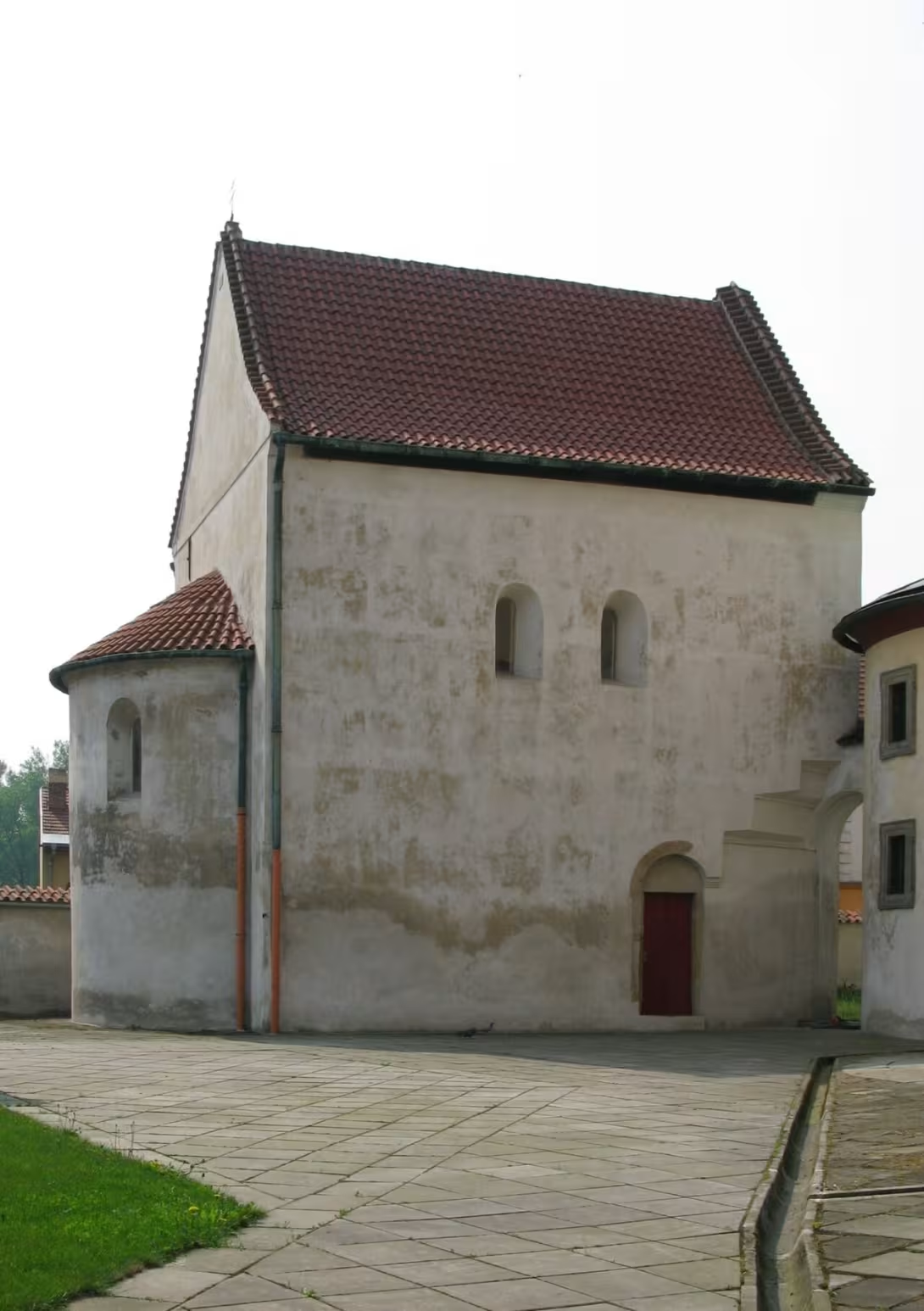

The historical appearance on the left is an AI-generated visualisation and serves as inspiration only.
Historical milestones
- 2002
- After an extensive restaurant, the church was reopened for the public.
- 1990
- The church and basilica of St. Wenceslas were declared a national cultural monument.
Architectural development
St. Clemente's church has a one-boat Romanesque structure with a half-circle apside and stone portals. The interior is decorated with a graduated victory arch and wall paintings that were discovered during the restaurant. In the 19th century, the ship was encased with a new vault.
Historical events
- 1046
- The consecration of St. Wenceslas Church, which is part of the complex.
- 15th century
- The church was burned by Hussite troops.
- 1601
- The restoration of the church was carried out by Probošt. Václav Albino of Helfenburg and by the Capitual Dean Jiří Steinwasser.
Owners
The possession of the church of St. Clemente in Old Bloslav has changed over the centuries. Originally, he was probably the property of the Benedict monastery that worked here. In the 15th century he became the property of the archbishop. Today the church is under the administration of the Roman Catholic Church and serves as a place of religious cult and cultural monument.
Points of interest
- It's the oldest preserved building in the 11th century. - There was a wooden building in front of the stone core of the church here in the 10th century. - There was a tribune in the west for a prince or a great man who was connected to the palace by a wooden bridge. - There are Gothic stone altars from the Prague church of St. Philip and James in the apsid. - The interior adorns more than a two-metre cross of ancient wood pulled out of the Elbe.
Guide
Show guide text
This text was created by artificial intelligence and has not been editorially reviewed. It may contain inaccuracies.
Welcome to this historic place where we are today in front of the church of St. Clemente in Old Bloslav. This church is not only one of the oldest buildings in this part of Bohemia, but also a key monument to Romanesque architecture. As you look at its robust walls and facade, you can feel a deep sense of the past that this building carries.
Let's think about the origin of this church. St. Clemente's church has its roots dating back to the 11th century and is dedicated to the Holy Pope Clemente. Originally on the site of a stone building stood a wooden chapel in the 10th century, reflecting the spiritual importance of this place already in the early Middle Ages. Over the years, this church became not only a religious centre, but also a witness to many historical events.
Look up at the facade and notice its simplicity and elegance. The church has the shape of a rectangle with a branch chapel, which is a typical feature of Romanesque churches at the time. Its central part is decorated with apse, where there are Gothic stone altar boards from Prague monastery. These plates are a reminder of rich historical connections and artistic heritage.
A key moment in the history of the church was its survival of several difficult times, such as the Hussite Wars and the Swedish Penalty. Despite this time test, the church was preserved thanks to repeated restaurants. In 1990, the church, along with the basilica of St. Wenceslas, was declared a national cultural monument, which confirms its importance.
Now let's look at one of the attractions of this place. There was once a tribune in the western part of the church for a prince or a great man who was connected to the palace by a wooden bridge. This detail reminds us of how much this church has served as a meeting and decision point in the history of Old Bloslav.
Let the atmosphere pass through your heart and let's look further. In 2002, after an extensive restaurant, the church was reopened to the public, allowing us to enjoy its beauty and historical stories today.
By inviting you to further explore the conclusion, I say if you have time, do not forget to look at the surrounding Stara Bloslav. The city itself is full of historical monuments and stories waiting to be discovered. Whether you walk through the streets or look at other sights, each step brings you closer to understanding the rich history of this place.
Thank you for your attention and I hope this guide has helped you better understand the spiritual and cultural importance of St. Clemente's Church. When we meet on another historic journey!
Tips for visitors
For the best experience we recommend a visit on bright days, when natural light beautifully highlights the Romanesque shapes of the oldest construction city. For photography are the most suitable places near the entrance, from where you can see the whole architecture of the church.
You can reach the monument by car and public transport.
Take drinking water and comfortable shoes to move in the historic area. It is good for families with children to prepare a short story about the history of the place to make the tour for the smallest interesting.
You can also visit another important monument, which is the Basilica of St. Wenceslas, located on the same premises.
Frequently asked questions
Can the monument be visited?
Religious buildings are usually open mainly during services; at other times a visit is normally arranged with the parish or the operator. We have not verified specific times.
Where is the monument?
Location: Maxe Švabinského, Stará Boleslav, Brandýs nad Labem-Stará Boleslav, Středočeský kraj. The map on this page shows the exact spot.
Why is the monument protected?
It is listed in the Central List of Cultural Monuments of the Czech Republic as a national cultural monument (register no. 188). It is protected as part of a larger listed ensemble.
Businesses nearby
Do you run a restaurant, accommodation, shop, museum, rental, wellness or other visitor service near this monument? Show yourself directly to the people heading to it — this is how they will see you in the app and on the web:
Nearby
Bazilika sv. Václava je další významná památka na stejném areálu.
Kostel se nachází v historické oblasti Staré Boleslavi, známé pro svou bohatou historii a kulturní dědictví.
Accommodation nearby
Trips and activities nearby
Guided tours, tickets and activities nearby from GetYourGuide
Affiliate link: if you buy from the partner, we may receive a commission. The price for you does not change.
Search tours and activities →Themed route
1. St. Wenceslas Basilica - church. A significant monument with a rich history, located within the same area. 2. Reservation tank - outdoor area. It connects the main shrine and allows you to explore the immediate surroundings of the monuments. 3. Church of St. Clemente - Church. The main objective of the visit, which represents an important part of the cultural heritage of Staré Bloslav.
Seasonal recommendations
In spring, the church surrounds the awakening nature and fresh green, which contrasts beautifully with the facade. The light is delicate and pleasant for observing the details of the building. I recommend wearing more layers of clothing because the weather is usually variable, and visiting the place in the morning when the air is the cleanest.
The summer season brings sharp sun and bright colors that highlight the architecture of the monument. The atmosphere is playful and full of life. Due to the high season, it is better to arrive very early in the morning to avoid the largest groups of people. Don't forget the light summer dress and plenty of fluids to bring.
In the autumn, the surroundings of the church are colored in golden and brown tones, creating a calm and a little melancholy mood. The fog in the morning gives the place mystery. Moisture-resistant shoes and a visit in the afternoon, when the sun hits a lower angle and creates deeper shadows.
In winter, the monument is a very quiet impression, especially if it is covered by white snow. The inner space offers shelter from frost and peace of mind, especially in advent time. It is necessary to have a very warm garment and I recommend to verify in advance the shortened opening times that are common during this period.
Visualizations and artistic views


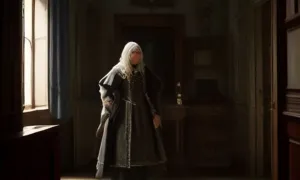
The visualisations are generated by artificial intelligence and serve as inspiration.
Photos from the area
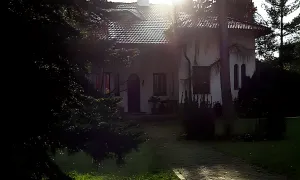
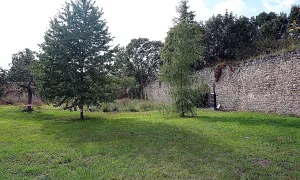
Real photos taken near the monument


Zdroj a licence jsou uvedeny u každého snímku.
Tips from visitors
No tips yet. Be the first!
Log in and add your tip.
Sources and literature
Photos: VitVit / CC BY-SA 4.0, rozlišení zvýšeno umělou inteligencí — Wikimedia Commons. The author and licence also appear when you hover over the image.
Faktickým podkladem tohoto textu byl článek na Wikipedii, jehož autory jsou přispěvatelé Wikipedie. Článek je dostupný pod licencí CC BY-SA 4.0.
Location on the map

Příběhy a pověsti
Legendy, pověsti a příběhy spjaté s touto památkou
Fotografie návštěvníků
Zatím žádné fotografie. Buďte první, kdo přidá fotografii z návštěvy!
Log in a přidejte svou fotografii nebo hodnoťte.
Za ověřenou návštěvu v aplikaci získáte víc bodů — poznáme podle GPS, že jste na místě.
Reviews and comments