






Kostel svatého Martina (Luštěnice) Church
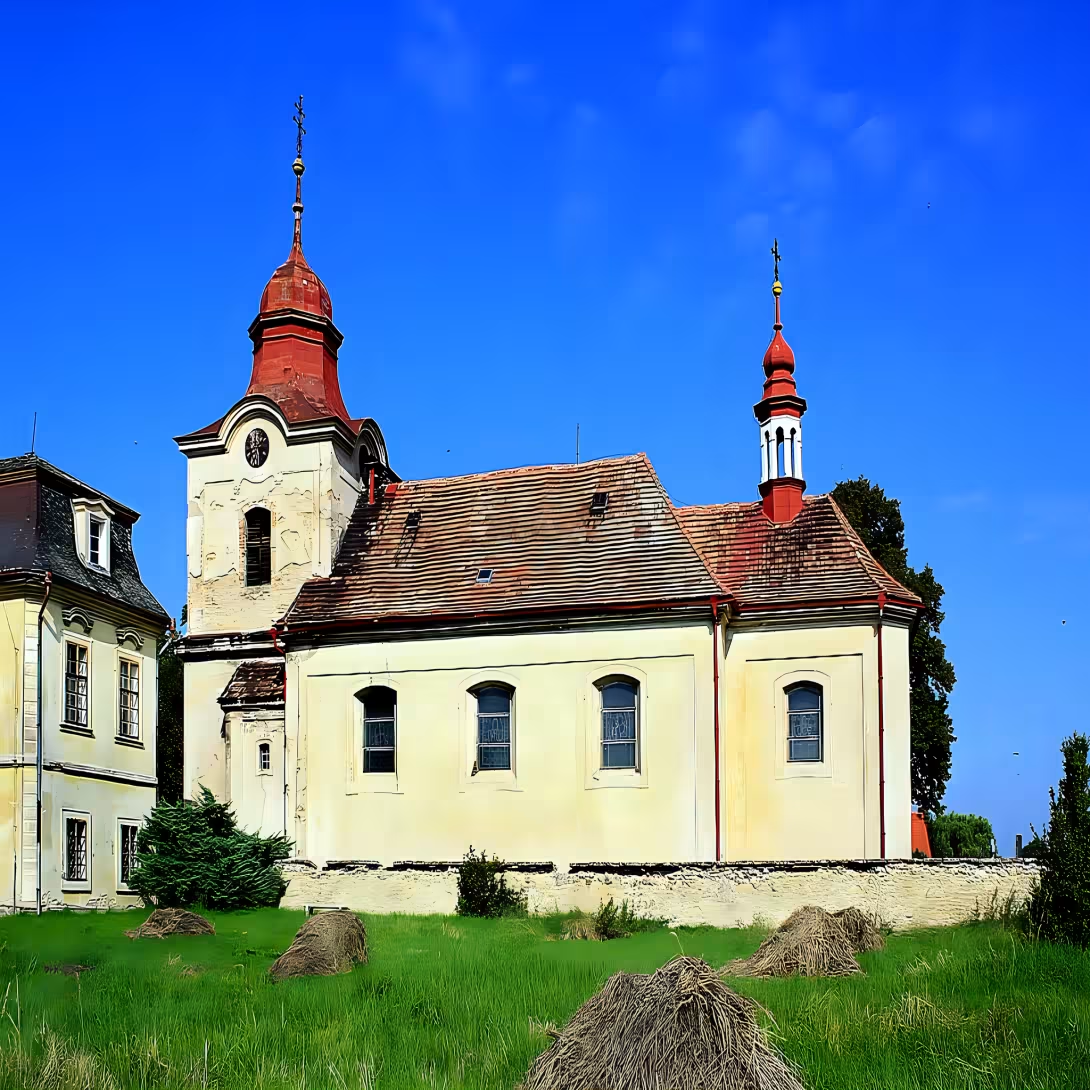
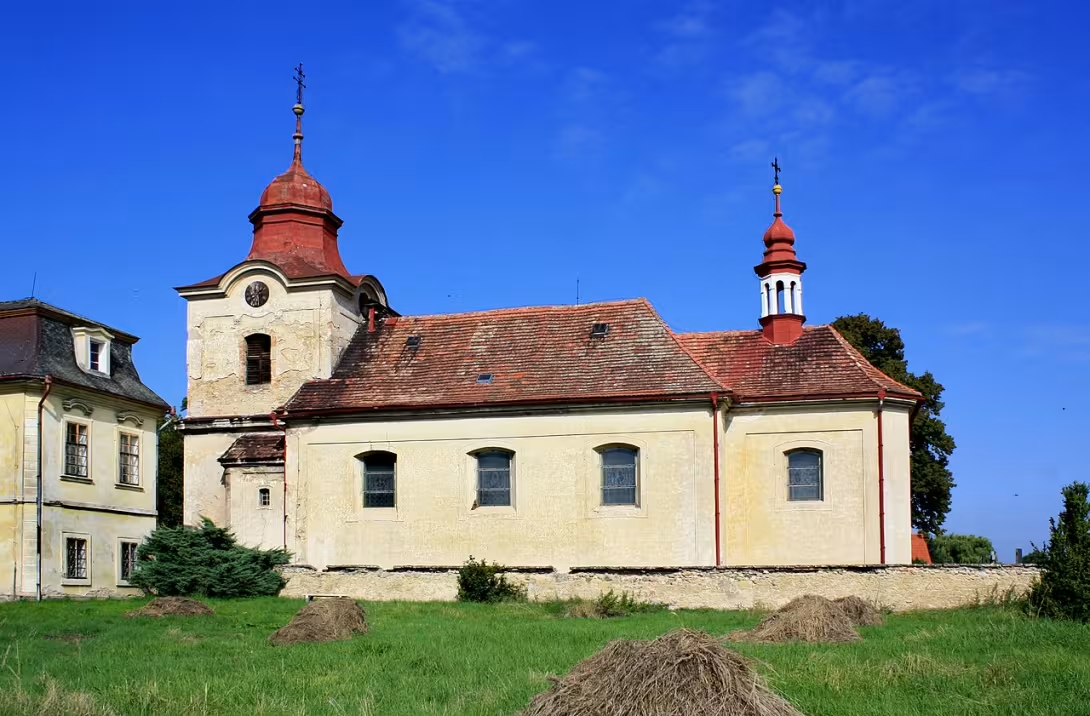
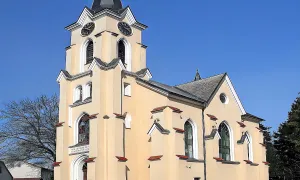
The Church of Saint Martin in Luštěnice is a notable Baroque sacred building near the Luštěnice chateau. Constructed in 1739 by a builder from Dobrovice, it replaced an older Gothic parish church that had stood since the 14th century. This historical monument stands out for its architectural style and cultural significance within Středočeský kraj.
Built during a period when Bohemia was part of the Habsburg Monarchy, the Church of Saint Martin reflects significant cultural and architectural developments in the Baroque style. It replaced an earlier Gothic parish church from the 14th century, showcasing evolving religious architecture influenced by Catholicism across Europe at that time. The current Baroque structure, completed in 1739, incorporates elements from its predecessor to maintain continuity with the site's historical significance.
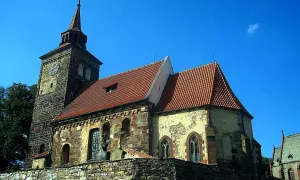
Architecturally, the Church of Saint Martin features a distinctive pyramidal tower divided by pilasters, enhancing its visual appeal. It has an oblong shape and includes a square presbytery covered with a conch vault, while the nave is topped with a flat ceiling. A notable feature is the stone pulpit supported by pillars, adding both structural integrity and aesthetic value. In 1799, the church underwent expansion with the addition of a presbytery, further enhancing its architectural complexity.
The interior is adorned with Baroque furnishings dating back to the period of construction. The main altar, created in 1740, is believed to be the work of Kosmonos sculptor J. Jelínek and features sculptures of Saint Wenceslas and Saint Florian, along with a painting by F. Barbieri depicting Saint Martin. Additionally, there is a late Baroque tabernacle from 1699 made of mahogany and adorned with mother-of-pearl, showcasing the intricate craftsmanship of the era. The church also houses two side altars with framed designs and angel sculptures, as well as a pulpit bearing reliefs of evangelists and Saint John the Baptist, attributed to Jelínek in 1741.
Surrounding the Church of Saint Martin is a Baroque parsonage built in 1752, characterized by its simple, single-story design. In front stands a statue of Saint John Nepomucene from 1772, adding historical and artistic value to the site. Together with the church, cemetery, and large economic courtyard, these structures form part of the chateau complex, enhancing Luštěnice's cultural landscape.
Today, the Church of Saint Martin is recognized as a protected cultural monument since 1967, reflecting its importance in Czech heritage. Visitors can explore this historical site to appreciate its architectural beauty and Baroque artistry. The church remains accessible for those interested in experiencing a piece of Bohemia's rich history and religious architecture. Its preservation allows contemporary audiences to connect with the past while enjoying the serene environment it offers.
The Church of Saint Martin is not only an architectural gem but also a testament to the cultural and historical narratives that have shaped Luštěnice over centuries. It invites visitors to delve into its storied past, appreciate its artistic details, and reflect on its enduring significance in Czech history.
Then and now
Drag the slider to compare how the landmark may have looked when it was built with the view today.
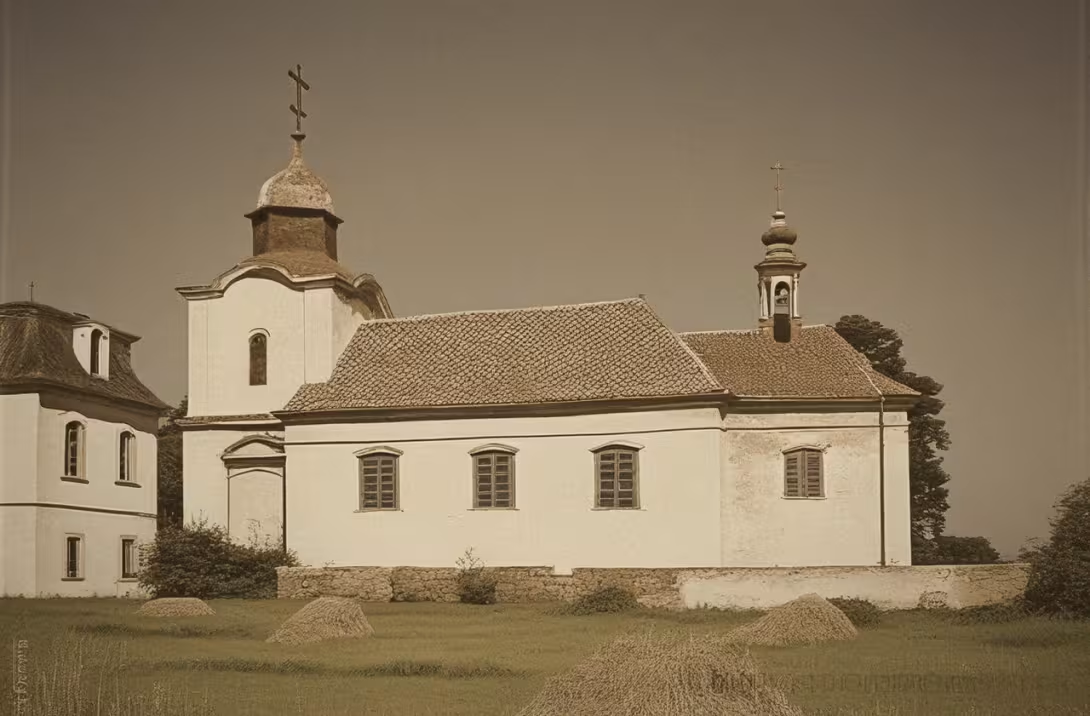
The historical appearance on the left is an AI-generated visualisation and serves as inspiration only.
Historical milestones
- 1739
- Construction of the baroque Church of Saint Martin.
- 1799
- Addition of a presbytery to the church.
Architectural development
Originally built as a replacement for a Gothic church from the 14th century, the baroque Church of Saint Martin was constructed in 1739. The design incorporated existing structures and was later expanded with a presbytery in 1799. Its architecture features a pyramidal tower divided by pilasters, a square presbytery covered with a conch vault, and a nave with a flat ceiling.
Historical events
In 1739, the current baroque church was constructed on the site of an older Gothic parish church.
The church underwent expansion with the addition of a presbytery in 1799.
Points of interest
- The Church of Saint Martin was constructed by a builder from Dobrovice, which is an interesting connection between the two locations and highlights regional collaboration in architectural projects during that era.
- Despite its Baroque style, the church incorporates elements from its Gothic predecessor to maintain historical continuity. This blending of styles reflects how architects often respected and integrated older structures into new designs.
- The main altar features sculptures by Kosmonos sculptor J. Jelínek, a significant figure in Baroque art whose work is celebrated for its detailed craftsmanship and religious themes, adding cultural depth to the church's interior.
- A late Baroque tabernacle from 1699 made of mahogany and adorned with mother-of-pearl showcases intricate craftsmanship typical of the period. Its presence predates the main structure, suggesting it was preserved or repurposed during renovations.
- The statue of Saint John Nepomucene in front of the church dates back to 1772, adding historical significance as it commemorates a revered figure known for his martyrdom and dedication to protecting the sacrament of confession.
Guide
This guide is narrated by a synthetic voice generated by artificial intelligence.
Show guide text
This text was created by artificial intelligence and has not been editorially reviewed. It may contain inaccuracies.
Welcome to the historic Church of Saint Martin in Luštěnice. As you stand before this magnificent baroque structure, take a moment to absorb its grandeur and consider the centuries of history encapsulated within its walls.
The Church of Saint Martin was constructed in 1739 by a builder from Dobrovice. It replaced an older Gothic parish church that had been standing since the 14th century. This transition marks an important chapter in Luštěnice's architectural heritage, reflecting both continuity and change as newer styles emerged over time. The decision to build this new church was likely influenced by evolving religious practices and aesthetic preferences of the era.
Now, let’s turn our attention to its architecture. Notice how the baroque style is evident in the church's design, characterized by a pyramidal tower divided by pilasters—a distinctive feature that captures your eye. These elements are harmoniously integrated with remnants from its Gothic predecessor, creating an intriguing blend of styles. As you look around, observe how these architectural choices contribute to the building’s imposing yet elegant presence.
While specific historical figures associated with this church remain unknown, the very act of constructing such a significant edifice speaks volumes about the community and regional collaboration during that time. The involvement of a builder from Dobrovice highlights an interesting connection between Luštěnice and its neighboring areas, showcasing how architectural projects often brought together talents across regions.
One fascinating aspect to ponder is how this church manages to incorporate elements from its Gothic past while embracing baroque innovations. This seamless integration prompts questions about the builders' intentions—were they aiming for continuity, or was there a deliberate attempt to make a stylistic statement?
As you conclude your visit here, I invite you to explore further and discover more about Luštěnice's rich history. Whether it’s wandering through the surrounding landscapes or visiting nearby historical sites like the Luštěnice chateau, there is much more to uncover.
Thank you for joining me on this journey through time and architecture. Until next time, may your explorations be filled with wonder and discovery.
Businesses nearby
Do you run a restaurant, accommodation, shop, museum, rental, wellness or other visitor service near this monument? Show yourself directly to the people heading to it — this is how they will see you in the app and on the web:
Nearby
Nearby the church is a baroque parsonage built in 1752, featuring a statue of Saint John Nepomucene from 1772. The area also includes a chateau complex.
Accommodation nearby
Themed route
Tematická Výletní Trasa: Kostel svatého Martina a Barokní Parsonáž v Luštěnicích
1. Kostel svatého Martina (Luštěnice) - *Typ:* Historická památka - *Proč stojí za návštěvu:* Tento kostel je centrem historie a kultury obce Luštěnice. Jeho architektura představuje bohatou minulost, která nabízí pohled na duchovní život v regionu Středočeského kraje.
2. Barokní Parsonáž (Luštěnice) - *Typ:* Architektonický památník - *Proč stojí za návštěvu:* Postavená v roce 1752, parsonáž je příkladem barokní architektury. Jejím fascinujícím prvkem je socha svatého Jana Nepomuckého z roku 1772, která dodává místo historický význam a estetickou hodnotu.
3. Chateau Komplex (Luštěnice) - *Typ:* Historický komplex - *Proč stojí za návštěvu:* Chateau komplex představuje další vrchol architektonického a kulturního dědictví obce. Jeho původní stavby a historie jsou svědectvím bohaté minulosti, která obohacuje pochopení regionální kultury.
Tato trasa nabízí návštěvníkům možnost prozkoumat klíčové historické a architektonické památky v Luštěnicích, což umožňuje hlubší pochopení jejich kulturního dědictví.
Seasonal recommendations
Spring: Visiting Kostel svatého Martina during the spring offers a unique experience as nature awakens around Luštěnice. The surrounding meadows and forests are lush with new growth, creating a vibrant green backdrop that enhances the historic charm of the church. The soft, dappled sunlight filtering through budding trees casts an ethereal glow on the architecture, making it ideal for photography enthusiasts. As spring can bring unpredictable weather, visitors should prepare by wearing layers to accommodate changing temperatures. Arriving in the late morning is advisable as this time often sees fewer crowds, allowing a more peaceful exploration of the site.
Summer: Summer at Kostel svatého Martina is marked by long days and warm evenings, perfect for leisurely strolls around the church grounds after visiting. The lush greenery and blooming flowers create a picturesque setting that complements the historic architecture beautifully. This is peak tourist season, so it's wise to visit early in the morning or later in the afternoon to avoid larger crowds. Comfortable walking shoes and light clothing are recommended due to the warmer weather. Don’t forget your sunscreen and water bottle for a comfortable visit.
Autumn: Autumn brings a magical transformation to Kostel svatého Martina, with the surrounding landscape cloaked in shades of orange, red, and gold as leaves change color. The crisp air and softer light create an atmospheric setting that enhances the church's historic features, making it a photographer’s paradise. This is also a quieter time for visitors compared to summer, allowing for a more intimate experience. Layered clothing is essential due to cooler temperatures, especially in the evenings. A visit during this season offers a serene escape with fewer crowds and stunning natural beauty.
Winter: The winter months at Kostel svatého Martina offer a serene and contemplative atmosphere as snow blankets the surrounding landscape, turning it into a tranquil wonderland. The church's architecture is highlighted against the stark white backdrop, creating a striking contrast that adds to its historic allure. Shorter daylight hours mean planning your visit for midday when there’s ample light to appreciate the details of the structure. Due to colder temperatures and potential snowfall, visitors should dress warmly in layers and wear sturdy boots. This season is ideal for those seeking solitude and a peaceful experience away from the bustle of peak tourist periods.
Visualizations and artistic views


The visualisations are generated by artificial intelligence and serve as inspiration.
Photos from the area
Real photos taken near the monument

Zdroj a licence jsou uvedeny u každého snímku.
Atmosphere of the place
This atmospheric visualisation of the place and period was generated by artificial intelligence. It is not real footage of the location.
Tips from visitors
No tips yet. Be the first!
Log in and add your tip.
Sources and literature
Fotografie: This file is available under Creative Commons BY-SA license. Basically: You can use this picture for any purpose, provid / CC BY-SA 3.0, rozlišení zvýšeno umělou inteligencí — Wikimedia Commons. The author and licence also appear when you hover over the image.
Faktickým podkladem tohoto textu byl článek na Wikipedii, jehož autory jsou přispěvatelé Wikipedie. Článek je dostupný pod licencí CC BY-SA 4.0.
Location on the map
Příběhy a pověsti
Legendy, pověsti a příběhy spjaté s touto památkou
Příběh: Kostel svatého Martina (Luštěnice)
Bylo to v pondělí ráno, kdy Martin zjistil, že jeho srdce neskládalo se s životem, který vedl u svatého Martina. Po skončení mší a jak odstoupil do tmy koste…
Číst příběh
Pověst: Kostel svatého Martina (Luštěnice)
Traduje se, že ještě dávno předtím, než stavitel z Dobrovice přiložil ruku k dílu a vztyčil barokní stěny kostela svatého Martina, stával na tomto místě v Lu…
Číst příběhFotografie návštěvníků
Zatím žádné fotografie. Buďte první, kdo přidá fotografii z návštěvy!
Přihlaste se a přidejte svou fotografii nebo hodnoťte.
Za ověřenou návštěvu v aplikaci získáte víc bodů — poznáme podle GPS, že jste na místě.
Reviews and comments