






Kostel svatého Martina (Racov) Church
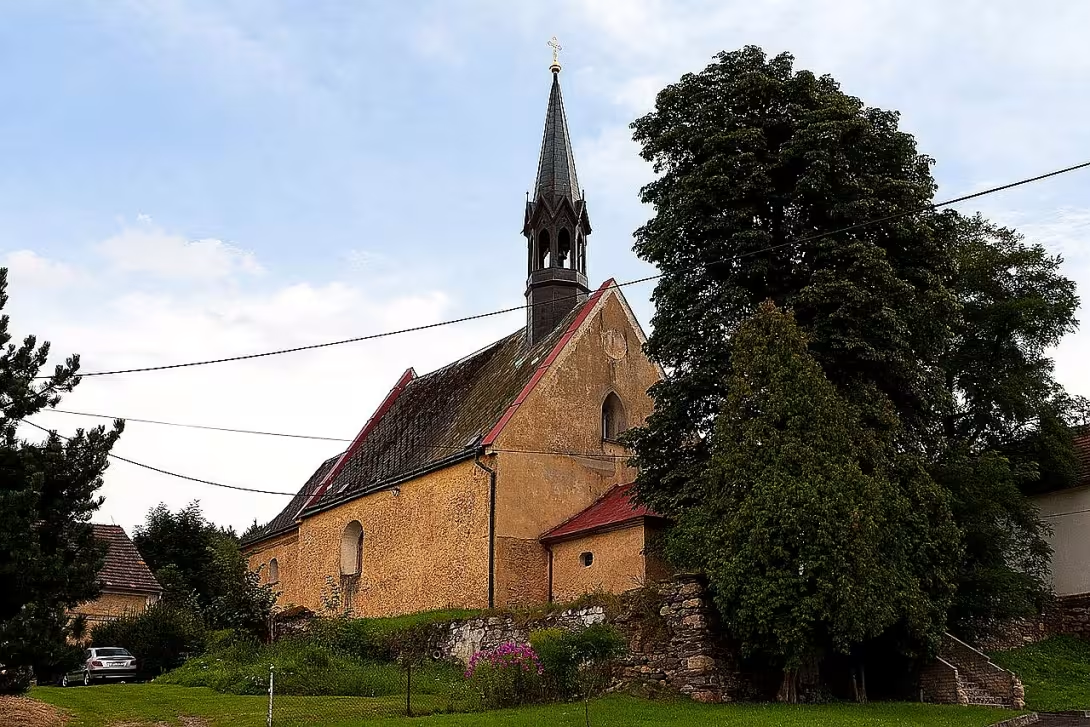
The Church of Saint Martin in Racov is a notable Gothic church located in the eastern part of Racov within the municipality of Staré Sedlo. This historical monument likely dates back to the early 14th century, reflecting architectural and cultural developments of its time. Its significance lies not only in its age but also in its architectural evolution and rich history.
The origins of the Church of Saint Martin are rooted in a period when Bohemia was part of the Holy Roman Empire under the Luxembourg dynasty. This era saw significant Gothic architectural advancements across Europe, mirroring broader cultural and artistic growth. Although believed to have been built at the start of the 14th century, some sources suggest alternative dates ranging from the mid-13th to the 15th century. Its construction coincided with a thriving community in Racov that hosted markets and had a manor house with a small castle, though these structures were later demolished.
Architecturally, the Church of Saint Martin features a Gothic style with a single-nave structure and a rectangular presbytery. The nave has a flat ceiling with a compressed triumphal arch leading to the vaulted presbytery, adorned with a cross-ribbed ceiling and a relief finial depicting a maskaron. Significant additions include a sacristy built in the early 18th century, an entrance porch constructed in 1723, and a small tower added in the latter half of the 19th century.
Throughout its history, the church has undergone several construction and renovation phases. Notable elements include the presbytery's vaulted ceiling, the sacristy's neck vault with a stucco circular mirror, and an entrance porch featuring a baroque half-round portal engraved with the year 1723. A rosette window and a bell cote with an arrow-shaped spire on the roof enhance its Gothic character.
The church has faced periods of neglect but also efforts to preserve its historical significance. In 2019, renovation work was undertaken on the church's roof, with plans for further repairs including exploring potential hidden frescoes. Despite these challenges, the Church of Saint Martin remains a site of historical interest, offering insights into architectural styles and cultural contexts of its time.
Today, the Church of Saint Martin stands as a testament to Gothic architecture in Racov. Its proximity to several ponds, some now defunct, adds charm to an area that historically hosted markets and significant manorial structures. Visitors can explore the church's architectural details and reflect on its historical context, making it a worthwhile destination for those interested in history and architecture.
The Church of Saint Martin is not just an architectural relic but a living piece of history that continues to captivate visitors with its storied past and enduring beauty. Preservation efforts ensure future generations can appreciate this remarkable monument, inviting all who visit to delve into the rich tapestry of its historical narrative.
Then and now
Drag the slider to compare how the landmark may have looked when it was built with the view today.
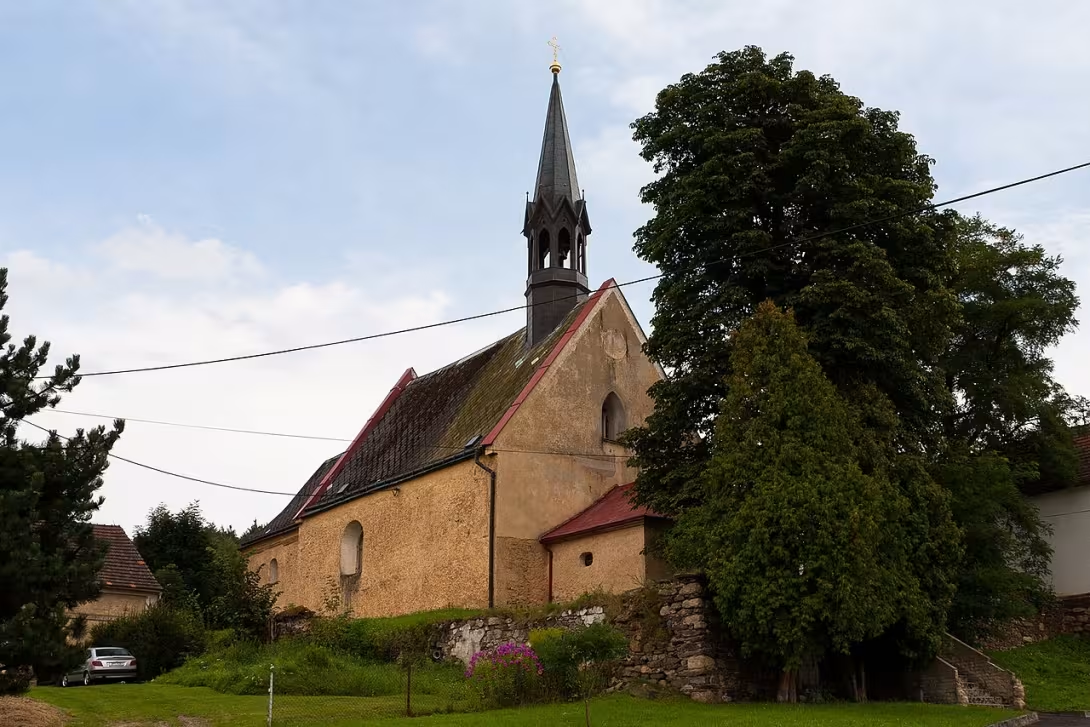
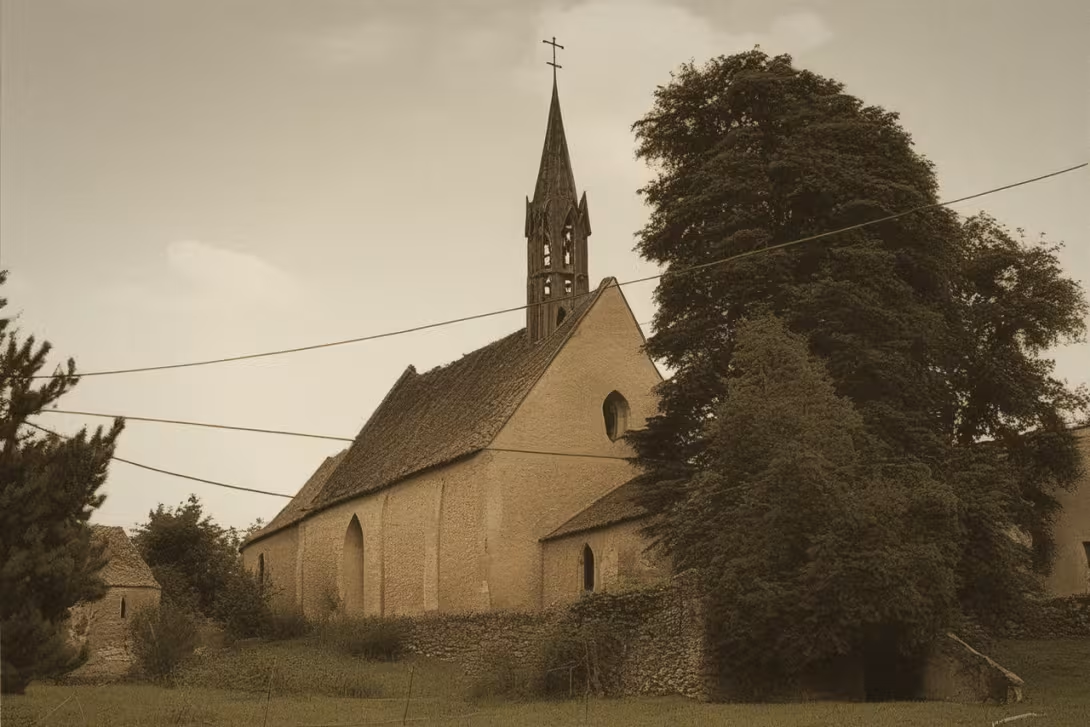
The historical appearance on the left is an AI-generated visualisation and serves as inspiration only.
Historical milestones
- kolem 1300
- Předpokládané založení kostela svatého Martina v Racově.
- konec 13. století - počátek 15. století
- Možný rozsah dat pro stavbu, zrcadlící se rozvoj gotické architektury.
- počátek 18. století
- Přidání sakristie k kostelu svatého Martina.
- 1723
- Výstavba vchodní chodby s barokním portálem.
- polovina 19. století
- Přidání malého věže k kostelu svatého Martina.
- 2019
- Renovace střechy kostela svatého Martina.
Architectural development
The Church of Saint Martin underwent several architectural phases. Initially built as a Gothic structure, it later saw additions such as a sacristy around the early 18th century and an entrance porch in 1723. The church's nave features a flat ceiling with a compressed triumphal arch leading to the presbytery. A small tower was added in the late 19th century, and significant renovations occurred between 1986 and 1990.
Historical events
The church was likely constructed at the beginning of the 14th century, with some sources suggesting alternative dates ranging from the mid-13th to the 15th century.
A small tower was added in the latter half of the 19th century.
Points of interest
- The Church of Saint Martin's construction date is debated, with some sources suggesting it could have been built as early as the mid-13th century or as late as the 15th century, reflecting uncertainties in historical records.
- Despite its Gothic origins, the church features architectural additions from different periods, such as an entrance porch constructed in 1723 and a small tower added in the latter half of the 19th century, showcasing a blend of styles over centuries.
- In 2019, renovation efforts included exploring potential hidden frescoes beneath the church's roof, hinting at undiscovered artworks that could provide further insights into its historical artistry.
- The church once stood near thriving markets and a manor house with a small castle in Racov, though these structures were eventually demolished, leaving only the church as a witness to the area’s bustling past.
- Although it has faced periods of neglect, ongoing preservation efforts aim to uncover and protect any hidden frescoes or other historical elements, ensuring that future generations can continue to explore its rich history.
Guide
This guide is narrated by a synthetic voice generated by artificial intelligence.
Show guide text
This text was created by artificial intelligence and has not been editorially reviewed. It may contain inaccuracies.
Welcome to the historic Church of Saint Martin in Racov. As you stand before this serene Gothic structure nestled in the eastern part of Racov within the municipality of Staré Sedlo, take a moment to absorb its timeless presence. The church's single-nave design and rectangular presbytery invite contemplation, while its flat ceiling adds an understated elegance to the interior.
The origins of this sacred site are steeped in mystery and history. While the exact date of its founding is debated, it is believed that the Church of Saint Martin may have been established as early as the mid-13th century. Its construction likely spanned from the end of the 13th century into the beginning of the 15th century, reflecting the architectural evolution characteristic of Gothic design during this period.
As you explore further, notice how the church has gracefully embraced its historical layers. The addition of a sacristy in the early 18th century and an entrance porch built in 1723 with a baroque portal exemplify the adaptive nature of this sacred space. These elements not only enhance the aesthetic appeal but also tell stories of the church's enduring legacy.
Though specific architects remain unknown, the Church of Saint Martin stands as a testament to the collective artistry of its time. The absence of recorded historical figures associated with its creation adds an intriguing layer of mystery, inviting you to ponder the anonymous hands that shaped this place of worship.
One fascinating aspect of the church is the debate surrounding its construction date. Some sources suggest it could have been built as early as the mid-13th century or as late as the 15th century. This uncertainty in historical records adds an element of intrigue, encouraging you to delve deeper into its storied past.
As we conclude this brief exploration, I invite you to continue discovering the nuances and hidden stories that Racov's Church of Saint Martin has to offer. Whether it’s through observing the architectural details or imagining the lives of those who have walked these grounds before us, there is always more to uncover. Thank you for joining me on this journey, and may your visit be both enlightening and inspiring.
Frequently asked questions
Can the monument be visited?
Religious buildings are usually open mainly during services; at other times a visit is normally arranged with the parish or the operator. We have not verified specific times.
Where is the monument?
Location: Racov, Plzeňský kraj. The map on this page shows the exact spot.
Why is the monument protected?
It is listed in the Central List of Cultural Monuments of the Czech Republic as a cultural monument (register no. 17787/4-1909).
Businesses nearby
Do you run a restaurant, accommodation, shop, museum, rental, wellness or other visitor service near this monument? Show yourself directly to the people heading to it — this is how they will see you in the app and on the web:
Events nearby

Zdroj akcí: otevřená data měst a obcí ČR (Národní katalog otevřených dat) a kalendář akcí Národního památkového ústavu.
Nearby
Racov is situated near several ponds, some of which are now defunct. The area historically hosted a market and had a manor house with a small castle, though these structures were later demolished.
Accommodation nearby
Themed route
Tematická výletní trasa kolem Kostela svatého Martina (Racov)
1. Kostel svatého Martina (Racov) - Typ: Historická památka - Proč stojí za návštěvu: Tento kostel je architektonickým dílem, které odráží historii a kulturu oblasti. Jeho krásné interiéry a historie nabízejí cestovatelům hluboký pohled do minulosti regionu.
2. Bývalé rybníky - Typ: Historická lokalita - Proč stojí za návštěvu: I když jsou nyní z velké části neexistující, bývalé rybníky byly kdysi klíčovou součástí místní ekonomiky a života. Jejich přítomnost dává cestovatelům náhled na historickou využitelnost půdy a změny v krajině.
3. Bývalé tržiště - Typ: Historická lokalita - Proč stojí za návštěvu: Toto místo bylo kdysi srdcem obchodního a sociálního života v Racově. Navštívíte-li ho, můžete si představit dnešek plný hlučného trhu a setkávání lidí z různých koutů regionu.
4. Bývalé panství s malou tvrzí - Typ: Historická lokalita - Proč stojí za návštěvu: I když byly tyto struktury demontovány, jejich historie je fascinující. Tvrz a panství hrála klíčovou roli v správě a životě obce. Jejich stopy nám připomínají minulé mocenské struktury a životní styl.
Tato trasa nabízí cestovatelům pohled na historický kontext a změny, které formovaly obec Racov. Každá z těchto lokalit přispívá k celkovému porozumění regionální historie a kultury.
Seasonal recommendations
Spring: Visiting the Church of St. Martin in Racov during spring offers a unique experience as nature awakens around this historic site. The blossoming trees and vibrant wildflowers create an enchanting atmosphere, casting dappled light through the church's stained glass windows. This season is characterized by mild temperatures, making it ideal for leisurely exploration without the need for heavy clothing. However, be mindful of occasional rain showers that can add a fresh scent to the air but may require visitors to bring waterproof attire or an umbrella.
Summer: Summer at the Church of St. Martin in Racov is marked by long days and warm evenings, perfect for enjoying outdoor activities around the church grounds. The lush greenery provides a picturesque backdrop, enhancing the beauty of this historic monument. During this peak tourist season, it's advisable to arrive early in the morning or later in the afternoon to avoid large crowds and fully appreciate the serene ambiance. Comfortable walking shoes and light clothing are recommended to navigate the site comfortably under the summer sun.
Autumn: The autumn months bring a spectacular display of colors as the leaves around the Church of St. Martin turn vibrant shades of red, orange, and gold. This season offers a tranquil atmosphere with fewer visitors compared to summer, allowing for a more intimate experience of the church's architecture and history. Cooler temperatures are ideal for exploring without the discomfort of heat, but it's wise to dress in layers as evenings can become chilly. The crisp air enhances the sensory experience, making autumn an especially appealing time to visit.
Winter: Winter transforms the Church of St. Martin into a serene and mystical destination with its surroundings blanketed in snow. The stark beauty of the landscape contrasts beautifully with the church's historic facade, creating a magical atmosphere that is particularly enchanting during early morning or late afternoon visits when the light is soft and golden. Visitors should be prepared for colder temperatures by dressing warmly and wearing sturdy boots to navigate potentially icy paths. While some amenities may have reduced hours due to the season, the quietude of winter offers a unique opportunity to reflect amidst the peaceful surroundings.
Visualizations and artistic views


The visualisations are generated by artificial intelligence and serve as inspiration.
Photos from the area
Real photos taken near the monument

Zdroj a licence jsou uvedeny u každého snímku.
Tips from visitors
No tips yet. Be the first!
Log in and add your tip.
Sources and literature
Photos: Michal Pilař / CC BY-SA 3.0 — Wikimedia Commons. The author and licence also appear when you hover over the image.
Faktickým podkladem tohoto textu byl článek na Wikipedii, jehož autory jsou přispěvatelé Wikipedie. Článek je dostupný pod licencí CC BY-SA 4.0.
Location on the map
More monuments – Racov
Show all in the municipality

Příběhy a pověsti
Legendy, pověsti a příběhy spjaté s touto památkou

Fotografie návštěvníků
Zatím žádné fotografie. Buďte první, kdo přidá fotografii z návštěvy!
Log in a přidejte svou fotografii nebo hodnoťte.
Za ověřenou návštěvu v aplikaci získáte víc bodů — poznáme podle GPS, že jste na místě.
Reviews and comments