






Kostel svatého Martina (Soběsuky) Church
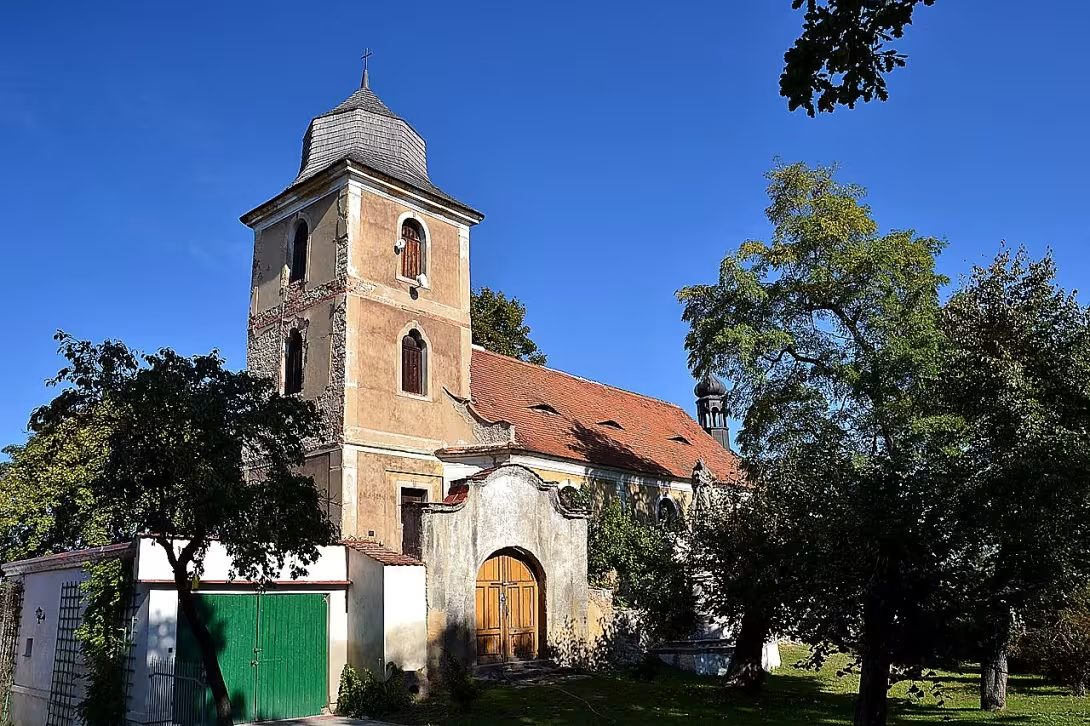
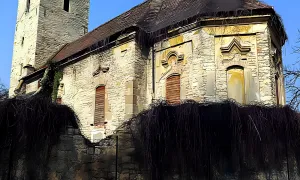
The Church of Saint Martin in Soběsuky is a remarkable Baroque church situated at the edge of a terrain ridge overlooking the Ohře valley. This single-nave structure exemplifies the region's rich cultural and architectural heritage. First documented in 1369, it has been protected as a cultural monument since 1963 due to its historical significance and unique features.
Historical sources suggest an older church may have existed on this site around 1180, founded by monks from the Waldsassener monastery. The current Baroque structure emerged after significant renovations at the end of the 17th century, reflecting broader cultural shifts in Bohemia during a period marked by Habsburg rule and Counter-Reformation efforts to reassert Catholic dominance.
Architecturally, the Church of Saint Martin features a rectangular floor plan with a square presbytery and two hexagonal side chapels. The western facade includes a prominent belfry, while pilasters and semi-circular windows define its exterior. Inside, visitors can admire Baroque sculptures of the evangelists adorning the wooden choir, alongside a vaulted presbytery that enhances the church's spiritual ambiance.
Throughout history, the church served as a burial site for local nobility until the 18th century when a new cemetery was established nearby. The interior houses several notable artifacts, including a Renaissance bell from 1539, one of only three original bells remaining. Additionally, Baroque sculptures and paintings dating back to the late 17th and early 18th centuries contribute to its artistic richness.
Today, the Church of Saint Martin stands surrounded by an abandoned cemetery and a cemetery wall with a Baroque gateway. Nearby features include a late Baroque Marian column from 1694, adding to the historical charm of the site. The church remains accessible to visitors who wish to explore its architectural beauty and delve into its storied past.
Visiting the Church of Saint Martin offers a unique opportunity to connect with the cultural and religious history of the region. Its preservation as a cultural monument underscores its importance, inviting both locals and tourists to appreciate its historical significance and artistic heritage.
Then and now
Drag the slider to compare how the landmark may have looked when it was built with the view today.
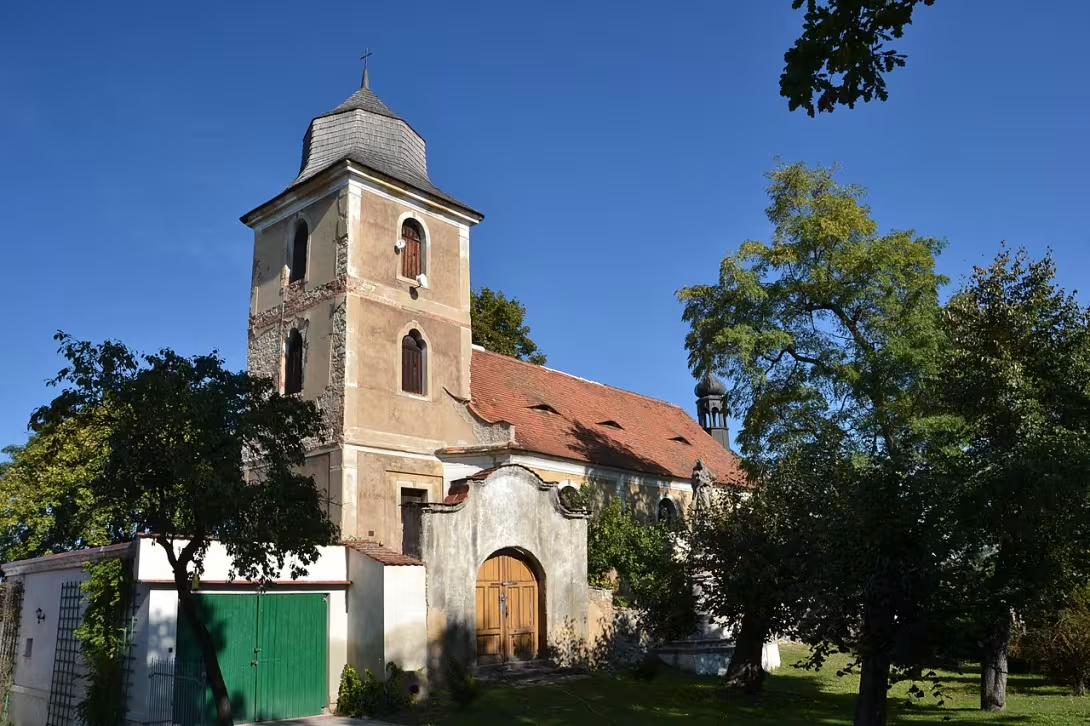
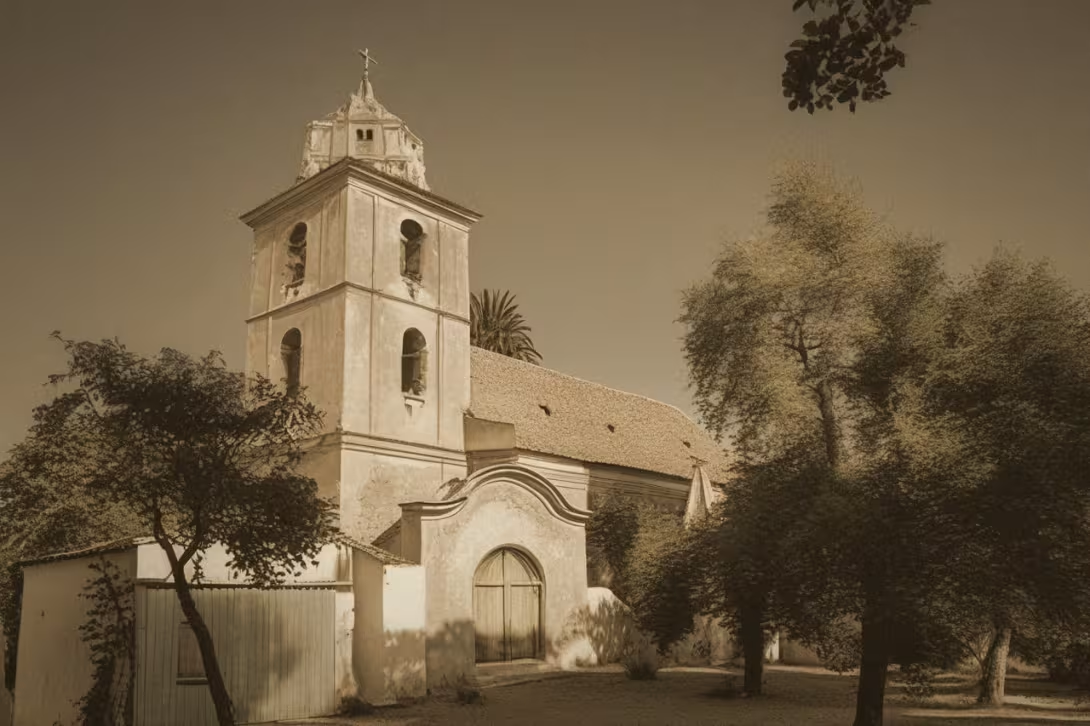
The historical appearance on the left is an AI-generated visualisation and serves as inspiration only.
Historical milestones
- 1180
- Founding of the older church on this site.
- 1369
- First documentation of St. Martin's Church.
- end of 17th century
- Significant reconstructions and transition to Baroque architecture.
- 1539
- Preservation of a Renaissance bell from the same year.
- 1694
- Erection of a late Baroque Marian column.
- 1963
- Protection as a cultural monument.
Architectural development
Originally, there are speculations about an older church founded around 1180 by monks from Waldsassener monastery. The current Baroque structure was established during a major renovation at the end of the 17th century. The interior features include a wooden choir adorned with baroque sculptures and a vaulted presbytery.
Historical events
The first written mention of the Church of Saint Martin dates back to 1369.
A significant reconstruction in Baroque style occurred at the end of the 17th century.
Points of interest
- The Church of Saint Martin is believed to be built on the site of an earlier church dating back to around 1180, initially established by monks from the Waldsassener monastery, highlighting its long-standing religious significance.
- A unique feature of this Baroque church is its two hexagonal side chapels, which add a distinctive architectural element uncommon in many other churches of the same period.
- Among the artifacts within the church is a Renaissance bell cast in 1539; it's one of only three original bells that have survived to the present day, making it a rare historical treasure.
- The church served as a burial site for local nobility until the 18th century, reflecting its importance and prestige in the region during earlier centuries.
- Nearby the church stands a late Baroque Marian column from 1694, which complements the church's architecture and adds to the historical ambiance of the area.
Guide
This guide is narrated by a synthetic voice generated by artificial intelligence.
Show guide text
This text was created by artificial intelligence and has not been editorially reviewed. It may contain inaccuracies.
Welcome to the historic Church of Saint Martin in Soběsuky. As you stand here at the edge of a terrain ridge overlooking the serene Ohře valley, take a moment to absorb the beauty and tranquility that surrounds this remarkable Baroque church. Its single-nave structure boasts a rectangular floor plan with a square presbytery and two hexagonal side chapels, all topped by an elegant belfry on its western facade.
The story of this sacred site begins around 1180 when monks from the Waldsassener monastery established an earlier church here, marking it as a place of long-standing religious significance. By 1369, documentation confirms the existence of the Church of Saint Martin, and throughout the centuries, it has witnessed significant transformations, particularly towards the end of the 17th century when it underwent major reconstructions to embrace Baroque architecture.
As you gaze upon the church, take note of its architectural features characterized by pilasters that add a touch of grandeur. The church's design reflects a harmonious blend of history and artistry, inviting you to explore every detail. While the architects remain unknown, their vision has withstood the test of time, preserving this cultural monument since 1963.
The Church of Saint Martin holds intriguing stories within its walls. One notable artifact is the Renaissance bell from 1539, a testament to the craftsmanship and history that echo through the ages. In 1694, a late Baroque Marian column was erected, adding another layer to the church's rich tapestry.
A unique feature that captivates visitors is the two hexagonal side chapels, offering a glimpse into the architectural ingenuity of its time. These elements not only enhance the church’s aesthetic appeal but also invite contemplation on the historical narratives they embody.
As you continue your exploration, let yourself be drawn into the stories and mysteries this place holds. Each corner and crevice has witnessed centuries of devotion and change, making it a living testament to history.
We invite you to delve deeper, to wander through its grounds, and perhaps find a quiet moment for reflection in this serene setting. Thank you for joining us on this journey through time at the Church of Saint Martin. May your visit be both enlightening and inspiring.
Tips for visitors
The best time to visit the Church of Saint Martin in Soběsuky is during late spring or early autumn when the weather is pleasant, and the surrounding landscape is particularly beautiful. During these months, you can enjoy the lush greenery and vibrant colors without the crowds that often accompany peak tourist seasons. Additionally, visiting on a weekday might offer a more peaceful experience as it tends to be less crowded than weekends.
For those preferring public transport, there are options available; however, specific routes and schedules should be checked in advance using a transportation search tool. The church's location on the edge of a terrain ridge makes it accessible by both car and public transit.
When planning your visit to the Church of Saint Martin, consider bringing comfortable walking shoes as you may want to explore the surrounding area, including the abandoned cemetery and the late Baroque Marian column. A camera is also recommended for capturing the stunning views over the Ohře valley and the architectural details of the church itself.
For photography enthusiasts, early morning or late afternoon light provides the best conditions to capture the Church of Saint Martin's facade and its surroundings. The soft lighting during these times can highlight the Baroque architecture and create a serene atmosphere for your photos. Additionally, the square presbytery offers an interesting interior perspective worth capturing.
Nearby attractions within 30 minutes include the late Baroque Marian column on the original village square, which is a notable feature in itself. The surrounding area also offers picturesque views of the Ohře valley, making it ideal for nature walks and photography. Families with children might enjoy exploring the abandoned cemetery and its historic atmosphere as part of an educational outing.
Frequently asked questions
Can the monument be visited?
Religious buildings are usually open mainly during services; at other times a visit is normally arranged with the parish or the operator. We have not verified specific times.
Where is the monument?
Location: Soběsuky, Ústecký kraj. The map on this page shows the exact spot.
Why is the monument protected?
It is listed in the Central List of Cultural Monuments of the Czech Republic as a cultural monument (register no. 28879/5-837).
Businesses nearby
Do you run a restaurant, accommodation, shop, museum, rental, wellness or other visitor service near this monument? Show yourself directly to the people heading to it — this is how they will see you in the app and on the web:
Events nearby
Zdroj akcí: otevřená data měst a obcí ČR (Národní katalog otevřených dat) a kalendář akcí Národního památkového ústavu.
Nearby
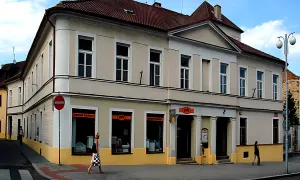
The church is surrounded by an abandoned cemetery and a cemetery wall with a baroque gateway. Nearby features include a late Baroque Marian column from 1694, located on the original village square.
Accommodation nearby
Themed route
Thematic Walking Tour: Soběsuky's Baroque Heritage
1. Church of Saint Martin (Soběsuky) - Type: Historical Church - Why Visit: Begin your journey at the heart of Soběsuky with the Church of Saint Martin, a stunning example of historical architecture surrounded by an abandoned cemetery and a baroque gateway. This church offers a glimpse into the region's rich religious history and architectural beauty.
2. Baroque Cemetery Wall - Type: Historical Structure - Why Visit: Walk along the baroque cemetery wall that encircles the Church of Saint Martin. The intricate designs and historical significance of this structure provide insight into the craftsmanship and cultural values of the late Baroque period in the region.
3. Baroque Gateway - Type: Architectural Feature - Why Visit: Explore the beautifully crafted baroque gateway that leads to the church's cemetery. This feature exemplifies the elegance and attention to detail characteristic of Baroque architecture, making it a must-see for enthusiasts of historical design.
4. Late Baroque Marian Column (1694) - Type: Historical Monument - Why Visit: Conclude your tour at the late Baroque Marian column located on the original village square. Dating back to 1694, this monument is a testament to the religious devotion and artistic expression of its time, offering a fascinating look into Soběsuky's past.
This thematic walking tour takes you through key historical sites in Soběsuky, each highlighting the area's Baroque heritage and cultural significance.
Seasonal recommendations
Spring: The arrival of spring at the Church of St. Martin in Soběsuky brings with it a refreshing transformation as nature awakens from its winter slumber. The surrounding landscape is adorned with vibrant wildflowers and budding trees, creating a picturesque setting that enhances the historical charm of the church. As daylight extends into the evenings, visitors can enjoy the soft illumination provided by natural light filtering through stained glass windows, casting colorful patterns on the stone floors. This time of year sees fewer crowds, making it an ideal period for those who prefer a more tranquil experience. For comfort, wear layers that can be adjusted to accommodate the variable spring weather, and consider visiting in late morning or early afternoon when temperatures are milder.
Summer: Summer at the Church of St. Martin is characterized by lush greenery and warm sunshine, making it a perfect time for outdoor exploration around Soběsuky. The long daylight hours provide ample opportunity to appreciate both the church's architecture and its serene surroundings. However, this season also attracts more visitors due to its popularity among tourists and locals alike. To avoid large crowds, consider visiting early in the morning or later in the afternoon when it’s cooler. Light, breathable clothing is recommended, along with sun protection such as hats and sunscreen. The church may offer special events during peak tourist times, adding an extra layer of cultural enrichment to your visit.
Autumn: Autumn transforms the Church of St. Martin into a serene haven amidst a backdrop of fiery reds, oranges, and yellows. This season is particularly enchanting as the falling leaves create a carpet of natural beauty around the church grounds, offering a stunning contrast with its historic architecture. The cooler temperatures make for a comfortable visit, although it's wise to bring along a light jacket or sweater as evenings can get chilly. Late afternoon visits are especially rewarding when the setting sun casts a warm glow over the landscape. While autumn is not typically known for large crowds, some minor events may occur locally, so checking ahead could enhance your experience.
Winter: Winter at the Church of St. Martin offers a quiet and contemplative atmosphere as snow blankets the surrounding area in a serene white coat. The church's architecture takes on an ethereal quality under the soft winter light, creating a magical setting for visitors seeking tranquility away from the bustling holiday season. Due to shorter daylight hours and potential inclement weather, it is advisable to visit during midday when visibility is best. Dress warmly in layers, including waterproof outerwear if necessary, as temperatures can be quite low. The church's opening times may be reduced during this season, so checking ahead for any changes in schedule will ensure a smooth visit.
Visualizations and artistic views


The visualisations are generated by artificial intelligence and serve as inspiration.
Photos from the area
Real photos taken near the monument


Zdroj a licence jsou uvedeny u každého snímku.
Tips from visitors
No tips yet. Be the first!
Log in and add your tip.
Sources and literature
Photos: Salim2 / CC BY-SA 3.0 — Wikimedia Commons. The author and licence also appear when you hover over the image.
Faktickým podkladem tohoto textu byl článek na Wikipedii, jehož autory jsou přispěvatelé Wikipedie. Článek je dostupný pod licencí CC BY-SA 4.0.
Location on the map

Příběhy a pověsti
Legendy, pověsti a příběhy spjaté s touto památkou
Fotografie návštěvníků
Zatím žádné fotografie. Buďte první, kdo přidá fotografii z návštěvy!
Log in a přidejte svou fotografii nebo hodnoťte.
Za ověřenou návštěvu v aplikaci získáte víc bodů — poznáme podle GPS, že jste na místě.
Reviews and comments