






Kostel svatého Matouše (Deštné v Orlických horách) Church
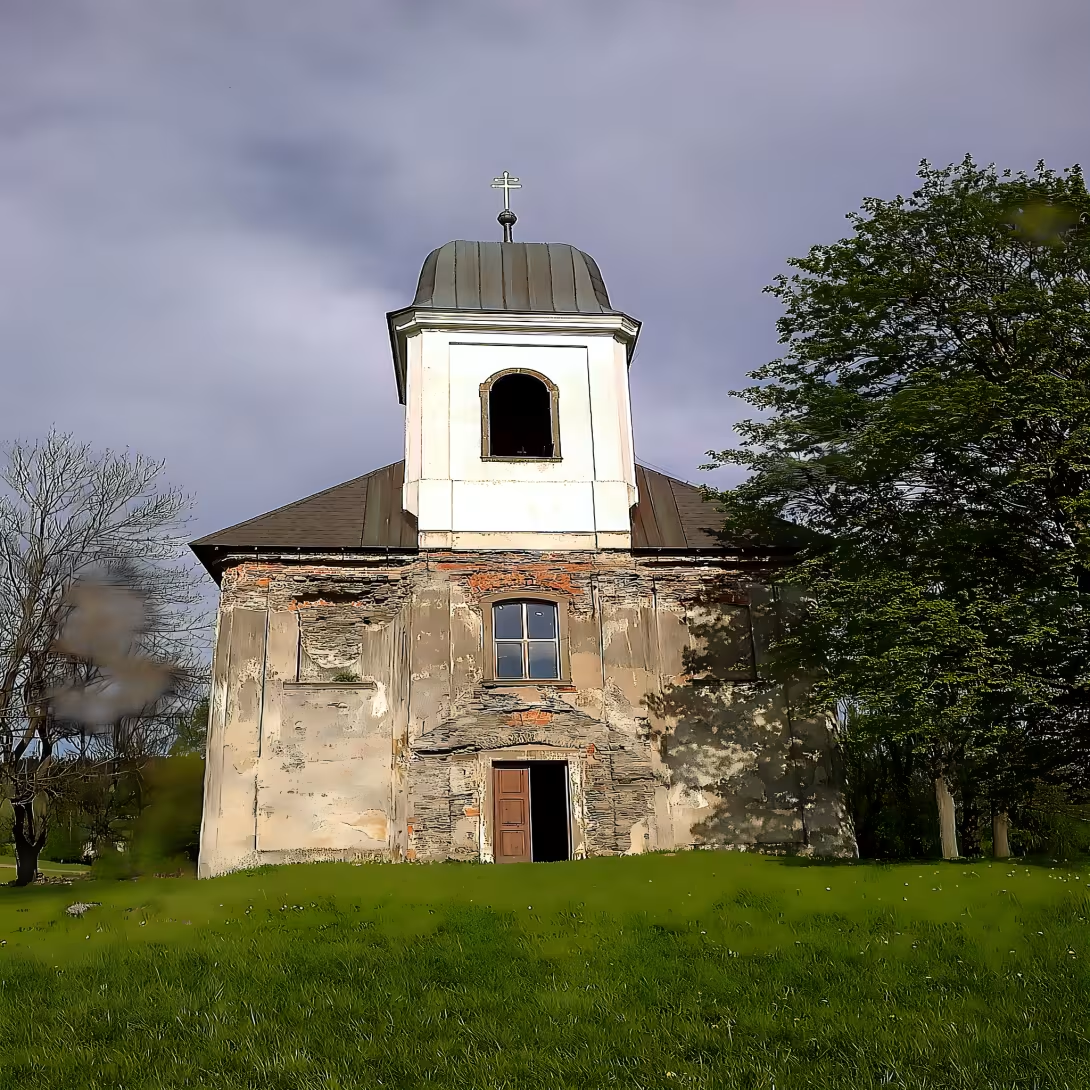
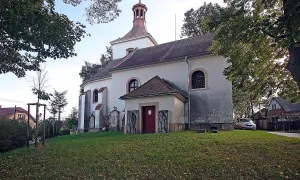
Kostel svatého Matouše in Jedlová, nestled within the Orlické hory mountains, stands as a Roman Catholic filial church recognized for its cultural significance in the Czech Republic. Originally mentioned in 1636 as a wooden structure, it was rebuilt between 1737 and 1741 into a Baroque-style edifice. This monument is notable not only for its architectural transformation but also for its resilience through historical events, including lightning damage and periods of neglect.
The church's origins trace back to the early 17th century when it first appeared as a wooden structure in records from 1636. Initially part of the parish of Uhřínov and later Solnice due to territorial affiliations with their respective estates, Jedlová was only incorporated into Deštné in 1723. The current Baroque church, constructed between 1737 and 1741, reflects a period when Bohemia experienced cultural and architectural growth under the Habsburg Monarchy, particularly during Empress Maria Theresa's reign.
Architecturally, Kostel svatého Matouše is characterized by its Baroque style, evident in its single-nave design. The church has undergone several restorations over the centuries, notably after being struck by lightning in 1833 and subsequently restored in 1835. Further renovations occurred during the First Republic, which included a new roof that left the building in excellent condition until World War II.
Throughout its history, Kostel svatého Matouše has witnessed significant changes in ownership and administration. Before World War II, it served the local German community when Jedlová had around 650 inhabitants. Post-war events led to the displacement of these residents, resulting in damage to both the church and its cemetery. The site was closed from 1958 until 1993, during which time it fell into disrepair. Its designation as a cultural monument marked the beginning of restoration efforts that continue today.
Key historical moments include its initial mention in 1636, reconstruction between 1737 and 1741, and lightning damage in 1833. The church's closure post-World War II and subsequent reopening after being declared a cultural monument in 1993 are also significant events. Inside the church, visitors can find simple wooden crosses, stone altars, and benches, along with historical photographs of Jedlová and nearby villages.
Today, Kostel svatého Matouše is maintained by the diocesan youth life center Vesmír, which organizes irregular services throughout the year. The church remains accessible to visitors, offering a glimpse into its storied past. Surrounding the church are remnants of sacristies and a cemetery featuring the grave of local chronicler and poet Hieronymus Brinck. A small chapel nearby adds to the site's historical charm.
Visitors can enjoy scenic views of the Orlické hory mountains from around the church, making it not only a place of historical interest but also a serene spot for reflection. The ongoing restoration efforts, including recent work on the staircase and tower windows, ensure that this cultural monument continues to be preserved for future generations. Kostel svatého Matouše invites those interested in history and architecture to explore its rich past and appreciate its enduring beauty.
Then and now
Drag the slider to compare how the landmark may have looked when it was built with the view today.
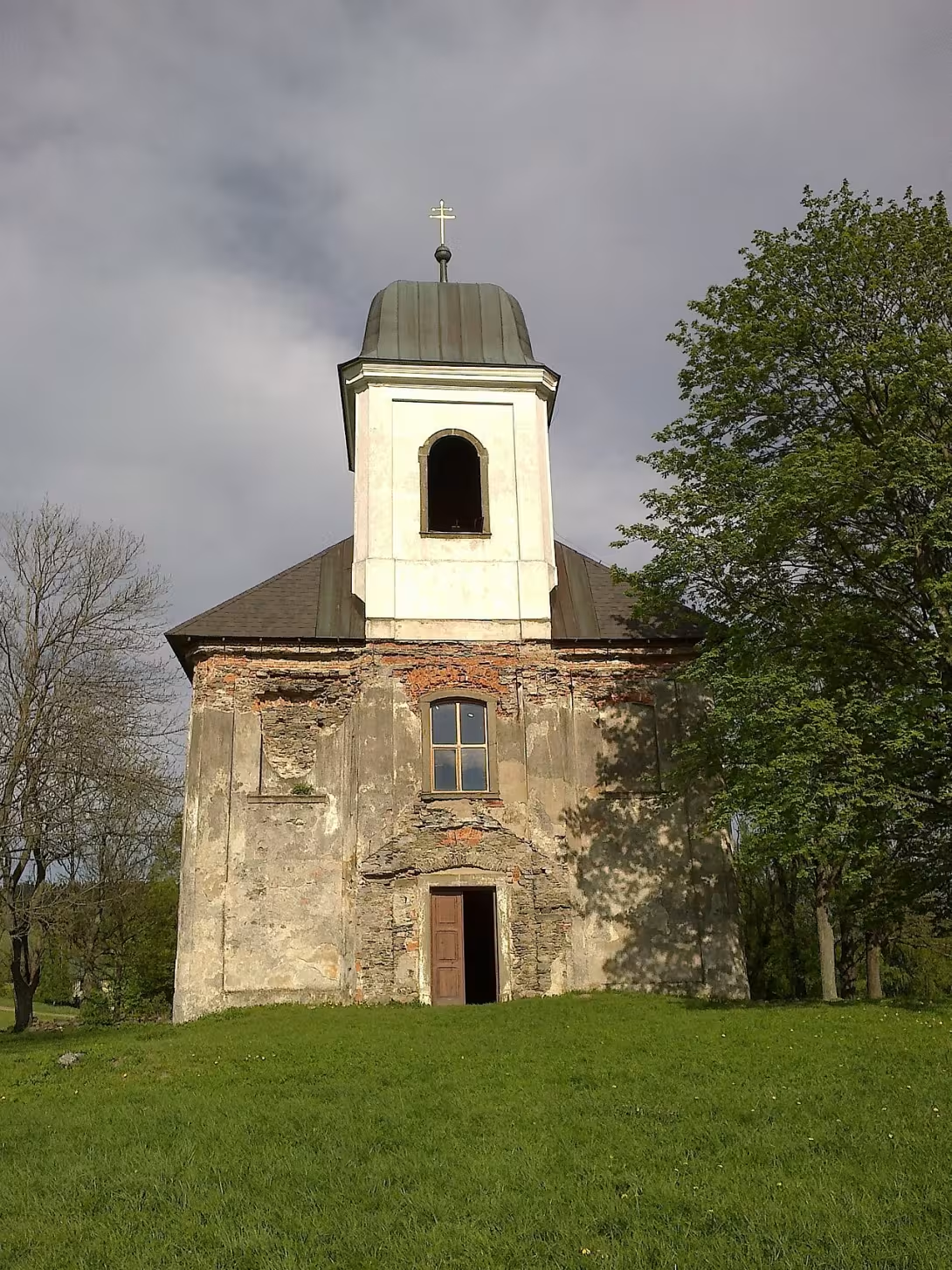

The historical appearance on the left is an AI-generated visualisation and serves as inspiration only.
Historical milestones
- 1636
- First mention of a wooden church.
- 1737
- Reconstruction began.
- 1741
- Reconstruction completed and consecrated.
- 1833
- Church damaged by lightning.
- 1993
- Declared a cultural monument.
Architectural development
The church was initially mentioned as a wooden structure in 1636. It underwent significant reconstruction from 1737 to 1741, adopting Baroque architectural elements. After suffering damage from lightning in 1833, it was restored the following year. Further renovations occurred during the First Republic and after its closure post-World War II.
Historical events
First mention of the wooden church in 1636.
Reconstruction completed between 1737 and 1741, consecrated by Carmelite superior František Martin.
Damaged by lightning in 1833, restored in 1835.
Closed post-World War II, reopened after being declared a cultural monument in 1993.
Points of interest
- The church was originally a wooden structure mentioned as early as 1636 before being reconstructed into its current Baroque form between 1737 and 1741, reflecting the architectural evolution during the Habsburg Monarchy's reign.
- Despite suffering damage from lightning in 1833, the church underwent restoration that same year, showcasing its resilience and importance to the local community through various historical challenges.
- The site was closed for over three decades after World War II due to the displacement of the German population it served, highlighting a significant period of neglect before being declared a cultural monument in 1993.
- Visitors can explore the grave of Hieronymus Brinck, a local chronicler and poet, within the church's cemetery, adding a layer of literary history to its architectural significance.
- The church is maintained by the diocesan youth life center Vesmír, which organizes irregular services, indicating ongoing community involvement in preserving this historical site.
Guide
This guide is narrated by a synthetic voice generated by artificial intelligence.
Show guide text
This text was created by artificial intelligence and has not been editorially reviewed. It may contain inaccuracies.
The Church of Saint Matthew stands in Jedlová in the Orlické Mountains. It is a Roman Catholic subsidiary church and is protected as a cultural monument.
The first mention of a wooden church in Jedlová dates from 1636. At that time, the village did not belong to the parish in nearby Deštné, even though it was only half an hour's journey away. Jedlová was first assigned to Uhřínov and later to Solnice, because it belonged to the Solnice estate. Deštné, on the other hand, fell under the Rychnov estate. Jedlová was assigned to Deštné only in 1723.
The present church was built between 1737 and 1741. It was consecrated by the Carmelite prior František Martin. It is a baroque single-nave structure. In 1833, lightning struck the church and it burned down. It was restored two years later, in 1835. During the First Republic, it received a new roof and was in excellent condition.
Before the Second World War, the church served the local German population. Jedlová had 650 inhabitants at that time. After their expulsion, the church and the surrounding cemetery were damaged. From 1958 onwards it remained closed and deteriorated without care. A turning point came in 1993, when it was registered among immovable cultural monuments and its restoration began. Between 2015 and 2019, the staircase to the choir and the tower were repaired and wooden shutters were installed in the tower windows. In 2020, the church received a new floor.
The interior furnishings are very modest. There is a simple wooden cross, a stone lectern and several simple pews. The interior includes historical photographs of Jedlová and surrounding villages.
Behind the church are visible remains of sacristies. A cemetery lies by the church and across the road stands a small chapel. The local chronicler and poet Hieronymus Brinke is buried in the cemetery. From the church there is a view of the surrounding hills of the Orlické Mountains.
Today the church serves the diocesan centre for youth life Vesmír.
Tips for visitors
The best time to visit the Church of Saint Matthew in Deštné v Orlických horách is during late spring or early autumn when the weather is pleasant, and you can enjoy the stunning views of the Orlické hory mountains without the crowds. The natural lighting during these seasons enhances the beauty of the church's architecture and surrounding landscapes, making it ideal for photography enthusiasts.
Public transport options can also be used to reach Deštné v Orlických horách; however, it’s recommended to check current connections via a travel planner or local tourism office website to ensure smooth travel plans.
When visiting the Church of Saint Matthew, consider bringing comfortable walking shoes as you might want to explore the surrounding areas like the remnants of sacristies and cemetery. A camera is also advisable for capturing the picturesque views and architectural details of the church. Don’t forget a light jacket or sweater, especially if you plan to visit in spring or autumn when temperatures can be cooler.
For photography enthusiasts, some of the best spots include the exterior of the church where the interplay of light and shadow on its facade is most striking during early morning or late afternoon. The surrounding areas offer panoramic views of the Orlické hory mountains which are particularly beautiful at golden hour. Additionally, capturing images from the nearby small chapel can provide unique perspectives.
Nearby attractions within a 30-minute drive include the grave of Hieronymus Brinck, offering historical insights and serene surroundings for reflection. Families with children might enjoy exploring the natural landscapes around Deštné v Orlických horách, which are perfect for short hikes or nature walks. These areas provide an opportunity to learn about local history and enjoy outdoor activities.
Frequently asked questions
Can the monument be visited?
Religious buildings are usually open mainly during services; at other times a visit is normally arranged with the parish or the operator. We have not verified specific times.
Where is the monument?
Location: Deštné v Orlických horách, Královéhradecký kraj. The map on this page shows the exact spot.
Why is the monument protected?
It is listed in the Central List of Cultural Monuments of the Czech Republic as a cultural monument (register no. 12777/6-5736).
Businesses nearby
Do you run a restaurant, accommodation, shop, museum, rental, wellness or other visitor service near this monument? Show yourself directly to the people heading to it — this is how they will see you in the app and on the web:
Nearby
The church is surrounded by remnants of sacristies, a cemetery, and offers views of the Orlické hory mountains. Nearby features include a small chapel and the grave of Hieronymus Brinck.
Accommodation nearby
Themed route
Tematická Výletní Trasa: Kostel svatého Matouše a jeho Umírající Okolí
1. Kostel Svatého Matouše (Deštné v Orlických horách) - Typ: Historický kostel - Proč stojí za návštěvu: Tento barokní kostel, postavený na konci 17. století, je nejen architektonickou perli, ale také centrem místní duchovní historie. Jeho výhledy na Orlické hory nabízejí úchvatné pohledy a připomínají bohatou minulost oblasti.
2. Zbytky Sakristií - Typ: Historická struktura - Proč stojí za návštěvu: Tyto zbytky, nacházející se v blízkosti kostela, poskytují vhled do historie a důležitosti kostelního areálu. Jsou to tiché svědkové minulých liturgických praktik a každodenního života kněží.
3. Hřbitov - Typ: Historický hřbitov - Proč stojí za návštěvu: Hřbitov kolem kostela svatého Matouše je místo klidu a paměti, kde můžete najít starobylé pohřební kamene. Je to významné pro pochopení historických osobností, které zde leží, a jejich příspěvků do komunity.
4. Malá Kaple - Typ: Kaple - Proč stojí za návštěvu: Tato malá kaple je místo klidné úvahy a duchovního zamyšlení, umožňující navštěvníkům si užít intimitu a historickou atmosféru. Je to ideální místnost pro osobní reflexi nebo krátké modlitby.
5. Hrob Hieronyma Brincka - Typ: Historický hrob - Proč stojí za návštěvu: Hrob slavného českého básníka a spisovatele Hieronyma Brincka je významnou kulturní památkou, která připomíná jeho důležitost pro literaturu a kulturu regionu. Jeho pohřebiště nabízí vhled do jeho života a odkazu.
Tato trasa vás provede skrze klíčové historické a kulturní body kolem Kostela svatého Matouše, přičemž každý z nich přináší jedinečný pohled na minulost a duchovní život v Deštném.
Seasonal recommendations
Spring: The arrival of spring at Church of St. Matthew in Deštné breathes new life into the landscape, with blooming wildflowers and budding trees creating a picturesque backdrop for visitors. This season is ideal for photography enthusiasts who wish to capture the vibrant colors and soft light that accentuate the church's architectural details. As nature awakens, the atmosphere becomes serene and inviting, encouraging leisurely exploration of both the church grounds and surrounding trails. Visitors are advised to dress in layers as temperatures can vary throughout the day, and although crowds are generally manageable, arriving early can ensure a more tranquil experience.
Summer: Summer brings with it long days and warm weather, making it an excellent time for families and groups to explore the Church of St. Matthew. The lush greenery surrounding the church is at its peak, providing a refreshing environment for outdoor activities. However, this season also sees increased visitor numbers due to the popularity of summer holidays. To avoid the midday heat and larger crowds, consider visiting in the early morning or late afternoon. Comfortable walking shoes and light clothing are recommended, along with staying hydrated during your visit.
Autumn: Autumn at Church of St. Matthew is characterized by a stunning display of fall foliage, turning the surrounding landscape into a vibrant tapestry of reds, oranges, and yellows. This season offers a more subdued atmosphere as the days grow shorter, perfect for those seeking a quieter experience away from peak tourist times. The cooler temperatures make it ideal for longer walks around the area, allowing visitors to fully appreciate the seasonal beauty. Dressing in warm layers is advisable, and bringing along a light jacket can help combat the crisp air.
Winter: Winter transforms Church of St. Matthew into a serene and almost mystical destination, with snow-capped surroundings creating a magical atmosphere that enhances the church's historic charm. The shorter days mean fewer visitors, offering a peaceful environment for reflection and exploration. However, winter also brings challenges such as colder temperatures and potential closures due to inclement weather. Planning your visit during daylight hours is recommended to make the most of the limited light available.
Visualizations and artistic views


The visualisations are generated by artificial intelligence and serve as inspiration.
Photos from the area
Real photos taken near the monument


Zdroj a licence jsou uvedeny u každého snímku.
Atmosphere of the place
This atmospheric visualisation of the place and period was generated by artificial intelligence. It is not real footage of the location.
Tips from visitors
No tips yet. Be the first!
Log in and add your tip.
Sources and literature
Photos: Addvisor / CC BY-SA 3.0, rozlišení zvýšeno umělou inteligencí — Wikimedia Commons. The author and licence also appear when you hover over the image.
Faktickým podkladem tohoto textu byl článek na Wikipedii, jehož autory jsou přispěvatelé Wikipedie. Článek je dostupný pod licencí CC BY-SA 4.0.
Location on the map
More monuments – Deštné v Orlických horách
Show all in the municipality

Příběhy a pověsti
Legendy, pověsti a příběhy spjaté s touto památkou
Fotografie návštěvníků
Zatím žádné fotografie. Buďte první, kdo přidá fotografii z návštěvy!
Log in a přidejte svou fotografii nebo hodnoťte.
Za ověřenou návštěvu v aplikaci získáte víc bodů — poznáme podle GPS, že jste na místě.
Reviews and comments