






Kostel svatého Mikuláše (Miroslavské Knínice) Church
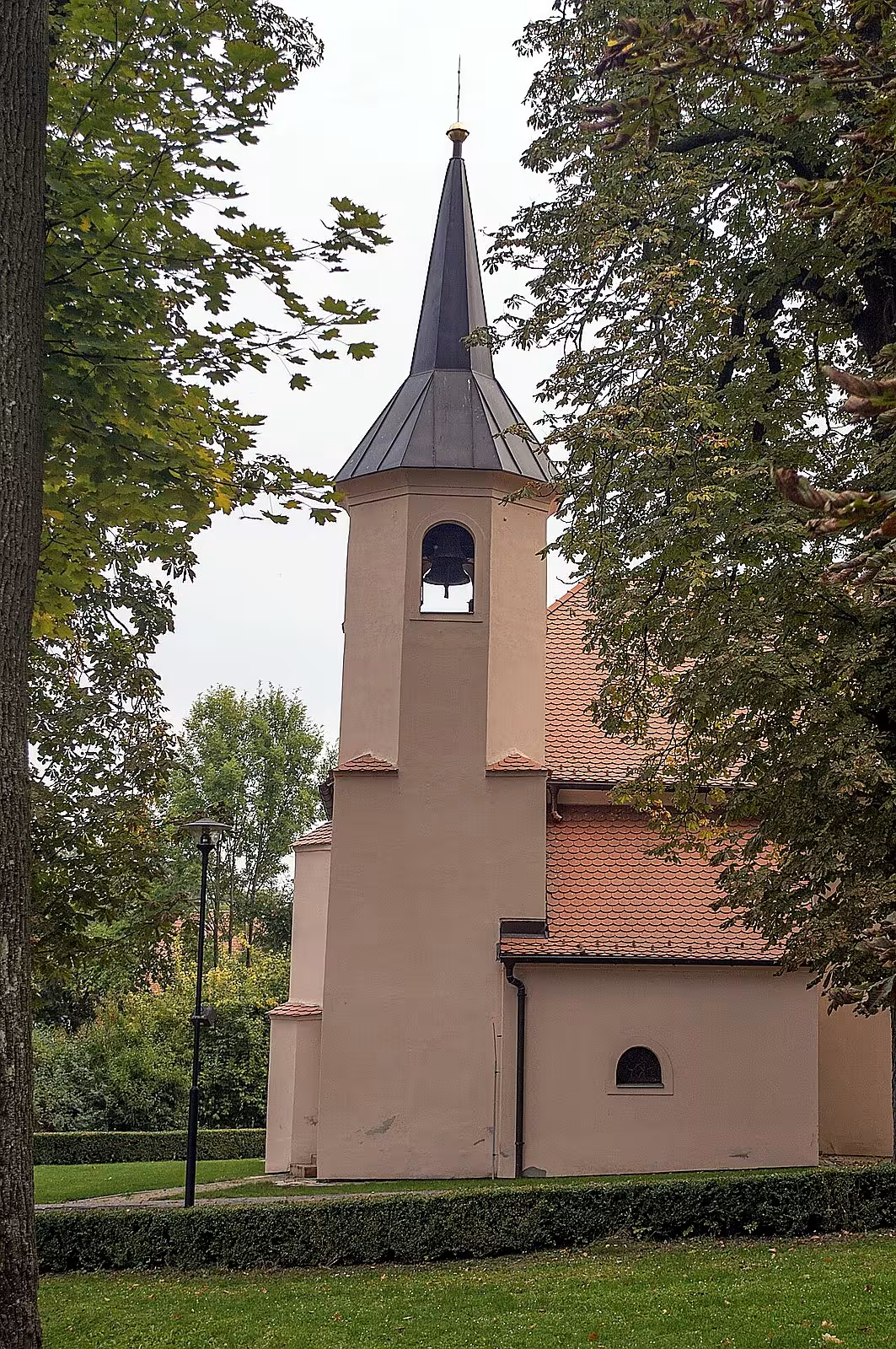
The Church of Saint Nicholas in Miroslavské Knínice is a cultural monument located within the village's castle park. Built in early Gothic style during the third quarter of the 13th century, it reflects the architectural and religious developments of its era. Its proximity to a neighboring fortress, now a castle, highlights its historical importance as part of a larger estate. Over time, it has undergone various modifications due to changes in ownership and style.
The church's origins are linked to Jaroslav z Knínic, documented as the estate owner around 1270. Construction began during this period when Bohemia experienced significant political and cultural growth under the Přemyslid dynasty. This era saw Gothic architecture spread across Europe, influencing both religious and secular buildings.
Architecturally, the church initially featured early Gothic elements. Notable features include a stone portal from the mid-15th century and possibly embedded seating within its structure. The sacristy and tower are believed to date back to the 16th century. In 1802, significant renovations occurred: new windows were installed, a western entrance was created, and a pulpit with a side staircase was either restored or constructed anew. Further changes happened in 1850 when new pews were introduced, along with a baroque pulpit that had been temporarily housed in a barn.
Ownership of the church and its surrounding estate has seen several notable figures. After Jaroslav z Knínic, Jan Filip Verdenberg became associated with the site in 1677, commissioning a bell for the church tower. By 1809, Emanuel Bartenstein acquired the estate, leading to changes in the park's layout according to contemporary tastes. These shifts in ownership and subsequent modifications reflect broader historical trends and personal influences over time.
Key events at the Church of Saint Nicholas include its construction in the late 13th century and various renovations throughout its history. Archaeological excavations conducted between 2004 and 2005 revealed several layers of flooring beneath the church, fragments of colorful plaster, and remnants of an annex that may have served as a side chapel. These findings provide insights into the church's evolving structure and use over centuries.
Today, the Church of Saint Nicholas remains a cultural monument within its picturesque castle park setting. Its historical significance and architectural features make it a worthwhile visit for those interested in Gothic architecture and medieval history. The church is accessible to visitors who wish to explore its rich past and appreciate its enduring presence in Miroslavské Knínice.
The Church of Saint Nicholas offers a unique glimpse into the past, inviting visitors to step back in time and experience the architectural beauty and historical depth of this remarkable site. Its preservation as a cultural monument ensures that future generations can continue to learn from and enjoy its storied legacy.
Then and now
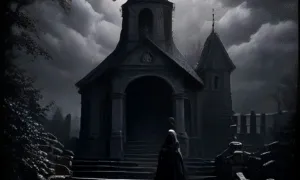
Drag the slider to compare how the landmark may have looked when it was built with the view today.
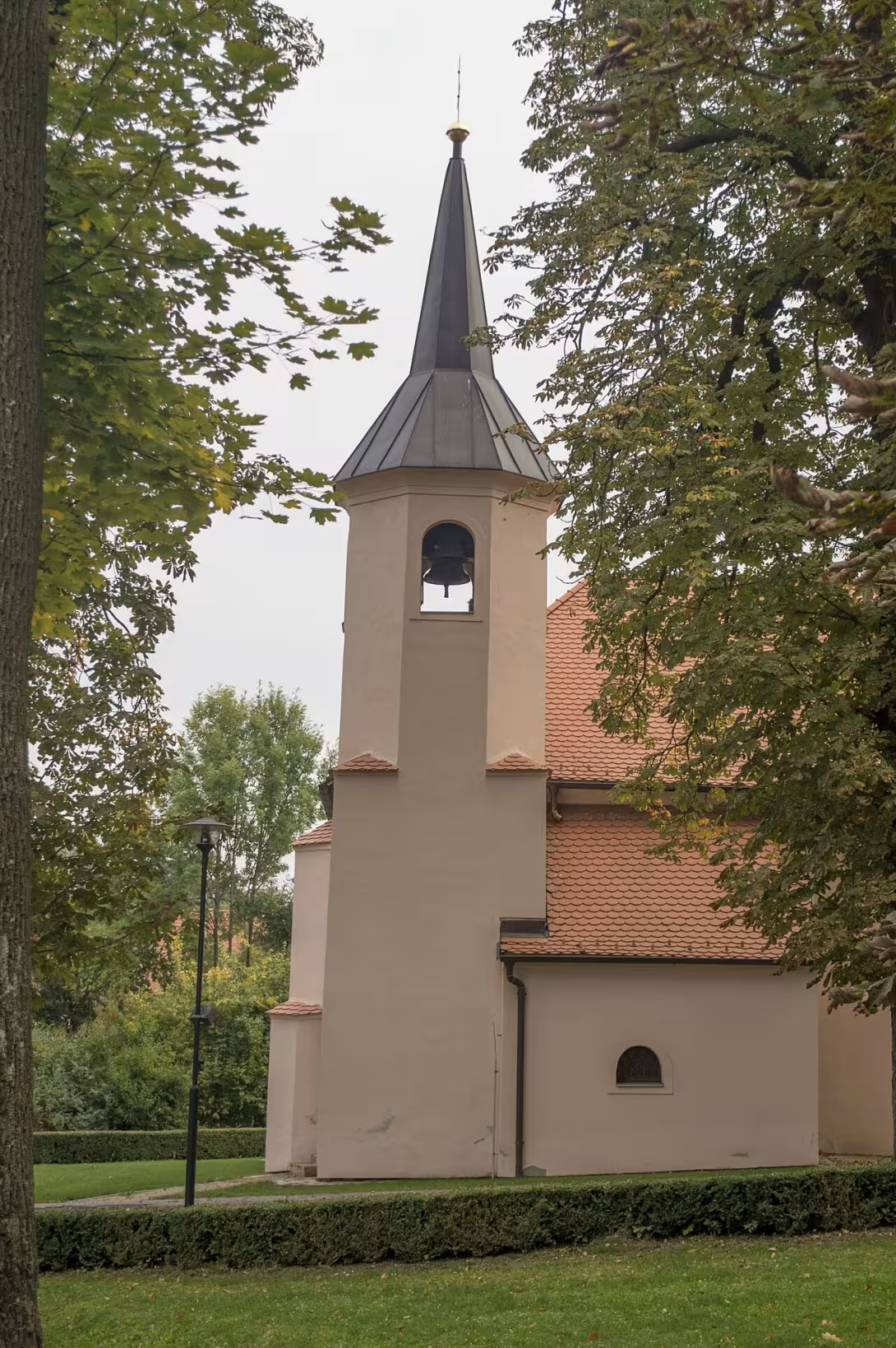

The historical appearance on the left is an AI-generated visualisation and serves as inspiration only.
Historical milestones
- 1260
- Construction of the Church of Saint Nicholas began.
- kolem 1270
- Jaroslav z Knínic documented as estate owner, linked to church origins.
- 15. století (1450s)
- Stone portal added to the church.
- 1500
- Sacristy and tower likely constructed.
- 1802
- Renovations: new windows, western entrance, pulpit with staircase.
- 1850
- Introduction of new pews and baroque pulpit from barn.
Architectural development
Initially built in the early Gothic style, the church features a stone portal from the mid-15th century and possibly embedded seating. The sacristy and tower likely date back to the 16th century. In 1802, significant renovations included new windows, a western entrance, and a pulpit with a side staircase. Further changes occurred in 1850 with new pews and a baroque pulpit.
Historical events
Construction of the church began in the third quarter of the 13th century, associated with Jaroslav z Knínic.
In 1677, Jan Filip Verdenberg commissioned a bell for the church tower.
The estate was acquired by Emanuel Bartenstein in 1809, leading to changes in the surrounding park.
Owners
Jaroslav z Knínic (1270), Jan Filip Verdenberg (1677), Emanuel Bartenstein (1809)
Points of interest
- The Church of Saint Nicholas features an intriguing architectural element: embedded seating within its structure, a rare and unique characteristic that hints at the church's multifaceted historical use.
- During archaeological excavations between 2004 and 2005, colorful plaster fragments were discovered beneath the church. These remnants suggest that the church once had vibrant interior decorations, reflecting artistic trends of earlier periods.
- The sacristy and tower of the church are believed to date back to the 16th century, indicating a significant phase in its architectural evolution during the Renaissance period when such additions became more common across Europe.
- In 1802, the church underwent major renovations that included the installation of new windows and creation of a western entrance. This transformation reflects broader trends in ecclesiastical architecture at the time, where churches were adapted to accommodate changing liturgical practices and aesthetic preferences.
- The bell commissioned by Jan Filip Verdenberg in 1677 adds an auditory dimension to the church’s history, symbolizing its ongoing significance within the community as a place of gathering and worship.
Guide
This guide is narrated by a synthetic voice generated by artificial intelligence.
Show guide text
This text was created by artificial intelligence and has not been editorially reviewed. It may contain inaccuracies.
The Church of Saint Nicholas stands in the castle park in Miroslavské Knínice. It is originally an early Gothic structure from the third quarter of the 13th century and today it is a cultural monument.
The origin of the church is connected with the neighbouring fortress, which later became today's castle. Jaroslav of Knínice is mentioned as its owner in the year 1270. The church was then surrounded by a cemetery. From the later Gothic period, a stone portal from the second half of the 15th century has survived on the side of the nave. On the right side of the presbytery there are probably walled up sedilia. The sacristy and tower probably date from the 16th century.
In the year 1677, the then owner Jan Filip Verdenberg had a sanctus bell cast, and the tower probably also dates from that time. Further major alterations came in the year 1802. The nave then received new windows, possibly in place of the original ones, a western entrance was created and the gallery with a side staircase was restored or newly established.
In the year 1809, Knínice passed into the ownership of Emanuel Bartenštein, who a year later had the park redesigned according to contemporary taste. With this transformation, the cemetery at the church also disappeared. A new cemetery was created at the site of the Chapel of Saint Florian. In the year 1850, the church received new pews. The Baroque pulpit, which according to available records dates from 1858, was stored in a barn for some time. In 2018, new oak pews were added to the church.
Much about the past of the church was revealed by a rescue archaeological survey from 2004 to 2005. When lowering the floor, archaeologists discovered several layers of older floors and fragments of coloured plaster. In the western half of the nave, they found remains of a rectangular annex, which could have served as a side chapel. During excavations around the church, remains of two perpendicular buttresses appeared on the southern side. On the northern side, a buttress was found with remains of window tracery, further remains of masonry and an obliquely placed buttress. Near the present sacristy, they uncovered remains of another rectangular annex, which undoubtedly dates from the Middle Ages. Below the church floor, moreover, traces of much older, prehistoric settlement were found, apparently from the Bronze Age.
Tips for visitors
The best time to visit the Church of Saint Nicholas in Miroslavské Knínice is during late spring or early autumn. During these seasons, the surrounding castle park is lush and vibrant, offering a picturesque setting for your visit. The weather is generally mild, making it comfortable for walking around and exploring the natural landscapes. Additionally, visiting outside of peak tourist season can provide a more serene experience with fewer crowds.
The church and its surroundings are easily accessible on foot from these transportation points.
When planning your visit, consider bringing comfortable walking shoes as you'll likely explore both the church grounds and the surrounding park areas. A camera is recommended for capturing the stunning architecture of the church and the natural beauty of the castle park. Sunscreen and a hat may also be useful if visiting during warmer months, given the outdoor nature of the site.
Photography enthusiasts will find several spots around the Church of Saint Nicholas ideal for capturing its early Gothic architectural features. The best light is typically in the morning or late afternoon when the sun casts soft shadows that highlight the church's intricate details. Additionally, the natural landscapes within the castle park provide a beautiful backdrop for photographs.
For families with children, the area around Miroslavské Knínice offers several attractions to explore. The remnants of medieval fortifications nearby can be an exciting historical adventure for kids interested in knights and castles. Moreover, the new cemetery, while primarily a place of remembrance, is set within a peaceful landscape that can be appreciated by all ages. These sites are accessible within a 30-minute walk from the church.
Frequently asked questions
Can the monument be visited?
Religious buildings are usually open mainly during services; at other times a visit is normally arranged with the parish or the operator. We have not verified specific times.
Where is the monument?
Location: Miroslavské Knínice, Jihomoravský kraj. The map on this page shows the exact spot.
Why is the monument protected?
It is listed in the Central List of Cultural Monuments of the Czech Republic as a cultural monument (register no. 1999991372). It is protected as part of a larger listed ensemble.
Businesses nearby
Do you run a restaurant, accommodation, shop, museum, rental, wellness or other visitor service near this monument? Show yourself directly to the people heading to it — this is how they will see you in the app and on the web:
Nearby
The church is situated within a castle park, surrounded by natural landscapes. Nearby features include remnants of medieval fortifications and a new cemetery established in place of an older one.
Accommodation nearby
Themed route
Thematic Walking Tour: Miroslavské Knínice
1. Kostel svatého Mikuláše (Church of Saint Nicholas)
Type: Historical Landmark
Why Visit: This stunning church, nestled within a castle park, offers visitors an opportunity to explore its rich architectural history and serene atmosphere. The church's location in the heart of Miroslavské Knínice makes it a perfect starting point for your journey through this charming area.
2. Castle Park
Type: Natural Landscape
Why Visit: Surrounding the Church of Saint Nicholas, the castle park provides a lush and tranquil setting ideal for leisurely walks. The natural landscapes here offer a peaceful retreat, allowing visitors to immerse themselves in the beauty of greenery and open spaces.
3. Remnants of Medieval Fortifications
Type: Historical Site
Why Visit: As you explore further from the church, discover the remnants of medieval fortifications that speak volumes about the area's historical significance. These ruins offer a glimpse into the past, showcasing the strategic importance of Miroslavské Knínice in medieval times.
4. New Cemetery
Type: Cultural Site
Why Visit: Established as a replacement for an older cemetery, this new site provides insight into local traditions and customs related to remembrance and burial practices. It's a place where history meets modernity, reflecting the community’s respect for its past while embracing contemporary developments.
This tour offers a blend of historical exploration and natural beauty, making it perfect for those interested in both cultural heritage and serene landscapes. Enjoy your journey through Miroslavské Knínice!
Seasonal recommendations
Spring: The arrival of spring at the Church of Saint Nicholas in Miroslavské Knínice brings a vibrant transformation to its surroundings, with blossoming flowers and fresh greenery that add a picturesque backdrop to this historical site. The soft morning light enhances the intricate details of the church's architecture, creating an ideal time for photography enthusiasts. Visitors should consider wearing comfortable layers as temperatures can vary, and early mornings or late afternoons are perfect times to avoid larger crowds while enjoying the serene atmosphere.
Summer: Summer at the Church of Saint Nicholas is characterized by long daylight hours that illuminate the structure in warm hues, highlighting its historical features beautifully. The lush landscape around the church becomes a haven for picnickers and nature lovers alike. To make the most of your visit during this busy season, arrive early to enjoy a quieter experience before the midday crowds gather. Light clothing is advisable due to warmer temperatures, but carrying a hat or sunglasses can provide comfort under the bright sun.
Autumn: Autumn offers a stunning display of colors as the foliage around the Church of Saint Nicholas turns into shades of red, orange, and gold, creating an enchanting setting for visitors. The cooler weather makes it comfortable to explore the area without the summer heat. This season is ideal for photography with its soft lighting conditions in the late afternoon. Layered clothing is recommended to adapt to the changing temperatures throughout the day.
Winter: Winter transforms the Church of Saint Nicholas into a serene and picturesque landmark, often covered in a delicate blanket of snow that adds to its historical charm. The shorter days mean fewer visitors, allowing for a more intimate experience with this architectural gem. However, be prepared for colder weather by dressing warmly in layers and wearing insulated footwear. Late morning visits are suggested when the church is well-lit, providing excellent conditions for capturing its winter beauty.
Visualizations and artistic views


The visualisations are generated by artificial intelligence and serve as inspiration.
Photos from the area
Real photos taken near the monument


Zdroj a licence jsou uvedeny u každého snímku.
Tips from visitors
No tips yet. Be the first!
Log in and add your tip.
Sources and literature
Photos: Dominik Matus / CC BY-SA 4.0 — Wikimedia Commons. The author and licence also appear when you hover over the image.
Faktickým podkladem tohoto textu byl článek na Wikipedii, jehož autory jsou přispěvatelé Wikipedie. Článek je dostupný pod licencí CC BY-SA 4.0.
Location on the map



Příběhy a pověsti
Legendy, pověsti a příběhy spjaté s touto památkou
Fotografie návštěvníků
Zatím žádné fotografie. Buďte první, kdo přidá fotografii z návštěvy!
Log in a přidejte svou fotografii nebo hodnoťte.
Za ověřenou návštěvu v aplikaci získáte víc bodů — poznáme podle GPS, že jste na místě.
Reviews and comments