






Kostel svatého Mikuláše v Brništi Church
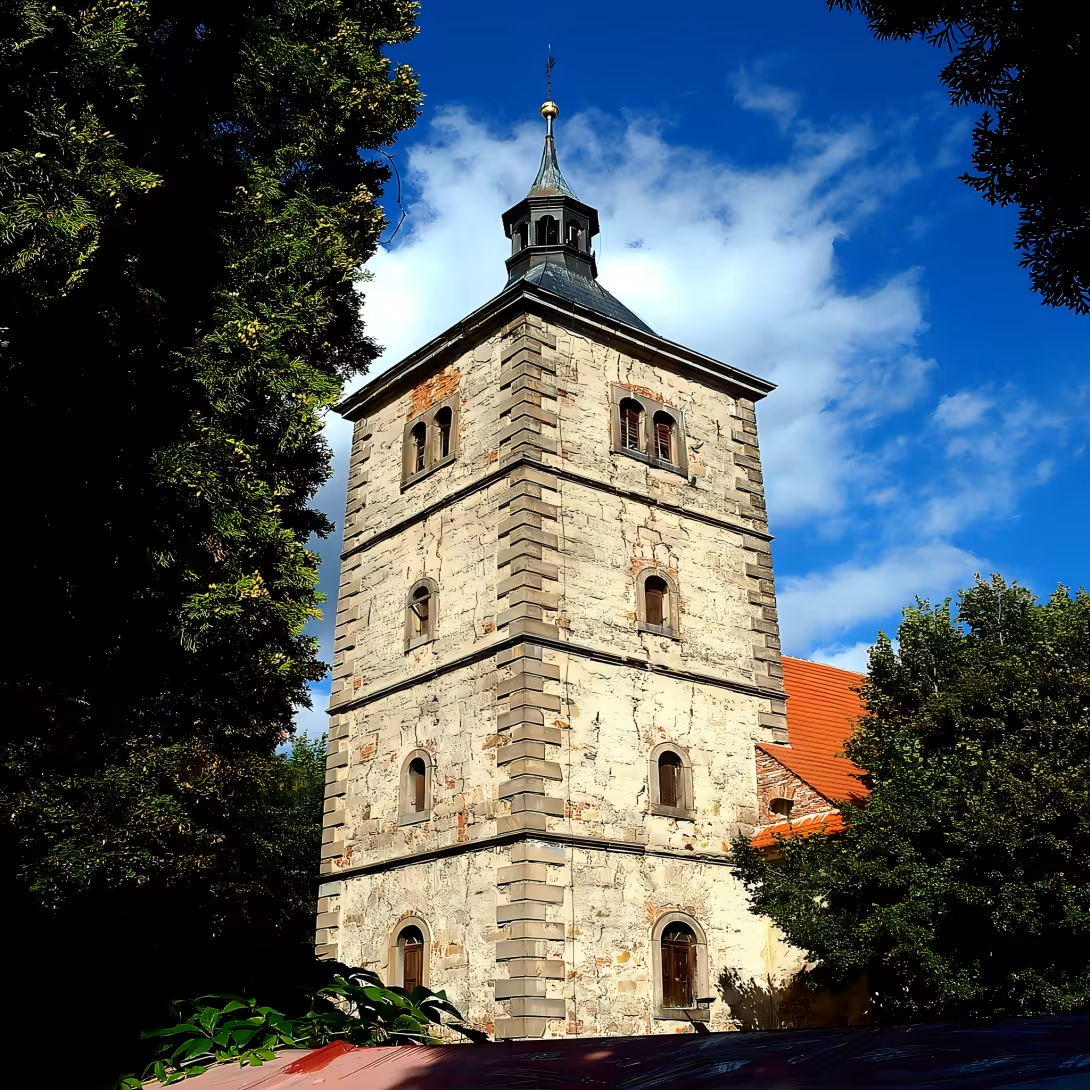
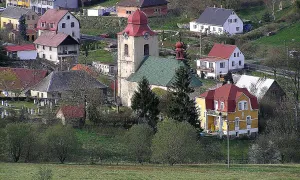
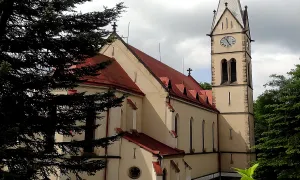
The Church of Saint Nicholas in Brniště is a notable Baroque structure located within an enclosed area featuring an entrance gate at the village center. Originally built in the 14th century, it has undergone significant transformations over time, including a major Baroque renovation in the late 17th century. The church's tower serves as a prominent landmark visible from afar. Listed as a cultural monument since 1965, this historical site is currently undergoing gradual restoration.
The origins of the Church of Saint Nicholas trace back to the late 14th century when it replaced an earlier Romanesque or early Gothic wooden chapel. Its existence was first documented in 1384, with indications that it may have been established as early as 1359. Initially, the church belonged to the Prague archdiocese and fell under the jurisdiction of Jablonec nad Nisou deanery, serving as a filial church for Stráž pod Ralskem until 1700. The patronage of the Vartenberks played a significant role in its history.
Architecturally, the Church of Saint Nicholas underwent substantial changes between 1699 and 1728 under Count Lichtenštejn-Kastelkorn's direction. This period marked its transformation into Baroque style, characterized by an oblong single-nave structure with a tower added in 1697. The entrance gate, featuring the count's coat of arms, was commissioned in 1699, and a statue of Saint Nicholas was erected on it in 1711.
The church experienced dramatic events throughout its history, notably a devastating lightning strike on April 21, 1808. This event destroyed the dome and interior, leading to significant reconstruction without a dome and with a smaller tower. Following this disaster, important documents were placed inside the 'knob' of the new tower. During World War I, the original bells were melted down for military purposes, except for one that survived.
In more recent history, during the communist era in Czechoslovakia, the church fell into disrepair and ceased to have a resident priest, with services conducted from Mimoně instead. In the 1980s, repairs were made to the tower by Václav Horniak, a local parish priest. The 'knob' of the tower was opened in 1987, revealing historical documents that were later archived.
Today, the Church of Saint Nicholas is under the administration of the Roman Catholic Parish of Brniště. Masses are held weekly in the sacristy by a priest from Mimoně. Despite its poor technical condition, it serves as an introductory site for educational trails and hosts cultural events such as the annual "Night of Churches." The church remains a significant historical monument worth visiting for those interested in Baroque architecture and local history.
The Church of Saint Nicholas stands as a testament to the rich cultural heritage of Brniště. Its ongoing restoration efforts ensure that future generations can appreciate its historical significance and architectural beauty. Visitors are invited to explore this remarkable site, where history and tradition converge.
Then and now
Drag the slider to compare how the landmark may have looked when it was built with the view today.
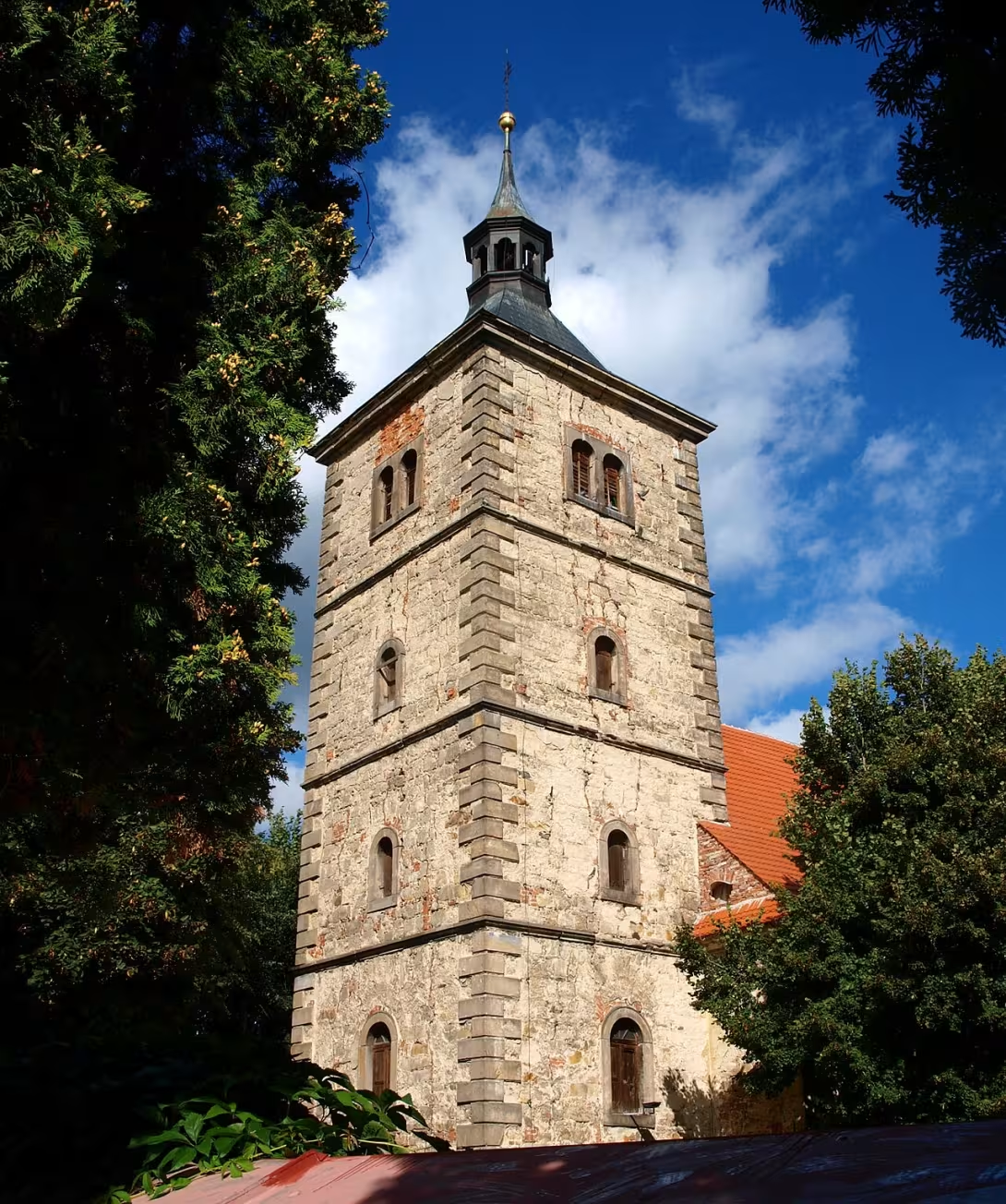

The historical appearance on the left is an AI-generated visualisation and serves as inspiration only.
Historical milestones
- 1384
- The church's existence was first documented.
- 1808
- A lightning strike caused significant damage to the church.
Architectural development
The original Romanesque or early Gothic wooden chapel was replaced by a new structure in the late 14th century. The church underwent baroque transformation between 1699 and 1728 under the direction of Count Lichtenštejn-Kastelkorn, who also commissioned an entrance gate with his coat of arms in 1699. A tower was added in 1697.
Historical events
The church was first documented in 1384, with its existence likely dating back to around 1359.
A devastating lightning strike on April 21, 1808, destroyed the church's dome and interior, leading to significant reconstruction without a dome and with a smaller tower.
Points of interest
- The Church of Saint Nicholas has a fascinating connection to the Vartenberks, an influential noble family whose patronage significantly impacted its history and development. - A lightning strike in 1808 dramatically altered the church's architecture by destroying the dome and interior, leading to a reconstruction that included a smaller tower without a dome.
- During World War I, all but one of the church’s original bells were melted down for military purposes, demonstrating how historical events have left their mark on this structure.
- In the 1980s, Václav Horniak, a local priest, took it upon himself to repair the tower, highlighting community involvement in preserving the church's legacy despite broader neglect during the communist era.
- The 'knob' of the new tower once served as a repository for important documents, which were discovered and archived in 1987, providing insight into the church’s historical significance.
Guide
This guide is narrated by a synthetic voice generated by artificial intelligence.
Show guide text
This text was created by artificial intelligence and has not been editorially reviewed. It may contain inaccuracies.
The Church of Saint Nicholas is a baroque building in the center of Brniště on the Českolipsko. It stands in an area surrounded by a wall with an entrance gate, and its tower is visible from far away.
Originally, a wooden church stood on this site, perhaps still Romanesque or early Gothic. The new church is first documented in the year 1384, but according to records it already existed around 1359. From the Gothic building, masonry up to a height of four meters has been preserved to this day. The church was connected with the patronage of the Wartenberg family and for a long time belonged as a dependent church to Stráž pod Ralskem. It has been dedicated to Saint Nicholas since 1413, similarly to the church in Stráž, from where the relics were brought here. Brniště became an independent parish only in 1700.
At the end of the 17th century, a baroque reconstruction took place. In 1697 a bell tower was added. Between 1699 and 1728, Count Lichtenštejn-Kastelkorn had the church rebuilt, and also had the entrance gate built with his coat of arms. Then in 1711, a statue of Saint Nicholas was added to the gate.
A turning point came on April 21, 1808. A storm lasted from two in the afternoon until midnight, and lightning struck the church repeatedly. The church burned down together with its dome, and the interior furnishings were severely damaged. It was restored from donations from local people and people from the surrounding area, but now without the dome and with a tower one story lower. The damaged bells had to be recast. An inscription on one of them still recalled that it was struck by lightning in the evening at a quarter to eight. It was recast in August 1823 by bell founder Paul in Lípě. The oldest bell, cast in Prague in 1774, was the only one to survive the First World War, when the other bells were melted down for war purposes. New bells were consecrated in 1922.
During communist rule, the church fell into considerable disrepair, and the spiritual administration moved to Mimoň. In the 1980s, the priest from Mimoň, Václav Horniak, repaired the tower. In 1987, a box was opened at the top of the tower. The memorial documents and coins found there ended up in the regional archive in Česká Lípa, and new records about the modern history of the village were placed in the box.
The church is protected as a cultural monument. Its technical condition is poor, and repairs in the 21st century are progressing only slowly. The church is also the starting point of the educational Hastrmen Trail.
Frequently asked questions
Can the monument be visited?
Religious buildings are usually open mainly during services; at other times a visit is normally arranged with the parish or the operator. We have not verified specific times. According to the heritage register the structure is in poor condition – do not enter it and take care nearby.
Where is the monument?
Location: Brniště, Liberecký kraj. The map on this page shows the exact spot.
Why is the monument protected?
It is listed in the Central List of Cultural Monuments of the Czech Republic as a cultural monument (register no. 31102/5-2858).
Businesses nearby
Do you run a restaurant, accommodation, shop, museum, rental, wellness or other visitor service near this monument? Show yourself directly to the people heading to it — this is how they will see you in the app and on the web:
Events nearby
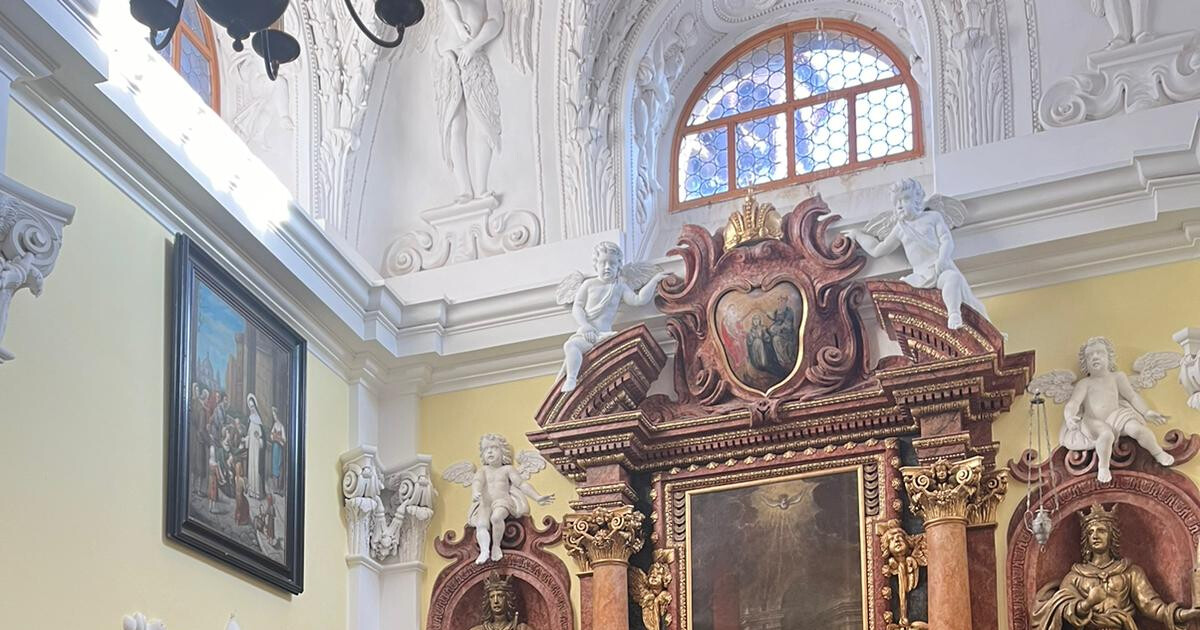
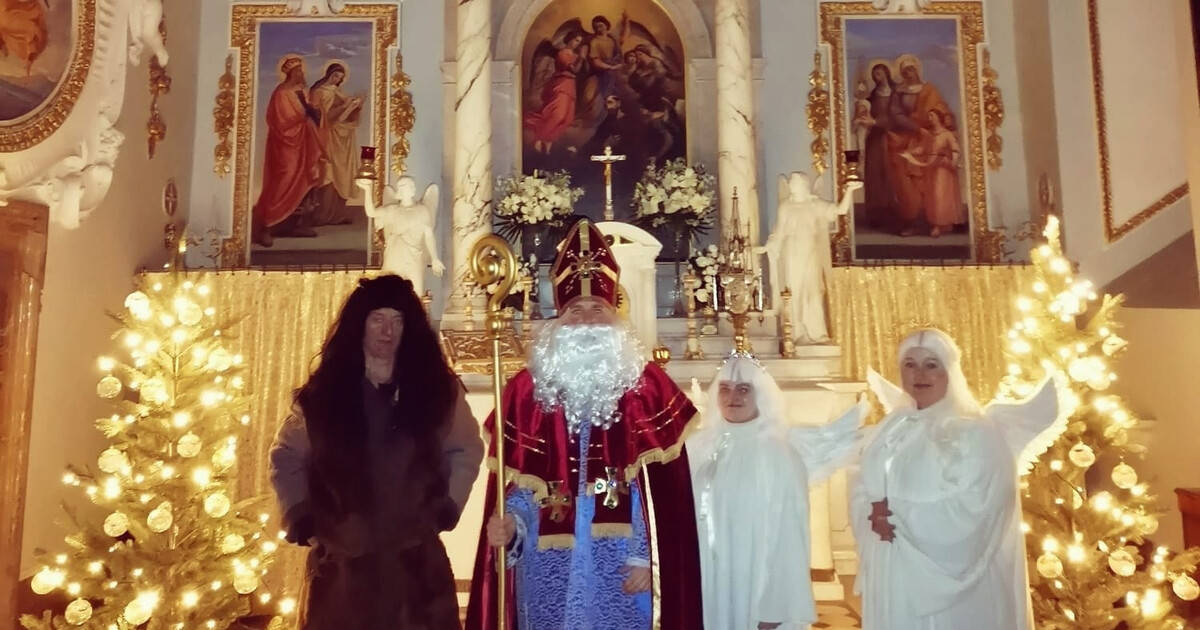
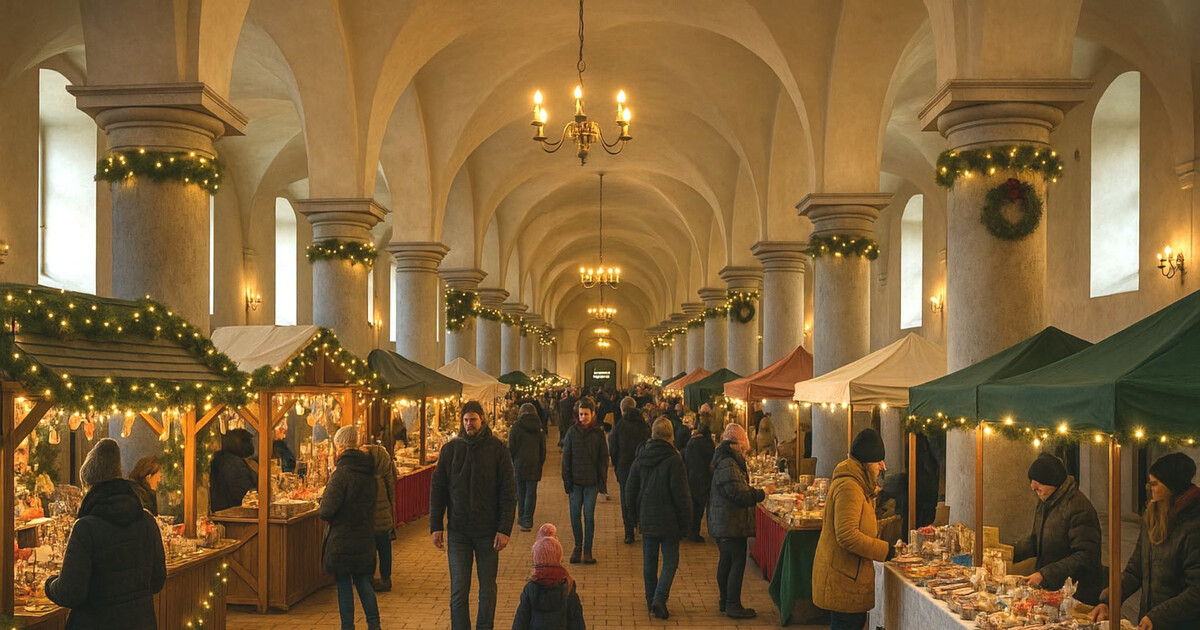
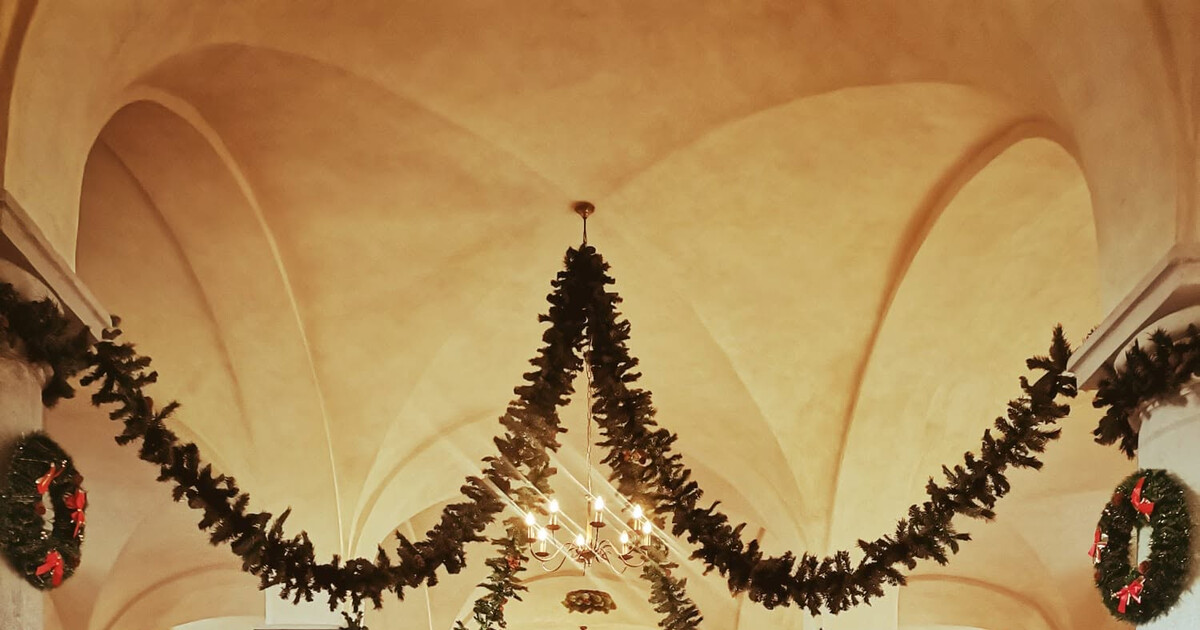
Zdroj akcí: otevřená data měst a obcí ČR (Národní katalog otevřených dat) a kalendář akcí Národního památkového ústavu.
Accommodation nearby
Trips and activities nearby
Guided tours, tickets and activities nearby from GetYourGuide
Affiliate link: if you buy from the partner, we may receive a commission. The price for you does not change.
Search tours and activities →Themed route
Tematická výletní trasa: Kostel svatého Mikuláše v Brništi
1. Kostel svatého Mikuláše
Typ: Religiózní památka
Proč stojí za návštěvu: Tento barokní kostel je centrem duchovního života v Brništi a nabízí krásnou architekturu s bohatými interiéry. Je to ideální místo pro ty, kteří mají zájem o historii náboženství a umění.
2. Kaple svaté Anny
Typ: Kaple
Proč stojí za návštěvu: Nachází se v blízkosti kostela svatého Mikuláše a představuje místo klidu a meditace. Je to krásný příklad menší sakrální architektury, který doplňuje návštěvu hlavního kostela.
3. Nádvoří kostela svatého Mikuláše
Typ: Nádvoří
Proč stojí za návštěvu: Toto místo nabízí příležitost pro relaxaci a užívání si venkovního prostoru. Je to skvělý způsob, jak se ponořit do klidné atmosféry obce Brniště.
Tato trasa vás provede krátkou, ale plnou historických a duchovních poznatků cestou kolem kostela svatého Mikuláše.
Seasonal recommendations
Jaro: During the spring, St. Nicholas Church in Brníště takes on a gentle pastel hue as newly sprouted leaves and blooming lawns bring life and color to the area. Sunlight filtering through green foliage adds rich, changing illumination to the church, creating an ideal atmosphere for photography and relaxation. Visitors are advised to wear comfortable shoes due to potentially wet surfaces and bring sun protection if planning to spend a longer time outdoors. Although crowds are usually moderate, it is recommended that visitors come early in the day to enjoy a quieter environment.
Léto: Summer is a highly popular season for visiting St. Nicholas Church, as warm sunny days attract many tourists. Green trees provide comfortable shade and create a brightly lit setting that highlights the church's architectural details. The atmosphere buzzes with life due to local events and activities, offering an exciting experience for visitors. It is recommended to plan your visit early in the morning or later in the evening to avoid peak times with high crowds. Wearing light clothing and considering a refreshing drink are key to ensuring a comfortable visitor experience during warm summer days.
Podzim: In autumn, St. Nicholas Church in Brníště takes on a melancholic yet beautiful atmosphere as tree leaves transition from green to vibrant hues. Sunlight filtering through red and orange foliage gives the church a unique aesthetic, making it an ideal spot for photography or peaceful strolls. Visitors are advised to wear warmer clothing due to cooler autumn days and bring rain protection as sudden weather changes can occur. Although crowds are usually moderate, visitors are recommended to come early in the day for a more tranquil experience.
Zima: During winter, St. Nicholas Church in Brníště has a quiet and serene atmosphere as trees become bare and the clear blue sky accentuates its architectural beauty. The cold air adds a sense of calm, creating an ideal environment for relaxation and reflective visits. Visitors are strongly advised to wear warm clothing, including sweaters, scarves, and protective boots due to the cold weather. Despite smaller crowds, visiting during less busy times is recommended to fully enjoy this peaceful setting.
Visualizations and artistic views


The visualisations are generated by artificial intelligence and serve as inspiration.
Photos from the area
Real photos taken near the monument


Zdroj a licence jsou uvedeny u každého snímku.
Tips from visitors
No tips yet. Be the first!
Log in and add your tip.
Sources and literature
Photos: VitVit / CC BY-SA 4.0, rozlišení zvýšeno umělou inteligencí — Wikimedia Commons. The author and licence also appear when you hover over the image.
Faktickým podkladem tohoto textu byl článek na Wikipedii, jehož autory jsou přispěvatelé Wikipedie. Článek je dostupný pod licencí CC BY-SA 4.0.
Location on the map
Příběhy a pověsti
Legendy, pověsti a příběhy spjaté s touto památkou
Příběh: Kostel svatého Mikuláše v Brništi
Bylo to v pondělí ráno, kdy Mikuláš z Brniště, tajemný mistr střepených rytin a pecevých měst, se probudil s pocitem nesnesitelné tíže na svém hrudi. Kostel …
Číst příběh
Pověst: Kostel svatého Mikuláše v Brništi
Traduje se, že zvony v kostelní věži v Brništi mají paměť. Ne takovou, jakou mají lidé – mlhavou, nespolehlivou, ochotnou zapomenout – ale paměť ztepilou jak…
Číst příběhFotografie návštěvníků
Zatím žádné fotografie. Buďte první, kdo přidá fotografii z návštěvy!
Log in a přidejte svou fotografii nebo hodnoťte.
Za ověřenou návštěvu v aplikaci získáte víc bodů — poznáme podle GPS, že jste na místě.
Reviews and comments