






Kostel svatého Ondřeje (Starý Kolín) Church
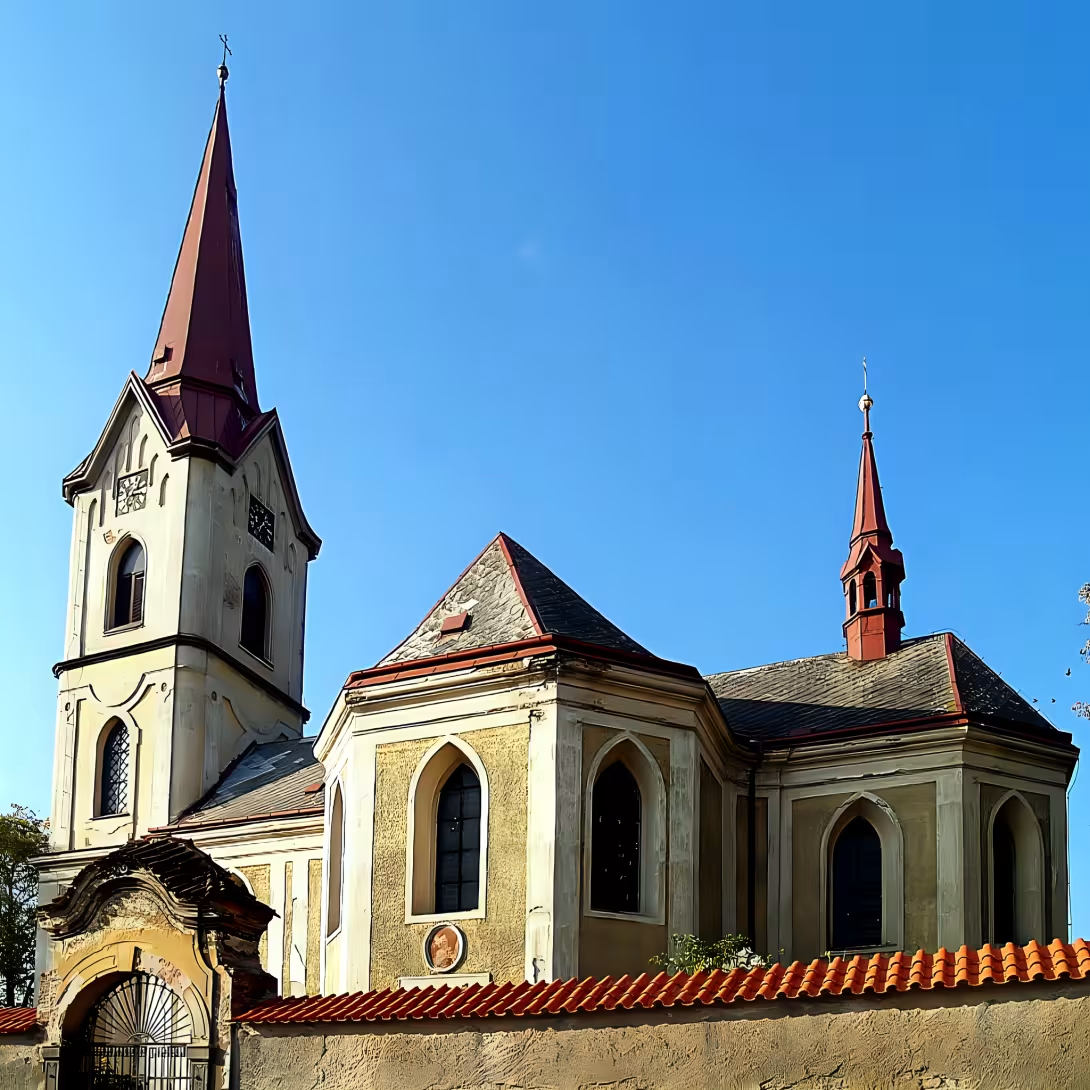
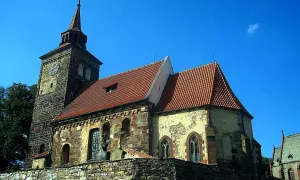
The church of Saint Andrew in the Old Kolín is a remarkable historical monument near the square Středočeský kraj. This single-boat stone church in the shape of a cross stands out for its architectural evolution and cultural importance. Originally built in the early Gothic style and consecrated in 1267, it underwent several transformations reflecting the wider trends of Czech architecture and history.
The origin of the church dates back to the end of the 13th century, when the Czechs experienced significant cultural growth under the Přemyslid dynasty. During this period there was a significant transition from Romanesque to Gothic styles in church architecture throughout Europe. Saint Andrew Church illustrates this shift with its first Gothic design. In 1740, however, the architect Tomáš Haffenecker underwent a major reconstruction, which was transformed into a Baroque Gothic style.
The architectural path of the church continued through adversity; the fire in 1761 required a reconstruction which further shaped its structure. In 1861 the improvements included another story on his tower and new roof coverings, which added to the size of the building. By 1905 the church received modifications involving pseudogotic elements which are evident in its present form.
The church of St. Andrew is characterized by its one-boat plan with a cross plan. The interior, as it can be seen today, dates back to the renovation in 1905 and has pictures of J. Chokal. While the bell tower has three bells of John George Kühner in 1779. Exterior is marked with smooth walls with corner pilasters without capitals and its corners are slightly rounded. The prominent Gothic profile runs along the main arc of both the ship and the tower.
the church is proof of the dynamic architectural history of Old Kolín, which reflects changes in style and function for centuries. Its position as a protected cultural monument underlines its importance not only for local heritage but also for the wider historical story of the region.
Today, the Church of St. Andrew remains an accessible place for visitors who are interested in discovering rich history and architectural beauty. Located near the picturesque square, it offers a view of the development of church architecture from Gothic to Baroque Gothic styles. Its well preserved structure and artistic elements make it a valuable destination for those who want to understand the cultural heritage of Středočeský kraj.
A visit to St. Andrew's Church provides an opportunity to connect with the historical layers that shaped this monument over time. It is a symbol of resistance and adaptation and invites visitors to appreciate its architectural shine and historical significance.
Then and now
Drag the slider to compare how the landmark may have looked when it was built with the view today.
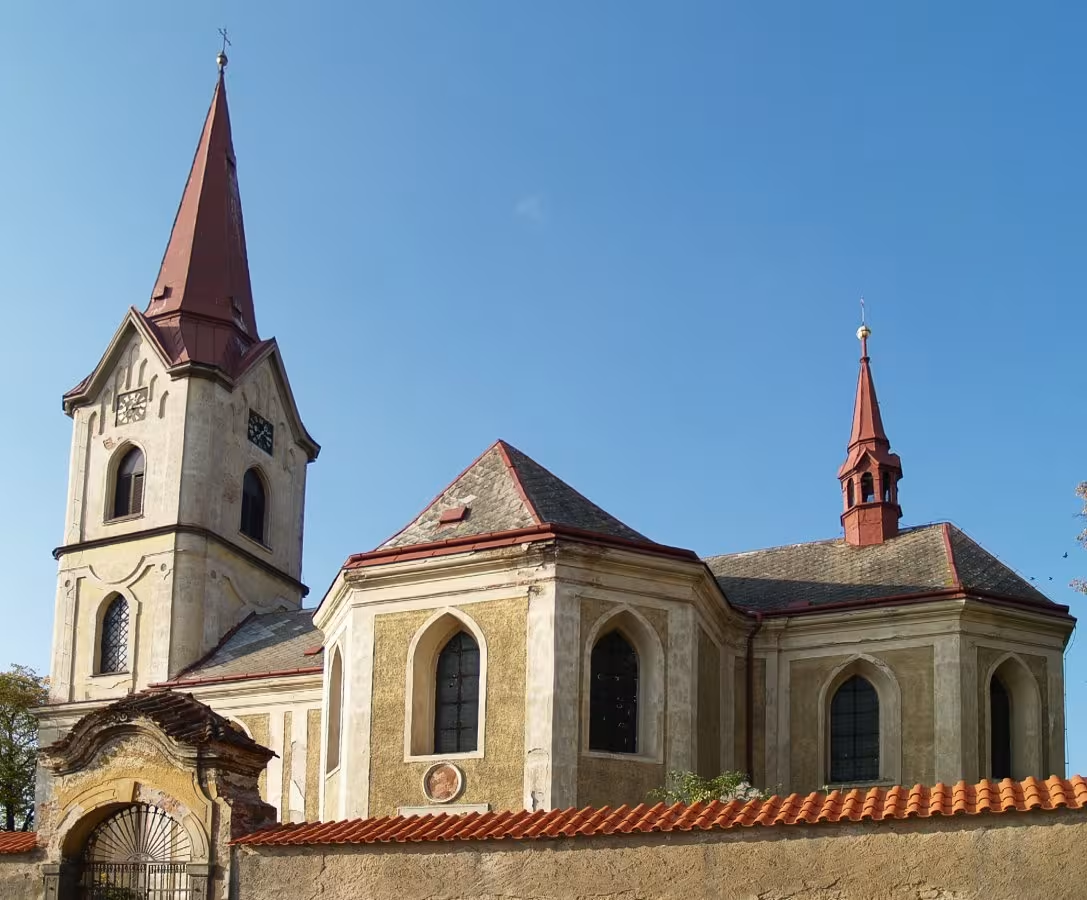
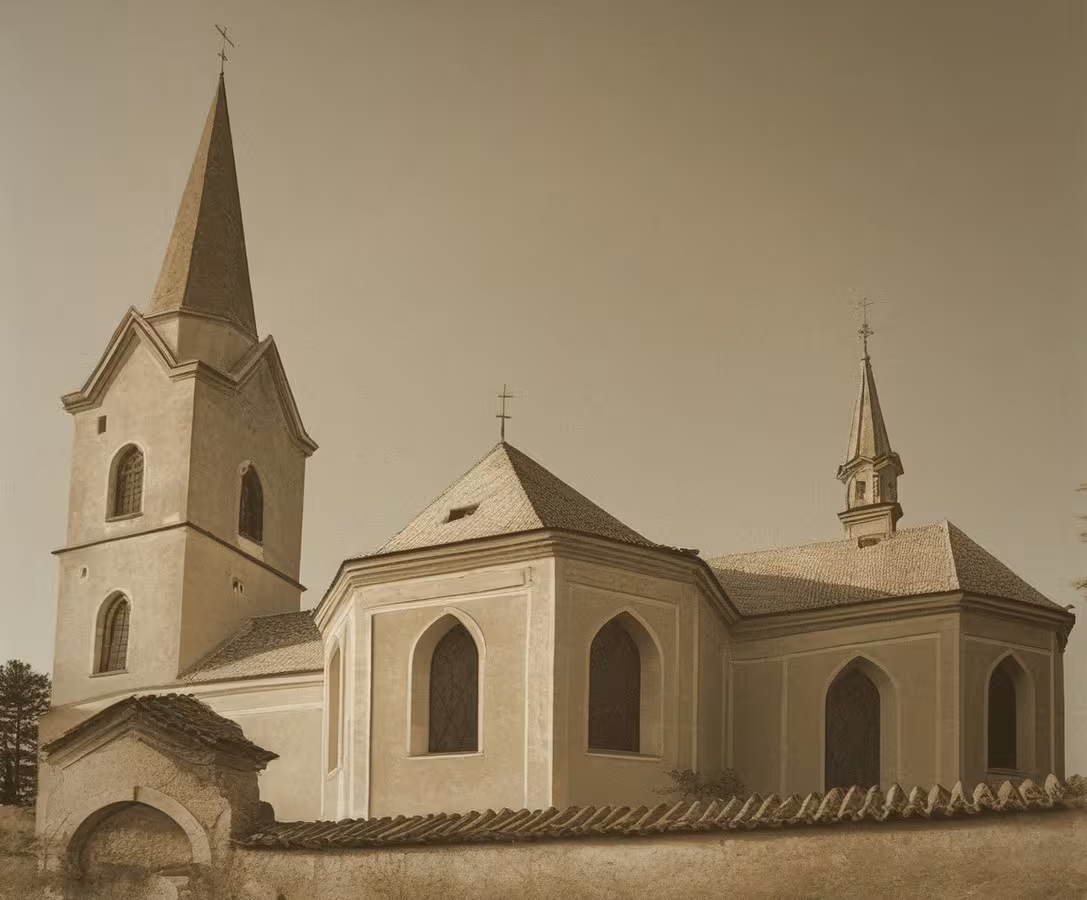
The historical appearance on the left is an AI-generated visualisation and serves as inspiration only.
Historical milestones
- 1267
- The original sanctity church.
- 1740
- Reconstruction in Baroque Gothic style by Tomas Haffenecker.
- 1761
- the church burned down and was rebuilt.
Architectural development
Originally built as a Gothic structure, St. Andrew's church underwent significant architectural changes. In 1740 it was reconstructed in Baroque Gothic style by Tomas Haffenecker. After the fire in 1761 he was rebuilt and later supplemented with another story on his tower in 1861. The church received further modifications in 1905, involving pseudogotic elements.
Historical events
- 1267
- the church was originally sanctified.
- 1740
- Reconstruction in Baroque Gothic style according to the construction of Tomáš Haffenecker.
- 1761
- the church burned down and was subsequently rebuilt.
Points of interest
- The Church of Saint Andrew transformed under architect Tomáš Haffenecker in 1740 presented a unique blend of Baroque Gothic style, reflecting the eclectic architectural tastes of the period and showing the adaptability of church structures to new artistic movements.
- Although the church suffered from fire in 1761, it was not only rebuilt, but also improved by another story on its tower in 1861. This resilience underlines how historical events often catalyse significant architectural changes that contribute to the layered history of the building.
- The three bells located inside the bell tower were occupied by Jan Jiří Kühner in 1779, which connects the church with this renowned Czech bell tower and underlines its connection with local craft traditions that have lasted for centuries.
- In 1905, the church underwent modifications involving pseudogotic elements, a trend of time aimed at reviving medieval styles with modern interpretations. This renovation reflects the wider European architectural movements aimed at mixing historical aesthetics with current needs.
- The interior paintings by J. Šekal, dating back to renovation in 1905, add an art layer to the history of the church, illustrating how art and architecture were intertwined over time in strengthening their spiritual and cultural atmosphere.
Guide
This guide is narrated by a synthetic voice generated by artificial intelligence.
Show guide text
This text was created by artificial intelligence and has not been editorially reviewed. It may contain inaccuracies.
Welcome to St. Andrew's Historical Church in Old Kolín. As you stand here today, imagine going back in time to the space that witnessed centuries of history and transformation. The church in front of you is evidence of architectural evolution, its single-boat structure rising with air of quiet dignity.
The origin of this sacred place returned to the early Gothic period when it was first built and sanctified in 1267. This original proposal laid the foundation for what would become one of the region's rarest monuments. Over the years the church has undergone significant changes that reflect its resilience and adaptability to new artistic movements.
As you look at the building now, notice how it embodies a unique blend of styles. In 1740, architect Tomáš Haffenecker carried out an ambitious reconstruction project which transformed the church into a Baroque Gothic masterpiece. His vision presented complex details that harmonize with original Gothic elements, creating a visually charming experience.
Take a moment to appreciate the architectural nuances present in the layout and design of the building. The cross-shaped stone building is designed to serve not only its spiritual purpose but also as an artistic expression of its time. While you explore, imagine experienced craftsmen who worked under the leadership of Haffenecker's, bringing their innovative ideas to life.
the church endured the challenges over the centuries, including a devastating fire in 1761. This event meant another chapter in its storyteller history, which showed the determination of the community to rebuild and preserve their revered place of worship. Such resistance is evident in every stone that makes up this remarkable structure.
While many historical figures have been associated with the church, specific names remain covered with secrets. It is clear, however, that the Church of St. Andrew played a key role in the spiritual life of the people of Old Kolín throughout its existence.
One interesting aspect of this site is how it reflects wider architectural trends while maintaining its unique identity. The transformation under Haffenecker's direction was not just about style; It was an adaptation to changing tastes and needs, illustrating the Church's ability to evolve without losing its essence.
As you continue your research, I urge you to immerse yourself in the atmosphere surrounding this historic building. Do not hesitate to think about the stories inside these walls - the stories of faith, perseverance and artistic innovation.
Thank you for joining me on this journey of history. At the end of our visit to St. Andrew's Church, I invite you to explore further and learn more about the rich legacy of Old Kolín. May your curiosity lead you to discover other hidden jewels in this charming area. Safe travels as you continue your adventure!
Tips for visitors
The best time to visit St. Andrew's church in Old Kolín is at the end of spring or early autumn, when the weather is pleasant and the surrounding landscape is especially beautiful. During these months you can enjoy a comfortable walk through the square without crowds that often accompany summer tourism. In addition, lighting conditions are ideal for photography, especially during the golden hour of sunrise and sunset.
For those travelling by public transport, there are options available, however, it is advisable to check the current routes and plans via the transport search engine or local information centre prior to your visit.
When visiting St. Andrew's Church, consider bringing comfortable walking shoes as you wish to explore surrounding historical architecture and natural beauty. To capture the amazing Gothic details of the church and its picturesque setting, the camera is recommended. In addition, it might be useful to wear a light jacket because weather conditions can unexpectedly change into Středočeský kraj.
For photographic enthusiasts, some of the best places to capture St. Andrew's Church are from the square or along the paths that offer a view of the church cross-shaped structures in the background of the landscape. Soft morning light provides excellent conditions for highlighting stone textures and architectural details. Later the setting sun can create dramatic shadows and warm tones.
The nearby attractions within a 30-minute drive include other historical monuments and natural landscapes that complement your visit to Old Kolína. Exploring these areas can provide further context and enjoyment of the rich history of the region and picturesque beauty. It is worth checking local guides or maps for specific recommendations what to see nearby.
For families with children, a visit to St. Andrew's Church offers the opportunity to explore historical architecture together. The town square is a great place for children to enjoy some outdoor time after exploring the church. Consider bringing refreshments and water because there may not be many facilities nearby. Involving children with stories about the history of the church can make a visit more interesting and enlightening.
Frequently asked questions
Can the monument be visited?
Religious buildings are usually open mainly during services; at other times a visit is normally arranged with the parish or the operator. We have not verified specific times.
Where is the monument?
Location: Starý Kolín, Středočeský kraj. The map on this page shows the exact spot.
Why is the monument protected?
It is listed in the Central List of Cultural Monuments of the Czech Republic as a cultural monument (register no. 40130/2-853).
Businesses nearby
Do you run a restaurant, accommodation, shop, museum, rental, wellness or other visitor service near this monument? Show yourself directly to the people heading to it — this is how they will see you in the app and on the web:
Nearby
Near the square stands the church in the middle of the picturesque landscape of Old Kolína in Středočeský kraj. The area is characterized by its historical architecture and natural beauty.
Accommodation nearby
Trips and activities nearby
Guided tours, tickets and activities nearby from GetYourGuide
Affiliate link: if you buy from the partner, we may receive a commission. The price for you does not change.
Search tours and activities →Themed route
Thematic cruise route Starý Kolín
1. Kostel svatého Ondřeje (Starý Kolín) - Church Back volume trip at the church of St. Andrew, based on Old Kolína. This historical church is carried by the spiritual centre of the village, but also by architectural pearls with rich history and artistic elements. There's a significant building out of 13. Centuries suggest that the Gothic architecture and beautiful interiors that are intended for small generations.
2. Square of Old Kolíny - Square Move to the square of Old Kolín, where St. Andrew's Church stands as a central point. This town is part of a smaller community and offers a peaceful atmosphere for relaxation after a challenging church. The square is surrounded by historic houses that are reflective of a rich mine and providing a beautiful background for the photograph.
3. Old Cologne Memorial Label - Tanks Progouge the circumstance of the Old Colický Memorial Courthouse, which is a parallel historical centre. This city offers on ancient buildings and alleys that are world history. Walk after difficult use to feel the atmosphere of the minima of times and appreciate local architecture.
4. Water plant Starý Kolín - Water plant The final stop of the route is the water factory Starý Kolín, located not far from the city centre. This historic building was once a key bridge for the supply of water to the city and the day serves as a monument protected building with a rich history. a visit to the water plant provides insight into the technical development of the village and its introduction for the environment.
This route offers on the basis of the signs of history, architecture and culture of Old Kolíny, with the permission of the main foot of the St. Andrew cube and circumstances.
Seasonal recommendations
Spring: A visit to St. Andrew's church in spring offers a unique experience, as the surrounding landscape bursts into life with vibrant colours of flowering flowers and fresh greenery, creating a charming atmosphere that complements the historical architecture beautifully. The gentle warmth of the season supports longer daily hours, allowing sufficient time to explore both the church interior complexity and its picturesque exterior. Visitors should consider wearing comfortable layers because temperatures may vary throughout the day. While the spring crowd is generally manageable, arriving early in the morning can provide a calmer experience before larger groups gather.
Summer: Summer in St. Andrew's Church is characterized by long, sunny days that illuminate the historical facade of the church and increase its architectural details. The lush greenery around Old Kolín creates an idyllic environment for photo lovers or anyone who wants to enjoy nature alongside history. During this top season, it is advisable to visit early in the morning or later in the afternoon to avoid larger crowds and noon heat. Light, breathable clothes are recommended, along with sun protection such as hats or sunglasses.
Autumn: Autumn in St. Andrew's church offers a stunning view of warm colors, as the leaves change, a golden shade of the historic place and a picturesque background that increases its charm. Colder temperatures allow comfortable exploration without summer heat, although visitors should still dress in layers to suit the changing weather conditions. This season is less crowded than summer, providing an ideal time for those looking for a quieter visit while still enjoying the beauty of nature.
Winter: Winter transforms St. Andrew's church into a quiet and mystical place, with snow it often fills the landscape and creates a magical atmosphere that contrasts beautifully with historical stones church. Short days mean that visits are best planned early to make as many daily hours as possible, while cooler temperatures require warm clothes, including coats, hats, gloves and scarves. While fewer visitors can be expected during this season, it is advisable to check opening times as they may vary in the winter months due to weather conditions.
Visualizations and artistic views


The visualisations are generated by artificial intelligence and serve as inspiration.
Photos from the area
Real photos taken near the monument


Zdroj a licence jsou uvedeny u každého snímku.
Tips from visitors
No tips yet. Be the first!
Log in and add your tip.
Sources and literature
Photos: Lukáš Jelínek / CC BY-SA 3.0, rozlišení zvýšeno umělou inteligencí — Wikimedia Commons. The author and licence also appear when you hover over the image.
Faktickým podkladem tohoto textu byl článek na Wikipedii, jehož autory jsou přispěvatelé Wikipedie. Článek je dostupný pod licencí CC BY-SA 4.0.
Location on the map
Příběhy a pověsti
Legendy, pověsti a příběhy spjaté s touto památkou

Příběh: Kostel svatého Ondřeje (Starý Kolín)
Bylo to v pondělí ráno, kdy Janek, slonový rytíř z Kolína, se probudil s hrůzou a bolestnou hlavou, která mu připomínala jeho nedávné pád. Zranění bylo menší…
Číst příběh
Pověst: Kostel svatého Ondřeje (Starý Kolín)
Podle místní pověsti se v Starém Kolíně ještě dnes šeptá o jedné srpnové noci roku 1761, kdy se nad kostelem svatého Ondřeje zvedl plamen tak prudký a tak ná…
Číst příběhFotografie návštěvníků
Zatím žádné fotografie. Buďte první, kdo přidá fotografii z návštěvy!
Log in a přidejte svou fotografii nebo hodnoťte.
Za ověřenou návštěvu v aplikaci získáte víc bodů — poznáme podle GPS, že jste na místě.
Reviews and comments