






Žebrák Castle
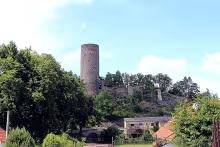
Žebrák is located in the village Točník on the southern edge of the Křivoklat forests in the district of Beroun. Since 1965 it has been protected as a cultural monument and since 2002 as a national cultural monument of the Czech Republic. The castle is owned by the state and its administration is provided by the National Heritage Institute. He's open to the public.
The castle was founded in the second half of the 13th century by Oldřich Zající z Valdek on a nearby location of important trade routes from Prague to Bavaria. Long belonged to the Hare family. Between 1322 and 1327 Oldřich IV left him to his brother Zběnek Zajíc of Hazmburk. In 1336 Zbyněk replaced Zbyněch Zájej with King John of Luxembourg's Žebrák for a more profitable Budapest estate. Since then, Žebrák has become a significant sovereign residence.
The castle gradually changed owners. In 1341 his brother Jan Jindřech bought it from Charles IV, but in 1349 he sold it back to the king. In the castle there was a chapel of St. Apolinar and St. Margaret. Karel IV. often stayed in the castle - his firstborn son Václav died here on 28 December 1351. Later the monarch visited the castle only once, in 1360, and even stopped it.
The golden age brought a new era. Václav IV., who liked Žebrák for easy accessibility and location in deep forests, had the castle rebuilt to a luxury mansion during the period 1383- 1396. At this time, important guests often came here, among them the future English King Jindřich IV. In 1392 the king in the castle confirmed the foundation of the Bethlehem Chapel. In 1395, however, Žebrák burned down - according to Dobroslava Menclová, the army of Henry III of Rožmberk set fire to him. Soon it was repaired, but at the same time the King founded the nearby Točník and started to prefer it since 1400. Yet Žebrák continued to use - in 1412 there was a disputation between Jan Hus and Stephen from Bálč.
During the Hussite wars, Žebrák became a defence center. Since 1422, Hanuš z Kolovrat has been holding him. In 1425 he was besieged by a Hussite army led by John the Star of Vice-Milics, John Roháč of Dubé and Bohuslav of Švamberk. Hussite castles could not conquer, but burned the towns Žebrák and Horovice. In 1430 the castle faced a second siege which ended after nine weeks when Hanuš z Kolovrat joined the Hussite Party. In 1438, Prague townspeople from the reign of King Zikmund were trapped in the castle, but in May the following year the prisoners managed to escape.
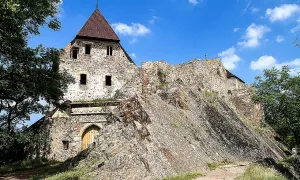
Hanuš z Kolovrat was based on Točník, but Žebrák damaged in Hussite fighting had it repaired. In 1460 the chapel had to be reconsecrated after reconstruction. After that, the maintenance of the castle was neglected. The castle became a fire in 1532. After this fire the castle was never restored and remained a permanent ruin that visitors can see in the landscape today.
Then and now
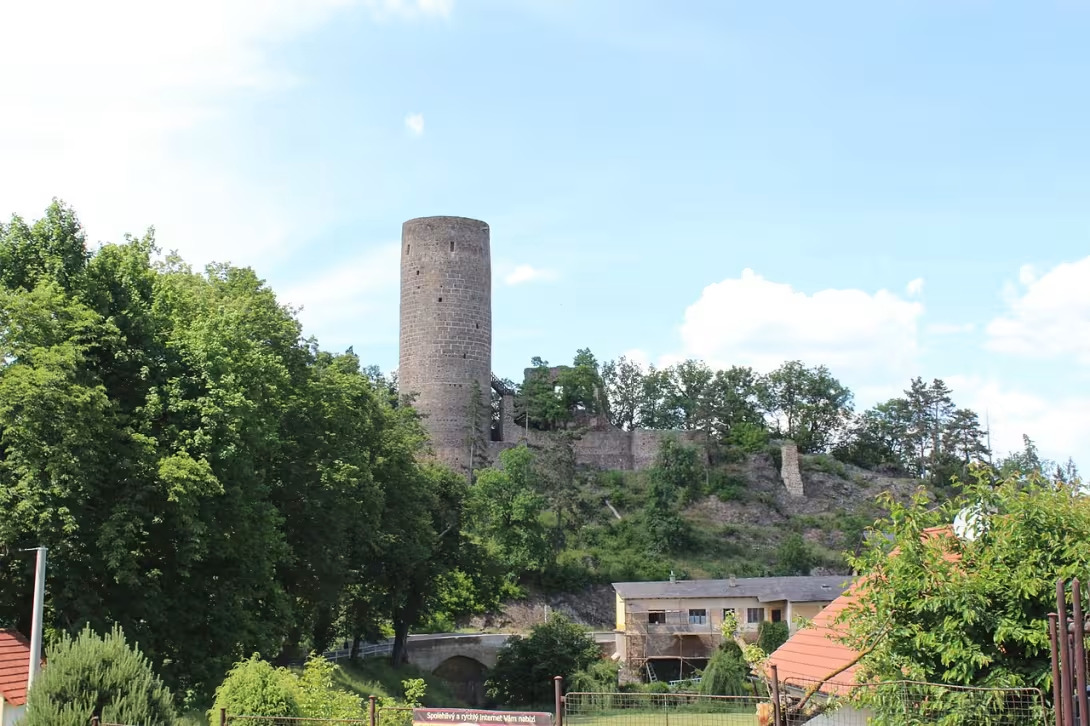
Drag the slider to compare how the landmark may have looked when it was built with the view today.
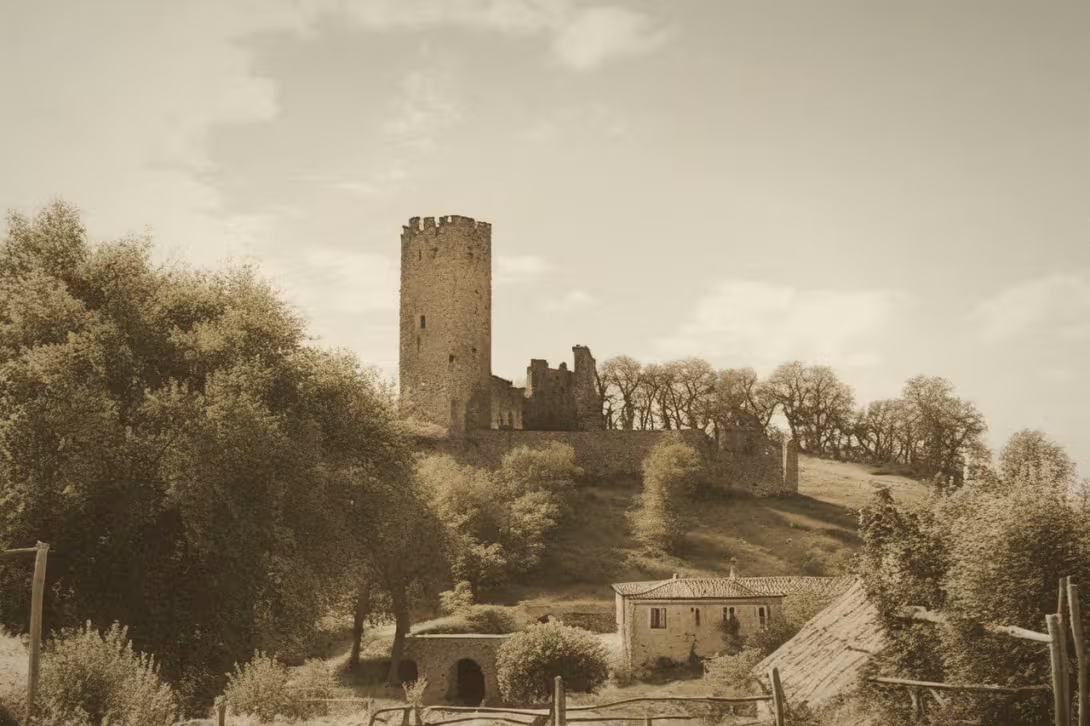
The historical appearance on the left is an AI-generated visualisation and serves as inspiration only.
Historical milestones
- 1280
- The first mention of the village Žebrák in the predicate Pribyslav z Žebráka.
- 1336
- King Jan Lucemburský acquires the castle in exchange for Budapest Manor.
- 1351
- The death of Charles IV's firstborn son, Václav, in the castle.
- 1392
- King Václav IV.
Architectural development
Originally a small noble castle from the end of the 13th century. In the 2nd half of the 14th century it was remodeled to a luxury royal residence. The current ruins include three cylindrical towers and relics of fortifications and palaces.
Historical events
1336 - the transfer of the castle to the monarch's possession; 1425 and 1430 - failed hussite siege; 1532 - fire meaning the end of the castle.
Owners
Oldřich Hare from Valdek (founder), Zbynek Hare from Hazmburk (up to 1336), Jan Lucemburský (from 1336), Jan Jindřich (1341-1349), Karel IV., Václav IV., Hanuš z Kolovrat (pawned from about 1422), State (current)
Points of interest
- The castle was founded in the second half of the thirteenth century by Oldřich Zajíc from Valdek near the trade route from Prague to Bavaria. Václav, Charles IV's firstborn son, died at Castle 28 December 1351. - Václav IV. had the castle rebuilt in 1383- 1396 into a luxury mansion, which was also visited by the future English King Jindřech IV. - In 1412 there was a disputation between Jan Hus and Stephen of the Batter. - After the fire in 1532, the castle was never restored and remained a ruin.
Guide
This guide is narrated by a synthetic voice generated by artificial intelligence.
Show guide text
This text was created by artificial intelligence and has not been editorially reviewed. It may contain inaccuracies.
Tips for visitors
The best time to visit is morning or late afternoon hours, when the light is the most distinctive and the castle ruins are not crowded.
Parking is provided near the monument and is available by car and public transport; Check the current connection in the search engine.
With us we recommend to take comfortable shoes suitable for the field, plenty of drinking water and clothes corresponding to the current weather.
For the best photos we recommend looking for sightseeing places on the walls during the golden hour. In the surrounding area, visit the castle Točník and go through the Křivoklat forests.
Families with children are recommended for ruins as a space for exploring history in natural form and walking together in nature.
Frequently asked questions
Where is Zebra Castle?
Zebrak castle lezi blizko mesta Hozovice in Stredoceskem region, about 40 km southzapade from Prague. It is accessible by car and pits after a marked tourist route.
Is Zebra Castle open for invaders?
Yes, Zebra Castle is open in the tourist season for visitors. It's being managed by the State of Memory. We recommend checking the opening time on the NPU web site before opening.
What is Castle Tocnik and how neighbors with Zebrak?
Tocnik Castle is another middle-aged zricene in the proximity of Zebrak. Kral Vaclav IV has built Tocnik as a comfortable alternative to Zebrak. Both castles are accessible from the common parking lot and form a tourist couple.
Who lived at Zebra Castle?
In Zebrak, the rousse of the audible families and later kings were inhabited. The most famous guest was the King Vaclav IV, who was detained here by the states of the virgins and later suspended here voluntarily.
What's interesting in Stredocesque County?
Stredocesky region charged Karlstejn, Konopiiste, Krivoklat, Sazavsky klaster, Kutna Hora and many other memories. It's the county with the most dense memory concentration in the Czech Republic.
What did the middle-aged castle architecture look like?
Streetway castles used to have massive stone walls, defensive springs, a ride and a pancake for the hearing. Zebrák ma typically layout stredoveke fortress with accessible theorem and castle yard.
How do you follow the castle from the lock?
The castle is fortified by the fortress of the Middle Ages - massive stone walls, defensive elements, strogs of winter conditions. Zámek is comfortable with residential sidem hearing Renaissance and Baroque - more windows, decorative interiors, parks. Tocnik was the transition from castle to lock.
For kids
Businesses nearby
Do you run a restaurant, accommodation, shop, museum, rental, wellness or other visitor service near this monument? Show yourself directly to the people heading to it — this is how they will see you in the app and on the web:
Events nearby
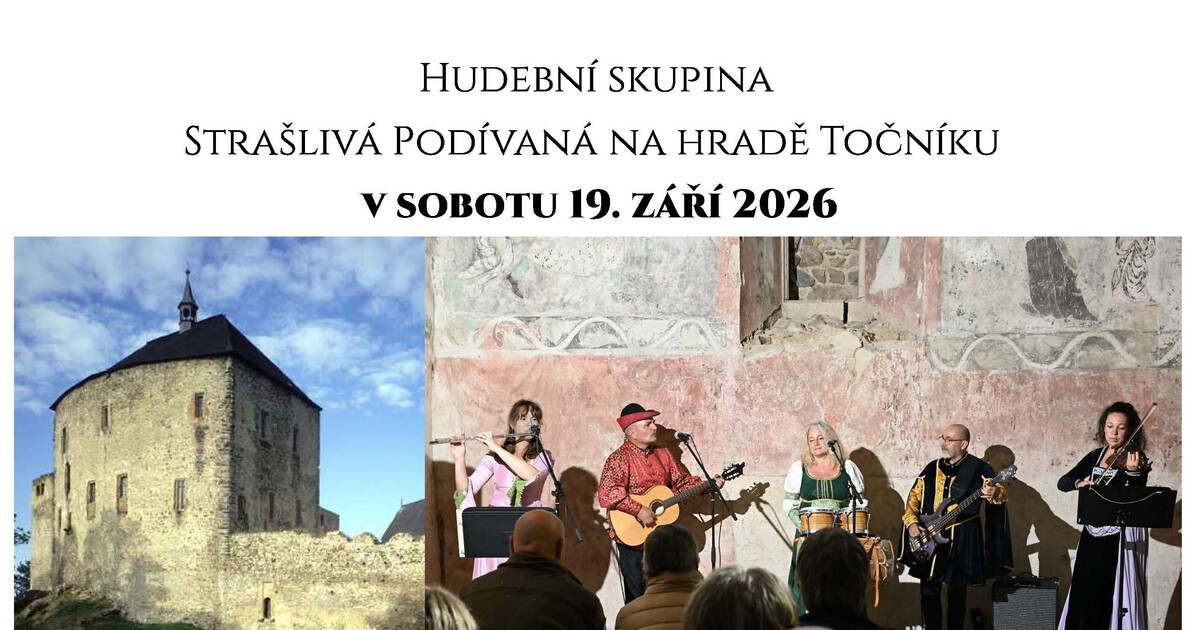
Zdroj akcí: otevřená data měst a obcí ČR (Národní katalog otevřených dat) a kalendář akcí Národního památkového ústavu.
Nearby
Castle Točník, Křivoklat Forest.
Accommodation nearby
Themed route
1. Castle Točník (Castle) - An impressive building that served as a royal mansion and offers interesting tours. 2. Žebrák (castle) - The main destination of the trip, where you can admire the remnants of the walls and views from far away. 3. Křivoclat forests (natural area) - An environment for relaxation and hiking around both castles.
Seasonal recommendations
Spring: In the spring period Žebrák offers visitors a unique view of green landscapes that are revived by flowering bushes and trees. Sun rays illuminate the ruins in fine shades of white and gold, which gives the picture a romantic tone. At this time, the visit may be calmer than in the summer peak period, but it is still advisable to come early in the morning to obtain the best reserved time reservation. It is recommended to wear clothes on variable weather and bring with you shoes for comfortable walking.
Summer: In summer, Žebrák is a popular destination for tourists looking for an escape from urban life. The sun's day illuminates the ruins in full shine and nature is blooming in its most beautiful colors. In the main summer season it is recommended to visit the castle earlier to avoid large crowds that may be present at noon. Do not forget to protect against the sun - wear short gloves and wide-leaved hats - and supply yourself with drinking water, especially if you plan to take an extended walk.
Autumn: Autumn visit Žebráka offers a melancholy view of coloured leaves and a quiet atmosphere that is consistent with milder weather. The sunny days can provide beautiful lighting, when the Central Bohemian region turns into gold and red colors. At this time it is advisable to visit the memory in the early afternoon, as it may be colder and the rainy season begins to appear. A good idea is to wear layered clothes that allow you to adapt to temperature changes.
Winter: Winter Žebrák offers a dramatic and almost mythical atmosphere where the castle is covered with snow or slightly overshadowed by clouds. Short sunny moments can illuminate the ruins in the breathtaking shades of white and silver, giving the painting a romantic feeling. In winter it is advisable to visit the castle early in the morning because opening hours can be limited and the weather is constantly changing. Wear a warm jacket, quality gloves and protective shoes to protect yourself from cold and possible snow.
Visualizations and artistic views


The visualisations are generated by artificial intelligence and serve as inspiration.
Photos from the area
Real photos taken near the monument


Zdroj a licence jsou uvedeny u každého snímku.
View from the area
This animation was generated by artificial intelligence from a real photograph of the surroundings. The motion and details are not real footage of the location.
Atmosphere of the place
This atmospheric visualisation of the place and period was generated by artificial intelligence. It is not real footage of the location.
Tips from visitors
No tips yet. Be the first!
Log in and add your tip.
Sources and literature
Fotografie: Janmanak / CC BY-SA 4.0 — Wikimedia Commons. The author and licence also appear when you hover over the image.
Faktickým podkladem tohoto textu byl článek na Wikipedii, jehož autory jsou přispěvatelé Wikipedie. Článek je dostupný pod licencí CC BY-SA 4.0.
Location on the map

Příběhy a pověsti
Legendy, pověsti a příběhy spjaté s touto památkou
Fotografie návštěvníků
Zatím žádné fotografie. Buďte první, kdo přidá fotografii z návštěvy!
Přihlaste se a přidejte svou fotografii nebo hodnoťte.
Za ověřenou návštěvu v aplikaci získáte víc bodů — poznáme podle GPS, že jste na místě.
Reviews and comments